
The global market for natural health, beauty, and wellness products continues to expand at an impressive rate. Consumers are actively seeking products made from natural ingredients, sustainable sources, and transparent supply chains. Among the many ingredients driving this trend, virgin coconut oil has established itself as one of the most versatile and widely recognized products in the world. Today, virgin coconut oil is used in food products, dietary supplements, skincare formulations, haircare solutions, personal care products, and wellness applications. As demand grows, many entrepreneurs, distributors, retailers, and brand owners are looking for efficient ways to enter the market without investing heavily in manufacturing facilities. This is where private label virgin coconut oil creates significant opportunities. Through private labeling, businesses can launch their own branded virgin coconut oil products while leveraging the expertise and production capabilities of established manufacturers.
For global buyers, understanding private label programs, OEM production, quality standards, and supplier selection is essential. This comprehensive guide explains everything you need to know about building a successful virgin coconut oil brand through private label manufacturing.
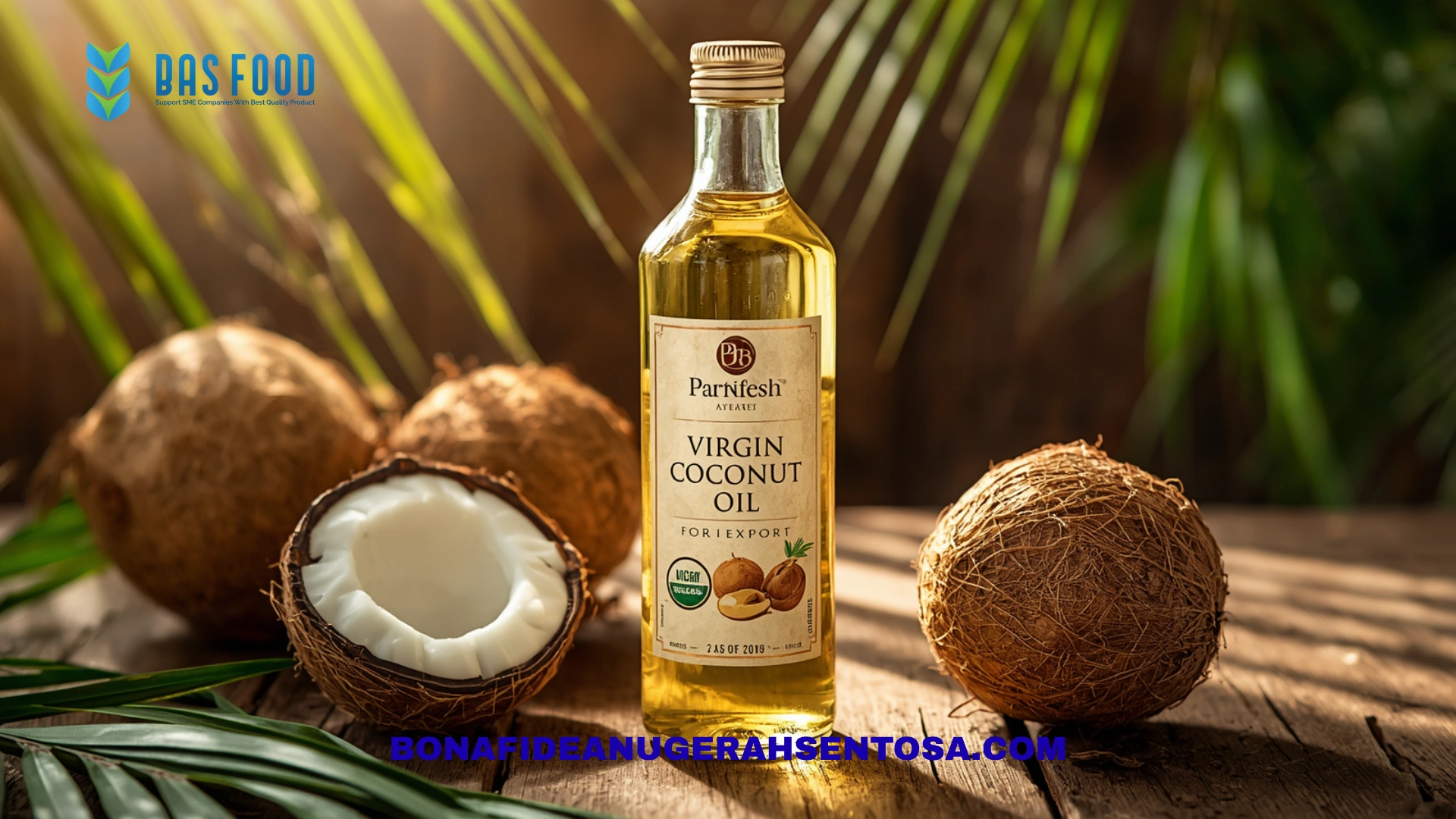
What Is Private Label Virgin Coconut Oil?
Private label virgin coconut oil refers to virgin coconut oil that is manufactured by one company and sold under another company’s brand name.
Instead of building a production facility, sourcing raw materials, and managing manufacturing operations, brand owners work with an experienced producer that handles production and packaging. The buyer focuses on branding, marketing, distribution, and customer acquisition.
This business model allows companies to enter the market much faster than developing products from scratch. It also reduces operational complexity and minimizes investment requirements.
Private label programs have become increasingly popular in the food, beauty, wellness, and personal care industries. As consumer demand for natural products continues to rise, private label virgin coconut oil presents an attractive opportunity for businesses of all sizes.
Whether a company operates an e-commerce store, health supplement brand, beauty business, or retail chain, private label solutions provide a scalable path to growth.
Why Virgin Coconut Oil Remains a High-Demand Product
Virgin coconut oil has maintained strong global demand because of its versatility and broad consumer appeal.
Unlike highly processed oils, virgin coconut oil is extracted from fresh coconut meat without chemical refining, bleaching, or deodorization. This natural production process helps preserve its characteristic aroma and quality.
Consumers increasingly associate virgin coconut oil with clean-label and natural product trends. As a result, it continues to gain popularity across multiple industries.
The food industry uses virgin coconut oil in cooking products, health foods, nutritional supplements, and functional formulations. Meanwhile, cosmetic manufacturers incorporate it into skincare and haircare products.
The wellness sector also relies heavily on virgin coconut oil because consumers actively seek plant-based and naturally sourced ingredients. These diverse applications help maintain strong market demand year after year.
For businesses considering private labeling opportunities, virgin coconut oil represents a product category with substantial long-term potential.
Understanding the Difference Between Private Label and Coconut Oil OEM
Many buyers encounter the terms private label and coconut oil OEM during supplier research. Although these concepts are closely related, there are important distinctions.
Private label manufacturing generally involves selecting an existing product formulation that is packaged under the buyer’s brand name. The manufacturer already produces the product and simply applies customized branding.
OEM, which stands for Original Equipment Manufacturer, often involves greater customization. In a coconut oil OEM arrangement, buyers may request unique packaging designs, specialized formulations, custom specifications, or additional product development services.
For example, a beauty company may request a customized virgin coconut oil formulation designed specifically for skincare applications. In this case, the manufacturer develops and produces the product according to the buyer’s requirements.
Both models offer significant advantages. However, OEM services generally provide more flexibility for brands seeking product differentiation.
Understanding these differences helps buyers choose the most suitable approach based on their business objectives.
Benefits of Choosing a Private Label Virgin Coconut Oil Program
Many businesses prefer private labeling because it reduces barriers to market entry.
One of the biggest advantages is speed. Companies can launch products much faster than building their own manufacturing capabilities.
Instead of spending years developing infrastructure, businesses can focus on branding, sales, and customer relationships.
Another major benefit is cost efficiency. Manufacturing facilities require substantial investments in equipment, labor, certifications, quality control systems, and regulatory compliance. Private label programs eliminate many of these expenses.
Additionally, established manufacturers already possess production expertise and quality assurance systems. This helps ensure product consistency and reliability.
Private labeling also allows businesses to test new markets with lower financial risk. Brands can evaluate customer demand before making larger investments.
As competition increases across wellness and natural product sectors, private label solutions continue to attract entrepreneurs and established companies alike.
The Production Process Behind Premium Virgin Coconut Oil
Understanding how virgin coconut oil is produced helps buyers evaluate supplier quality.
The process begins with carefully selected mature coconuts. These coconuts contain high oil content and provide optimal raw material for extraction.
After harvesting, producers remove the husks and shells before processing the fresh coconut meat. The coconut meat is then used to produce coconut milk, which serves as the source of virgin coconut oil.
Manufacturers may use several extraction methods, including:
Cold Press Extraction
Cold pressing minimizes heat exposure and helps preserve the natural characteristics of the oil.
Fermentation Method
This traditional approach uses natural separation techniques without chemical additives.
Centrifuge Technology
Modern facilities often use centrifuge systems to achieve consistent quality and efficient production.
Once extracted, the oil undergoes filtration, quality testing, and packaging before shipment.
Premium private label programs typically source virgin coconut oil from facilities that maintain strict quality control standards throughout the production process.
Industries That Use Private Label Virgin Coconut Oil
The flexibility of virgin coconut oil creates opportunities across multiple industries.
Health and Wellness Brands
Many wellness companies market virgin coconut oil as part of broader natural lifestyle product lines.
Private labeling allows these brands to expand their portfolios without investing in manufacturing operations.
Cosmetic Companies
Beauty brands frequently incorporate virgin coconut oil into:
- Face creams
- Body lotions
- Hair treatments
- Lip balms
- Massage oils
Customized packaging and branding help create unique market positioning.
Food Manufacturers
Food companies often use private label virgin coconut oil for:
- Retail cooking oils
- Functional foods
- Organic product lines
- Specialty food categories
- Retail Chains
Supermarkets and health stores increasingly develop private-label product lines to improve profitability and customer loyalty.
Virgin coconut oil remains a popular choice within these programs.
What to Look for in a VCO Supplier
Choosing the right VCO supplier is one of the most important decisions in any private label project.
Product quality should always be the top priority. Buyers should request product specifications, certificates of analysis, and samples before committing to production.
Reliable suppliers maintain strict quality assurance systems and perform regular testing to ensure consistency.
Certifications are another important consideration. Depending on the target market, buyers may require:
- HACCP
- GMP
- Halal
- Kosher
- Organic Certification
Production capacity is equally important. A supplier should be able to support both current requirements and future growth.
Finally, evaluate communication and responsiveness. Strong supplier relationships often contribute significantly to long-term business success.
Packaging Options for Private Label Virgin Coconut Oil
Packaging plays a critical role in product presentation and consumer perception.
Most private label manufacturers offer a variety of packaging formats to accommodate different market segments.
Common retail packaging options include:
- Glass bottles
- PET bottles
- HDPE containers
- Pump bottles
- Cosmetic jars
For wholesale and industrial buyers, larger packaging formats may include:
- Jerry cans
- Plastic drums
- Steel drums
- Intermediate Bulk Containers (IBC)
Many suppliers also provide customized label design and branding support.
Selecting the right packaging helps businesses strengthen brand identity and improve shelf appeal.
Why Indonesia Is a Leading Destination for Private Label Virgin Coconut Oil
Indonesia is one of the world’s largest producers of coconuts and coconut-derived products.
Its tropical climate supports year-round coconut cultivation, ensuring a stable supply of raw materials for virgin coconut oil production.
Indonesian producers combine traditional coconut farming knowledge with modern manufacturing technologies. This combination helps deliver high-quality products while maintaining competitive pricing.
Many Indonesian manufacturers have also invested in international certifications and export-focused operations. As a result, buyers can source premium-quality virgin coconut oil while meeting global regulatory requirements.
Additionally, Indonesia’s established export infrastructure supports efficient shipping to markets across Europe, North America, Asia, Australia, and the Middle East.
These advantages make Indonesia one of the most attractive sourcing destinations for private label virgin coconut oil programs.
How Private Label Programs Help Businesses Scale Faster
Launching a new product line can be challenging. However, private label solutions simplify many aspects of the process.
Businesses can focus their resources on:
- Brand development
- Marketing campaigns
- Customer acquisition
- Distribution channels
- Market expansion
Meanwhile, manufacturing partners handle production, quality control, packaging, and compliance requirements.
This division of responsibilities allows companies to scale more efficiently and respond quickly to market opportunities.
For startups, private labeling reduces financial risk. For established businesses, it creates opportunities to expand product portfolios and enter new markets.
As global demand for natural wellness products continues to grow, private label virgin coconut oil remains an increasingly attractive business model.
Partner with a Trusted Private Label Virgin Coconut Oil Supplier from Indonesia
For businesses seeking reliable private label solutions, selecting an experienced supplier is essential.
CV Bonafide Anugerah Sentosa provides premium virgin coconut oil and supports international buyers seeking private label and export opportunities. The company works closely with trusted producers throughout Indonesia to ensure quality, consistency, and reliable supply.
In addition to virgin coconut oil, CV Bonafide Anugerah Sentosa supplies coconut sugar, organic coconut sugar, coconut nectar, coconut milk products, spices, coffee, and fishery products for global markets.
Whether you are developing a wellness brand, launching a beauty product line, expanding retail offerings, or exploring coconut oil OEM opportunities, partnering with a trusted Indonesian exporter can help accelerate business growth.
Conclusion
The growing demand for natural health, beauty, and food products continues to create strong opportunities for businesses worldwide. Private label virgin coconut oil offers an efficient pathway for entrepreneurs, distributors, retailers, and established brands to enter this expanding market.
By partnering with an experienced VCO supplier, companies can launch high-quality products without the challenges of building manufacturing infrastructure. Furthermore, coconut oil OEM programs provide additional flexibility for businesses seeking customized solutions and stronger market differentiation.
As consumer interest in natural and sustainable products continues to rise, private label virgin coconut oil remains one of the most promising opportunities in the global wellness economy.