
The global food, cosmetic, and wellness industries are undergoing a significant transformation. Consumers today are more conscious about the ingredients they use and consume. They want products that are natural, sustainably sourced, minimally processed, and certified according to international standards. As a result, organic products have become one of the fastest-growing categories worldwide. Among these products, organic virgin coconut oil has emerged as a premium ingredient with strong demand across multiple industries. Food manufacturers use it in health-focused products, while cosmetic brands rely on its versatility for skincare and haircare formulations. At the same time, supplement companies continue to incorporate organic virgin coconut oil into wellness products that appeal to health-conscious consumers. For importers, wholesalers, distributors, and private-label companies, finding a reliable organic virgin coconut oil supplier is essential. Product quality, certification, consistency, and supply chain reliability can directly impact business success. This comprehensive guide explains everything global buyers need to know about sourcing organic virgin coconut oil and why Indonesia has become one of the world’s most trusted origins for this valuable product.
What Is Organic Virgin Coconut Oil?
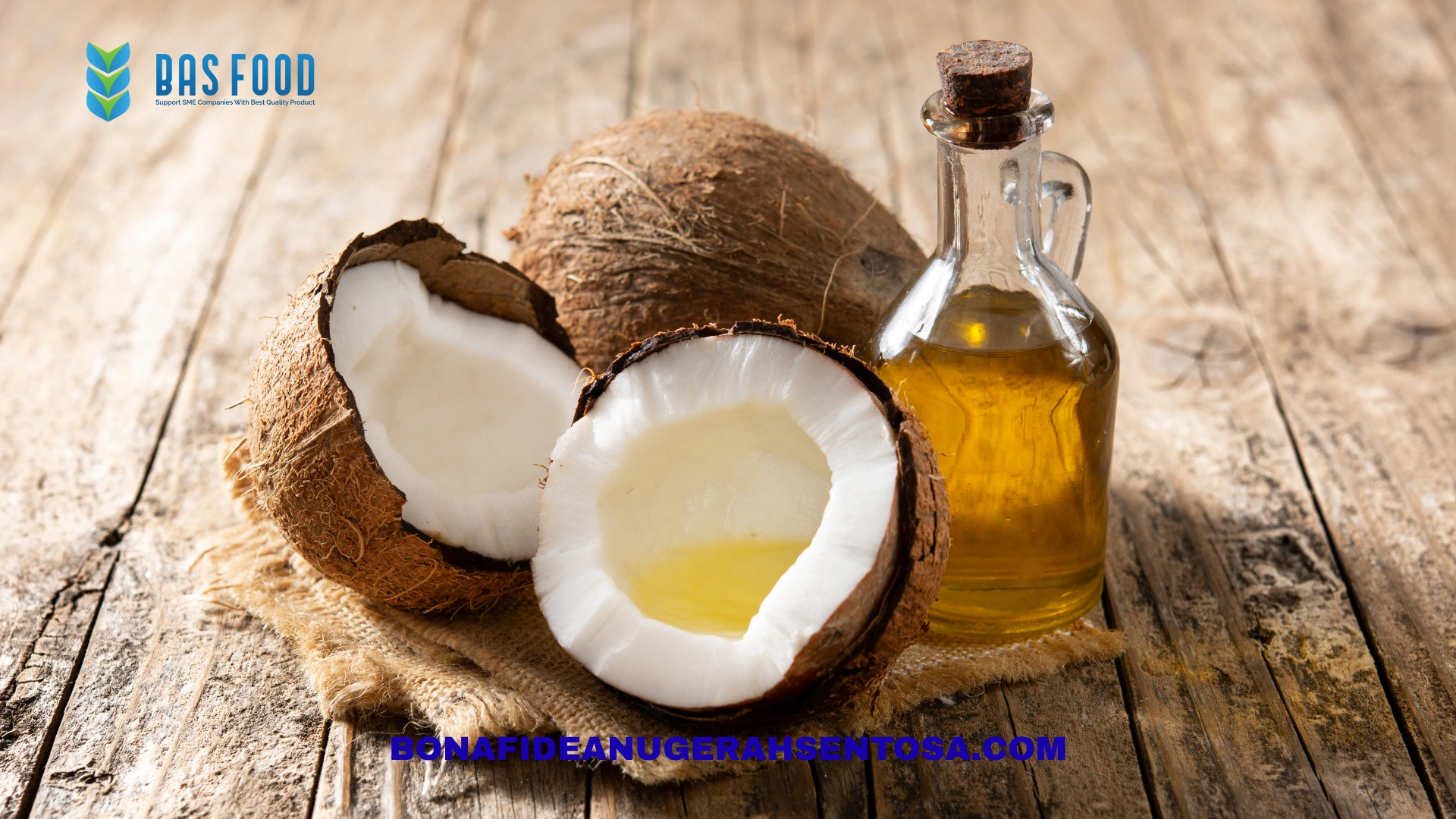
Organic virgin coconut oil is a premium coconut oil extracted from fresh organic coconuts without chemical refining, bleaching, deodorizing, or hydrogenation. Unlike conventional coconut oil, organic VCO is produced from coconuts grown according to organic agricultural standards.
Farmers cultivate organic coconuts without synthetic pesticides, chemical fertilizers, or genetically modified organisms. Throughout the production process, strict controls ensure that the product maintains its organic integrity from farm to final packaging.
Virgin coconut oil itself is already valued for its natural processing method. However, organic certification adds another layer of quality assurance. It demonstrates that the entire production chain follows recognized organic standards that meet international market requirements.
Because consumers increasingly prefer products with transparent sourcing and clean-label ingredients, organic virgin coconut oil has become a preferred choice in many premium product categories. This growing demand continues to create opportunities for suppliers and exporters worldwide.
Why Organic Certification Matters in the Global Market
Organic certification has become much more than a marketing tool. Today, it serves as a critical purchasing requirement for many international buyers.
Retailers, food manufacturers, and cosmetic brands often seek suppliers that can provide certified organic ingredients because consumers trust recognized certification systems. When buyers purchase products from a trusted organic virgin coconut oil supplier, they gain confidence that the product meets specific production and quality standards.
Organic certification also helps businesses access premium market segments. Many consumers are willing to pay more for products carrying organic labels because they associate them with higher quality, environmental responsibility, and healthier lifestyles.
Furthermore, many countries have strict regulations regarding organic labeling. Therefore, working with a supplier that understands certification requirements helps importers avoid compliance issues while simplifying market entry.
As demand for organic products continues to grow globally, certified organic virgin coconut oil remains one of the most attractive ingredients for brands looking to strengthen their product portfolios.
Understanding the Production Process of Certified Organic VCO
The quality of organic virgin coconut oil begins at the farm level. Every step in the production process plays a role in maintaining product integrity and meeting certification requirements.
Organic coconut farming starts with healthy soil management and sustainable agricultural practices. Farmers avoid synthetic chemicals and instead use natural methods to support coconut tree growth and productivity.
After harvesting, mature coconuts are carefully selected and transported to processing facilities. Fresh coconut meat is then processed to extract coconut milk, which serves as the raw material for VCO production.
Several methods can be used to produce certified organic VCO, including cold pressing, fermentation, and centrifuge extraction. Each method aims to preserve the oil’s natural characteristics while avoiding harsh processing techniques.
The extracted oil is then filtered and tested to ensure it meets quality specifications. Finally, the product is packaged in food-grade containers and prepared for export. Throughout this process, strict documentation and traceability systems help maintain organic certification compliance.
Why Indonesia Is a Leading Organic Virgin Coconut Oil Supplier
Indonesia is one of the largest coconut-producing countries in the world. The country’s tropical climate, fertile soil, and vast coconut-growing regions create ideal conditions for organic coconut cultivation.
Millions of coconut trees grow across Indonesia, particularly in Java, Sumatra, Sulawesi, Maluku, and other tropical islands. This abundant supply of raw materials provides a strong foundation for large-scale organic VCO production.
In addition, Indonesian farmers possess generations of experience in coconut cultivation. Many coconut-growing communities continue to practice traditional farming methods that naturally align with organic agriculture principles.
Over the years, Indonesian producers have invested heavily in modern processing facilities and international certifications. As a result, many exporters can now provide high-quality certified organic VCO that meets the requirements of buyers in Europe, North America, Asia, Australia, and the Middle East.
These advantages have helped Indonesia establish itself as a trusted source of organic virgin coconut oil for international markets.
Key Characteristics of High-Quality Organic Virgin Coconut Oil
Not all organic VCO products are created equal. Buyers should understand the characteristics that distinguish premium-quality oil from lower-grade alternatives.
One of the most important indicators is appearance. High-quality organic virgin coconut oil should be clear and transparent when stored above its melting point. Excessive cloudiness may indicate impurities or poor processing.
A pleasant natural coconut aroma is another sign of quality. Fresh VCO retains the subtle fragrance of coconut without any rancid or unusual odors.
Premium organic VCO should also have low moisture content. Reduced moisture helps improve shelf life and minimizes the risk of microbial growth during storage and transportation.
Additionally, reputable suppliers conduct regular laboratory testing to verify product quality, purity, and compliance with international standards. Buyers should always request technical specifications and quality documentation before making purchasing decisions.
Applications of Organic Virgin Coconut Oil Across Industries
One reason demand for organic virgin coconut oil continues to increase is its versatility. Manufacturers across multiple industries use this ingredient in a wide range of products.
Food and Beverage Industry
Food manufacturers use organic VCO in:
- Functional foods
- Organic snacks
- Nutritional supplements
- Health products
- Cooking oils
- Vegan formulations
Its clean-label appeal makes it particularly attractive for premium food products.
Cosmetic Industry
The beauty industry represents one of the largest markets for organic VCO.
Manufacturers incorporate it into:
- Face creams
- Body lotions
- Hair conditioners
- Lip balms
- Natural soaps
- Skin moisturizers
Consumers often prefer products containing natural and organic ingredients, which continues to drive demand in this sector.
Wellness and Nutraceutical Industry
Organic VCO is also widely used in dietary supplements and wellness products. As consumer interest in healthy lifestyles grows, manufacturers continue to develop new applications for this versatile ingredient.
Benefits of Working with a Reliable Organic Virgin Coconut Oil Supplier
Choosing the right supplier can significantly impact product quality, supply stability, and customer satisfaction.
A professional organic virgin coconut oil supplier offers consistent product specifications and maintains strict quality control systems. This consistency helps manufacturers produce reliable products that meet consumer expectations.
Reliable suppliers also provide comprehensive documentation, including certificates of analysis, organic certificates, product specifications, and export paperwork. These documents simplify import procedures and regulatory compliance.
Furthermore, experienced suppliers understand international logistics and can help buyers navigate shipping requirements, packaging options, and customs documentation.
By establishing long-term partnerships with trusted suppliers, businesses can reduce sourcing risks while improving supply chain efficiency.
What Global Buyers Should Look for When Sourcing Organic VCO
Selecting the right supplier requires careful evaluation.
First, buyers should verify organic certification status. Certifications should come from recognized organizations and remain valid for target export markets.
Second, assess the supplier’s production capacity. Consistent supply is essential for growing brands and manufacturers.
Third, evaluate quality assurance systems. Reliable suppliers routinely conduct laboratory testing to verify product safety and compliance.
Fourth, review export experience. Companies with extensive export knowledge are often better equipped to handle documentation, logistics coordination, and international requirements.
Finally, examine traceability systems. Strong traceability practices provide greater transparency and strengthen buyer confidence.
These factors help ensure successful sourcing relationships and long-term business growth.
Sustainability and Ethical Sourcing in Organic Coconut Production
Sustainability has become an important consideration for many international buyers.
Organic coconut farming supports environmentally responsible agricultural practices by reducing reliance on synthetic chemicals and encouraging natural ecosystem management.
Additionally, coconut trees remain productive for many years, making coconut farming a sustainable agricultural activity when properly managed.
Ethical sourcing also plays a growing role in purchasing decisions. Many buyers prefer suppliers that work closely with farming communities and support fair economic opportunities for rural producers.
By sourcing organic virgin coconut oil from responsible suppliers, businesses can align their procurement strategies with sustainability goals while meeting consumer expectations.
Why Certified Organic VCO Is a Growing Opportunity for Global Brands
Consumer demand for organic products continues to increase across nearly every major market. Food companies, cosmetic manufacturers, and wellness brands are actively searching for ingredients that support clean-label positioning and sustainable sourcing claims.
As a result, certified organic VCO has become a strategic ingredient for companies seeking competitive advantages. Products containing organic virgin coconut oil often appeal to consumers who prioritize quality, transparency, and environmental responsibility.
This trend is expected to continue as global awareness of natural and organic products expands. Brands that incorporate certified organic ingredients into their formulations are likely to benefit from growing market demand and stronger consumer trust.
For importers and distributors, securing a dependable source of organic VCO today can help support long-term growth opportunities in the future.
Partner with a Trusted Organic Virgin Coconut Oil Supplier from Indonesia
For companies seeking premium-quality organic virgin coconut oil, choosing an experienced supplier is essential.
CV Bonafide Anugerah Sentosa is an Indonesian exporter specializing in coconut-derived products, including organic virgin coconut oil, coconut sugar, organic coconut sugar, coconut milk products, desiccated coconut, and other agricultural commodities.
The company works closely with producers and farming communities to ensure product quality, traceability, and compliance with international standards. Through reliable sourcing and export expertise, CV Bonafide Anugerah Sentosa helps global buyers access premium coconut products from Indonesia.
Whether you are a food manufacturer, cosmetic company, wholesaler, distributor, or private-label brand, partnering with a trusted Indonesian supplier can strengthen your supply chain and support long-term business success.
Conclusion
The global market for organic virgin coconut oil continues to grow as consumers demand cleaner, more natural, and sustainably sourced ingredients. For businesses seeking premium-quality coconut products, working with a trusted organic virgin coconut oil supplier offers significant advantages.
Indonesia remains one of the world’s leading sources of organic VCO thanks to its abundant coconut resources, experienced producers, and strong export capabilities. By choosing a reliable supplier that offers certified organic VCO, buyers can ensure product quality, regulatory compliance, and supply chain stability.
As demand for organic products continues to expand across food, cosmetic, wellness, and personal care industries, organic virgin coconut oil is positioned to remain one of the most valuable coconut-based ingredients in global markets.