
In the global food industry, quality is not optional. It is the foundation of trust, compliance, and long-term business success. For importers and manufacturers, choosing the right supplier goes beyond price and availability. It requires a deep understanding of quality standards, certifications, and production consistency. This guide explains the quality standards offered by a professional desiccated coconut supplier. It is designed for B2B buyers who want to ensure their sourcing decisions meet international requirements. We will explore every aspect of desiccated coconut supplier quality, including compliance with EU standards coconut and FDA coconut compliance.
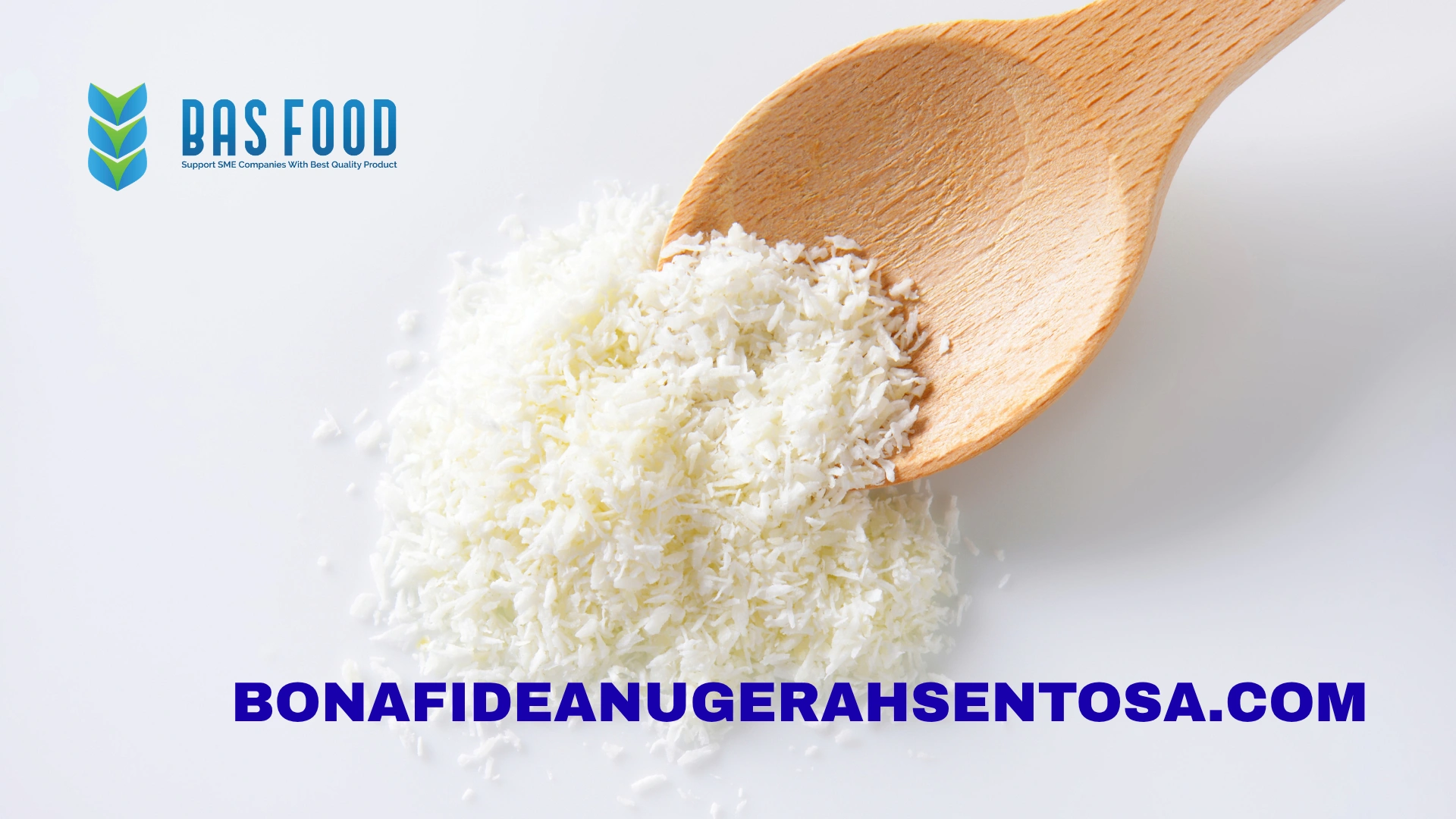
Why Quality Standards Matter in Desiccated Coconut Trade
Desiccated coconut is widely used in bakery, confectionery, dairy alternatives, and ready-to-eat products. Because it is a food-grade ingredient, it must meet strict safety and quality standards.
Poor-quality coconut can lead to serious issues. For example, high moisture content can cause mold growth. Contamination can result in product recalls. Inconsistent texture can affect production performance. Therefore, maintaining strong desiccated coconut supplier quality is essential.
Moreover, global markets demand compliance. Buyers in Europe and the United States expect suppliers to meet strict regulatory requirements. Without proper standards, products may be rejected at ports or fail to enter the market.
This is why professional suppliers invest heavily in quality systems. They understand that quality is not just about the product. It is about reliability, safety, and long-term partnerships.
Raw Material Selection: The First Step in Quality Control
Every high-quality product starts with the right raw materials. For desiccated coconut, this means fresh, mature coconuts sourced from reliable plantations.
A professional supplier ensures that coconuts are harvested at the correct maturity level. Mature coconuts provide the right oil content, texture, and flavor. Immature coconuts can lead to poor-quality output.
Timing also plays a critical role. Coconuts must be processed quickly after harvesting to maintain freshness. Delays can cause spoilage and affect the final product quality.
Suppliers who focus on desiccated coconut supplier quality establish strong relationships with farmers. They often implement strict sourcing guidelines and conduct regular inspections. This ensures consistent raw material supply and stable product quality.
Processing Excellence: From Coconut Meat to Export-Grade Product
Processing is where quality is either preserved or lost. A professional desiccated coconut supplier follows a controlled and hygienic production process.
The process includes several key steps:
- Dehusking and shell removal
- Washing with clean water
- Sterilization to eliminate contaminants
- Grinding or shredding into desired sizes
- Drying under controlled temperatures
- Cooling and packaging
Each step must meet strict hygiene standards. Modern facilities use stainless steel equipment and automated systems to reduce contamination risks.
Drying is especially important. The supplier must control temperature and time carefully. Overheating can damage flavor and color. Under-drying can leave excess moisture, which reduces shelf life.
Strong processing systems are a core part of desiccated coconut supplier quality. They ensure that every batch meets the same standards.
Key Product Specifications: Measuring Quality with Precision
Professional suppliers define quality through clear and measurable specifications. These specifications help buyers understand exactly what they are purchasing.
Important parameters include:
- Moisture content (typically below 3%)
- Oil content
- Particle size (fine, medium, coarse)
- Color (white to creamy white)
- Odor (fresh and natural)
- Microbiological limits
Consistency across these parameters is essential. Buyers rely on uniform quality to maintain their production processes.
A supplier committed to desiccated coconut supplier quality provides detailed technical data sheets. They also offer product samples for testing. This allows buyers to verify quality before making large purchases.
Clear specifications reduce misunderstandings and build trust between supplier and buyer.
EU Standards Coconut: Meeting European Market Requirements
The European market has some of the strictest food safety regulations in the world. Suppliers must comply with EU standards coconut to access this market.
Key requirements include:
- Compliance with food safety regulations such as EC No. 852/2004
- Limits on pesticide residues
- Strict microbiological standards
- Traceability from farm to final product
European buyers also expect transparency. Suppliers must provide documentation, including certificates of analysis and origin.
Meeting EU standards coconut requires strong internal systems. Suppliers must monitor every stage of production and maintain detailed records.
For B2B buyers, working with a supplier who understands these standards reduces risk and ensures smooth market entry.
FDA Coconut Compliance: Accessing the U.S. Market
The United States is another major market with strict requirements. Suppliers must meet FDA coconut compliance to export desiccated coconut to the U.S.
Key elements include:
- Registration with the Food and Drug Administration
- Compliance with the Food Safety Modernization Act (FSMA)
- Implementation of preventive controls
- Proper labeling and documentation
FDA regulations focus heavily on risk prevention. Suppliers must identify potential hazards and implement control measures throughout the production process.
A professional supplier integrates FDA coconut compliance into their operations. They conduct regular audits and maintain strict quality control systems.
For importers, this ensures that products meet U.S. standards and avoid regulatory issues.
Certifications: Proof of Quality and Trust
Certifications provide independent verification of quality. They show that a supplier meets international standards.
Common certifications include:
- HACCP (Hazard Analysis and Critical Control Points)
- ISO 22000 or ISO 9001
- Halal certification
- Organic certification (if applicable)
These certifications are essential for building trust. They demonstrate that the supplier follows structured and controlled processes.
A supplier focused on desiccated coconut supplier quality maintains up-to-date certifications and undergoes regular audits. This ensures continuous improvement and compliance.
For buyers, certifications simplify supplier evaluation and reduce risk.
Quality Control Systems: Ensuring Consistency Every Time
Quality control does not stop at production. It continues throughout the entire supply chain.
Professional suppliers implement strict quality control systems, including:
- Raw material inspection
- In-process monitoring
- Final product testing
- Laboratory analysis
They test for moisture, microbial levels, and physical characteristics. These tests ensure that every batch meets required standards.
Consistency is the key goal. Buyers expect the same quality in every shipment. A supplier with strong quality control systems can deliver this reliability.
This level of control defines true desiccated coconut supplier quality and sets professional suppliers apart.
Packaging and Storage: Protecting Quality Until Delivery
Packaging plays a critical role in maintaining product quality. Desiccated coconut is sensitive to moisture and contamination.
Professional suppliers use:
- Food-grade inner liners
- Multi-layer kraft bags
- Sealed packaging systems
These materials protect the product during transportation.
Storage conditions are equally important. Suppliers must keep products in dry, clean environments. Proper storage prevents spoilage and maintains shelf life.
A supplier committed to desiccated coconut supplier quality ensures that packaging and storage meet international standards.
Traceability and Transparency: Building Buyer Confidence
Traceability is a key requirement in modern food supply chains. Buyers want to know where their products come from and how they are produced.
Professional suppliers implement traceability systems that track products from farm to shipment. This allows quick identification of any issues.
Transparency also builds trust. Suppliers should provide clear documentation, including:
- Certificates of analysis
- Production records
- Shipping documents
Strong traceability systems support compliance with EU standards coconut and FDA coconut compliance.
For buyers, this reduces risk and improves supply chain visibility.
Choosing the Right Partner: Beyond Quality Standards
While quality standards are essential, choosing the right supplier involves more than technical factors.
A professional supplier offers:
- Strong communication
- Reliable delivery schedules
- Flexible solutions
- Long-term partnership mindset
CV Bonafide Anugerah Sentosa is a trusted Indonesian exporter specializing in coconut-based products. The company focuses on maintaining high desiccated coconut supplier quality through strict processing, certification, and quality control systems.
Partnering with the right supplier ensures not only product quality but also business growth.
Conclusion: Quality as the Core of Global Success
Quality defines success in the desiccated coconut industry. It affects product performance, regulatory compliance, and customer satisfaction.
By understanding desiccated coconut supplier quality, buyers can make informed sourcing decisions. They can also ensure compliance with EU standards coconut and FDA coconut compliance.
Focus on:
- Raw material quality
- Processing standards
- Certifications
- Quality control systems
- Packaging and traceability
These factors will help you build a reliable and sustainable supply chain.
In global trade, quality is not just a requirement. It is a competitive advantage.