
The global food industry continues to evolve. Today, buyers are not only focused on price and supply capacity. They also pay close attention to product origin, certifications, and sustainability. As a result, the debate between organic and conventional desiccated coconut has become more important than ever. For importers, distributors, and food manufacturers, choosing the right supplier is a strategic decision. Should you work with an organic desiccated coconut supplier, or should you choose a conventional supplier that offers lower costs and wider availability? The answer depends on your target market, product positioning, and long-term business goals.
This article explores the differences between organic and conventional desiccated coconut. It explains certifications, production methods, pricing, and market demand. It also helps buyers understand how organic coconut certification impacts international trade and how non organic coconut products still play a major role in the global market.
Understanding Desiccated Coconut and Its Global Demand
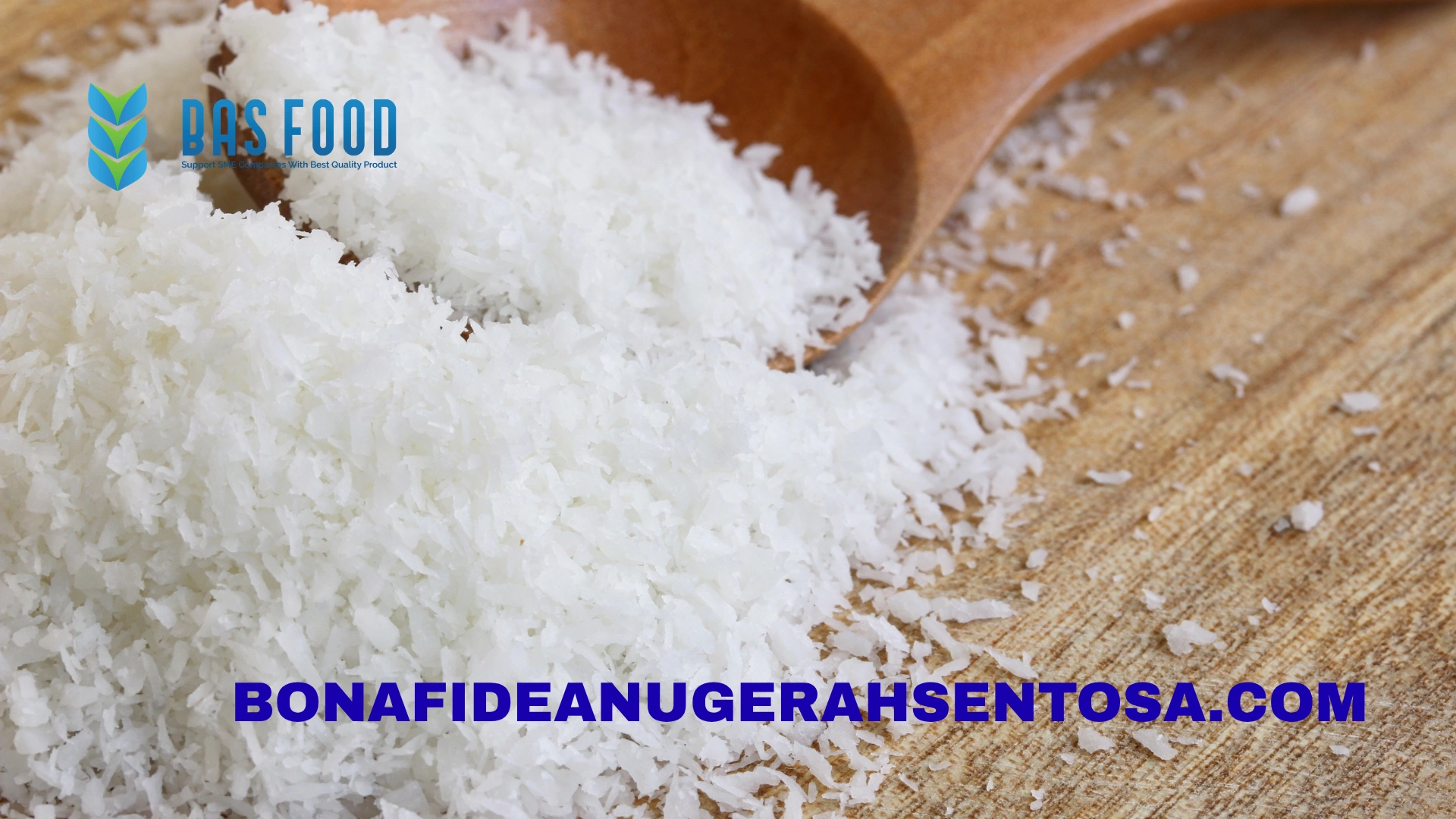
Desiccated coconut is made from fresh coconut meat that has been grated, dried, and processed into different cuts and textures. It is widely used in bakery products, confectionery, cereals, snacks, and ready-to-eat foods.
Over the last decade, global demand for desiccated coconut has increased significantly. Food manufacturers are looking for natural and plant-based ingredients that provide both functionality and flavor. Desiccated coconut meets these requirements because it offers texture, taste, and long shelf life.
At the same time, consumer awareness about food sourcing is growing. Buyers are paying more attention to how products are cultivated and processed. This trend has created two major market segments: organic and conventional.
An organic desiccated coconut supplier focuses on producing coconut products without synthetic pesticides or chemical fertilizers. In contrast, suppliers of non organic coconut products use conventional farming methods that prioritize efficiency and higher yields.
Both segments have strong demand. However, understanding their differences is essential before making purchasing decisions.
What Makes Organic Desiccated Coconut Different?
Organic desiccated coconut is produced using farming methods that avoid synthetic chemicals and genetically modified organisms. Every stage, from cultivation to processing, must follow strict organic standards.
One of the key differences lies in farming practices. Organic coconut farms rely on natural compost, biological pest control, and sustainable land management. These practices aim to preserve soil health and environmental balance.
In addition, processing facilities must prevent contamination between organic and conventional products. This means production lines often require separate handling systems and detailed documentation.
An organic desiccated coconut supplier must also comply with strict inspection processes. Certification bodies regularly audit farms and factories to ensure compliance with organic regulations.
These requirements increase production costs. However, they also create added value for buyers targeting premium food markets.
Conventional Desiccated Coconut: Why It Still Dominates the Market
Although organic products are growing in popularity, conventional desiccated coconut still dominates global trade.
One major reason is price competitiveness. Conventional farming methods typically produce higher yields, which lowers production costs. This makes non organic coconut products more affordable for large-scale food manufacturers.
In addition, conventional supply chains are often larger and more established. Suppliers can handle bigger volumes and shorter lead times, which is important for industrial buyers.
Many manufacturers also prioritize functionality over organic positioning. For example, bakery and snack producers may focus more on consistency, moisture content, and texture rather than organic certification.
As a result, conventional desiccated coconut remains the preferred option for many mass-market food products.
Organic Coconut Certification Explained
Certification is one of the most important aspects of organic trade.
Without valid certification, a supplier cannot legally market products as organic in many international markets. This is why choosing a trusted organic desiccated coconut supplier is critical.
Major Organic Certifications
Different countries and regions use different organic standards. Some of the most recognized certifications include:
- USDA Organic for the United States
- EU Organic Certification for Europe
- JAS Organic Certification for Japan
These certifications confirm that the product meets strict organic requirements.
Inspection and Traceability
Certification bodies inspect farms, processing facilities, and supply chains. They review farming methods, storage systems, and documentation.
Traceability is also essential. Suppliers must track products from farm to export shipment. This ensures transparency and prevents mixing with non organic coconut products.
Why Certification Matters
Organic certification builds trust with buyers and consumers. It also allows products to enter premium retail and health-focused markets.
However, certification comes with additional costs and administrative work. Buyers should understand these factors when comparing suppliers.
Price Differences: Organic vs Conventional
Price is one of the biggest deciding factors for buyers.
Organic desiccated coconut generally costs more than conventional products. Several factors contribute to this difference.
- First, organic farming often produces lower yields. Farmers cannot rely on synthetic fertilizers or pesticides, which may reduce productivity.
- Second, certification and inspections add operational costs. Maintaining compliance with organic coconut certification standards requires time and investment.
- Third, organic processing facilities often need separate production lines and storage systems to avoid contamination.
On the other hand, non organic coconut products benefit from economies of scale. Conventional farming methods allow suppliers to produce larger volumes at lower costs.
For buyers, the key question is whether the premium price aligns with market demand and brand positioning.
Market Trends Driving Organic Demand
The demand for organic ingredients is increasing worldwide.
Consumers are becoming more health-conscious and environmentally aware. Many prefer products that are perceived as natural and sustainable.
This trend is especially strong in Europe, North America, and parts of Asia. Retailers and food brands are responding by expanding their organic product lines.
As a result, the role of an organic desiccated coconut supplier is becoming more important. Suppliers who can provide certified and traceable products are gaining access to premium markets.
However, the market for non organic coconut products remains strong. Many consumers still prioritize affordability and product availability.
Therefore, both segments continue to grow, but they serve different market needs.
Quality and Safety Considerations
Quality is essential in both organic and conventional products.
Buyers expect desiccated coconut to meet strict food safety standards, regardless of certification status. This includes low moisture levels, microbiological safety, and freedom from contaminants.
An organic desiccated coconut supplier must meet the same food safety standards as conventional suppliers, in addition to organic requirements.
Laboratory testing and Certificates of Analysis are critical. These documents verify product quality and compliance.
At the same time, buyers should evaluate suppliers based on consistency. Reliable suppliers maintain stable quality across shipments, which is essential for industrial production.
Supply Chain Challenges in Organic Trade
Organic supply chains are often more complex than conventional ones.
One challenge is limited production volume. Organic coconut farming requires specific practices, which can restrict output.
Another challenge is certification management. Suppliers must maintain detailed records and undergo regular audits.
Logistics can also be more difficult. Organic products must remain separated from non organic coconut products during storage and transportation.
Despite these challenges, the organic market offers strong opportunities. Buyers who establish long-term partnerships with reliable suppliers can secure stable supply and premium positioning.
How to Choose the Right Supplier for Your Business
Choosing between organic and conventional suppliers depends on your business goals.
If your target market values sustainability and premium positioning, working with an organic desiccated coconut supplier may be the best choice.
However, if your priority is large-scale production and cost efficiency, conventional products may be more suitable.
Questions to Ask Suppliers
Before selecting a supplier, consider these questions:
- Do they have valid certifications?
- Can they provide consistent volume?
- What quality control systems do they use?
- How do they manage traceability?
- Can they meet your packaging and logistics requirements?
These questions help buyers evaluate both organic and non organic coconut suppliers effectively.
Why Indonesia is a Global Leader in Desiccated Coconut Supply
Indonesia is one of the world’s largest producers of coconut products.
Its tropical climate supports year-round coconut farming, ensuring stable supply. Indonesian exporters also have extensive experience serving global markets.
In addition, many Indonesian suppliers offer both organic and conventional options. This flexibility allows buyers to choose products that match their business needs.
For buyers looking for an organic desiccated coconut supplier, Indonesia provides access to certified farms and experienced exporters.
At the same time, the country remains highly competitive in the non organic coconut segment due to its production capacity and cost advantages.
CV Bonafide Anugerah Sentosa: Your Trusted Coconut Export Partner
Selecting the right supplier is essential for long-term success.
CV Bonafide Anugerah Sentosa is a trusted exporter of coconut-based products from Indonesia. The company focuses on quality, consistency, and international compliance.
With experience in both organic and conventional markets, CV Bonafide Anugerah Sentosa understands the needs of global buyers. The company provides:
- Strict quality control systems
- Reliable production capacity
- Transparent documentation and traceability
- Support for international certifications
Whether you need an organic desiccated coconut supplier or a reliable source of non organic coconut products, CV Bonafide Anugerah Sentosa offers flexible and professional solutions.
Final Thoughts: Which One Should You Choose?
There is no single answer when choosing between organic and conventional desiccated coconut.
Organic products offer premium positioning, sustainability appeal, and growing market demand. However, they also come with higher costs and more complex supply chains.
Conventional products remain dominant because they provide affordability, scalability, and stable supply.
The right choice depends on your market strategy, customer expectations, and production needs.
By understanding certifications, pricing, and supply chain dynamics, buyers can make informed decisions and build successful partnerships in the global coconut industry.