
Virgin coconut oil has become one of the most demanded coconut-derived products in the global market. Buyers from the United States, Europe, the Middle East, and Asia continue searching for reliable suppliers that can provide premium-quality virgin coconut oil with international certifications and stable supply capacity. However, not all virgin coconut oil products meet international expectations. Importers today are more selective because they focus on food safety, product purity, manufacturing consistency, and sustainability. This is why understanding virgin coconut oil quality standards is very important for exporters, manufacturers, wholesalers, and international buyers. For B2B buyers, quality standards are not just technical requirements. They directly affect product performance, shelf life, consumer trust, and import approval. Meanwhile, for exporters, meeting global standards creates opportunities to enter premium markets and build long-term partnerships.
In this article, we will explain everything about virgin coconut oil quality standards, including production methods, quality indicators, international certifications, testing parameters, packaging requirements, and export considerations.
What Is Virgin Coconut Oil?
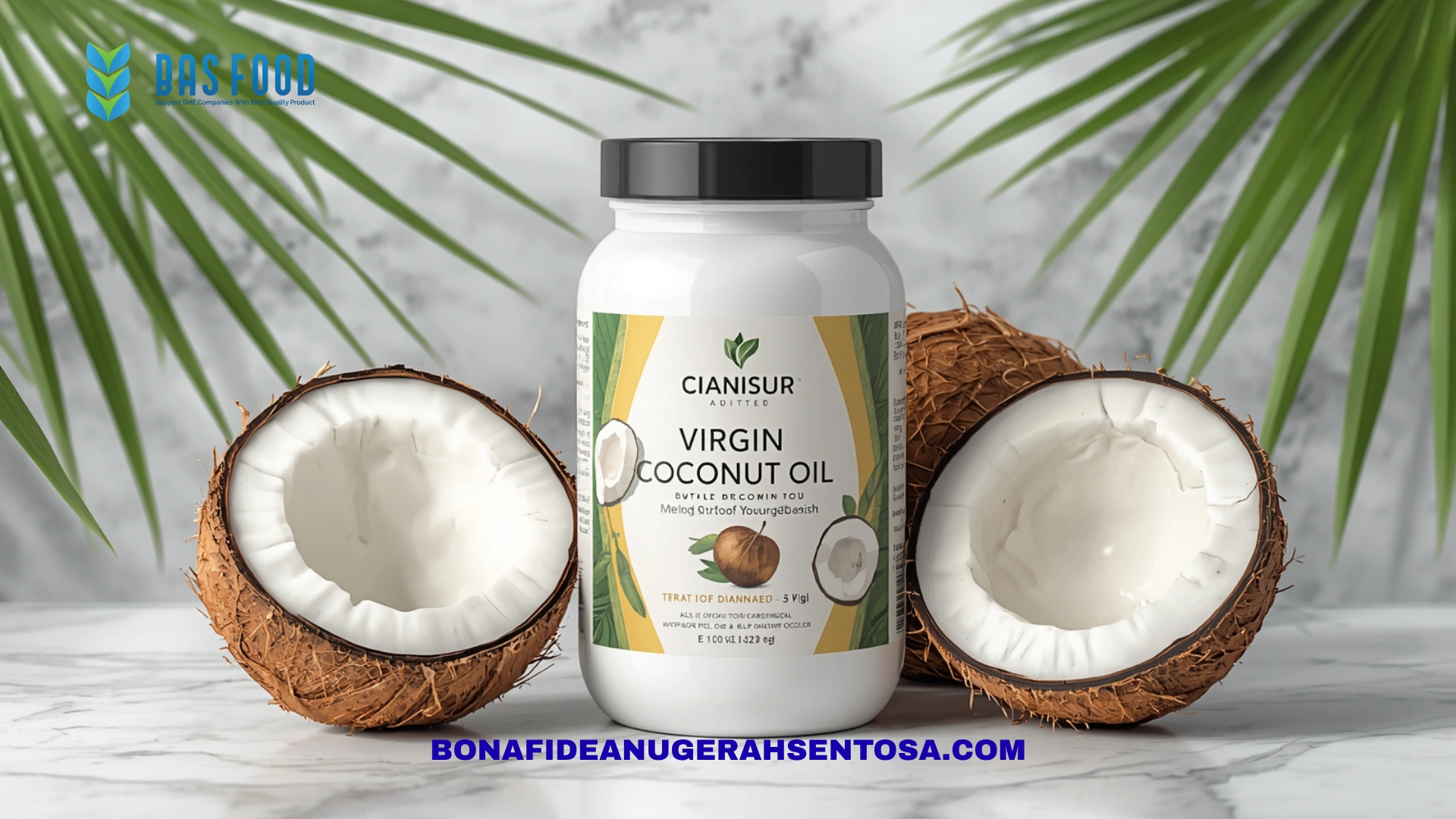
Virgin coconut oil, often called VCO, is natural oil extracted from fresh coconut meat without using high heat or chemical refining processes. Unlike refined coconut oil, virgin coconut oil retains its natural aroma, flavor, antioxidants, and nutrients.
The production process plays an important role in maintaining oil quality. Manufacturers commonly use cold-pressed methods, fermentation techniques, centrifuge extraction, or direct micro expelling systems to preserve the natural properties of the oil.
High-quality VCO usually appears crystal clear in liquid form and white when solidified at cooler temperatures. It also has a fresh coconut aroma without rancid or burnt smells.
Today, virgin coconut oil is widely used in several industries, including:
- Food and beverage
- Cosmetics and skincare
- Pharmaceuticals
- Nutraceutical products
- Organic health products
- Personal care manufacturing
As demand continues growing, international buyers now require suppliers to follow strict virgin coconut oil quality standards before making purchasing decisions.
Why Virgin Coconut Oil Quality Standards Matter
Quality standards help ensure that virgin coconut oil products remain safe, pure, and consistent from production until delivery. In international trade, quality problems can lead to rejected shipments, customer complaints, and financial losses.
For importers, poor-quality coconut oil may contain contaminants, excessive moisture, unpleasant odor, or unstable shelf life. These issues can damage product reputation and create regulatory problems in destination countries.
Meanwhile, exporters that consistently meet export quality requirements gain several advantages:
- Better credibility in global markets
- Higher product value
- Long-term buyer relationships
- Easier market entry
- Stronger brand positioning
- Reduced risk of shipment rejection
International buyers often evaluate suppliers based on production systems, certifications, laboratory testing, and quality management practices. Therefore, suppliers must implement professional manufacturing standards throughout the entire production chain.
Main Parameters in Virgin Coconut Oil Quality Standards
Several technical parameters are commonly used to determine whether virgin coconut oil meets international quality requirements. These indicators help buyers assess purity, freshness, stability, and overall product quality.
Moisture Content
Moisture content is one of the most critical factors in virgin coconut oil quality standards. Excess moisture can accelerate microbial growth and shorten shelf life.
Premium export quality VCO generally contains moisture below 0.1%. Lower moisture levels help maintain product stability during storage and shipping.
Manufacturers usually use laboratory analysis to ensure moisture remains within acceptable limits before export.
Free Fatty Acid (FFA)
Free fatty acid levels indicate oil degradation. High FFA levels may suggest poor raw materials or improper handling during production.
Low FFA content reflects fresh coconuts and proper processing conditions. Most international buyers prefer VCO with FFA levels below 0.5%.
Peroxide Value
Peroxide value measures oxidation levels in the oil. Oxidized oil can develop unpleasant smells and reduced nutritional quality.
Fresh virgin coconut oil should have very low peroxide values because it indicates minimal oxidation during processing and storage.
Color and Appearance
High-quality virgin coconut oil should be clear and transparent when liquid. Cloudiness may indicate contamination or excessive moisture.
Buyers also inspect sediment presence because visible impurities can reduce product acceptance.
Aroma and Taste
Good virgin coconut oil has a natural fresh coconut aroma and mild taste. Strong acidic smells or rancid flavors usually indicate poor handling or oxidation.
Sensory evaluation remains an important part of quality control for many buyers and food manufacturers.
Production Methods That Affect Virgin Coconut Oil Quality
Production techniques significantly influence the final quality of virgin coconut oil. Even high-quality coconuts can produce poor oil if processing conditions are not properly controlled.
Cold Pressed Method
Cold pressing is one of the most popular methods for premium VCO production. This process minimizes heat exposure to preserve nutrients and antioxidants.
Many international buyers prefer cold-pressed virgin coconut oil because it maintains natural quality characteristics and supports clean-label product positioning.
Centrifuge Extraction
Centrifuge systems separate oil from coconut milk using high-speed spinning technology. This method produces highly pure oil with excellent clarity.
Although centrifuge systems require larger investments, they often produce consistent export quality results suitable for premium markets.
Fermentation Method
Traditional fermentation allows coconut milk to naturally separate into oil and water layers. While this method is cost-effective, it requires strict hygiene control to maintain consistent quality.
Without proper management, fermentation may increase microbial risks or affect aroma quality.
Direct Micro Expelling
Modern direct micro expelling systems combine mechanical extraction and controlled processing to improve efficiency and maintain oil purity.
This method is increasingly used by professional exporters aiming to meet international virgin coconut oil quality standards.
The Importance of HACCP and GMP Certification
International buyers increasingly require suppliers to hold recognized food safety certifications. Among the most important certifications are HACCP and GMP certification.
HACCP Certification
HACCP stands for Hazard Analysis and Critical Control Points. This system identifies potential food safety risks throughout the production process.
A HACCP-certified facility demonstrates that the manufacturer follows preventive food safety procedures, including:
- Raw material inspection
- Hygiene monitoring
- Temperature control
- Contamination prevention
- Process documentation
- Product traceability
For importers, HACCP certification increases confidence in supplier reliability and product safety.
GMP Certification
GMP certification refers to Good Manufacturing Practices. It ensures that production facilities operate under controlled and hygienic conditions.
GMP standards cover many operational aspects, such as:
- Facility cleanliness
- Employee hygiene
- Equipment maintenance
- Storage systems
- Production procedures
- Quality documentation
Suppliers with GMP certification are often more attractive to global buyers because they demonstrate professional manufacturing management.
Why Certifications Matter for Export Markets
Many international distributors, supermarkets, and manufacturers only work with certified suppliers. Certifications help simplify import procedures and improve buyer trust.
Additionally, certifications support compliance with food safety regulations in countries such as:
- United States
- Germany
- Netherlands
- Australia
- Japan
- South Korea
- Canada
As competition increases, certifications become important tools for achieving stronger export market positioning.
Export Quality Requirements for Virgin Coconut Oil
The term export quality refers to products that meet international standards in terms of safety, consistency, packaging, and documentation.
Export quality virgin coconut oil usually requires strict control in several areas.
Raw Material Selection
Fresh mature coconuts produce better oil quality. Suppliers must carefully select coconuts free from mold, damage, and contamination.
The freshness of coconuts directly affects oil aroma, moisture levels, and shelf life.
Hygienic Production Environment
Clean processing facilities reduce contamination risks. Professional exporters maintain sanitation procedures throughout production activities.
Workers also receive hygiene training to ensure food safety compliance.
Laboratory Testing
Laboratory analysis helps verify compliance with buyer specifications. Common laboratory tests include:
- Moisture content
- FFA analysis
- Peroxide value
- Microbiological testing
- Heavy metal testing
Third-party laboratory verification can strengthen buyer confidence.
Packaging Standards
Packaging plays a major role in preserving product quality during international shipping.
Common export packaging options include:
- Glass bottles
- PET bottles
- HDPE containers
- Jerry cans
- Steel drums
Packaging must protect the oil from sunlight, oxygen, and contamination.
Storage and Transportation
Proper storage conditions help maintain product stability. Virgin coconut oil should be stored in cool, dry environments away from direct sunlight.
Exporters also monitor shipping conditions to minimize quality deterioration during transit.
Global Market Trends for Virgin Coconut Oil
The global demand for virgin coconut oil continues increasing due to rising consumer interest in natural and plant-based products.
Several industries contribute to this demand growth.
Food Industry Demand
Food manufacturers use VCO in healthy snacks, cooking oils, dairy alternatives, and organic food products.
Consumers increasingly prefer natural oils with minimal processing.
Cosmetics and Skincare Industry
Virgin coconut oil is popular in skincare products because of its moisturizing properties. Many cosmetic brands use VCO in:
- Body lotions
- Hair care products
- Lip balms
- Massage oils
- Organic beauty products
- Health and Wellness Sector
The wellness industry promotes coconut oil as part of natural lifestyles and functional nutrition products.
As awareness grows, buyers continue searching for suppliers that can provide stable export quality products with verified certifications.
Common Problems in Low-Quality Virgin Coconut Oil
Not all VCO products available in the market meet acceptable standards. Buyers should understand common quality problems before selecting suppliers.
High Moisture Levels
Excessive moisture may cause microbial growth and shorter shelf life. This problem usually results from poor drying or improper storage.
Rancid Smell
Rancidity occurs when oil oxidizes due to poor handling or prolonged exposure to air and heat.
Cloudy Appearance
Cloudiness may indicate impurities, contamination, or poor filtration systems.
Inconsistent Quality
Some suppliers struggle to maintain consistent product specifications between batches. Inconsistent quality creates risks for importers and manufacturers.
Poor Packaging
Weak packaging can lead to leakage, contamination, or oxidation during international shipping.
Reliable exporters invest in strong packaging systems to protect product integrity.
How to Choose a Reliable Virgin Coconut Oil Supplier
Finding the right supplier is essential for long-term business success. Importers should evaluate suppliers carefully before placing large orders.
Check Certifications
Buyers should prioritize suppliers with HACCP and GMP certification because they demonstrate commitment to food safety and quality management.
Request Laboratory Reports
Professional exporters usually provide laboratory analysis results to confirm compliance with buyer specifications.
Evaluate Production Capacity
Reliable suppliers must maintain stable production capacity to support long-term partnerships.
Review Export Experience
Experienced exporters better understand documentation, shipping procedures, and international market requirements.
Assess Communication Quality
Clear communication reflects professionalism and operational reliability.
Strong supplier relationships often begin with transparent communication and responsive customer support.
Sustainability and Ethical Production in the Coconut Industry
Sustainability has become increasingly important in global trade. Buyers now prefer suppliers that support ethical sourcing and environmentally responsible production.
Sustainable coconut farming helps maintain long-term supply stability while supporting local farming communities.
Responsible exporters often focus on:
- Fair farmer partnerships
- Waste reduction
- Renewable energy use
- Eco-friendly packaging
- Sustainable harvesting practices
Many international brands now include sustainability requirements as part of supplier evaluation processes.
Future Opportunities in the Virgin Coconut Oil Market
The future of virgin coconut oil looks very promising. Growing health awareness and clean-label trends continue driving market expansion worldwide.
Several opportunities are expected to shape future demand.
Organic Product Growth
Organic VCO demand continues increasing in Europe and North America. Buyers actively seek suppliers with organic certification and sustainable sourcing systems.
Functional Food Applications
Manufacturers are increasingly using VCO in functional foods and nutritional products.
Premium Beauty Products
Luxury skincare brands continue incorporating virgin coconut oil into premium cosmetic formulations.
Expansion of Private Label Markets
Retailers increasingly seek reliable suppliers for private label coconut oil products.
Exporters that consistently maintain virgin coconut oil quality standards will have stronger opportunities to compete in these growing markets.
Why Quality Standards Define Long-Term Success
In today’s competitive market, product quality is no longer optional. Buyers expect suppliers to deliver safe, consistent, and professionally manufactured products that meet international requirements.
Virgin coconut oil quality standards help ensure that products maintain purity, stability, and consumer trust. From raw material selection to packaging and shipping, every stage affects final product quality.
Suppliers that implement HACCP, GMP certification, laboratory testing, and strict export quality controls gain stronger credibility in global markets. They also improve opportunities for long-term partnerships with international importers and manufacturers.
As demand for natural coconut products continues growing, exporters that prioritize quality, transparency, and sustainability will remain competitive in the global coconut industry.
For businesses seeking reliable virgin coconut oil suppliers, choosing partners that understand international standards is one of the most important decisions for long-term success.
About CV Bonafide Anugerah Sentosa
CV Bonafide Anugerah Sentosa is an Indonesian exporter specializing in high-quality coconut products, spices, coffee, and fishery products for international markets.
The company supplies various coconut derivative products, including virgin coconut oil, coconut sugar, desiccated coconut, coconut milk products, and other export commodities. With a commitment to export quality standards, professional quality control systems, and customer satisfaction, CV Bonafide Anugerah Sentosa supports global buyers seeking reliable Indonesian suppliers.