
The global fats and oils industry is evolving. Manufacturers are under pressure to deliver products that are stable, cost-effective, and aligned with modern health and labeling trends. At the same time, consumers expect better texture, cleaner labels, and consistent quality in everyday products like margarine and shortening. In this context, RBD coconut oil margarine is now a subject of interest. RBD coconut oil has emerged as a highly strategic ingredient. Its unique fatty acid profile, stability, and neutral characteristics make it ideal for fat-based formulations. Today, many manufacturers are exploring how to integrate it into margarine and shortening production.
This article provides a deep, practical look at how RBD coconut oil margarine formulations work, why this oil is gaining attention, and how it supports efficient, scalable production. We also examine its role in broader coconut oil fat applications and why it matters for B2B buyers.
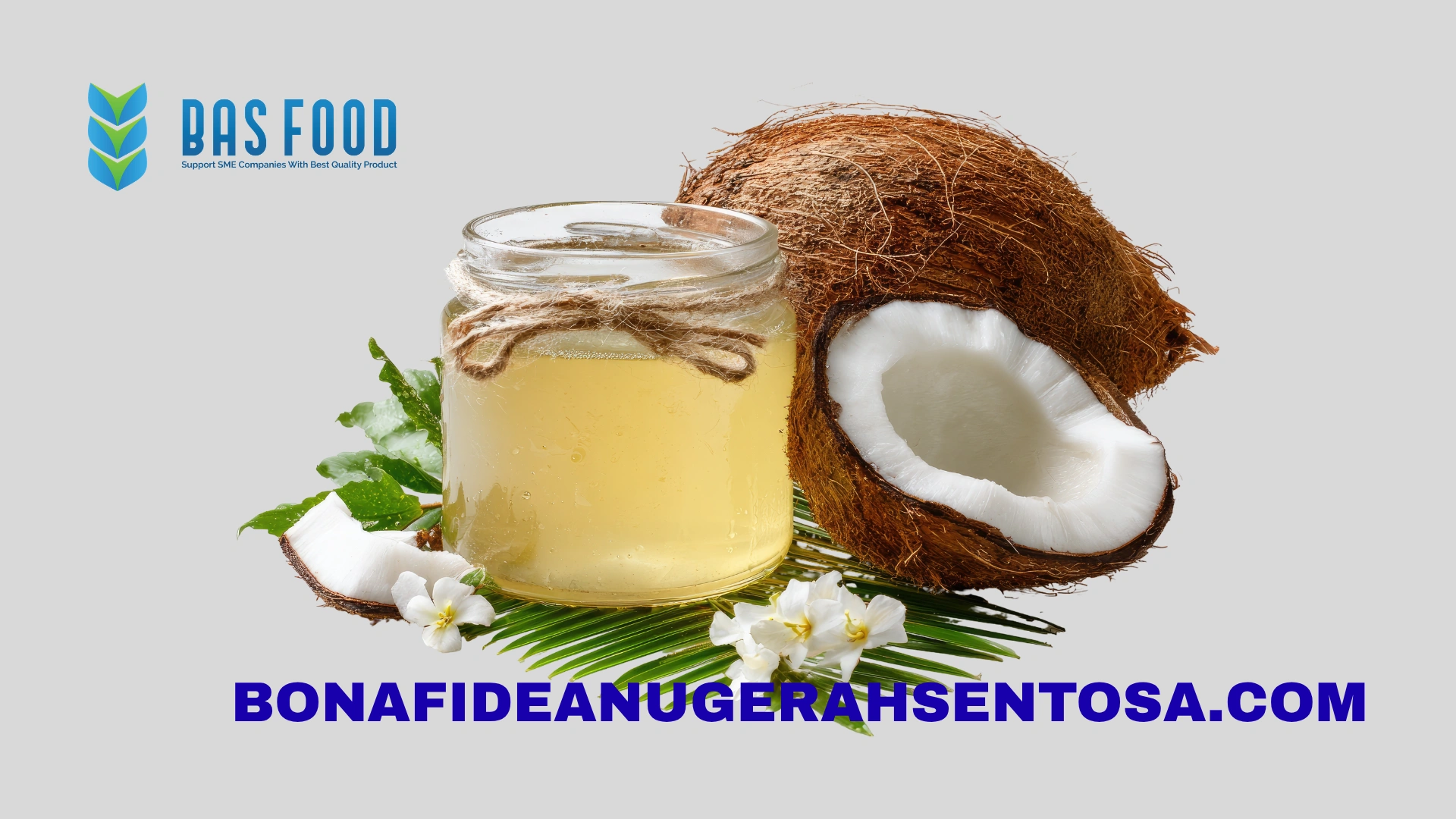
Understanding RBD Coconut Oil: A Reliable Base for Fat Systems
RBD stands for Refined, Bleached, and Deodorized. This process transforms crude coconut oil into a clean, neutral, and stable product. It removes impurities, color, and odor while preserving the oil’s functional properties.
For margarine and shortening manufacturers, consistency is critical. RBD coconut oil offers uniform quality across batches. This ensures predictable performance during blending, emulsification, and storage. As a result, manufacturers can maintain product standards without frequent adjustments.
Another key advantage is its fatty acid composition. RBD coconut oil is rich in saturated fats, especially medium-chain triglycerides. These fats contribute to oxidative stability and resistance to rancidity. Therefore, products made with this oil tend to have a longer shelf life.
Moreover, the oil remains semi-solid at room temperature in many climates. This physical property makes it easier to handle in fat-based applications. It also reduces the need for complex hydrogenation processes, which are increasingly avoided due to trans fat concerns.
Why RBD Coconut Oil Works in Margarine Production
Margarine is essentially a water-in-oil emulsion. To achieve the right texture and spreadability, manufacturers need fats that provide structure while remaining easy to process. This is where RBD coconut oil becomes highly valuable.
First, it contributes to a smooth and stable texture. Its melting profile allows margarine to remain firm under refrigeration but spread easily at room temperature. This balance is essential for consumer satisfaction.
Second, RBD coconut oil margarine formulations benefit from improved shelf stability. The oil’s resistance to oxidation helps prevent off-flavors and extends product life. This is especially important for export markets where products may face long transit times.
In addition, RBD coconut oil has a neutral taste and aroma. This allows manufacturers to control flavor profiles more precisely. Whether the goal is a buttery taste or a neutral base, the oil does not interfere with flavor development.
From a processing standpoint, it blends well with other vegetable oils such as palm oil or sunflower oil. This flexibility enables manufacturers to design customized fat systems based on cost, availability, and performance requirements.
The Role of RBD Coconut Oil in Shortening Production
Shortening is widely used in baking and food manufacturing. It plays a crucial role in creating texture, structure, and mouthfeel in products like pastries, cookies, and bread.
RBD coconut oil offers several advantages in shortening production. One of the most important is its ability to create a stable crystalline structure. This structure helps trap air during mixing, which improves volume and texture in baked goods.
In addition, shortening made with coconut oil provides a clean bite and smooth mouthfeel. It enhances flakiness in pastries and softness in cakes. These qualities are highly valued in commercial baking.
Another benefit is its performance under heat. RBD coconut oil remains stable at high temperatures, making it suitable for baking and frying applications. This reliability is essential for large-scale production where consistency is key.
As part of broader coconut oil fat applications, shortening formulations using coconut oil can also reduce reliance on partially hydrogenated oils. This supports the production of trans-fat-free products, which is increasingly important in global markets.
Functional Benefits in Food Processing and Formulation
Beyond its role as a fat source, RBD coconut oil provides several functional benefits in food processing. One of its key strengths is its emulsification support. While it is not an emulsifier itself, it works well within emulsified systems, helping maintain stability.
Its melting behavior is another advantage. The oil melts quickly at body temperature, which contributes to a pleasant mouthfeel. This is particularly important in margarine and baked goods where texture directly affects consumer perception.
RBD coconut oil also supports aeration in fat-based systems. In shortening, this helps create light and fluffy textures. In margarine, it contributes to smooth spreading and consistent structure.
Furthermore, the oil’s oxidative stability reduces the need for artificial preservatives. This aligns with clean-label trends and simplifies ingredient lists. For manufacturers, this means easier compliance with regulatory and consumer expectations.
These benefits highlight why RBD coconut oil margarine and shortening applications continue to grow in popularity.
Clean Label and Health Considerations
Modern consumers are more informed than ever. They read labels, compare ingredients, and prefer products with fewer additives. This shift has a direct impact on fat selection in food manufacturing.
RBD coconut oil supports clean-label initiatives. It is derived from a natural source and undergoes a refining process that does not involve chemical hydrogenation. This makes it an attractive alternative to traditional solid fats.
In addition, the absence of trans fats is a major advantage. Many countries have strict regulations limiting or banning trans fats in food products. Coconut oil-based formulations help manufacturers meet these requirements.
There is also growing interest in medium-chain triglycerides (MCTs). While margarine and shortening are not typically marketed as health products, the presence of MCTs can add value in certain segments.
As part of coconut oil fat applications, RBD coconut oil enables manufacturers to balance functionality with modern health expectations.
Global Market Demand and Export Opportunities
The demand for margarine and shortening remains strong worldwide. These products are essential in both household consumption and industrial food production. As markets evolve, there is increasing demand for better-quality fats.
Europe and North America continue to be major markets. In these regions, clean-label products and trans-fat-free formulations are highly valued. RBD coconut oil fits well into these trends.
At the same time, emerging markets in Asia, the Middle East, and Africa are experiencing growth in bakery and processed food sectors. This creates new opportunities for fat ingredient suppliers.
For exporters, supplying RBD coconut oil for margarine and shortening production offers long-term potential. Manufacturers are looking for reliable partners who can provide consistent quality and volume.
Indonesia plays a key role in this supply chain. With abundant coconut resources, it is well-positioned to meet global demand.
Indonesia as a Strategic Source of RBD Coconut Oil
Indonesia is one of the largest coconut producers in the world. Its climate supports year-round production, ensuring a stable supply of raw materials. This gives Indonesian exporters a strong advantage in the global market.
RBD coconut oil from Indonesia is known for its quality and consistency. Producers use modern refining techniques while maintaining strict quality control standards. This ensures that the oil meets international specifications.
For B2B buyers, sourcing from Indonesia offers cost efficiency and scalability. It also provides access to a wide range of coconut-based products beyond oil.
CV Bonafide Anugerah Sentosa is a trusted exporter in this space. The company supplies high-quality RBD coconut oil suitable for margarine and shortening production. With a strong commitment to quality and reliability, it supports global manufacturers in achieving their production goals.
Challenges and Technical Considerations
While RBD coconut oil offers many advantages, manufacturers must consider certain technical factors. One of the main challenges is its melting point. In colder climates, the oil can become too firm, which may affect spreadability.
To address this, manufacturers often blend coconut oil with other vegetable oils. This helps achieve the desired consistency and performance across different temperature conditions.
Another consideration is formulation balance. Margarine and shortening require precise fat compositions to deliver optimal texture and stability. This means careful testing and product development are essential.
Cost is also a factor. While coconut oil offers many benefits, its price can fluctuate based on supply and demand. However, its functional advantages often justify the investment.
By working with experienced suppliers and investing in formulation expertise, these challenges can be effectively managed.
Future Trends in Fat-Based Food Innovation
The future of margarine and shortening production is closely tied to innovation in fats and oils. Manufacturers are exploring new ways to improve functionality, sustainability, and consumer appeal.
RBD coconut oil is expected to play a larger role in this evolution. Its natural origin and performance characteristics make it a strong candidate for next-generation fat systems.
We can expect to see more customized blends, improved processing techniques, and advanced applications. These developments will help manufacturers create products that meet changing market demands.
Sustainability will also remain a key focus. Coconut oil, as a renewable resource, supports environmentally friendly production practices. This aligns with global efforts to reduce the environmental impact of food manufacturing.
Conclusion: A Smart Choice for Modern Fat Applications
RBD coconut oil is a powerful and versatile ingredient in margarine and shortening production. Its stability, functionality, and clean-label appeal make it an excellent choice for modern food manufacturing.
As demand grows for RBD coconut oil margarine and advanced coconut oil fat applications, businesses that adopt this ingredient will gain a competitive edge. It supports innovation while meeting regulatory and consumer expectations.
By partnering with reliable suppliers like CV Bonafide Anugerah Sentosa, manufacturers can secure consistent quality and supply. This ensures long-term success in a competitive global market.
In a world where ingredients define product performance, RBD coconut oil stands out as a smart and future-ready choice.