
The global food industry is changing rapidly. Consumers are reading ingredient labels more carefully, paying attention to product origins, and looking for foods made from natural and organic ingredients. As a result, manufacturers are actively searching for sweeteners that meet modern consumer expectations while supporting clean-label product development. One ingredient that continues to gain popularity worldwide is organic coconut nectar. Made from the sap of coconut flower blossoms, this natural sweetener offers a unique combination of simplicity, sustainability, and versatility. Unlike highly refined sweeteners, organic coconut treacle comes from a renewable agricultural source and undergoes minimal processing.
For food manufacturers, importers, distributors, and private-label brands, organic coconut nectar represents more than just a sweetener. It has become a strategic ingredient that aligns with growing demand for organic products across North America, Europe, Asia, and other international markets.
As demand for certified organic ingredients continues to increase, understanding organic coconut treacle, its production process, certifications, applications, and sourcing opportunities has become essential for businesses seeking long-term growth.
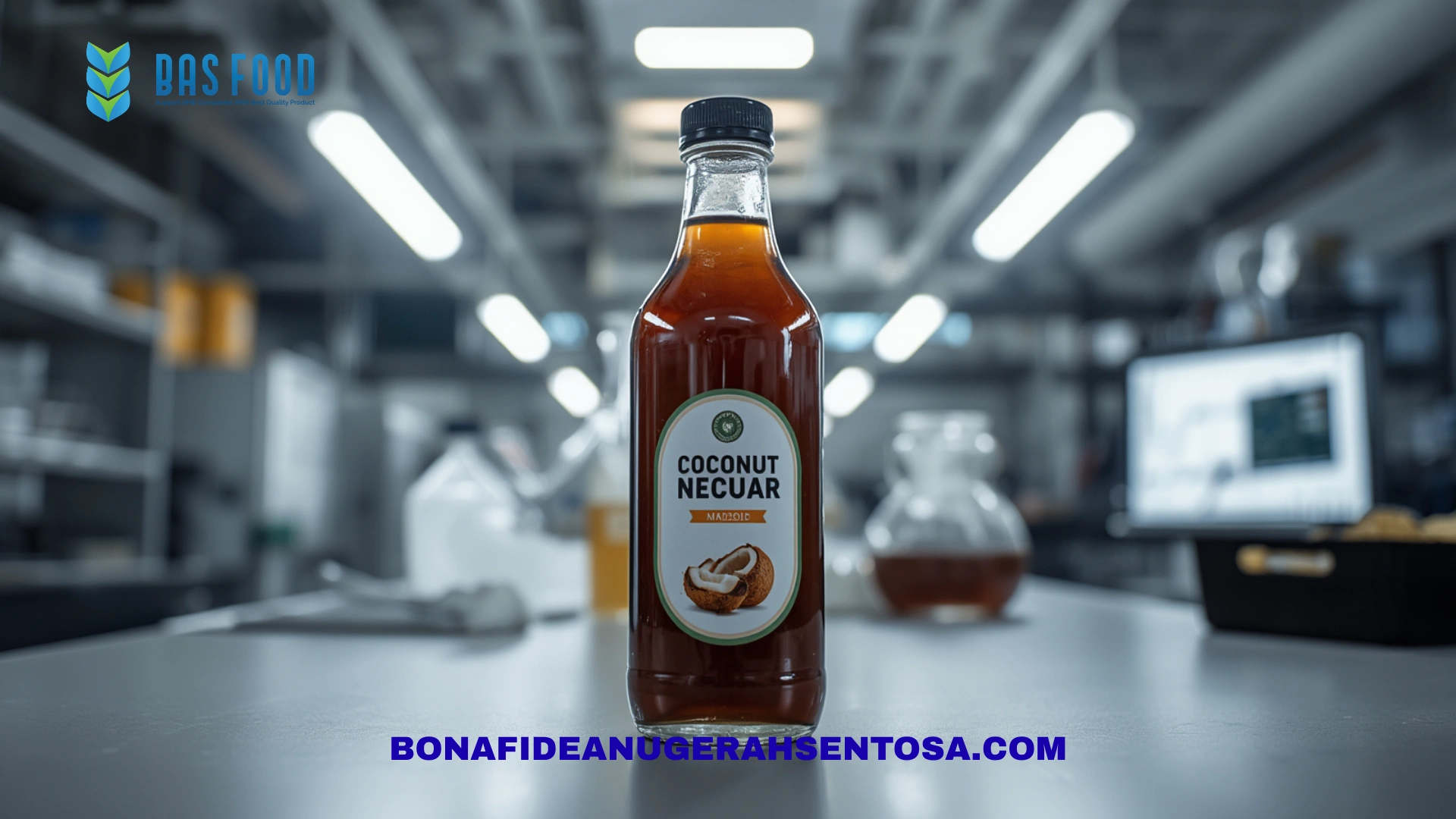
What Is Organic Coconut Nectar?
Organic coconut nectar is a natural liquid sweetener produced from the sap collected from coconut flower blossoms grown under certified organic farming practices.
The production process begins when skilled farmers carefully tap coconut flower stalks and collect fresh sap. This sap naturally contains sugars that can be concentrated into a syrup through gentle heating and evaporation.
Unlike many conventional sweeteners, organic coconut treacle is produced without synthetic fertilizers, chemical pesticides, or genetically modified inputs. The farming and processing methods must comply with strict organic standards established by recognized certification bodies.
The result is a golden syrup with a rich flavor profile and broad application potential across food and beverage industries.
Today, organic coconut liquid is commonly used in beverages, bakery products, nutritional supplements, snack foods, sauces, plant-based products, and organic retail products sold around the world.
Why Organic Products Continue to Grow Worldwide
Consumer demand for organic food products has expanded significantly over the last decade.
Many consumers associate organic ingredients with transparency, environmental responsibility, and sustainable farming practices. Whether purchasing beverages, snacks, nutritional products, or specialty foods, buyers increasingly seek products that contain certified organic ingredients.
This trend has encouraged manufacturers to reformulate products and develop new product lines that incorporate organic ingredients.
Organic coconut liquid fits perfectly within this movement because it supports multiple consumer preferences at once. It offers natural sourcing, minimal processing, plant-based appeal, and compatibility with clean-label product positioning.
For brands seeking to enter premium food categories, organic coconut nectar can provide a valuable competitive advantage.
How Organic Coconut Nectar Is Produced
The quality of organic coconut treacle begins at the farm level.
Organic coconut farms must follow strict agricultural practices designed to protect the environment and maintain certification compliance. Farmers are prohibited from using many synthetic agricultural inputs commonly found in conventional farming systems.
Instead, organic production emphasizes sustainable cultivation methods and responsible land management practices.
The harvesting process requires skilled labor. Farmers collect sap directly from coconut flower blossoms, often multiple times each day, to maintain freshness and quality.
After collection, the sap is transported to processing facilities where it undergoes filtration and controlled evaporation.
The processing stage is carefully monitored to preserve product integrity while maintaining compliance with organic standards.
Throughout the entire supply chain, documentation and traceability play an important role in ensuring certification requirements are met.
Understanding USDA Organic Certification
One of the most recognized certifications in the world is USDA Organic.
The USDA Organic program establishes standards for agricultural production, processing, handling, and labeling of organic products sold within the United States and many international markets.
For organic coconut nectar producers, obtaining USDA Organic certification requires compliance with strict requirements related to:
- Farm management
- Input controls
- Processing methods
- Record keeping
- Product traceability
Certified producers undergo regular inspections and audits to verify compliance.
For importers and manufacturers, sourcing USDA Organic-certified ingredients provides confidence that products meet internationally recognized organic standards.
Because the United States remains one of the largest organic food markets globally, USDA Organic certification often plays a critical role in international sourcing decisions.
Why EU Organic Coconut Nectar Matters for European Markets
Europe represents one of the most important markets for organic food products.
Consequently, many buyers specifically seek EU Organic coconut liquid to meet regulatory and market requirements.
The European Union maintains its own organic regulations designed to ensure consistent standards throughout member countries.
To qualify as EU Organic coconut nectar, producers must comply with requirements covering:
- Organic agricultural practices
- Processing procedures
- Supply chain traceability
- Product labeling
- Certification audits
These regulations help ensure that organic products sold within Europe meet established quality and compliance expectations.
For exporters, obtaining EU Organic certification can open valuable opportunities across European food and beverage markets.
For buyers, sourcing certified EU Organic coconut nectar supports regulatory compliance and strengthens consumer trust.
Applications of Organic Coconut Nectar in Food Manufacturing
One of the main reasons manufacturers choose organic coconut nectar is its versatility.
The ingredient performs well across numerous product categories and supports organic product positioning.
Organic Beverage Production
Manufacturers use organic coconut liquid in:
- Functional beverages
- Smoothies
- Coffee products
- Tea beverages
- Wellness drinks
Its liquid form allows easy incorporation into beverage formulations.
Organic Bakery Products
Organic coconut nectar is commonly used in:
- Cookies
- Cakes
- Muffins
- Granola products
- Snack bars
Its pleasant flavor complements many bakery applications.
Plant-Based Foods
The continued growth of plant-based food categories has increased demand for naturally sourced sweeteners.
Organic coconut nectar fits well within vegan and plant-based formulations.
Nutritional Products
Many wellness brands use organic coconut nectar in nutritional supplements and functional food products designed for health-conscious consumers.
Why Importers and Distributors Are Choosing Organic Coconut Nectar
The market for organic ingredients continues expanding worldwide.
As consumer awareness grows, retailers and manufacturers increasingly seek reliable sources of certified organic sweeteners.
Growing Market Demand
Organic food categories continue to outperform many conventional product segments.
Premium Product Positioning
Certified organic ingredients often support higher-value product offerings.
Broad Customer Base
Organic coconut nectar appeals to:
- Food manufacturers
- Beverage companies
- Organic brands
- Retailers
- Private-label businesses
- Long-Term Market Potential
The continued expansion of organic food markets creates ongoing opportunities for businesses operating within the supply chain.
Quality Standards and Food Safety Considerations
Quality remains a critical factor for international buyers.
Reliable suppliers implement strict quality control systems throughout production.
Common quality management practices include:
Raw Material Verification
Producers carefully monitor coconut sap quality before processing.
Food Safety Programs
Many facilities operate under internationally recognized food safety systems.
Laboratory Testing
Routine testing helps verify product consistency and compliance.
Traceability Systems
Traceability supports transparency and certification requirements.
These quality measures help ensure that products meet customer specifications and international market expectations.
Why Indonesia Is a Leading Source of Organic Coconut Nectar
Indonesia is one of the world’s largest coconut-producing countries.
Its tropical climate provides ideal conditions for coconut cultivation throughout the year.
Millions of coconut trees grow across the country, supporting extensive coconut-based industries and agricultural communities.
Many Indonesian producers have invested in organic certification programs, modern processing facilities, and export-focused operations.
As a result, Indonesia has become a preferred sourcing destination for certified organic coconut products.
In addition to abundant raw material availability, Indonesian exporters offer competitive pricing, reliable supply chains, and strong experience serving international markets.
These advantages make Indonesia one of the most attractive origins for organic coconut nectar sourcing.
Partner with a Trusted Organic Coconut Nectar Exporter from Indonesia
For businesses seeking reliable supplies of organic coconut nectar, selecting the right exporter is essential.
CV Bonafide Anugerah Sentosa supplies premium organic coconut nectar and a wide range of coconut-derived products for international markets. The company works closely with Indonesian farmers and certified processing facilities to ensure quality, consistency, and dependable supply.
In addition to organic coconut nectar, CV Bonafide Anugerah Sentosa supplies coconut sugar, organic coconut sugar, virgin coconut oil, coconut milk products, spices, coffee products, and fishery products.
With strong sourcing networks and export expertise, the company helps global buyers access high-quality Indonesian ingredients while supporting long-term business growth.
Conclusion
As global consumers continue seeking natural and certified organic ingredients, organic coconut nectar has emerged as one of the most promising sweeteners in the international food industry.
Its natural origin, minimal processing, broad functionality, and compatibility with both USDA Organic and EU Organic coconut nectar requirements make it an attractive choice for manufacturers, distributors, and importers worldwide.
For businesses looking to expand their organic product offerings, sourcing high-quality organic coconut nectar from trusted Indonesian exporters can provide a valuable competitive advantage while supporting long-term growth in rapidly expanding organic markets.