
The global demand for natural sweeteners continues to grow as consumers look for healthier alternatives to refined sugar. Among these products, coconut nectar has gained significant attention due to its natural sweetness, rich flavor profile, and versatile applications in food and beverage manufacturing. However, producing high-quality coconut nectar is only one part of the export journey. Ensuring that the product reaches international buyers in perfect condition is equally important. This is where choosing the right coconut nectar packaging becomes essential. Proper packaging protects product quality, extends shelf life, simplifies logistics, and helps exporters comply with international shipping standards.
In this article, we will explore the most common coconut nectar packaging options for international shipping, discuss their advantages and disadvantages, and provide practical guidance for importers and exporters seeking reliable packaging solutions.
Why Coconut Nectar Packaging Matters
When shipping coconut nectar internationally, packaging serves more than just a container function. It acts as the first line of defense against contamination, leakage, temperature fluctuations, and physical damage during transit.
Furthermore, international supply chains often involve multiple stages of handling. Products may travel from processing facilities to ports, warehouses, distribution centers, and finally to end customers. Without suitable coconut nectar packaging, the risk of spoilage and product loss increases significantly.
Proper packaging also influences customer satisfaction. Buyers expect products to arrive in excellent condition with intact labels, accurate weight, and consistent quality. Reliable packaging helps build trust and strengthens long-term business relationships.
Understanding the Characteristics of Coconut Nectar
Before selecting packaging materials, it is important to understand the nature of coconut nectar itself.
Coconut nectar is a viscous liquid derived from the sap of coconut blossoms. It contains natural sugars, minerals, amino acids, and moisture. Because of its liquid consistency, packaging must prevent leakage while maintaining freshness.
Additionally, coconut nectar can be sensitive to prolonged exposure to heat, air, and moisture. Therefore, packaging solutions should provide strong barrier properties and secure sealing systems to preserve product quality throughout international transportation.
Factors to Consider When Choosing Coconut Nectar Packaging
Selecting the right packaging requires evaluating several important factors.
First, exporters must consider shipment volume. Small retail products require different packaging compared to bulk industrial orders. A food manufacturer purchasing several tons of coconut nectar will have different requirements than a specialty store ordering consumer-sized bottles.
Second, transportation methods matter. Air freight, sea freight, and land transportation each expose products to different environmental conditions. Packaging should withstand stacking pressure, vibration, and temperature changes throughout the journey.
Another key consideration is regulatory compliance. Different countries may have specific packaging requirements related to food safety, labeling, and material standards.
Plastic Bottles for Retail Distribution
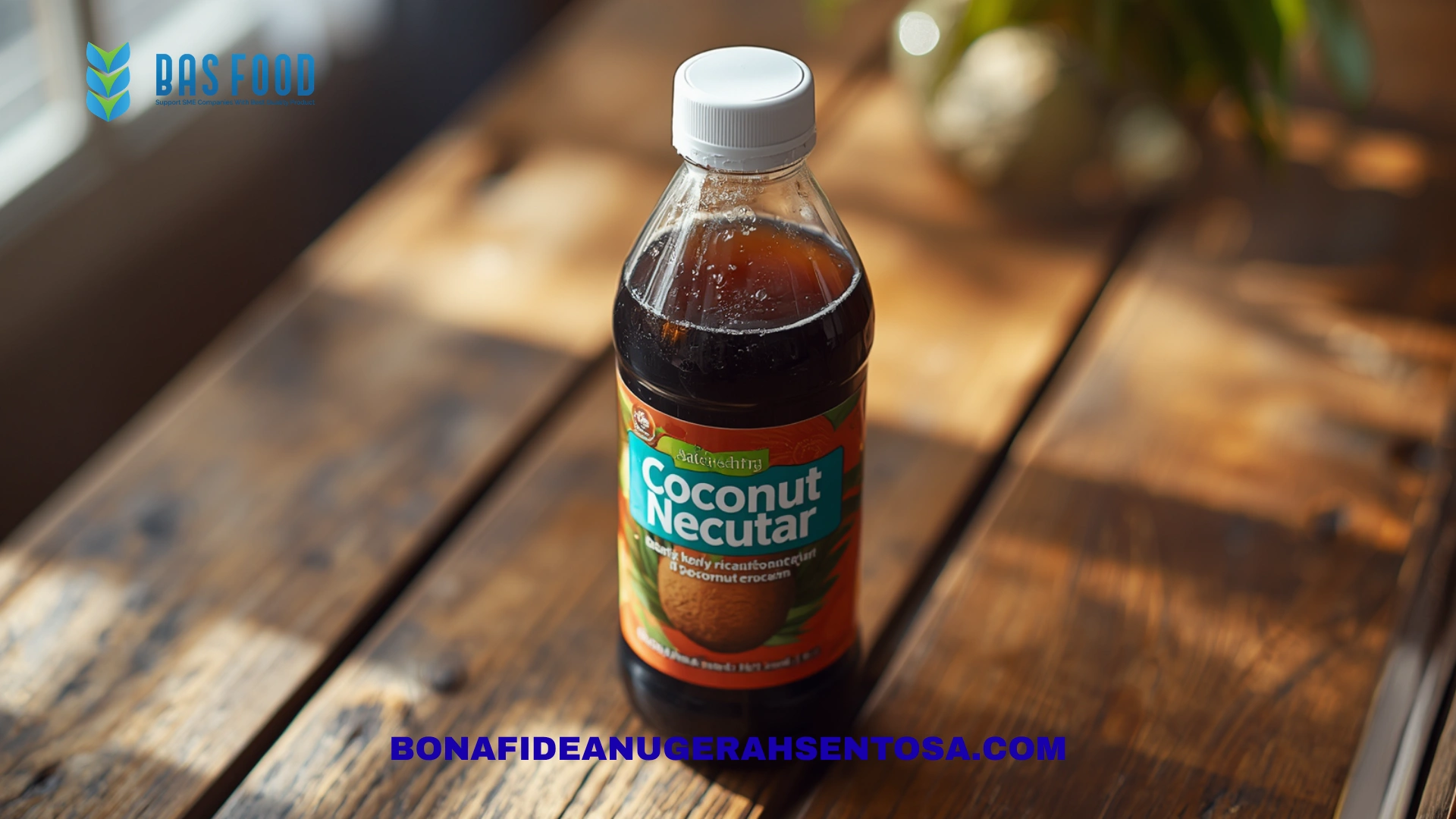
Plastic bottles remain one of the most popular coconut nectar packaging solutions for retail markets.
PET bottles are lightweight, durable, and cost-effective. They offer excellent protection against breakage during transportation while keeping shipping costs relatively low. Their transparency also allows customers to view the product before purchase.
Additionally, plastic bottles are available in various sizes ranging from 250 ml to 1 liter. This flexibility makes them suitable for supermarkets, specialty health stores, and online retail channels.
However, exporters should ensure that food-grade materials are used and that bottle caps provide airtight seals to prevent leakage during transit.
Glass Bottles for Premium Markets
Many premium brands prefer glass bottles as their coconut nectar packaging choice.
Glass provides an excellent barrier against oxygen and moisture. It does not absorb flavors or odors, helping preserve the authentic taste of coconut nectar. Furthermore, glass packaging often creates a premium image that appeals to health-conscious and environmentally aware consumers.
Despite these benefits, glass bottles require careful handling. They are heavier than plastic alternatives and can increase shipping costs. Exporters must also invest in protective packaging materials such as dividers, foam inserts, and reinforced cartons.
For specialty markets where product presentation is important, glass remains a strong option despite the higher logistical costs.
Jerry Cans for Medium-Volume Shipments
For food service operators and medium-scale manufacturers, jerry cans offer a practical solution.
Typically available in capacities ranging from 5 to 25 liters, food-grade plastic jerry cans provide a balance between convenience and efficiency. They are easy to transport, stack, and store while reducing packaging waste compared to smaller retail containers.
Jerry cans also help maintain product integrity through secure screw caps and tamper-evident seals. Because they are designed for liquid products, they offer excellent leak resistance during international shipping.
Many exporters use jerry cans when supplying restaurants, bakeries, beverage manufacturers, and commercial kitchens.
Bulk Packaging Using HDPE Drums
When exporting large quantities of coconut nectar, HDPE drums are often the preferred packaging format.
These drums typically hold between 200 and 300 kilograms of product, making them ideal for industrial buyers. Their durable construction helps protect coconut nectar from contamination and physical damage throughout long-distance transportation.
HDPE drums are also compatible with palletized shipping systems. This improves warehouse handling efficiency and reduces loading and unloading time at ports and distribution centers.
Because of their large capacity, drums significantly lower packaging costs per kilogram of product, making them attractive for bulk exports.
Intermediate Bulk Containers (IBC Totes)
For very large shipments, IBC totes have become increasingly popular in the global food industry.
An IBC tote can hold approximately 1,000 liters of coconut nectar. This allows exporters to maximize container space while minimizing packaging waste and handling costs.
Additionally, IBC totes feature integrated discharge valves that simplify product transfer upon arrival. Food manufacturers appreciate the convenience and efficiency these containers provide.
Although the initial investment is higher than traditional drums, IBC totes often generate long-term savings through improved logistics and reduced labor requirements.
Packaging Materials That Improve Product Protection
Beyond the primary container, secondary packaging plays a critical role in export success.
Corrugated cartons provide structural support and help protect individual units from impact damage. High-quality cartons are particularly important for glass bottle shipments where breakage risk is greater.
Stretch wrapping, pallet straps, and corner protectors further stabilize loads during transportation. These materials reduce movement within shipping containers and minimize the likelihood of product damage.
Temperature-resistant liners may also be beneficial for shipments traveling through regions with extreme climate conditions.
Labeling Requirements for International Markets
Effective coconut nectar packaging must include accurate and compliant labeling.
Most international buyers require labels that clearly display product name, ingredients, net weight, production date, expiration date, batch number, storage instructions, and country of origin.
Furthermore, some countries mandate additional information such as nutritional facts, allergen declarations, organic certifications, and barcode systems.
Proper labeling not only ensures compliance but also supports product traceability and strengthens buyer confidence.
Sustainability Trends in Coconut Nectar Packaging
Sustainability has become a major factor in purchasing decisions across global markets.
Many importers now prefer environmentally responsible coconut nectar packaging solutions. Recyclable PET bottles, reusable glass containers, and recyclable HDPE drums are increasingly popular options.
Additionally, manufacturers are exploring biodegradable packaging materials and lightweight designs that reduce carbon emissions during transportation.
By adopting sustainable packaging practices, exporters can improve their market competitiveness while meeting growing consumer expectations.
Common Packaging Mistakes Exporters Should Avoid
Even high-quality coconut nectar can encounter problems if packaging decisions are poorly executed.
One common mistake is selecting packaging based solely on cost. While cheaper materials may reduce initial expenses, they often increase the risk of leakage, contamination, and customer complaints.
Another mistake involves inadequate palletization. Improper stacking can cause containers to shift during transport, leading to damaged products and financial losses.
Exporters should also avoid neglecting climate considerations. Products traveling through hot environments may require additional protective measures to maintain quality.
Choosing the Best Packaging for Your Target Market
There is no universal packaging solution suitable for every customer.
Retail-focused brands often benefit from PET or glass bottles that enhance shelf appeal. Food service businesses may prefer jerry cans, while industrial manufacturers usually favor HDPE drums or IBC totes.
Understanding customer needs, shipment volume, logistics requirements, and market expectations helps exporters select the most effective coconut nectar packaging strategy.
The ideal solution balances product protection, cost efficiency, regulatory compliance, sustainability, and customer convenience.
Conclusion
As international demand for natural sweeteners continues to rise, exporters must pay close attention to their coconut nectar packaging strategy. Packaging is not simply about containing the product. It directly impacts product quality, transportation efficiency, regulatory compliance, and customer satisfaction.
Whether using retail bottles, jerry cans, HDPE drums, or IBC totes, choosing the right packaging solution helps ensure coconut nectar arrives safely and maintains its premium quality throughout the supply chain.
For importers seeking reliable coconut nectar suppliers, working with experienced exporters who understand both product quality and packaging requirements can make a significant difference. Proper coconut nectar packaging ultimately protects the product, supports brand reputation, and contributes to successful international trade relationships.
Reliable Coconut Nectar Supplier from Indonesia
CV Bonafide Anugerah Sentosa is a trusted Indonesian exporter specializing in coconut sugar, coconut nectar, virgin coconut oil, coconut milk products, spices, coffee, and fishery products. We provide high-quality coconut nectar supported by export-ready packaging solutions designed for international shipping.
Whether you require retail packaging, food service packaging, HDPE drums, or bulk IBC tote shipments, our team can customize packaging according to your market requirements while maintaining product quality and food safety standards.