
The European market offers strong opportunities for coconut-based products. Among them, refined, bleached, and deodorized coconut oil continues to see steady demand across food, cosmetics, and industrial sectors. However, entering this market is not simple. Buyers expect consistent quality, strict compliance, and full traceability. This article breaks down everything exporters need to know about supplying RBD coconut oil Europe markets. It explains standards, certifications, and practical steps to meet EU coconut oil import requirements. The goal is simple: help you position your business as a trusted and competitive supplier.
Understanding the European Market for RBD Coconut Oil
Europe is one of the largest importers of coconut oil globally. Countries like the Netherlands, Germany, and France act as key entry points and redistribution hubs. Demand comes from several industries, including food manufacturing, personal care, and bio-based products.
RBD coconut oil is especially popular because it has a neutral taste, long shelf life, and high stability. These characteristics make it ideal for large-scale industrial use. Food processors use it in bakery fats, confectionery fillings, and dairy alternatives. Meanwhile, cosmetic manufacturers rely on its consistency and purity for skincare formulations.
In addition, sustainability and transparency are becoming more important in the RBD coconut oil Europe market. Buyers now expect suppliers to show not only quality but also ethical sourcing practices. This shift means exporters must go beyond basic compliance and move toward full supply chain visibility.
As a result, exporters targeting the EU coconut oil import market must understand both technical and market-driven requirements. Success depends on aligning production processes with European expectations from the start.
What is RBD Coconut Oil? A Quick Technical Overview
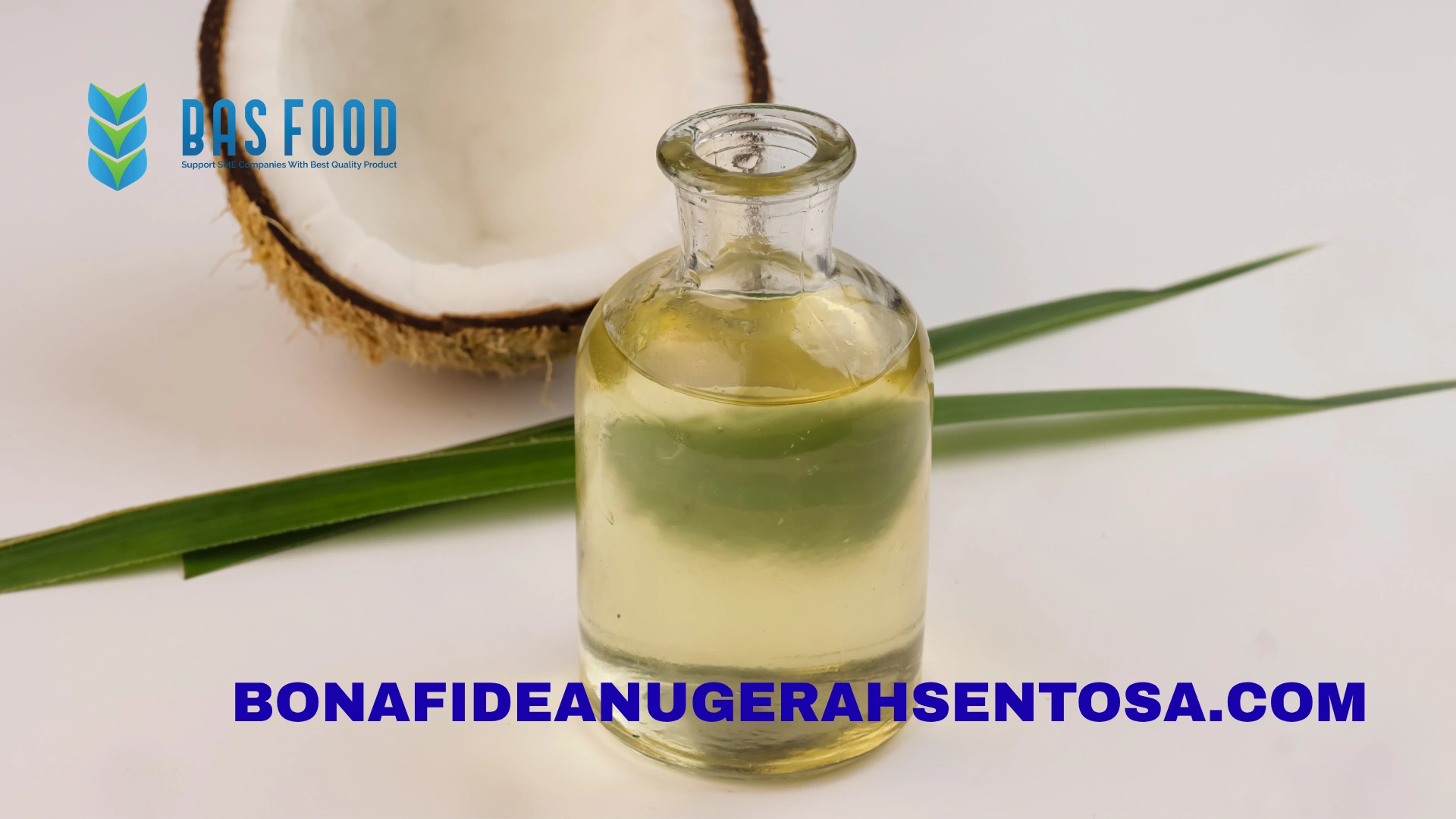
RBD coconut oil stands for refined, bleached, and deodorized coconut oil. It is produced from dried coconut meat (copra) and undergoes several processing stages to remove impurities.
The refining process removes free fatty acids and unwanted compounds. Bleaching improves color by eliminating pigments. Deodorization removes odor and taste using high-temperature steam distillation. The final product is clear, odorless, and suitable for industrial use.
This process ensures consistency, which is essential for European buyers. Unlike virgin coconut oil, RBD coconut oil offers a standardized profile. That consistency makes it easier for manufacturers to maintain product quality across batches.
However, processing must follow strict hygiene and safety standards. Any contamination during refining can lead to rejection in the EU coconut oil import market. Therefore, exporters must invest in modern equipment and controlled production environments.
Key Standards for RBD Coconut Oil Europe
To enter the European market, RBD coconut oil must meet several technical and regulatory standards. These standards ensure product safety, quality, and compliance with EU laws.
Food Safety Standards
First, compliance with EU food safety regulations is mandatory. This includes limits on contaminants such as heavy metals, pesticide residues, and polycyclic aromatic hydrocarbons (PAHs). The oil must also meet microbiological standards, even though it is a low-moisture product.
Additionally, suppliers must follow HACCP (Hazard Analysis and Critical Control Points) systems. This approach helps identify and control potential risks throughout production.
Quality Specifications
European buyers expect specific quality parameters for RBD coconut oil Europe, including:
- Free Fatty Acid (FFA): Typically below 0.1%
- Moisture and impurities: Very low levels
- Color: Water-clear or light
- Odor and taste: Neutral
Consistency across shipments is critical. Even small variations can lead to quality disputes.
Chemical and Physical Parameters
Laboratory testing plays a key role in compliance. Exporters must provide Certificates of Analysis (COA) that confirm parameters such as iodine value, saponification value, and fatty acid composition.
Meeting these specifications builds trust and ensures smooth entry into the EU coconut oil import system.
Certifications Required for EU Coconut Oil Import
Certifications are not optional in Europe. They serve as proof that your product meets international standards.
Mandatory and Common Certifications
For most buyers, the following certifications are expected:
- HACCP or ISO 22000 for food safety management
- GMP (Good Manufacturing Practices)
- FSSC 22000 (preferred by large manufacturers)
These certifications demonstrate that your production process is controlled and consistent.
Additional Value-Adding Certifications
While not always mandatory, these certifications can improve your competitiveness:
- Organic certification (EU Organic Regulation)
- Fair Trade certification
- Halal certification
- Kosher certification
These labels help your product stand out in niche markets within RBD coconut oil Europe.
Traceability and Documentation
European importers require full traceability. This means you must track raw materials from source to final product. Documentation must include batch numbers, production records, and supplier details.
Without proper documentation, your shipment may face delays or rejection under EU coconut oil import regulations.
Packaging and Labeling Requirements for Europe
Packaging is more than just protection. It is also part of compliance.
Industrial Packaging Standards
RBD coconut oil is usually shipped in:
- Steel drums
- Food-grade plastic containers
- Flexitanks for bulk shipments
All packaging must be food-grade and free from contamination risks. Containers should also protect the oil from light, heat, and moisture.
Labeling Requirements
Labels must include:
- Product name
- Batch number
- Net weight
- Country of origin
- Manufacturer details
- Storage instructions
Incorrect or incomplete labeling can cause issues during customs clearance in the EU coconut oil import process.
Sustainability in Packaging
European buyers increasingly prefer eco-friendly packaging solutions. Using recyclable materials or reducing plastic can improve your brand image.
Logistics and Supply Chain Considerations
Logistics plays a major role in delivering consistent quality.
Shipping RBD coconut oil to Europe requires careful planning. Transit time, temperature control, and handling all affect product quality. Although coconut oil is stable, extreme temperatures can still impact its condition.
Working with experienced freight forwarders can reduce risks. They help manage documentation, customs clearance, and shipping schedules. This is especially important for first-time exporters entering the RBD coconut oil Europe market.
In addition, exporters should consider warehousing options in Europe. Having stock closer to customers can reduce lead times and improve service reliability.
Challenges in the EU Coconut Oil Import Market
Entering Europe is not without challenges.
One major challenge is strict regulation. Even small compliance issues can lead to shipment rejection. Testing standards are high, and inspections are thorough.
Another challenge is price competition. Suppliers from multiple countries compete in the same market. To stay competitive, exporters must balance quality and cost efficiency.
Sustainability is also becoming a key factor. Buyers want proof of ethical sourcing and environmental responsibility. This adds another layer of complexity to the supply chain.
However, these challenges also create opportunities. Exporters who meet high standards can build long-term partnerships and secure premium pricing.
Why Choose an Indonesian Supplier for RBD Coconut Oil Europe
Indonesia is one of the world’s largest producers of coconut-based products. Its tropical climate supports year-round coconut farming, ensuring stable supply.
Indonesian suppliers also have strong experience in exporting to global markets. Many producers already meet international standards and understand the requirements of the EU coconut oil import system.
In addition, Indonesia offers competitive pricing without compromising quality. This balance makes it an attractive sourcing destination for European buyers.
CV Bonafide Anugerah Sentosa: Your Trusted Partner
Choosing the right supplier is critical for success in Europe.
CV Bonafide Anugerah Sentosa is a reliable exporter of coconut-based products from Indonesia. The company focuses on quality, consistency, and compliance with international standards.
With experience in supplying global markets, CV Bonafide Anugerah Sentosa understands the requirements of RBD coconut oil Europe buyers. The company ensures:
- Strict quality control at every stage
- Compliance with international certifications
- Transparent documentation and traceability
- Reliable supply chain management
By working with a trusted partner, buyers can reduce risk and ensure smooth entry into the EU coconut oil import market.
Final Thoughts: Building a Sustainable Export Strategy
Supplying RBD coconut oil to Europe is not just about meeting minimum standards. It requires a long-term strategy focused on quality, compliance, and trust.
Exporters must invest in proper processing, certifications, and documentation. At the same time, they should stay updated with changing regulations and market trends.
The European market rewards suppliers who deliver consistency and transparency. By aligning with these expectations, exporters can build strong relationships and grow their presence in RBD coconut oil Europe.