
The global food and beverage industry is undergoing a significant transformation. Consumers are becoming more aware of the ingredients used in their products and increasingly prefer natural alternatives to highly refined sweeteners. As a result, manufacturers are actively searching for ingredients that align with clean-label trends, sustainability goals, and consumer expectations. Among the fastest-growing natural sweeteners is coconut nectar. This golden syrup, derived from the sap of coconut blossoms, has gained popularity across multiple industries due to its natural origin, pleasant flavor profile, and versatile applications.
From organic food manufacturers to beverage companies and health-focused brands, demand for coconut nectar continues to expand worldwide. As the market grows, businesses must identify a reliable coconut nectar supplier capable of delivering consistent quality, stable supply, and international export standards. Choosing the right supplier is no longer simply a procurement decision. It has become a strategic business investment that can influence product quality, customer satisfaction, and long-term growth.
This comprehensive guide explores everything global buyers need to know about coconut nectar sourcing, production, applications, supplier selection, and why Indonesia has become a leading origin for premium coconut nectar exports.
What Is Coconut Nectar?
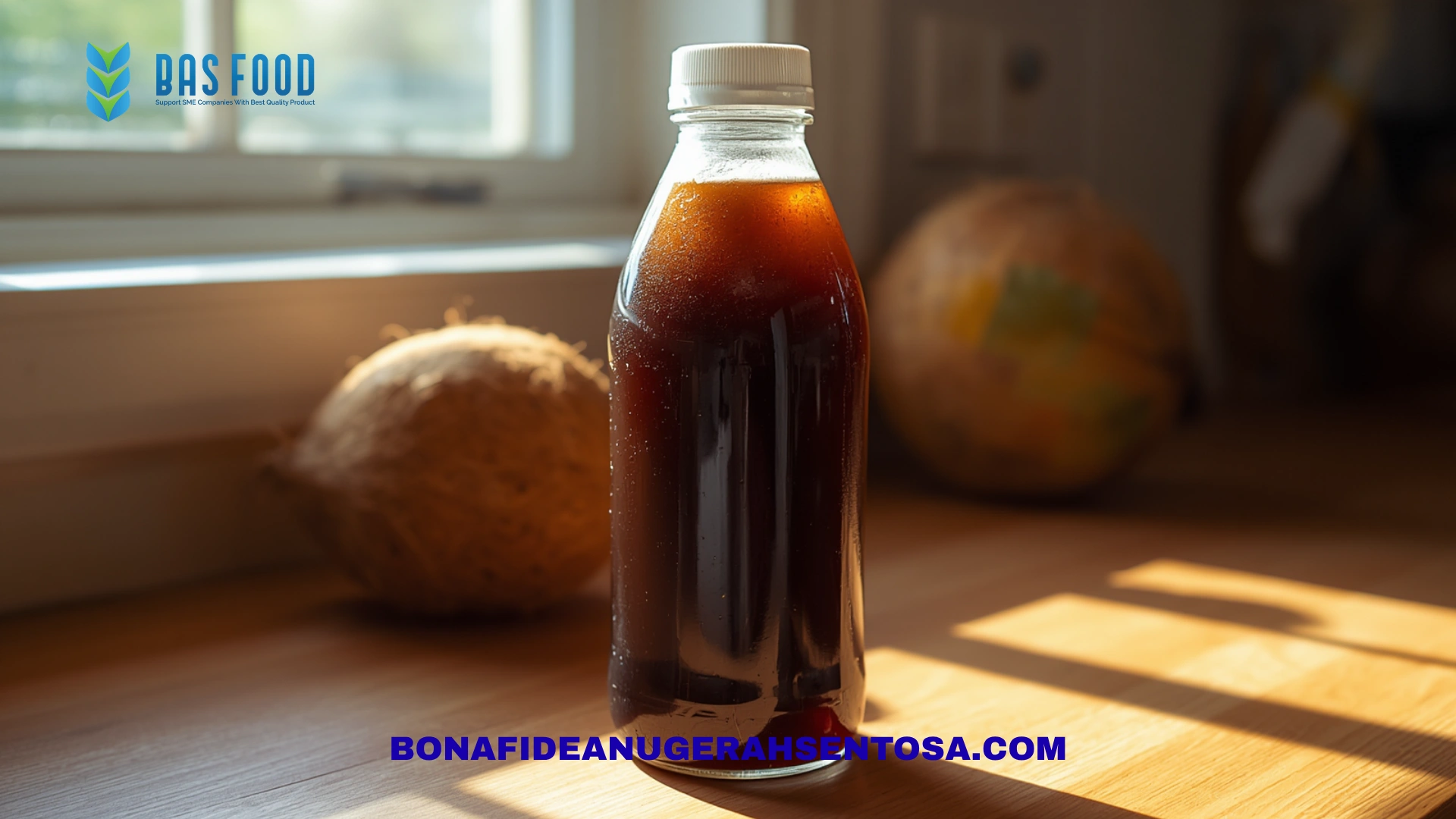
Coconut nectar is a natural liquid sweetener produced from the sap collected from coconut flower blossoms. Before coconuts mature into fruit, the flowering stalks release nutrient-rich sap that can be harvested by skilled farmers.
The harvesting process involves carefully tapping the flower blossoms and collecting the sap in containers. Once collected, the sap is filtered and gently heated to remove excess moisture. This process transforms the liquid sap into a rich golden syrup known as coconut nectar.
Unlike many conventional sweeteners, coconut nectar undergoes minimal processing. Manufacturers generally avoid chemical refining, bleaching, or artificial treatments. This simple production method helps preserve the natural characteristics of the product while maintaining its distinctive flavor.
Today, coconut nectar is widely used in food manufacturing, beverage production, bakery applications, nutritional supplements, plant-based foods, and specialty products sold in global markets.
Why Coconut Nectar Is Gaining Popularity Worldwide
Consumer preferences have changed dramatically over the past decade.
Many shoppers now seek products made with ingredients they can easily recognize and understand. Natural sweeteners have become particularly attractive because they align with clean-label and wellness-oriented lifestyles.
Coconut nectar fits perfectly within these trends. Its natural source, simple production process, and appealing flavor profile make it attractive to both consumers and manufacturers.
Another factor driving demand is versatility. Coconut nectar can be used across numerous food and beverage categories without requiring extensive reformulation. This flexibility allows manufacturers to create innovative products while maintaining familiar ingredient lists.
As a result, coconut nectar has become a preferred ingredient for brands seeking differentiation in increasingly competitive markets.
How Coconut Nectar Is Produced
Understanding the production process can help buyers evaluate the capabilities of a potential coconut nectar supplier.
The process begins with coconut blossom tapping. Experienced farmers carefully collect sap from coconut flower stalks, often harvesting fresh sap daily to ensure quality and freshness.
After collection, the sap is transported to processing facilities where it undergoes filtration to remove natural impurities.
The filtered sap is then gently heated. During this stage, water evaporates while natural sugars become concentrated, creating the characteristic syrup consistency associated with coconut nectar.
Quality-focused suppliers closely monitor temperature and processing conditions to preserve product integrity.
After processing, the coconut nectar is filtered again, tested for quality, and packaged according to customer requirements.
This careful production process helps ensure product consistency and export-grade quality.
Key Qualities to Look for in a Coconut Nectar Supplier
Not all suppliers offer the same level of quality and reliability.
Choosing the right coconut nectar supplier requires evaluating several critical factors.
Product Consistency
Consistency is one of the most important requirements for food manufacturers.
Variations in flavor, color, texture, or quality can affect finished products and customer satisfaction.
Reliable suppliers implement strict quality control systems to ensure every batch meets established specifications.
Food Safety Standards
International buyers should verify that suppliers follow recognized food safety practices.
Quality assurance programs often include:
- Raw material inspection
- Process monitoring
- Laboratory testing
- Traceability systems
- Documentation controls
These procedures help ensure safe and reliable products.
Export Experience
A supplier with export experience understands international shipping requirements, documentation procedures, and regulatory compliance.
This expertise reduces risks and helps ensure smooth transactions.
Production Capacity
Buyers should evaluate whether a supplier can meet current and future volume requirements.
Scalability is particularly important for growing businesses and expanding product lines.
Applications of Coconut Nectar Across Multiple Industries
The versatility of coconut nectar has contributed significantly to its global popularity.
Manufacturers use coconut nectar in a wide range of applications because it offers sweetness while supporting natural product positioning.
Food Manufacturing
Food companies commonly use coconut nectar in:
- Breakfast products
- Snack foods
- Sauces
- Condiments
- Functional foods
Its balanced sweetness complements many formulations.
Beverage Industry
Beverage manufacturers incorporate coconut nectar into:
- Functional drinks
- Smoothies
- Coffee beverages
- Tea products
- Plant-based beverages
The syrup dissolves easily and blends well with other ingredients.
Bakery Products
Coconut nectar is frequently used in:
- Cookies
- Cakes
- Muffins
- Granola products
- Energy bars
Its subtle caramel-like notes enhance flavor profiles.
Health and Wellness Products
Many wellness-focused brands utilize coconut nectar in nutritional products and clean-label formulations.
This broad application range continues to drive demand worldwide.
Wholesale Coconut Nectar: Opportunities for Importers and Distributors
The market for wholesale coconut nectar continues to expand as consumer demand for natural sweeteners grows.
Importers and distributors are increasingly adding coconut nectar to their product portfolios to serve food manufacturers, retailers, and specialty brands.
One advantage of wholesale sourcing is flexibility. Buyers can choose packaging formats that align with their business models.
Common wholesale packaging options include:
- Retail bottles
- Glass containers
- Food-service packaging
- Jerry cans
- Plastic drums
- Steel drums
- IBC containers
This variety allows distributors to serve customers across multiple industries.
Furthermore, wholesale purchasing often improves cost efficiency and supply chain stability, supporting long-term growth strategies.
The Role of a Coconut Nectar Exporter in Global Trade
A professional coconut nectar exporter provides more than just product supply.
Exporters serve as strategic partners that help buyers navigate international sourcing processes.
Responsibilities often include:
- Product quality management
- Packaging customization
- Export documentation
- Logistics coordination
- Regulatory support
- Shipment scheduling
An experienced exporter understands the requirements of different international markets and can help buyers comply with local regulations.
This expertise becomes especially valuable when serving highly regulated food industries.
For many importers, partnering with a knowledgeable exporter simplifies operations and reduces sourcing risks.
Why Indonesia Is a Leading Source of Coconut Nectar
Indonesia is one of the largest coconut-producing countries in the world.
Its tropical climate provides ideal conditions for coconut cultivation throughout the year, ensuring a stable supply of raw materials for coconut nectar production.
Millions of coconut trees grow across the Indonesian archipelago, supporting extensive coconut-based industries and agricultural communities.
Indonesian farmers possess generations of experience in coconut sap harvesting, while modern processing facilities apply advanced quality control systems to produce export-grade products.
These advantages allow Indonesia to maintain a strong position in the global coconut nectar market.
Additionally, the country’s export infrastructure supports efficient shipping to destinations across Europe, North America, Asia, Australia, Africa, and the Middle East.
Sustainability Advantages of Coconut Nectar Production
Sustainability has become an important consideration for both businesses and consumers.
Fortunately, coconut nectar production supports several environmentally responsible practices.
Coconut trees can remain productive for decades while continuously producing blossoms and fruit.
Farmers harvest sap without damaging the trees, allowing ongoing production and long-term agricultural sustainability.
In addition, coconut nectar production supports rural livelihoods and creates economic opportunities for farming communities.
Many brands now prioritize responsibly sourced ingredients as part of their environmental and social responsibility initiatives.
Working with suppliers committed to sustainable practices can strengthen brand reputation and support corporate sustainability goals.
Why Long-Term Supplier Relationships Matter
Successful sourcing strategies extend beyond price negotiations.
Long-term partnerships with a reliable coconut nectar supplier can provide significant business advantages.
Trusted suppliers become familiar with customer specifications, quality requirements, and market expectations.
This familiarity often leads to improved communication, better service, and greater operational efficiency.
Strong supplier relationships can also improve supply chain resilience during periods of market uncertainty.
For businesses seeking sustainable growth, strategic supplier partnerships are often a key competitive advantage.
Partner with a Trusted Coconut Nectar Exporter from Indonesia
For global buyers seeking premium-quality coconut nectar, choosing the right sourcing partner is essential.
CV Bonafide Anugerah Sentosa is a trusted Indonesian exporter supplying high-quality coconut nectar and a wide range of coconut-derived products for international markets. The company works closely with farmers and processing facilities to ensure product consistency, quality, and reliable supply.
In addition to coconut nectar, CV Bonafide Anugerah Sentosa supplies coconut sugar, organic coconut sugar, virgin coconut oil, coconut milk products, spices, coffee products, and fishery products.
Through strong sourcing networks and export expertise, the company helps international buyers access premium Indonesian products while supporting long-term business growth.
Conclusion
The growing demand for natural sweeteners continues to create opportunities for food manufacturers, distributors, retailers, and ingredient importers worldwide. Coconut nectar has emerged as one of the most promising products in this category due to its natural origin, versatile applications, and strong market appeal.
Choosing a reliable coconut nectar supplier is critical for ensuring product quality, supply consistency, and regulatory compliance. Buyers should carefully evaluate supplier capabilities, production standards, export experience, and long-term reliability before establishing partnerships.
Whether sourcing wholesale coconut nectar for distribution or partnering with an experienced coconut nectar exporter for international trade, businesses that invest in strong supplier relationships are better positioned to succeed in the growing natural sweetener market.