
In today’s competitive global marketplace, brands are no longer limited to manufacturing their own products. Instead, many companies choose smarter and more flexible approaches to scale faster. One of the most effective strategies is using private label rbd coconut oil. This model allows businesses to sell high-quality coconut oil under their own brand name without investing in production facilities. As a result, companies can focus on marketing, distribution, and brand building while relying on experienced manufacturers for production.
At the same time, the demand for OEM coconut oil and contract manufacturing coconut oil continues to grow. International brands are looking for reliable partners who can deliver consistent quality, comply with regulations, and offer customization options. In this article, we explore how private labeling works, its benefits, and how to choose the right manufacturing partner.
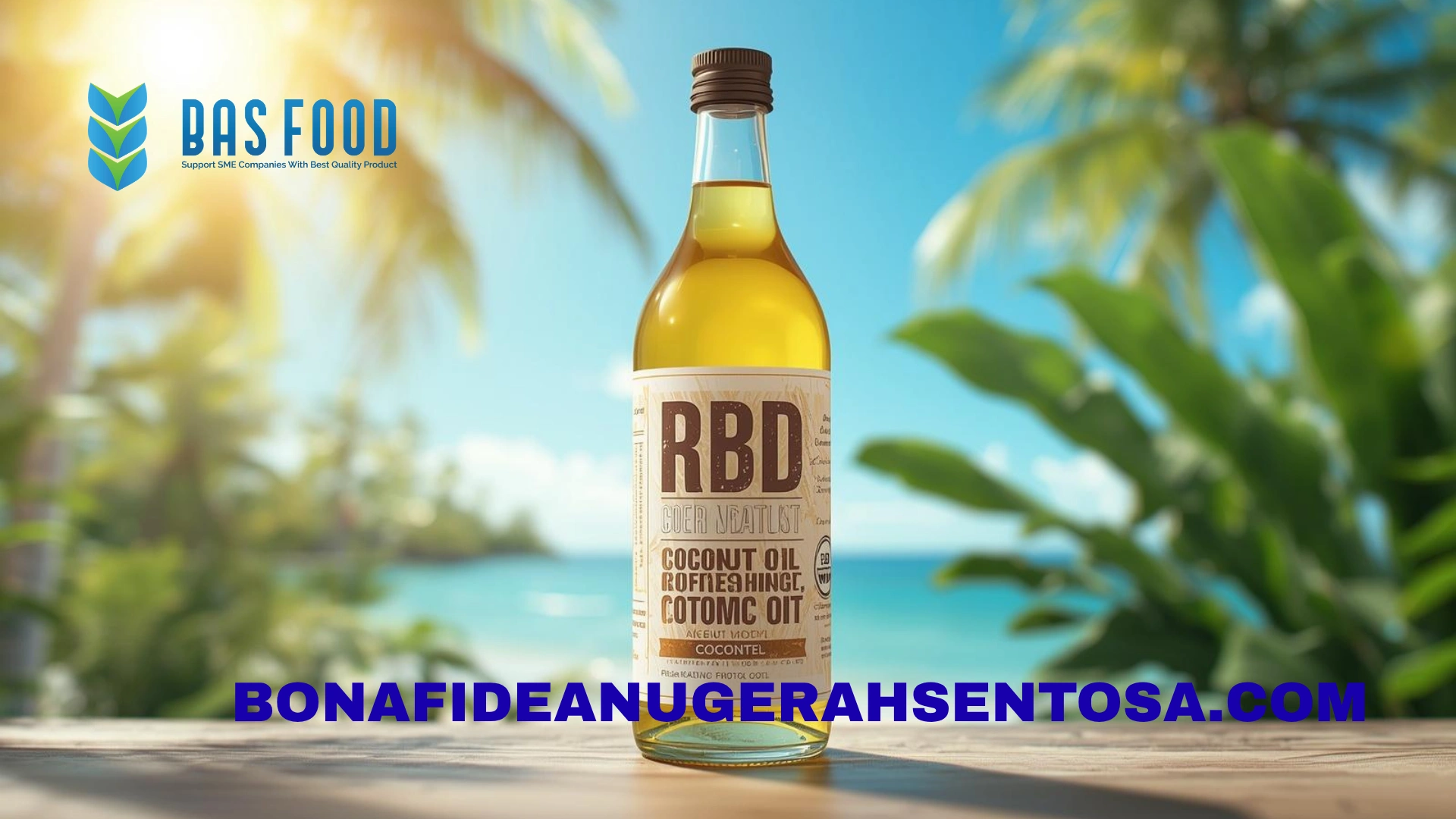
What Is Private Label RBD Coconut Oil? Understanding the Business Model
Defining Private Label in the Coconut Oil Industry
Private labeling refers to a business arrangement where a manufacturer produces goods that are sold under another company’s brand. In the coconut oil sector, this typically involves RBD (refined, bleached, and deodorized) coconut oil.
With private label coconut oil, the manufacturer handles sourcing, refining, and packaging. Meanwhile, the buyer controls branding, marketing, and distribution. This creates a win-win situation for both parties.
Unlike generic bulk trading, private labeling focuses on brand identity. Companies can customize packaging, labeling, and even product specifications to match their target market.
Difference Between OEM and Contract Manufacturing
Although often used interchangeably, OEM coconut oil and contract manufacturing coconut oil have slight differences.
OEM (Original Equipment Manufacturer) typically refers to standardized production with minor customization. On the other hand, contract manufacturing offers more flexibility, including formulation changes, packaging design, and branding support.
For international brands, both options provide opportunities to enter new markets quickly. However, the choice depends on the level of customization and control required.
Why International Brands Choose Private Label Coconut Oil
Faster Market Entry and Lower Investment
Launching a new product line usually requires significant capital. However, private label coconut oil removes this barrier. Brands can enter the market without building factories or managing complex production processes.
This approach reduces financial risk and allows companies to test new markets more easily. If demand grows, they can scale production without major infrastructure changes.
In addition, working with experienced suppliers ensures faster production timelines. This is especially important in competitive industries where speed matters.
Focus on Branding and Customer Experience
By outsourcing production through contract manufacturing coconut oil, companies can focus on what truly differentiates them: their brand.
They can invest more in marketing strategies, packaging design, and customer engagement. This creates stronger brand recognition and customer loyalty.
Moreover, private labeling allows brands to adapt quickly to market trends. They can launch new variants, adjust packaging, or target different customer segments with ease.
Quality and Compliance: The Backbone of Private Label Success
Meeting International Food Safety Standards
Quality is the foundation of any successful private label rbd coconut oil product. International markets require strict compliance with food safety regulations.
Reliable manufacturers follow standards such as HACCP, ISO, and Codex Alimentarius. These certifications ensure that the product is safe, consistent, and suitable for global distribution.
For brands, this means peace of mind. They can confidently market their products knowing that they meet regulatory requirements.
Consistency Across Every Batch
Consistency is critical in B2B trade. Customers expect the same quality every time they purchase a product.
Experienced OEM coconut oil suppliers implement strict quality control systems. They monitor every stage of production, from raw material sourcing to final packaging.
This ensures that each batch meets the same specifications. As a result, brands can maintain their reputation and build long-term customer trust.
Customization Options: Building a Unique Product Identity
Packaging and Branding Flexibility
One of the biggest advantages of private label coconut oil is customization. Brands can choose from various packaging options, including bottles, jars, and bulk containers.
They can also design labels that reflect their brand identity. This includes logo placement, color schemes, and product information.
Customization helps products stand out on store shelves. It also creates a strong visual connection with consumers.
Product Specifications and Market Adaptation
Beyond packaging, brands can customize product specifications. For example, they can request specific RBD coconut oil grades based on their target market.
Through contract manufacturing coconut oil, companies can adapt to different regional preferences. Some markets may prefer certain packaging sizes or labeling formats.
This flexibility allows brands to stay competitive in diverse markets. It also supports long-term growth and expansion.
Supply Chain Efficiency: Ensuring Reliable Global Distribution
Streamlined Production and Logistics
A strong supply chain is essential for successful private labeling. Manufacturers with export experience can handle production, packaging, and shipping efficiently.
This reduces delays and ensures timely delivery. For international brands, this reliability is crucial.
Working with a trusted OEM coconut oil partner also simplifies logistics. They often provide support with documentation, customs clearance, and shipping arrangements.
Scalability for Growing Demand
As demand increases, brands need suppliers who can scale production. Private label coconut oil manufacturers typically have the capacity to handle large orders.
This scalability supports business growth without compromising quality. It also allows brands to expand into new markets with confidence.
In addition, long-term partnerships create stability in the supply chain. This helps reduce risks and improve operational efficiency.
Choosing the Right Private Label Partner: Key Factors to Consider
Experience and Industry Expertise
Not all manufacturers offer the same level of expertise. Therefore, it is important to choose a partner with proven experience in contract manufacturing coconut oil.
Experienced suppliers understand market requirements and can provide valuable insights. They also have established systems for quality control and compliance.
This reduces the risk of errors and ensures smooth operations.
Transparency and Communication
Clear communication is essential in any business partnership. Reliable suppliers provide detailed information about their processes and capabilities.
They should be open about production timelines, pricing, and quality standards. Transparency builds trust and strengthens long-term relationships.
In addition, responsive communication helps resolve issues quickly and efficiently.
Future Trends: The Growing Demand for Private Label Coconut Oil
Rising Global Demand for Coconut-Based Products
The global demand for coconut-based products continues to grow. Consumers are increasingly looking for natural and versatile ingredients.
This trend creates new opportunities for private label coconut oil. Brands can tap into this demand by offering high-quality products under their own label.
At the same time, sustainability and ethical sourcing are becoming more important. Manufacturers who prioritize these values will have a competitive advantage.
Innovation and Product Diversification
Innovation is another key trend. Brands are exploring new product formats, such as flavored oils or specialized blends.
Through OEM coconut oil, companies can experiment with new ideas without significant investment. This encourages creativity and market differentiation.
As the industry evolves, private labeling will remain a powerful strategy for growth.
Conclusion: Building a Strong Brand with Private Label Coconut Oil
Private labeling is more than a cost-saving strategy. It is a pathway to building a strong and recognizable brand in the global market.
By leveraging private label rbd coconut oil, companies can focus on branding while relying on expert manufacturers for production. This creates efficiency, flexibility, and scalability.
With the support of OEM RBD coconut oil and contract manufacturing coconut oil, international brands can expand faster and compete more effectively.
In the end, success depends on choosing the right partner. With the right collaboration, private labeling becomes a powerful tool for long-term growth.