
In the global edible oil market, clarity is everything. Importers do not just buy products. They buy specifications, consistency, and trust. This is especially true when dealing with refined coconut oil, where slight variations in quality can affect production outcomes. That is why understanding RBD coconut oil grades is essential. Whether you are sourcing for food manufacturing, cosmetics, or industrial use, knowing the right grade helps you avoid costly mistakes. It also ensures that your product meets regulatory standards in your target market.
In this guide, we break down everything importers need to know. We explain grading systems, technical parameters, and key industrial coconut oil specs. At the same time, we highlight how to identify true food grade coconut oil that meets global expectations.
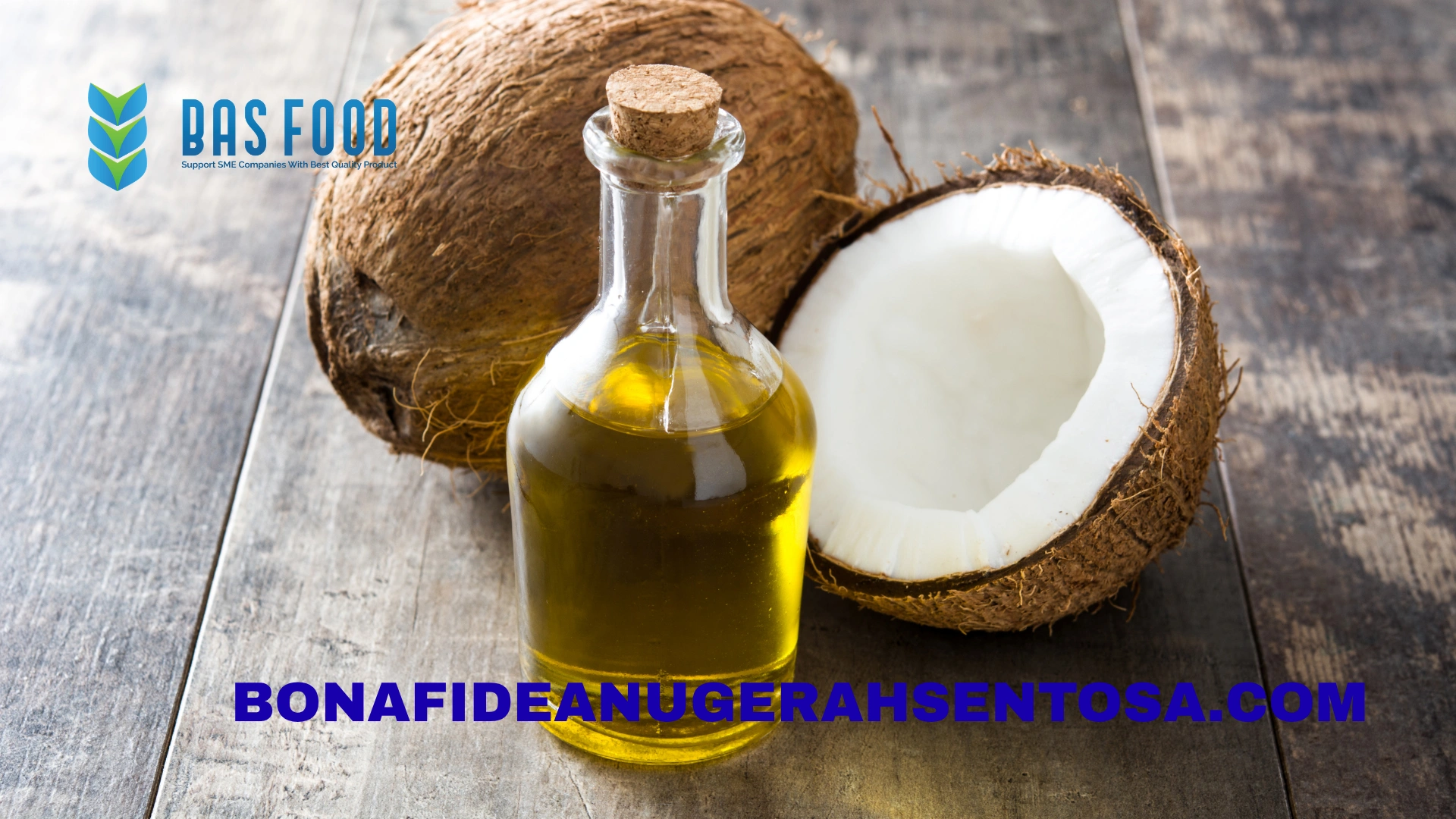
What Is RBD Coconut Oil? A Quick Refresher Before Diving Into Grades
RBD coconut oil stands for refined, bleached, and deodorized coconut oil. It is produced from dried coconut meat, also known as copra. The refining process removes impurities, color, and odor, resulting in a clean and stable oil.
This process plays a critical role in defining RBD coconut oil grades. Each stage, from refining to deodorizing, affects the final quality. Therefore, manufacturers must control every step carefully to produce oil that meets specific standards.
Unlike virgin coconut oil, RBD oil has a neutral taste and smell. Because of this, it is widely used in food processing, cosmetics, and industrial applications. Its versatility makes it one of the most traded coconut-based products worldwide.
For importers, this means one thing. You must understand how grades reflect quality, not just appearance. A clear oil does not always mean a high-grade product. The real indicators lie in technical specifications.
Understanding RBD Coconut Oil Grades: What Do They Really Mean?
The Concept of Grading in Coconut Oil
In general, RBD coconut oil grades are based on measurable quality parameters. These include free fatty acid (FFA) levels, moisture content, color, odor, and purity.
Higher-grade oil typically has lower FFA levels and minimal moisture. It also appears clear and has no strong odor. These qualities are important because they affect shelf life and stability.
For example, premium-grade oil is often used as food grade coconut oil. It meets strict safety standards and performs well in food production. On the other hand, lower grades may be suitable for industrial applications where taste and aroma are less important.
Common Commercial Grades in the Market
Although there is no single global grading system, most suppliers classify RBD coconut oil into three main categories:
- Food Grade (Premium Grade)
This is the highest quality level. It complies with international food safety standards and is safe for human consumption. It has very low FFA levels, usually below 0.1%, and minimal impurities. - Industrial Grade
This type meets basic industrial coconut oil specs but may not be suitable for food use. It is often used in soap manufacturing, cosmetics, and biodiesel production. - Technical Grade
This is the lowest grade. It may have higher FFA levels and less strict processing control. It is used in non-food industries where purity is less critical.
Understanding these categories helps importers align product selection with their business needs.
Key Specifications Importers Must Check Before Buying
Free Fatty Acid (FFA) Content
FFA is one of the most important indicators in RBD coconut oil grades. It measures the level of oil degradation. Lower FFA means better quality and longer shelf life.
For food grade coconut oil, FFA levels are typically below 0.1%. In contrast, industrial grades may have higher levels. Therefore, always request a certificate of analysis (COA) from your supplier.
Moisture and Impurities
Moisture content affects stability. High moisture can lead to microbial growth and spoilage. Good-quality oil has moisture levels below 0.1%.
Impurities should also be minimal. Clean oil ensures better performance in both food and industrial applications.
Color and Appearance
Color is another visible indicator of quality. High-grade RBD coconut oil is clear and water-like in appearance. It should not contain sediments or cloudiness.
Although color alone does not define quality, it still reflects the effectiveness of the refining process.
Odor and Taste
For food grade coconut oil, neutrality is key. The oil should have no strong smell or taste. This makes it suitable for a wide range of food products.
If the oil has a noticeable odor, it may indicate incomplete deodorization or poor processing.
Industrial Coconut Oil Specs: What Non-Food Buyers Need to Know
Specifications for Industrial Applications
Not all buyers need food-grade oil. Many industries use coconut oil for non-edible purposes. In these cases, industrial coconut oil specs become more relevant.
For example, soap manufacturers focus on fatty acid composition rather than taste. Similarly, biodiesel producers prioritize oil stability and availability over appearance.
Industrial-grade oil may have higher FFA levels, but it still needs to meet certain quality standards. Consistency remains important, even in non-food applications.
Balancing Cost and Quality
One advantage of industrial-grade oil is cost efficiency. Since it requires less processing, it is usually cheaper than food-grade oil.
However, importers should not compromise too much on quality. Poor-quality oil can affect production efficiency and final product performance.
Therefore, even when sourcing industrial-grade oil, always review the specifications carefully. A slightly higher investment in better quality often leads to better results.
Food Grade Coconut Oil: Standards and Compliance for Importers
International Food Safety Standards
To qualify as food grade coconut oil, the product must meet strict regulations. These include standards set by organizations such as Codex Alimentarius and local food authorities.
Compliance ensures that the oil is safe for consumption and free from harmful contaminants. It also makes it easier to enter regulated markets like the United States and the European Union.
For importers, this means checking documentation such as:
- Certificate of Analysis (COA)
- HACCP certification
- ISO standards
- Laboratory test reports
These documents confirm that the oil meets required RBD coconut oil grades for food use.
Packaging and Handling Requirements
Food-grade oil must also be handled properly after production. Packaging should prevent contamination and preserve quality.
Common packaging options include:
- Food-grade drums
- Flexitanks
- Intermediate bulk containers (IBC)
Proper storage conditions are also important. The oil should be kept in a cool, dry place away from direct sunlight.
How to Choose the Right Supplier for Consistent Quality
Supplier Experience and Reputation
Choosing the right supplier is just as important as choosing the right grade. Experienced exporters understand international standards and can provide consistent quality.
Look for suppliers with a proven track record in exporting RBD coconut oil grades. They should have experience serving global markets and meeting different regulatory requirements.
Transparency and Documentation
A reliable supplier provides clear and complete information. They should be able to explain their production process and share quality reports.
Transparency builds trust and reduces risks. It also ensures that the oil you receive matches the agreed specifications.
Logistics and Delivery Reliability
Timely delivery is critical in B2B trade. Delays can disrupt production and increase costs.
Therefore, choose a supplier with strong logistics capabilities. They should be able to handle shipping, documentation, and customs requirements efficiently.
Conclusion: Making Smart Import Decisions with the Right Knowledge
Understanding RBD coconut oil grades is not just about technical knowledge. It is about making better business decisions. When you know what to look for, you reduce risks and improve product quality.
Whether you need food grade coconut oil or oil that meets specific industrial coconut oil specs, the key lies in careful evaluation. Always check specifications, verify certifications, and work with trusted suppliers.
In the end, the right combination of quality, consistency, and reliability will define your success in the global market.