
Virgin Coconut Oil (VCO) has become one of the most valuable coconut-derived products in international trade. It serves industries ranging from food manufacturing and cosmetics to wellness and nutraceutical applications. As demand continues increasing worldwide, importers and manufacturers are paying closer attention not only to quality but also to storage performance and product longevity. Many buyers focus on certifications, purity, and pricing during purchasing decisions. However, one critical factor often receives less attention: product shelf life. Even premium oil can lose its value if storage conditions are poor or packaging systems fail to protect product integrity. Therefore, understanding virgin coconut oil shelf life is essential for distributors, retailers, exporters, and manufacturers. In international supply chains, products may spend weeks or months moving through warehouses, shipping containers, ports, and distribution facilities. Because of this, proper VCO storage practices and effective export packaging become extremely important.
Furthermore, maintaining coconut oil stability directly affects customer satisfaction, product appearance, and long-term business success.
This guide explains how Virgin Coconut Oil behaves during storage, what factors influence shelf life, and how businesses can maximize product quality throughout the export journey.
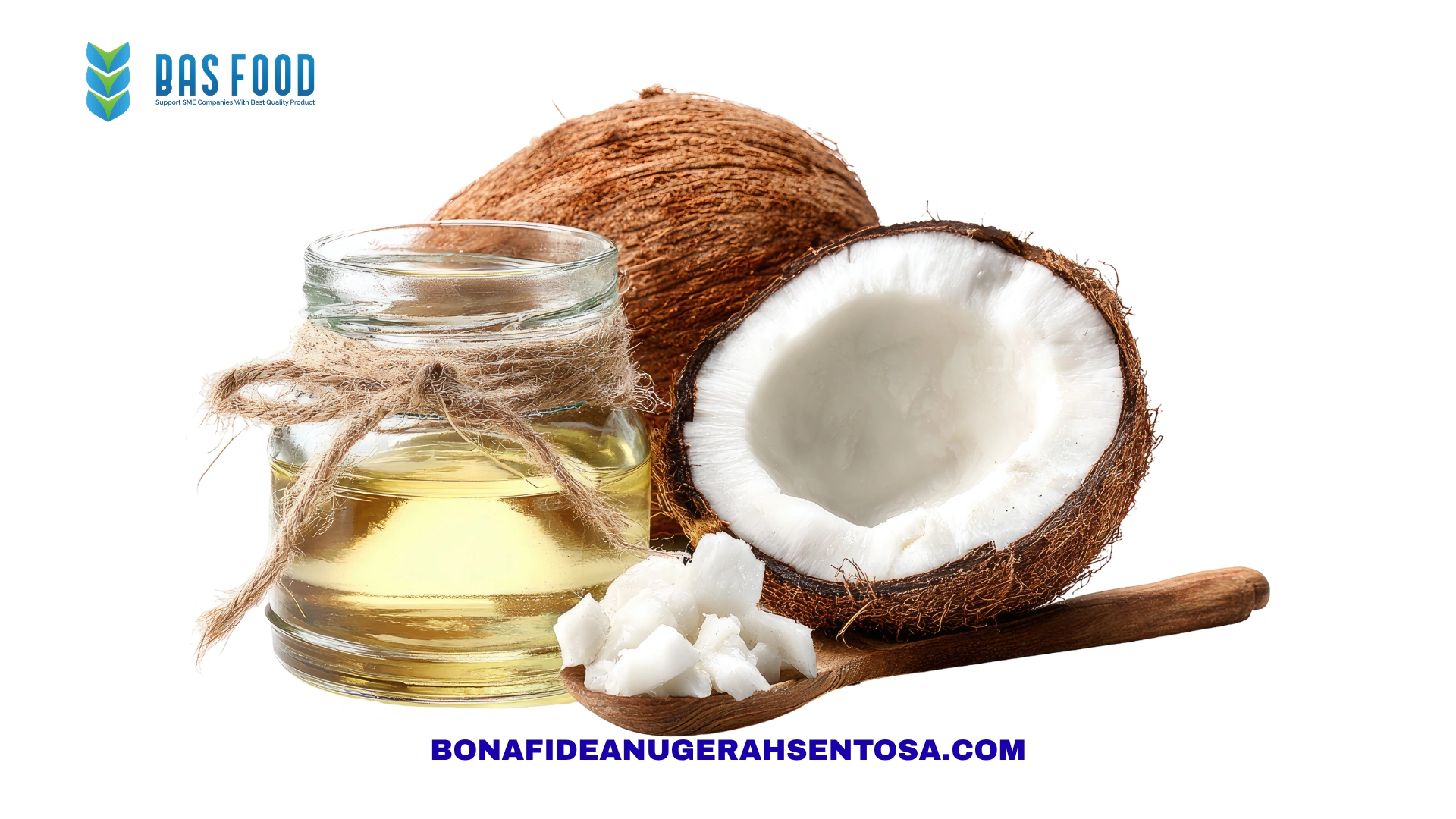
Understanding Virgin Coconut Oil and Its Natural Characteristics
What Is Virgin Coconut Oil?
Virgin Coconut Oil is extracted directly from fresh mature coconut meat through minimal processing methods.
Common extraction techniques include:
- Cold pressing
- Fermentation
- Centrifuge extraction
- Wet processing systems
Unlike heavily refined oils, VCO avoids excessive heat and aggressive chemical treatment.
As a result, the product maintains its natural aroma, clarity, and composition.
These preserved characteristics contribute to the overall virgin coconut oil shelf life.
Why Virgin Coconut Oil Differs from Many Oils
Not all oils behave similarly during storage.
Different oils contain different fatty acid profiles and natural properties.
Virgin Coconut Oil contains a unique structure dominated by saturated fatty acids, including medium-chain fatty acids.
This distinctive profile contributes significantly to improved coconut oil stability compared with many highly unsaturated vegetable oils.
Understanding these characteristics helps businesses establish better storage systems.
What Determines Virgin Coconut Oil Shelf Life?
Shelf Life Is Influenced by Multiple Factors
Many people assume shelf life depends solely on production date.
However, several factors influence product longevity including:
- Raw material quality
- Production methods
- Moisture content
- Packaging systems
- Transportation conditions
- Storage environments
Each variable affects overall product performance.
As a result, maintaining a long virgin coconut oil shelf life requires attention throughout the supply chain.
High Initial Quality Supports Longer Product Performance
Shelf life begins with production quality.
Fresh coconut selection and proper processing methods significantly influence final outcomes.
Professional manufacturers carefully monitor:
- Moisture levels
- Hygiene standards
- Processing temperatures
- Filtration systems
Better production practices help improve coconut oil stability from the beginning.
Understanding Coconut Oil Stability
Why Stability Matters
Stability refers to a product’s ability to maintain its original characteristics over time.
Stable products maintain:
- Appearance
- Aroma
- Texture
- Functionality
- Consumer acceptance
Product degradation can negatively affect customer perception.
Therefore, understanding coconut oil stability remains essential for international businesses.
Fat Composition Supports Product Stability
Virgin Coconut Oil naturally contains a relatively high proportion of saturated fatty acids.
This composition contributes to improved resistance against oxidation.
Compared with oils containing larger amounts of polyunsaturated fats, VCO generally demonstrates stronger storage performance.
This natural advantage supports longer virgin coconut oil shelf life expectations.
Common Factors That Can Reduce Shelf Life
Exposure to Heat Accelerates Quality Changes
Temperature strongly influences oil performance.
High temperatures may accelerate unwanted chemical reactions.
Extended heat exposure can affect:
- Aroma consistency
- Product appearance
- Consumer perception
Therefore, businesses should avoid excessive temperatures during VCO storage.
Warehouses and shipping environments should maintain suitable conditions whenever possible.
Light and Oxygen Can Affect Product Quality
Light and oxygen exposure may gradually affect product quality over time.
Direct sunlight and prolonged air exposure can increase oxidation risks.
Therefore, packaging design becomes extremely important.
Professional export packaging systems help reduce environmental exposure.
Packaging functions not only as transportation protection but also as a preservation tool.
VCO Storage Best Practices for Maximum Product Life
Store Products in Cool and Stable Conditions
Temperature consistency helps preserve quality.
Recommended VCO storage practices generally include:
- Keeping products away from direct sunlight
- Avoiding heat sources
- Maintaining dry environments
- Reducing temperature fluctuations
Stable conditions improve product reliability.
Businesses handling large inventories should implement storage management procedures.
Avoid Frequent Container Opening
Repeated exposure to outside air may gradually affect product conditions.
Each opening creates additional opportunities for:
- Moisture exposure
- Air contact
- Contamination risks
Proper handling procedures help support longer virgin coconut oil shelf life.
Training warehouse staff also improves product protection.
Export Packaging Plays a Critical Role in Product Preservation
Packaging Does More Than Protect During Shipping
Many companies underestimate packaging importance.
However, export packaging directly influences product condition throughout transportation.
Packaging systems help protect against:
- Physical damage
- Heat exposure
- Air exposure
- Moisture contamination
- Light exposure
Strong packaging improves supply chain performance.
Common Packaging Options for Virgin Coconut Oil
Exporters commonly use packaging formats including:
- Food-grade plastic containers
- Glass bottles
- HDPE containers
- Bulk drums
- Flexitank systems
Different markets and shipment volumes require different packaging approaches.
Professional exporters often customize export packaging according to customer needs.
How International Shipping Affects Virgin Coconut Oil Shelf Life
Global Trade Creates Longer Transportation Cycles
International shipments often travel long distances.
Products may spend considerable time in:
- Warehouses
- Shipping containers
- Ports
- Distribution facilities
Environmental conditions vary significantly throughout these stages.
As a result, shipping practices strongly influence virgin coconut oil shelf life.
Climate Conditions Create Additional Challenges
Some export destinations experience high temperatures and humidity.
Without proper planning, these conditions may affect coconut oil stability.
Professional exporters reduce risks through:
- Appropriate packaging selection
- Shipping schedule planning
- Quality monitoring systems
These strategies support product performance during international transport.
Signs That Virgin Coconut Oil Quality May Be Changing
Visual Appearance Changes
Monitoring product appearance provides useful information.
Businesses should observe:
- Unusual color changes
- Excessive cloudiness
- Sediment development
- Packaging abnormalities
Small changes do not always indicate spoilage.
However, monitoring helps maintain quality assurance programs.
Aroma and Sensory Changes
Aroma also serves as a useful indicator.
Unusual odor characteristics may suggest:
- Storage problems
- Environmental exposure
- Packaging issues
Regular inspection supports better inventory management and VCO storage practices.
Why Indonesia Leads Premium VCO Production
Ideal Growing Conditions Support Product Quality
Indonesia remains one of the world’s largest coconut-producing countries.
Its tropical environment provides favorable growing conditions year-round.
This abundance supports stable raw material availability.
Strong agricultural resources contribute positively to virgin coconut oil shelf life through quality raw materials.
Continuous Industry Improvement Strengthens Exports
Indonesian manufacturers increasingly invest in:
- Food safety systems
- Quality laboratories
- Modern extraction technology
- International certifications
These improvements help preserve coconut oil stability and strengthen global competitiveness.
Why CV Bonafide Anugerah Sentosa Is a Trusted Export Partner
Commitment to Quality and Product Protection
CV Bonafide Anugerah Sentosa specializes in exporting coconut products, spices, coffee, and fishery products from Indonesia.
The company prioritizes quality consistency and reliable supply systems.
Strong sourcing partnerships help maintain stable production standards.
Complete Support for Global Buyers
The company provides:
- Product customization
- Quality control systems
- Packaging consultation
- Export documentation
- Logistics coordination
This complete approach helps customers maintain product quality throughout global distribution.
Professional support also strengthens long-term VCO storage and transportation success.
Future Trends in VCO Packaging and Storage Innovation
Smart Packaging Solutions Continue Emerging
Packaging technology continues evolving.
Future developments may include:
- Enhanced barrier materials
- Sustainable packaging solutions
- Intelligent monitoring systems
- Improved transport efficiency
These innovations may improve export packaging performance significantly.
Sustainability Will Shape Future Storage Systems
Consumers increasingly expect environmentally responsible products.
Future storage and packaging strategies may focus on:
- Recyclable materials
- Reduced waste
- Improved logistics efficiency
- Sustainable supply chains
These changes may influence future approaches to coconut oil stability management.
Conclusion: Better Storage Creates Better Product Performance
Maintaining product quality involves more than producing excellent Virgin Coconut Oil. Long-term performance also depends on storage practices, packaging systems, and transportation management.
Understanding virgin coconut oil shelf life helps businesses reduce risks and improve customer satisfaction.
Proper VCO storage, carefully designed export packaging, and strategies that preserve coconut oil stability support stronger product performance throughout international supply chains.
As global VCO demand continues growing, businesses that prioritize product preservation will create stronger competitive advantages.
By partnering with trusted exporters such as CV Bonafide Anugerah Sentosa, global buyers can secure premium products supported by professional logistics and export expertise.