
Consumer behavior has changed dramatically over the past decade. Across international markets, people increasingly choose products made from natural ingredients, sustainable sources, and transparent production systems. As a result, food brands, cosmetic companies, and wellness industries continue shifting toward ingredients that align with clean-label trends. Among these ingredients, organic virgin coconut oil has emerged as one of the fastest-growing coconut-derived products in global trade. Its popularity extends far beyond household use. Today, manufacturers use organic VCO in food formulations, skincare products, dietary applications, and wellness industries. At the same time, importers and distributors increasingly seek certified products that comply with international requirements. Certifications such as USDA organic VCO, EU organic certification, and halal VCO standards have become essential for global market access.
This article explores what organic virgin coconut oil is, how it is produced, why demand continues increasing, and how businesses can benefit from sourcing certified VCO from Indonesia.
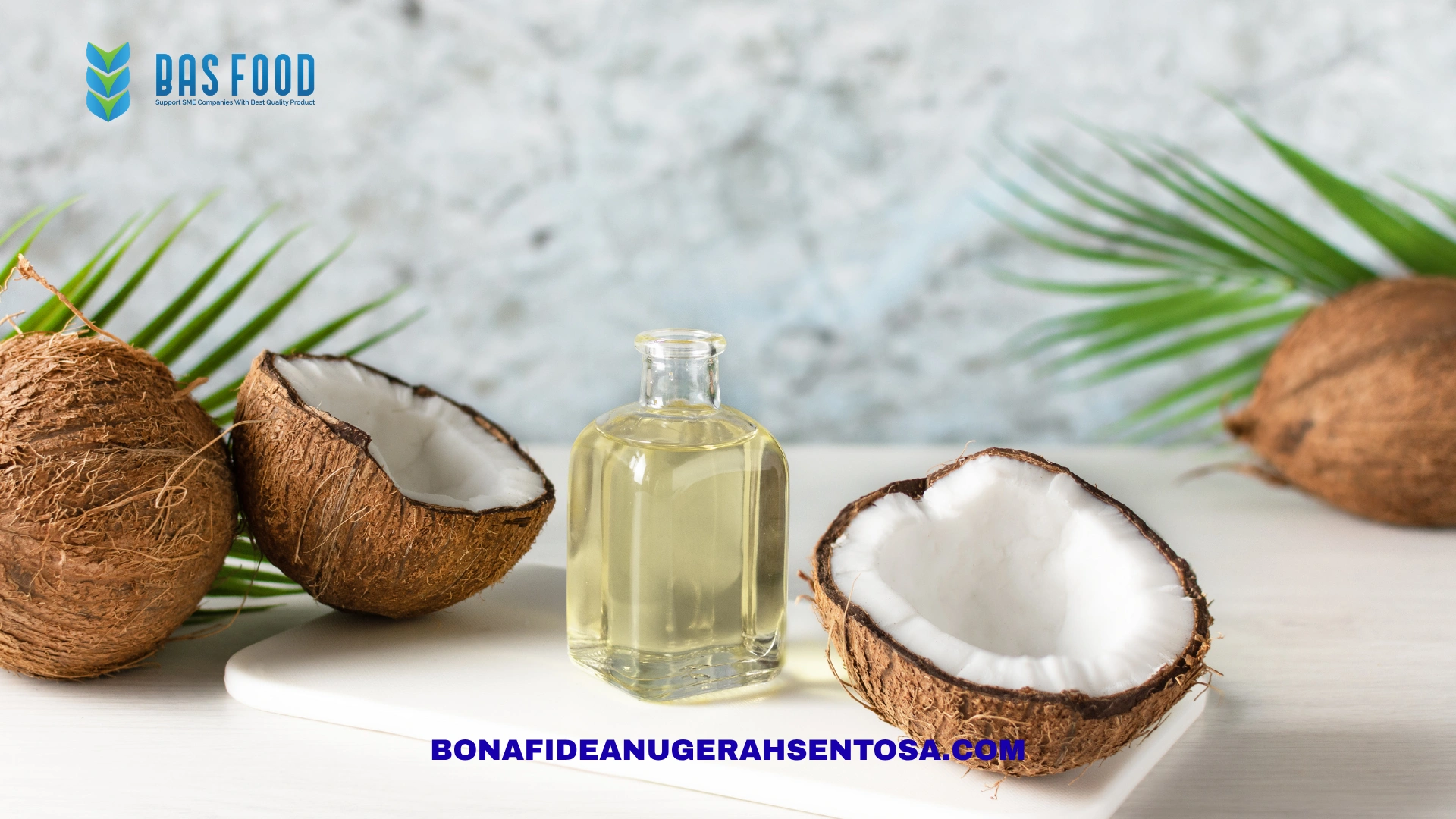
Understanding Organic Virgin Coconut Oil
What Is Organic Virgin Coconut Oil?
Organic Virgin Coconut Oil, commonly known as organic VCO, is oil extracted from fresh mature coconut meat using carefully controlled methods that preserve natural quality while complying with organic production standards.
Unlike refined coconut oil, organic VCO avoids aggressive chemical treatment, bleaching processes, and excessive heat exposure.
Common extraction methods include:
- Cold pressing
- Fermentation
- Centrifuge processing
- Wet extraction systems
These approaches help maintain product integrity and preserve natural characteristics.
As a result, high-quality organic virgin coconut oil retains its distinctive aroma, clarity, and composition.
What Makes Organic Production Different?
Organic production involves more than avoiding chemicals.
Certified systems often include controls regarding:
- Agricultural practices
- Raw material handling
- Production systems
- Processing methods
- Traceability requirements
These systems help ensure product authenticity.
International buyers increasingly prioritize certified products because transparency has become a major purchasing factor.
Why Global Demand for Organic Virgin Coconut Oil Continues Rising
Consumer Preferences Continue Evolving
Modern consumers increasingly seek products they perceive as:
- Natural
- Organic
- Plant-based
- Sustainably sourced
- Minimally processed
This trend influences nearly every major industry.
As demand for clean-label products grows, organic virgin coconut oil continues expanding into multiple markets.
Multiple Industries Support Market Growth
Today, organic VCO appears in various industries including:
- Food manufacturing
- Cosmetics
- Wellness products
- Nutritional products
- Personal care applications
Growing industrial demand creates significant opportunities for suppliers and exporters.
Understanding USDA Organic VCO Certification
Why USDA Organic Standards Matter
The United States remains one of the largest markets for organic products worldwide.
Therefore, exporters frequently seek USDA organic VCO certification to access American markets.
USDA certification helps verify compliance with organic production principles.
Requirements commonly include:
- Approved farming systems
- Restricted synthetic substances
- Controlled processing systems
- Documentation procedures
These standards increase buyer confidence.
Certification Builds International Trust
Certifications function as quality signals.
International buyers often use certifications to evaluate suppliers before conducting business.
For many importers, USDA organic VCO status helps simplify sourcing decisions.
As competition increases, certified products often gain stronger market positioning.
Understanding EU Organic Certification Requirements
European Markets Maintain Strict Expectations
Europe remains a major destination for organic products.
However, European buyers frequently maintain strict standards involving sourcing and traceability.
Obtaining EU organic certification helps suppliers demonstrate compliance with European requirements.
Common evaluation areas include:
- Farm management practices
- Production controls
- Documentation systems
- Product traceability
Meeting these standards improves export opportunities.
Certification Supports Long-Term Market Access
European consumers increasingly value sustainability and transparency.
Therefore, certified products often perform more competitively.
Many importers actively search for suppliers capable of providing EU organic certification documentation.
For exporters, certification often becomes a long-term investment.
Halal VCO and the Growing Global Halal Market
Why Halal Certification Matters
The halal market has grown significantly worldwide.
Although halal certification often relates to Muslim-majority countries, demand now extends into broader international markets.
Many buyers seek products meeting halal standards because certification supports:
- Product transparency
- Manufacturing controls
- Consumer trust
As a result, halal VCO demand continues increasing.
Halal Markets Continue Expanding
Major halal markets include:
- Middle East countries
- Southeast Asia
- South Asia
- Muslim communities in Europe and North America
This market expansion creates strong opportunities for exporters of organic virgin coconut oil.
Production Process: From Fresh Coconuts to Organic VCO
Quality Starts with Raw Material Selection
Premium VCO production begins with fresh mature coconuts.
Raw material quality significantly affects final outcomes.
Manufacturers often evaluate:
- Coconut maturity
- Freshness
- Farm practices
- Handling systems
Careful sourcing supports product consistency.
High-quality production begins long before extraction starts.
Controlled Processing Protects Product Quality
Processing methods strongly influence product characteristics.
Professional facilities carefully monitor:
- Temperature exposure
- Moisture levels
- Equipment sanitation
- Production environments
These controls help preserve organic virgin coconut oil quality.
Industrial Applications of Organic Virgin Coconut Oil
Food Industry Applications
Food manufacturers increasingly incorporate organic VCO into products such as:
- Functional beverages
- Bakery products
- Plant-based foods
- Nutritional products
Clean-label positioning strengthens product appeal.
This trend supports growing demand worldwide.
Cosmetics and Personal Care Applications
Cosmetic industries increasingly use organic VCO in:
- Hair products
- Skin creams
- Body lotions
- Lip products
- Massage oils
Consumers often associate coconut-derived ingredients with natural beauty and premium quality.
Quality Control Systems Support Global Trade
Consistency Matters in International Markets
Importers increasingly expect products with stable quality characteristics.
Professional manufacturers often monitor:
- Moisture levels
- Product appearance
- Packaging systems
- Product purity
These systems help maintain customer confidence.
Reliable quality control strengthens international competitiveness.
Laboratory Testing Improves Product Reliability
Modern manufacturers increasingly invest in:
- Internal laboratories
- Food safety systems
- Product verification procedures
- Traceability systems
These investments support product consistency and long-term buyer relationships.
Why Indonesia Leads Organic Virgin Coconut Oil Production
Tropical Conditions Support Coconut Cultivation
Indonesia remains one of the world’s largest coconut-producing countries.
Its climate supports year-round production and stable raw material availability.
Large coconut-growing regions help support continuous export activity.
This supply advantage strengthens Indonesia’s position within global VCO markets.
Traditional Knowledge Meets Modern Manufacturing
Indonesian producers increasingly combine local agricultural expertise with advanced technology.
Manufacturers continue investing in:
- Food safety systems
- International certifications
- Modern extraction equipment
- Export infrastructure
These improvements strengthen competitiveness globally.
Why CV Bonafide Anugerah Sentosa Is a Trusted Export Partner
Strong Commitment to Quality
CV Bonafide Anugerah Sentosa specializes in exporting coconut products, spices, coffee, and fishery products from Indonesia.
The company prioritizes sourcing consistency and long-term customer satisfaction.
Strong supplier partnerships support stable production systems.
Complete Export Services for International Buyers
CV Bonafide Anugerah Sentosa offers:
- Product customization
- Packaging support
- Export documentation
- Quality control systems
- Logistics coordination
These services simplify sourcing and improve customer confidence.
Businesses seeking premium organic virgin coconut oil benefit from experienced export support.
Future Trends: What Comes Next for Organic VCO?
Clean Label Products Will Continue Expanding
Consumers increasingly prioritize:
- Ingredient transparency
- Sustainable sourcing
- Organic certifications
- Plant-based products
These trends support long-term VCO growth.
Demand for certified products will likely continue increasing.
Certifications Will Become More Important
Future market competition may increasingly depend on certification systems.
Products featuring:
- USDA organic VCO
- EU organic certification
- halal VCO
may gain stronger positioning within global markets.
Conclusion: Organic Virgin Coconut Oil Continues Building Global Opportunities
The global shift toward natural ingredients continues creating new opportunities for coconut-derived products.
As consumers prioritize transparency and sustainability, organic virgin coconut oil remains positioned as one of the most versatile ingredients in international trade.
Its applications across food, cosmetics, and wellness sectors continue expanding.
At the same time, certifications such as USDA organic VCO, EU organic certification, and halal VCO strengthen buyer confidence and market access.
Indonesia remains one of the strongest sourcing destinations due to abundant resources and growing manufacturing capabilities.
By partnering with trusted exporters such as CV Bonafide Anugerah Sentosa, global buyers can access reliable products and long-term supply solutions.