
Consumers are changing the way they shop for food. Instead of focusing only on price or brand, many now spend time reading ingredient labels before making a purchase. They prefer products with short ingredient lists, recognizable names, and ingredients that come from natural sources. This shift has created a strong global demand for clean label products across almost every food category. As food manufacturers respond to these changing expectations, one ingredient has gained significant attention: clean label palm sugar. This naturally derived sweetener offers a simple ingredient declaration, an authentic caramel flavor, and broad application across bakery, beverages, dairy, confectionery, sauces, and healthy snacks. For manufacturers looking to create products with fewer artificial ingredients, palm sugar has become an attractive solution.
Indonesia has long been recognized as one of the world’s leading producers of palm sugar. With abundant palm resources, experienced farmers, and export-focused manufacturers, the country supplies premium palm sugar to buyers across Europe, North America, Asia, the Middle East, and Africa. Working with an experienced palm sugar supplier helps international food companies secure consistent quality, reliable logistics, and food safety standards.
In this comprehensive guide, we explore why clean label palm sugar is becoming a preferred ingredient for modern food manufacturing, how it supports food innovation, what buyers should look for in a supplier, and why Indonesia continues to be a trusted global sourcing destination.
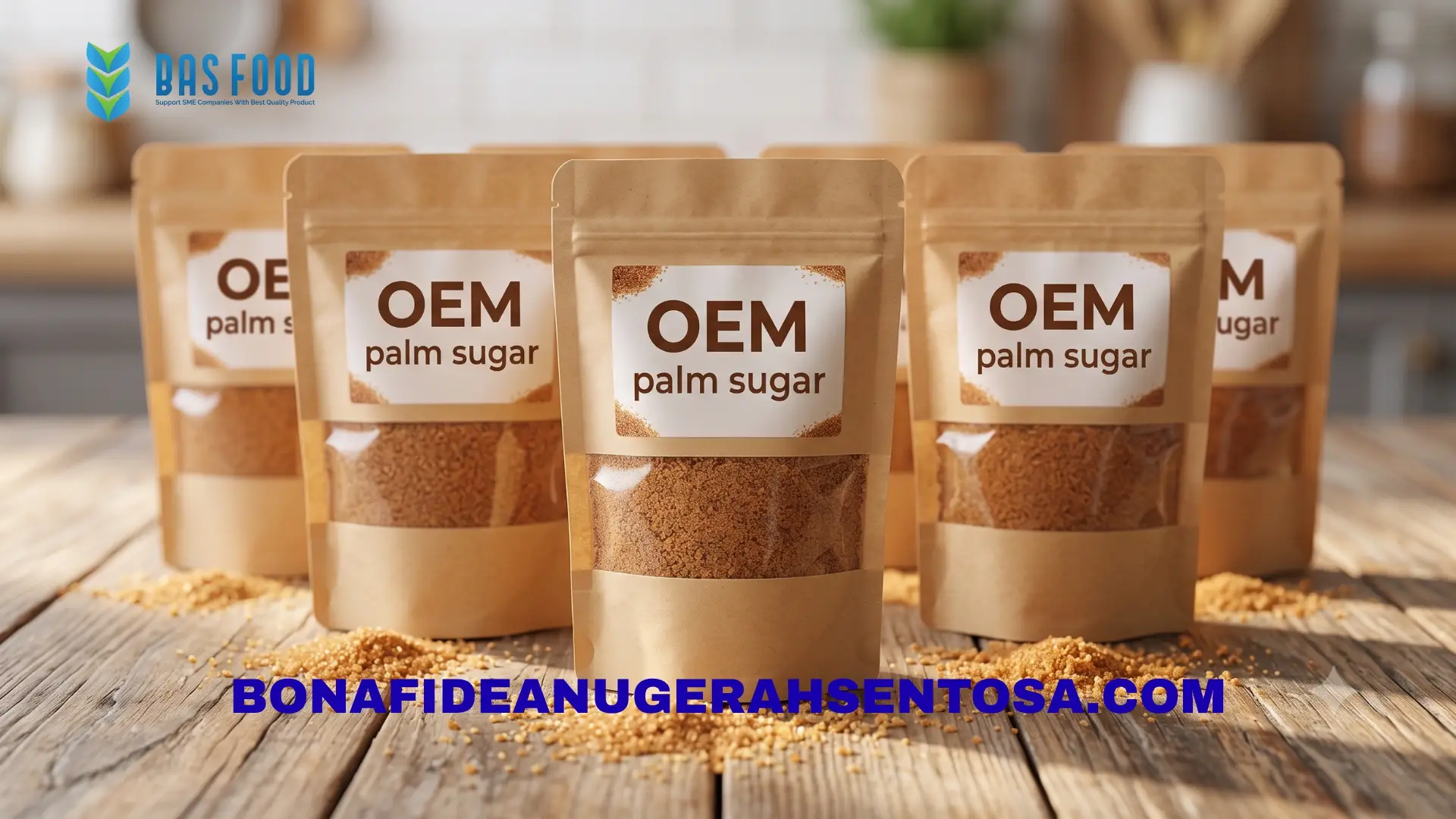
Why Clean Label Foods Continue to Shape the Global Market
The clean label movement is no longer a passing trend. It has become a major direction for the global food industry. Consumers increasingly expect transparency, simple ingredient lists, and foods that feel less processed. As a result, manufacturers are reformulating products to remove artificial colors, synthetic flavors, preservatives, and highly processed ingredients whenever possible.
This demand is driven by several factors. Consumers want to understand what they eat, parents seek products with familiar ingredients for their families, and retailers continue expanding their clean label product selections. Together, these changes have encouraged manufacturers to rethink product development from the ground up.
At the center of this transformation is the search for every suitable natural ingredient that can improve product quality while maintaining consumer confidence. Sweeteners play an especially important role because they affect flavor, texture, color, shelf life, and overall eating experience.
That is where clean label palm sugar offers significant value. It allows manufacturers to maintain a recognizable ingredient declaration while providing functional benefits across multiple food categories.
What Is Clean Label Palm Sugar?
Palm sugar is produced by collecting sap from selected palm tree blossoms and gently heating it until the water evaporates. The remaining syrup naturally thickens before becoming granulated or molded into solid forms.
Unlike highly refined white sugar, palm sugar typically undergoes minimal processing. This simple production method supports clean label positioning because manufacturers can list “palm sugar” as an ingredient that consumers easily recognize.
The term clean label palm sugar refers not only to the ingredient itself but also to responsible production practices. High-quality manufacturers focus on maintaining product purity, avoiding unnecessary additives, and delivering consistent quality suitable for international food production.
Because of its mild caramel flavor and pleasant aroma, palm sugar has become increasingly popular among companies developing premium foods that emphasize authenticity and simple ingredients.
Why Food Manufacturers Choose Clean Label Palm Sugar
Food developers evaluate every ingredient based on functionality, consumer appeal, manufacturing performance, and supply reliability. Palm sugar performs well in each of these areas.
Simple Ingredient Declaration
Modern consumers appreciate ingredient lists they can understand. Palm sugar is easy to recognize, making it an excellent clean label sweetener for products positioned around transparency and simplicity.
Rather than relying on complicated ingredient names, manufacturers can communicate a more natural product story through familiar ingredients.
Rich Natural Flavor
Palm sugar provides gentle caramel and toffee notes that enhance many recipes without overwhelming other ingredients.
This balanced flavor profile works well in baked goods, beverages, cereals, desserts, sauces, chocolates, and snack products.
Excellent Manufacturing Performance
Palm sugar blends well with many dry ingredients and performs reliably during commercial food production.
Its consistent granule size supports accurate mixing, while its natural characteristics contribute to attractive color development during baking.
These qualities continue driving the popularity of clean label palm sugar across global food industries.
Clean Label Palm Sugar Supports Food Innovation
The modern food industry moves quickly. Every year manufacturers introduce healthier snacks, plant-based foods, functional beverages, premium bakery products, and convenient meal solutions.
Developing these products requires ingredients that support creativity while meeting consumer expectations. This is where food innovation and clean label ingredients work together.
Palm sugar enables manufacturers to experiment with new flavor combinations while maintaining simple ingredient declarations. Product developers can create recipes that appeal to consumers looking for authentic flavors and recognizable ingredients.
Examples of food innovation using clean label palm sugar include:
- Premium granola
- Breakfast cereals
- Functional snack bars
- Dairy alternatives
- Plant-based beverages
- Healthy cookies
- Artisan chocolate
- Ice cream
- Yogurt products
- Gourmet sauces
- Marinades
- Instant beverage mixes
As companies continue investing in premium food products, palm sugar offers flexibility across numerous formulations.
Clean Label Sweetener vs Refined Sugar
Manufacturers often compare different sweetening ingredients before finalizing a formulation.
Refined white sugar provides consistent sweetness but undergoes extensive processing. Some consumers associate this with less natural product positioning.
On the other hand, clean label sweetener options such as palm sugar help manufacturers align with clean label trends by offering recognizable ingredient names and authentic production stories.
Palm sugar also contributes unique caramel notes that can enhance product flavor naturally.
Of course, every sweetener has advantages depending on the application. Product developers should evaluate sweetness level, flavor, color, manufacturing process, target consumers, and regulatory requirements before selecting ingredients.
Applications Across Multiple Food Industries
One reason clean label palm sugar continues growing is its remarkable versatility.
Manufacturers use it across many product categories because it combines pleasant flavor with excellent processing characteristics.
Bakery Products
Palm sugar works beautifully in breads, cookies, muffins, cakes, brownies, and pastries.
Its caramel notes provide additional flavor depth while contributing attractive golden-brown color during baking.
Beverage Industry
Many beverage manufacturers incorporate palm sugar into coffee drinks, tea blends, chocolate beverages, smoothies, and specialty health drinks.
Consumers increasingly appreciate beverages sweetened with recognizable ingredients.
Dairy Applications
Palm sugar complements yogurt, flavored milk, ice cream, frozen desserts, and dairy-based snacks.
Its subtle sweetness pairs especially well with vanilla, chocolate, coconut, cinnamon, and coffee flavors.
Confectionery
Chocolate manufacturers, candy producers, and caramel makers often explore palm sugar for premium confectionery collections.
Its distinctive flavor profile helps create unique product differentiation.
Sauces and Seasonings
Palm sugar balances acidity and spices in barbecue sauces, marinades, Asian sauces, dipping sauces, curry pastes, and seasoning blends.
This versatility continues expanding opportunities for food innovation.
Why Indonesia Is a Global Leader
Indonesia has produced palm sugar for generations.
Its tropical climate supports abundant palm tree growth, while local farming communities possess extensive knowledge of sap collection and traditional processing techniques.
Modern export manufacturers combine this heritage with advanced food safety systems and quality management.
As a result, Indonesia supplies premium palm sugar to customers worldwide.
International buyers value Indonesian producers because they offer:
- Granulated palm sugar
- Powder palm sugar
- Organic options
- Conventional products
- Retail packaging
- Bulk packaging
- Industrial packaging
- OEM production
- Private label manufacturing
A reliable palm sugar supplier understands international documentation, shipping requirements, and customer specifications.
Quality Standards Buyers Should Expect
Ingredient consistency is essential for commercial food production.
Every batch should perform the same way during manufacturing.
Professional exporters therefore implement strict quality control procedures.
Important quality considerations include:
Moisture Control
Proper moisture levels help prevent clumping while supporting product stability.
Consistent Particle Size
Uniform granules improve blending, packaging, and manufacturing efficiency.
Food Safety
Manufacturers should operate under recognized food safety management systems suitable for export production.
Traceability
Reliable suppliers document production from raw material collection through final packaging.
Laboratory Testing
Routine testing helps maintain microbiological quality, product consistency, and compliance with customer specifications.
Choosing a dependable palm sugar exporter significantly reduces purchasing risk.
Selecting the Right Palm Sugar Supplier
Finding the best supplier involves much more than comparing prices.
Professional buyers evaluate manufacturers using several important criteria.
Production Capacity
Can the supplier consistently meet annual demand?
Export Experience
Does the company regularly serve Europe, North America, Asia, Africa, and the Middle East?
Packaging Flexibility
Can industrial, retail, and customized packaging all be supplied?
Technical Support
Can the supplier answer formulation questions and provide product specifications?
Documentation
Can certificates and export documents be provided promptly?
Working with an experienced palm sugar supplier creates long-term business stability while reducing supply chain disruptions.
Palm Sugar Supplier vs Coconut Sugar Supplier
Many international buyers also compare palm sugar with coconut sugar.
Although both products come from palm tree sap, they originate from different species and possess different flavor characteristics.
Some companies specialize exclusively in palm sugar, while others operate as both a palm sugar supplier and a coconut sugar supplier.
For food manufacturers producing multiple product lines, sourcing from one supplier that offers several natural sweeteners can simplify purchasing and logistics.
An experienced coconut sugar supplier may also provide complementary products for manufacturers seeking broader ingredient portfolios.
Understanding product differences allows buyers to select the ingredient that best supports their product goals.
Sustainability Strengthens Brand Value
Sustainability has become an important purchasing consideration throughout the food industry.
Many Indonesian producers source palm sap from smallholder farmers using traditional harvesting techniques that do not require cutting down the trees.
This approach supports renewable production while helping local farming communities maintain long-term livelihoods.
Food brands increasingly highlight responsible sourcing as part of their environmental, social, and governance (ESG) initiatives.
Using responsibly produced clean label palm sugar can strengthen both product storytelling and consumer confidence.
Future Trends for Clean Label Palm Sugar
The future looks promising for clean label ingredients.
Consumers continue seeking products with authentic flavors, transparent sourcing, and recognizable ingredient lists.
Manufacturers are responding through continuous food innovation, introducing healthier snacks, premium beverages, better bakery products, plant-based foods, and functional nutrition products.
Within these growing categories, clean label palm sugar is expected to play an increasingly important role.
Its versatility, pleasant flavor, natural production process, and consumer-friendly image make it an excellent ingredient for next-generation food development.
Companies that invest in premium ingredients and reliable supplier partnerships will be better positioned to compete in global markets.
Final Thoughts
Consumer expectations continue reshaping the global food industry. Clean labels, ingredient transparency, and recognizable product formulations have become key purchasing factors across nearly every food category.
As manufacturers respond to these trends, clean label palm sugar offers a practical solution that combines authentic flavor, excellent functionality, and a consumer-friendly ingredient declaration. Its versatility allows food developers to create products that meet modern expectations without sacrificing quality or manufacturing performance.
Whether used in bakery products, beverages, dairy, confectionery, cereals, sauces, or functional foods, palm sugar supports ongoing food innovation while helping brands tell a stronger ingredient story.
For international buyers, choosing the right business partner is equally important. An experienced palm sugar supplier delivers consistent product quality, reliable exports, food safety standards, and customized packaging solutions.
Businesses seeking a wider range of natural sweetening ingredients may also benefit from working with a trusted palm sugar exporter or coconut sugar supplier, enabling greater flexibility across multiple product categories.
As clean label demand continues growing around the world, Indonesian palm sugar remains one of the most dependable and competitive choices for food manufacturers looking to build premium products with a trusted natural ingredient and a versatile clean label sweetener.