
The global beverage industry is evolving faster than ever. Consumers no longer choose drinks based only on taste or convenience. They also pay close attention to ingredient labels, nutritional value, product origin, and sustainability. This shift has encouraged beverage manufacturers to rethink how they develop new products. One of the biggest trends shaping today’s beverage market is the growth of ready-to-drink products. From bottled coffee and milk tea to kombucha, protein shakes, flavored water, and plant-based beverages, consumers want drinks that are convenient while still offering high-quality ingredients. As brands compete in this crowded market, ingredient selection has become a major factor in product differentiation.
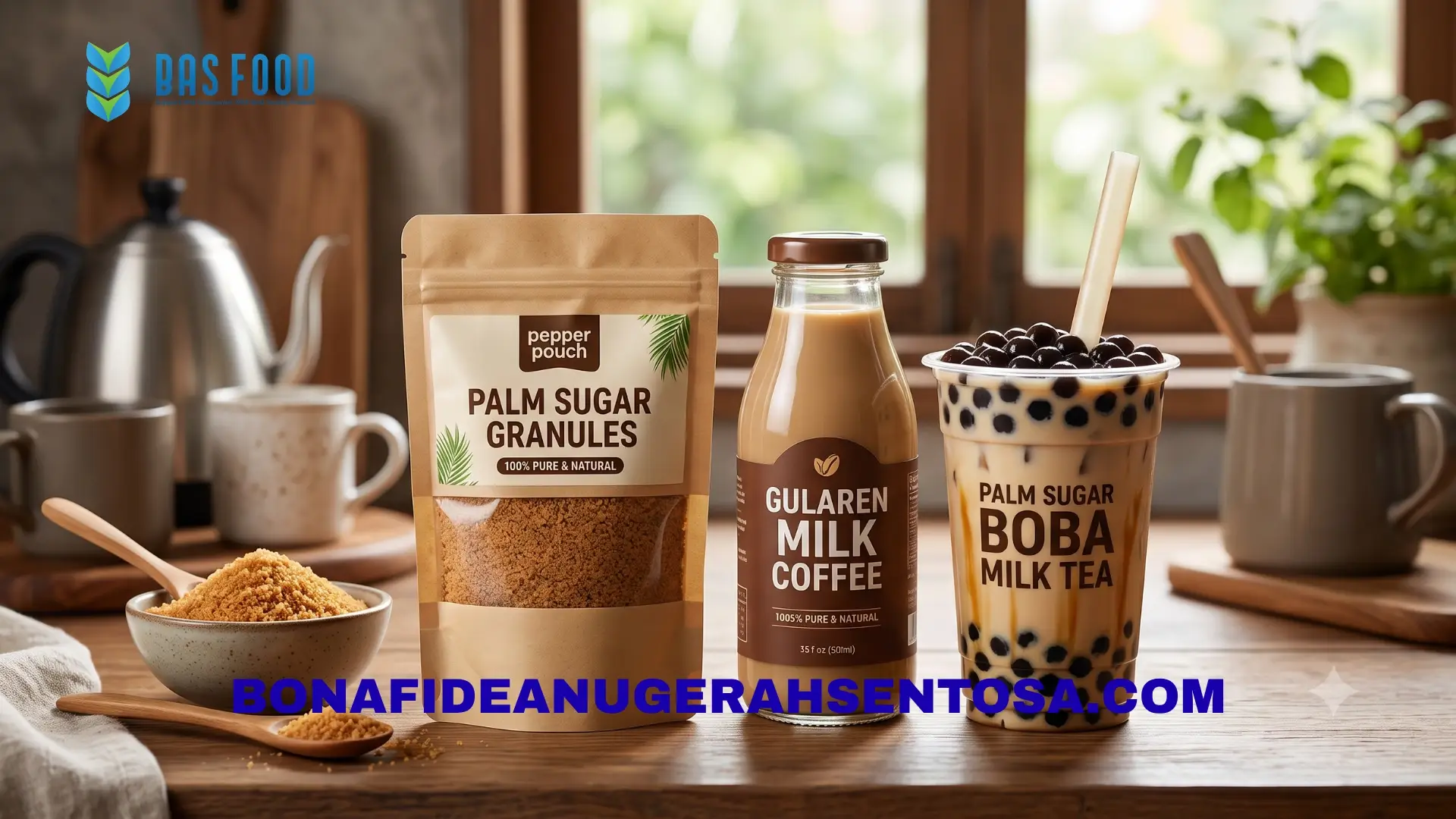
Among the ingredients attracting increasing attention is palm sugar RTD beverages. Palm sugar offers a naturally sourced sweetening option with a pleasant caramel flavor that complements many beverage applications. It provides beverage developers with an ingredient that supports clean-label positioning while delivering a unique taste profile.
Indonesia has become one of the world’s leading sources of premium palm sugar. Thanks to experienced farmers, abundant natural resources, and export-oriented manufacturers, Indonesian suppliers continue serving beverage companies across Europe, North America, Asia, Africa, and the Middle East.
In this comprehensive guide, you’ll learn how palm sugar RTD beverages support modern beverage formulation, why they are becoming increasingly popular among manufacturers, how to select the right export partner, and why Indonesia remains one of the best sourcing destinations for premium palm sugar.
Why Ready-to-Drink Products Continue to Dominate Beverage Markets
Convenience has become one of the strongest drivers of beverage purchasing decisions. Busy consumers want products they can enjoy at work, during travel, after exercise, or while relaxing at home. This demand has fueled remarkable growth across nearly every category of ready-to-drink products.
Today’s RTD market includes bottled coffee, tea beverages, flavored milk, dairy alternatives, fruit drinks, sparkling beverages, energy drinks, sports beverages, herbal drinks, protein shakes, and functional wellness beverages.
At the same time, consumers increasingly expect these drinks to contain recognizable ingredients rather than artificial additives. Many people actively compare ingredient labels before deciding which beverage to purchase.
This consumer behavior encourages beverage companies to explore naturally sourced sweeteners that fit clean-label trends. Palm sugar has emerged as one of the ingredients helping manufacturers meet these expectations while creating distinctive flavor experiences.
What Makes Palm Sugar Special?
Palm sugar is produced from the sap collected from the blossoms of selected palm trees. Farmers carefully harvest fresh sap before gently heating it to remove moisture. The result is a naturally sweet product with a rich golden-brown color and pleasant caramel aroma.
Unlike highly refined white sugar, palm sugar generally undergoes minimal processing. This production method supports manufacturers seeking ingredients that align with clean-label product development.
Its mild caramel flavor adds depth without overpowering other beverage ingredients. Because of this balanced taste, palm sugar works particularly well in coffee drinks, tea beverages, chocolate drinks, dairy products, and plant-based beverages.
As demand for premium ingredients continues growing, palm sugar RTD beverages have become an increasingly attractive category for beverage innovation.
Understanding Palm Sugar RTD Beverages
The phrase palm sugar RTD beverages refers to ready-to-drink beverages formulated with palm sugar as one of the sweetening ingredients. These beverages are designed for convenience while offering consumers a different flavor profile compared to products sweetened exclusively with refined sugar.
Palm sugar contributes more than sweetness. Its gentle caramel notes enhance flavor complexity, making beverages feel richer and more premium. This characteristic allows beverage developers to create drinks with unique sensory appeal.
Manufacturers are incorporating palm sugar into a wide range of ready-to-drink products, including:
- Ready-to-drink coffee
- Milk tea
- Bubble tea
- Chocolate beverages
- Herbal drinks
- Functional wellness drinks
- Plant-based beverages
- Oat milk drinks
- Almond milk beverages
- Coconut drinks
- Protein beverages
- Smoothies
Because consumer preferences continue evolving, companies are exploring new beverage concepts that combine convenience with authentic ingredients.
Why Beverage Manufacturers Choose Palm Sugar
Developing successful beverages requires careful ingredient selection. Every ingredient influences taste, appearance, stability, processing, and consumer acceptance.
Palm sugar offers several characteristics that make it attractive for commercial beverage production.
Rich Flavor Profile
Palm sugar provides gentle caramel and toffee notes that complement coffee, tea, cocoa, spices, and dairy ingredients.
Instead of producing only sweetness, it creates additional flavor depth that helps products stand out in competitive markets.
Consumer-Friendly Ingredient
Many consumers recognize palm sugar as a naturally derived ingredient.
This simple ingredient declaration supports clean-label beverage positioning while helping brands communicate authenticity.
Versatile Beverage Applications
Palm sugar works well across many beverage categories.
Whether manufacturers develop premium coffee drinks or plant-based beverages, palm sugar adapts to different flavor systems.
These advantages explain why discussions around palm sugar RTD beverages continue expanding throughout the beverage industry.
Beverage Formulation: Why Ingredient Selection Matters
Every successful drink begins with effective beverage formulation.
Formulators balance sweetness, acidity, aroma, mouthfeel, color, shelf stability, and ingredient compatibility to create products that perform consistently during commercial production.
Palm sugar influences several aspects of beverage formulation.
First, it contributes a naturally rich flavor profile.
Second, it enhances product color, creating warm golden tones that complement coffee, chocolate, and tea beverages.
Third, it blends well with many ingredients commonly used in premium drinks.
When developing palm sugar RTD beverages, manufacturers should evaluate:
- Sweetness level
- Flavor balance
- Solubility
- Processing temperature
- Shelf stability
- Packaging compatibility
- Consumer expectations
- Regulatory requirements
Professional beverage formulation always involves laboratory testing and pilot production before commercial launch.
Applications Across Today’s Beverage Industry
Palm sugar supports innovation across multiple beverage categories.
Ready-to-Drink Coffee
Coffee naturally pairs with caramel flavors.
Palm sugar enhances espresso, latte, cappuccino, mocha, and cold brew beverages without masking coffee’s original character.
Tea Beverages
Black tea, green tea, jasmine tea, oolong tea, and herbal tea all benefit from palm sugar’s smooth sweetness.
This combination creates balanced beverages suitable for modern consumers.
Dairy Drinks
Milk-based beverages, flavored milk, yogurt drinks, and chocolate milk all pair well with palm sugar.
Its natural caramel notes create richer flavor experiences.
Plant-Based Drinks
Demand for oat milk, soy beverages, almond milk, and coconut drinks continues growing.
Palm sugar complements these products while supporting premium positioning.
Functional Drinks
Manufacturers increasingly combine vitamins, minerals, botanical extracts, and plant ingredients into functional beverages.
Palm sugar helps create enjoyable taste experiences while supporting ingredient transparency.
Indonesia: The World’s Trusted Palm Sugar Source
Indonesia has earned a strong reputation as one of the largest palm sugar producers in the world.
Its tropical climate supports abundant palm tree cultivation, while generations of experienced farmers continue harvesting palm sap using traditional methods.
Modern export manufacturers combine this traditional knowledge with advanced production technology and food safety systems.
This combination allows Indonesian producers to supply premium-quality palm sugar to beverage manufacturers worldwide.
Global buyers value Indonesian suppliers because they provide:
- Granulated palm sugar
- Fine powder palm sugar
- Organic products
- Conventional products
- Bulk industrial packaging
- Retail packaging
- OEM manufacturing
- Private label production
Working with a professional palm sugar supplier ensures reliable access to export-quality ingredients.
Choosing the Right Palm Sugar Supplier
Not every supplier offers the same quality or export capability.
International beverage manufacturers should evaluate suppliers carefully before establishing long-term partnerships.
Important considerations include:
Production Capacity
Can the supplier meet increasing production demand?
Consistent Quality
Does every shipment meet identical specifications?
Laboratory Testing
Does the manufacturer perform routine quality testing?
Food Safety
Does the facility operate under recognized food safety management systems?
Packaging Options
Can industrial, retail, and customized packaging all be provided?
Export Experience
Can the supplier manage international shipping and documentation efficiently?
An experienced palm sugar supplier becomes more than just a vendor—they become a valuable long-term business partner.
Palm Sugar Supplier, Palm Sugar Exporter, or Coconut Sugar Supplier?
Many buyers entering international sweetener markets encounter three common business categories:
- Palm sugar supplier
- Palm sugar exporter
- Coconut sugar supplier
Although these businesses may appear similar, their product portfolios often differ.
A palm sugar supplier focuses on supplying various palm sugar products.
A palm sugar exporter specializes in international logistics, documentation, and overseas distribution.
Meanwhile, a coconut sugar supplier offers coconut sugar products produced from coconut blossom sap.
Many Indonesian companies provide both palm sugar and coconut sugar, allowing beverage manufacturers to source multiple ingredients from a single trusted partner.
This simplifies purchasing while improving supply chain efficiency.
Sustainability Creates Long-Term Value
Sustainability has become an important purchasing factor for global beverage brands.
Many Indonesian producers work directly with smallholder farmers who harvest palm sap without damaging the trees.
This renewable production system helps preserve natural resources while supporting rural communities.
Consumers increasingly value products that demonstrate responsible sourcing.
Brands using sustainably produced palm sugar can strengthen their environmental, social, and governance (ESG) commitments while appealing to environmentally conscious consumers.
Future Trends for Palm Sugar RTD Beverages
The future of palm sugar RTD beverages looks extremely promising.
Consumers continue seeking beverages with recognizable ingredients, authentic flavors, and premium positioning.
Manufacturers are responding through continuous product innovation.
Future growth is expected across:
- Cold brew coffee
- Functional beverages
- Premium milk tea
- Sparkling botanical drinks
- Plant-based nutrition beverages
- Protein drinks
- Wellness beverages
- Organic RTD beverages
- Reduced-ingredient formulations
At the center of this innovation is improved beverage formulation, allowing companies to create products that combine excellent taste with consumer-friendly ingredients.
Manufacturers that invest in premium ingredients and reliable supplier relationships will be well positioned for long-term success.
Final Thoughts
The global beverage industry continues evolving as consumers seek convenient drinks made with high-quality ingredients. This trend has created exciting opportunities for manufacturers developing innovative ready-to-drink products that combine premium taste with ingredient transparency.
Within this rapidly growing market, palm sugar RTD beverages have emerged as an attractive option for brands looking to differentiate themselves. Palm sugar offers a naturally sourced sweetener with a rich caramel flavor that complements coffee, tea, dairy, plant-based drinks, and many other beverage applications.
Successful product development depends on effective beverage formulation, where every ingredient contributes to flavor, stability, appearance, and consumer acceptance. Palm sugar provides manufacturers with flexibility while supporting clean-label product positioning.
For international buyers, selecting the right supplier is equally important. An experienced palm sugar supplier delivers consistent quality, export-ready production, food safety standards, and dependable logistics. Companies seeking a wider range of natural sweeteners may also benefit from partnering with a trusted palm sugar exporter or coconut sugar supplier, allowing them to expand product portfolios while simplifying global sourcing.
As consumer demand for premium beverages continues to grow, Indonesian palm sugar remains one of the world’s most reliable ingredients for manufacturers creating the next generation of innovative ready-to-drink products.