
Coffee is more than just a drink. For millions of people around the world, it is part of a daily routine, a social experience, and even a lifestyle. As the global coffee industry continues to grow, consumers are becoming more selective about every ingredient that goes into their favorite cup. They no longer focus only on the coffee beans. Instead, they also pay attention to sweeteners, milk options, flavorings, and ingredient quality. One trend gaining momentum is the use of palm sugar coffee. Unlike refined white sugar, palm sugar offers a naturally rich caramel flavor that complements coffee rather than overpowering it. This unique taste profile has made palm sugar a popular choice among cafés, coffee roasters, beverage manufacturers, and specialty drink brands looking to create memorable coffee experiences.
At the same time, clean label products continue to reshape the food and beverage industry. Consumers increasingly prefer ingredients they recognize and trust. Palm sugar fits this demand because it is minimally processed and naturally sourced from palm tree sap. This makes it an attractive specialty coffee sweetener for brands seeking premium positioning.
Indonesia is one of the world’s leading producers of palm sugar and an important sourcing destination for international buyers. Working with an experienced palm sugar supplier ensures consistent quality, export-ready production, and reliable global logistics.
In this complete guide, we explore why palm sugar coffee is becoming increasingly popular, how it enhances coffee flavor, its growing role in beverage applications, and why Indonesia remains one of the best sourcing destinations for premium palm sugar.
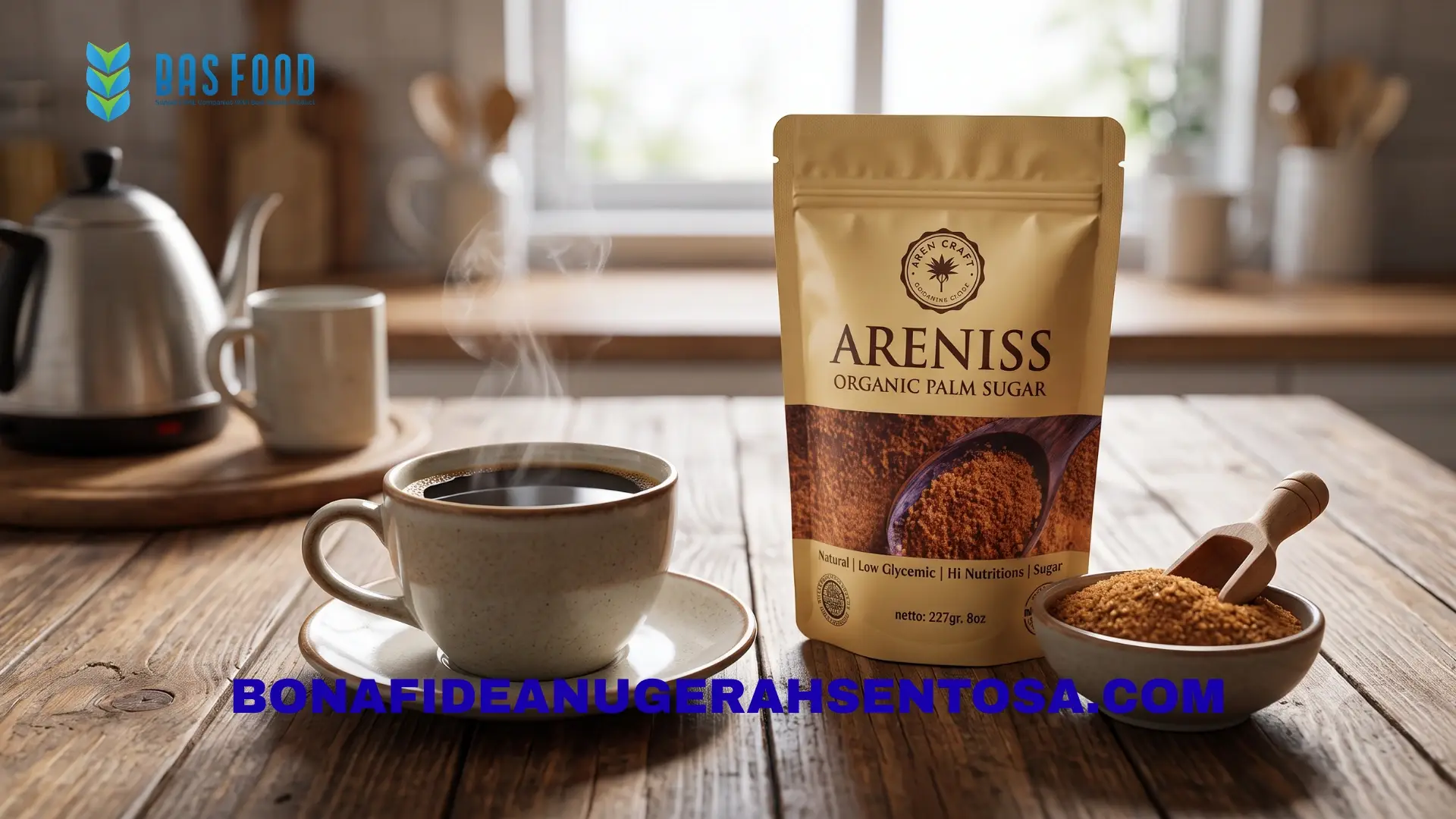
Why Palm Sugar Coffee Is Becoming a Global Trend
Coffee culture has changed dramatically over the last decade.
Consumers no longer settle for ordinary coffee. Instead, they seek premium beverages made with carefully selected ingredients that deliver both quality and authenticity. Specialty cafés continue introducing new brewing methods, single-origin beans, and unique sweeteners to create unforgettable customer experiences.
This shift has encouraged coffee businesses to rethink traditional recipes. While refined sugar remains widely available, many cafés now experiment with naturally sourced alternatives that add both sweetness and flavor complexity.
Among these options, palm sugar coffee stands out because it contributes gentle caramel notes that naturally blend with roasted coffee beans. Instead of masking coffee flavors, it enhances them, creating a smoother and richer drinking experience.
As demand for premium beverages continues rising, coffee professionals increasingly recognize palm sugar as an ingredient that supports both product quality and consumer expectations.
What Is Palm Sugar?
Palm sugar is produced by collecting sap from the blossoms of selected palm trees. Farmers carefully harvest fresh sap before gently heating it to remove moisture. This traditional process creates a naturally sweet product with a warm golden to dark brown color and a pleasant caramel aroma.
Compared with highly refined white sugar, palm sugar generally undergoes less processing. This simple production method supports clean-label product development and appeals to consumers looking for recognizable ingredients.
Indonesia has a long history of palm sugar production. Across many regions, skilled farming communities continue harvesting palm sap using techniques passed down through generations. Today, modern manufacturers combine these traditional practices with advanced food safety systems to supply international markets.
For coffee companies, choosing a professional palm sugar supplier provides access to consistent quality, customized packaging, and reliable export services.
Why Palm Sugar and Coffee Are the Perfect Match
Coffee naturally contains hundreds of aromatic compounds. Depending on the bean origin and roasting profile, coffee may express chocolate, nutty, fruity, floral, spicy, or caramel notes.
Palm sugar complements these characteristics beautifully.
Rather than adding sharp sweetness, palm sugar contributes smooth caramel flavors that blend harmoniously with coffee’s natural complexity.
This balanced profile explains why many baristas and beverage developers prefer palm sugar coffee for premium drink recipes.
Another advantage is its pleasant aroma. Palm sugar introduces subtle toasted notes that enhance espresso-based beverages, pour-over coffee, cold brew, and specialty café creations.
Consumers often describe palm sugar coffee as smoother, warmer, and more rounded compared to coffee sweetened with refined sugar.
Palm Sugar as a Specialty Coffee Sweetener
Today’s coffee industry focuses heavily on creating memorable customer experiences.
Every ingredient matters.
Coffee beans receive careful attention, but sweeteners also influence overall flavor, aroma, and customer satisfaction.
As a specialty coffee sweetener, palm sugar offers several important advantages.
Rich Caramel Flavor
Palm sugar enhances coffee without overwhelming delicate bean characteristics.
Instead of tasting overly sweet, beverages maintain balance while gaining additional depth.
Clean Label Appeal
Consumers increasingly appreciate ingredients with simple names they recognize.
Palm sugar supports clean-label beverage positioning while helping cafés communicate authentic product stories.
Premium Customer Experience
Using palm sugar can differentiate cafés from competitors.
Customers often associate naturally sourced ingredients with premium quality and craftsmanship.
These qualities continue driving demand for palm sugar coffee throughout specialty cafés worldwide.
Beverage Applications Beyond Traditional Coffee
Palm sugar performs exceptionally well across numerous beverage applications.
Its versatility allows beverage manufacturers and cafés to develop creative drink menus that appeal to modern consumers.
Popular beverage applications include:
- Espresso beverages
- Cappuccino
- Latte
- Flat white
- Mocha
- Cold brew coffee
- Nitro coffee
- Iced coffee
- Coffee frappes
- Coffee smoothies
- Bubble coffee
- Ready-to-drink coffee
- Coffee concentrates
Palm sugar also pairs well with tea, chocolate beverages, herbal drinks, and plant-based beverages, making it a versatile ingredient for foodservice and beverage manufacturers.
Palm Sugar Coffee in Modern Café Menus
Independent cafés and international coffee chains continuously develop new signature beverages.
Consumers enjoy trying drinks that offer distinctive flavors unavailable elsewhere.
Palm sugar provides cafés with an easy way to differentiate their menu.
Popular café drinks include:
- Palm sugar latte
- Palm sugar cappuccino
- Palm sugar iced coffee
- Palm sugar cold brew
- Palm sugar caramel coffee
- Palm sugar coconut latte
- Palm sugar oat milk coffee
- Palm sugar mocha
These beverages combine premium coffee with authentic sweetness, creating memorable customer experiences.
Many cafés also highlight palm sugar as a premium ingredient that reflects artisanal craftsmanship and natural sourcing.
Beverage Formulation for Commercial Coffee Products
Commercial beverage manufacturers carefully evaluate every ingredient before launching new products.
Successful beverage applications require ingredients that perform consistently throughout manufacturing.
Palm sugar contributes several functional advantages during product development.
These include:
- Flavor consistency
- Pleasant aroma
- Attractive color
- Good blending performance
- Consumer-friendly ingredient declaration
Manufacturers developing bottled coffee, canned beverages, instant coffee mixes, and ready-to-drink coffee products often explore palm sugar because it supports premium positioning while maintaining excellent sensory characteristics.
Professional formulation always includes laboratory testing, pilot production, and shelf-life evaluation to ensure product stability.
Indonesia: A Global Leader in Palm Sugar Production
Indonesia is widely recognized as one of the world’s largest producers of premium palm sugar.
Its tropical climate provides ideal growing conditions, while experienced farming communities continue producing palm sugar using traditional harvesting techniques.
Today, export manufacturers combine this heritage with modern production technology and internationally recognized food safety systems.
As a result, Indonesian palm sugar is supplied to buyers across Europe, North America, Asia, Africa, Australia, and the Middle East.
Many beverage manufacturers prefer Indonesian suppliers because they offer:
- Granulated palm sugar
- Powder palm sugar
- Organic palm sugar
- Conventional palm sugar
- Bulk industrial packaging
- Retail packaging
- OEM production
- Private label services
Working with an experienced palm sugar supplier ensures consistent quality and dependable international supply.
Choosing the Right Palm Sugar Supplier
Not every supplier offers the same production capabilities.
Before selecting a business partner, international buyers should evaluate several important factors.
Production Capacity
Can the supplier meet increasing annual demand?
Food Safety
Does the manufacturer follow recognized food safety management systems?
Product Consistency
Can every shipment meet identical quality specifications?
Laboratory Testing
Does the supplier perform routine microbiological and quality testing?
Export Experience
Can documentation, logistics, and customs requirements be handled efficiently?
A reliable palm sugar exporter becomes a long-term partner that helps manufacturers maintain consistent production schedules.
Palm Sugar Supplier or Coconut Sugar Supplier?
Many buyers compare palm sugar and coconut sugar before choosing ingredients for coffee products.
Although both products originate from palm sap, they come from different tree species and provide slightly different flavor characteristics.
Some companies specialize exclusively as a palm sugar supplier, while others also operate as a coconut sugar supplier, offering broader ingredient portfolios.
For beverage companies developing multiple product lines, working with one supplier capable of providing both products can simplify purchasing and strengthen supply chain efficiency.
Likewise, an experienced palm sugar exporter understands international shipping requirements, food documentation, and customer-specific packaging solutions.
Sustainability Strengthens Coffee Brands
Coffee consumers increasingly value sustainability alongside product quality.
Many Indonesian palm sugar producers work directly with smallholder farmers using traditional harvesting methods that allow palm trees to continue producing sap without being cut down.
Responsible sourcing supports farming communities while helping preserve natural resources.
Coffee brands that use responsibly sourced palm sugar can strengthen their environmental, social, and governance (ESG) commitments while building stronger connections with environmentally conscious consumers.
Sustainability has become an important part of premium brand storytelling throughout the coffee industry.
Future Trends for Palm Sugar Coffee
The future of palm sugar coffee looks exceptionally promising.
Several industry trends continue supporting its growth.
Consumers increasingly seek beverages made with recognizable ingredients.
Premium cafés continue expanding signature drink menus.
Ready-to-drink coffee products continue growing worldwide.
Plant-based coffee beverages continue gaining popularity.
Foodservice businesses continue investing in authentic customer experiences.
These developments create exciting opportunities for manufacturers, cafés, distributors, and exporters.
As beverage applications continue expanding, palm sugar is expected to become an even more valuable ingredient across both foodservice and commercial beverage production.
Frequently Asked Questions (FAQ)
1. What is palm sugar coffee?
Palm sugar coffee is a coffee beverage sweetened with palm sugar instead of refined white sugar. Palm sugar adds a natural caramel flavor that complements the coffee’s aroma and creates a smoother, richer taste. It is widely used in specialty cafés, ready-to-drink beverages, and premium coffee products.
2. Why do cafés use palm sugar in coffee?
Many cafés use palm sugar because it enhances coffee without overpowering its natural flavor. As a specialty coffee sweetener, palm sugar also supports clean-label menus and gives drinks a unique, premium taste that customers enjoy.
3. Is palm sugar suitable for ready-to-drink coffee products?
Yes. Palm sugar is commonly used in beverage applications such as bottled coffee, canned coffee, cold brew, milk coffee, and other ready-to-drink products. Manufacturers should evaluate sweetness, solubility, shelf life, and flavor stability during product development.
4. What beverages pair well with palm sugar?
Besides coffee, palm sugar works well in many beverage applications, including:
- Cold brew coffee
- Latte
- Cappuccino
- Espresso drinks
- Milk tea
- Herbal tea
- Chocolate drinks
- Plant-based beverages
- Smoothies
- Ready-to-drink coffee
Its mild caramel flavor blends naturally with many beverage recipes.
5. Is palm sugar better than refined sugar for coffee?
Palm sugar and refined sugar each have different characteristics. Palm sugar offers a richer caramel flavor and is often chosen by cafés and beverage brands looking for a naturally sourced ingredient and a more distinctive taste profile. The best choice depends on the desired flavor, product positioning, and beverage formulation.
6. What should beverage manufacturers look for in a palm sugar supplier?
A reliable palm sugar supplier should provide:
- Consistent product quality
- Food safety standards
- Stable supply capacity
- Laboratory testing
- Export documentation
- Flexible packaging options
- Experience serving international markets
These factors help ensure consistent beverage production.
7. What is the difference between a palm sugar supplier and a palm sugar exporter?
A palm sugar supplier primarily manufactures or supplies palm sugar products, while a palm sugar exporter specializes in international shipping, export documentation, customs requirements, and overseas distribution. Many Indonesian companies perform both roles.
8. Can a coconut sugar supplier also provide palm sugar?
Yes. Many Indonesian coconut sugar suppliers also produce or export palm sugar. This allows international buyers to source multiple natural sweeteners from a single trusted supplier, simplifying procurement and logistics.
9. Why is Indonesian palm sugar popular among international buyers?
Indonesia is one of the world’s largest producers of palm sugar. Buyers value Indonesian suppliers for their experienced farmers, consistent quality, export-ready production, competitive pricing, food safety standards, and ability to supply customized packaging for global markets.
10. Which coffee drinks are most suitable for palm sugar?
Palm sugar pairs particularly well with:
- Iced coffee
- Palm sugar latte
- Cold brew
- Cappuccino
- Flat white
- Mocha
- Espresso-based drinks
- Oat milk coffee
- Coconut milk coffee
- Ready-to-drink coffee
Its smooth caramel notes enhance the coffee without masking the natural flavors of the beans.
Final Thoughts
The global coffee industry continues evolving as consumers search for beverages that combine premium taste, authentic ingredients, and memorable experiences. This shift has encouraged cafés, coffee roasters, and beverage manufacturers to explore ingredients that enhance both flavor and brand value.
Among these ingredients, palm sugar coffee has emerged as one of the most exciting opportunities. Palm sugar provides a naturally rich caramel flavor that complements coffee rather than masking its original character. As a specialty coffee sweetener, it helps create distinctive beverages that appeal to today’s quality-conscious consumers.
Beyond traditional cafés, palm sugar also supports numerous beverage applications, including ready-to-drink coffee, bottled beverages, cold brew, plant-based drinks, and innovative specialty beverages.
For international buyers, selecting the right sourcing partner is essential. A trusted palm sugar supplier offers consistent product quality, reliable export capabilities, customized packaging, and food safety standards. Companies seeking broader sweetener portfolios may also benefit from working with an experienced palm sugar exporter or coconut sugar supplier, providing greater flexibility for global beverage development.
As coffee culture continues expanding across the world, Indonesian palm sugar remains one of the finest ingredients for businesses creating premium coffee products that combine authentic flavor, sustainability, and international quality.