
The functional food industry has experienced remarkable growth over the past decade. Consumers are no longer looking for food that simply satisfies hunger. Instead, they want products that fit an active lifestyle, contain recognizable ingredients, and deliver a better eating experience. This shift has encouraged food manufacturers to develop innovative products using natural ingredients, including palm sugar functional foods. Palm sugar has become an attractive ingredient because it offers balanced sweetness with a naturally rich caramel flavor. Produced from the sap of palm tree blossoms, it undergoes minimal processing compared to highly refined sugars. This makes it a valuable option for brands seeking ingredients that support clean-label product development while maintaining excellent taste.
For importers, wholesalers, distributors, and food manufacturers, ingredient selection plays a major role in product success. Every ingredient affects flavor, texture, processing efficiency, shelf stability, and consumer perception. Choosing the right sweetener helps manufacturers create functional foods that appeal to modern consumers while supporting efficient commercial production.
This guide explores why palm sugar functional foods continue to gain popularity worldwide. We will also discuss its applications in nutrition bars, healthy snacks, and clean label foods, along with the importance of partnering with an experienced palm sugar supplier, palm sugar exporter, or trusted coconut sugar supplier.
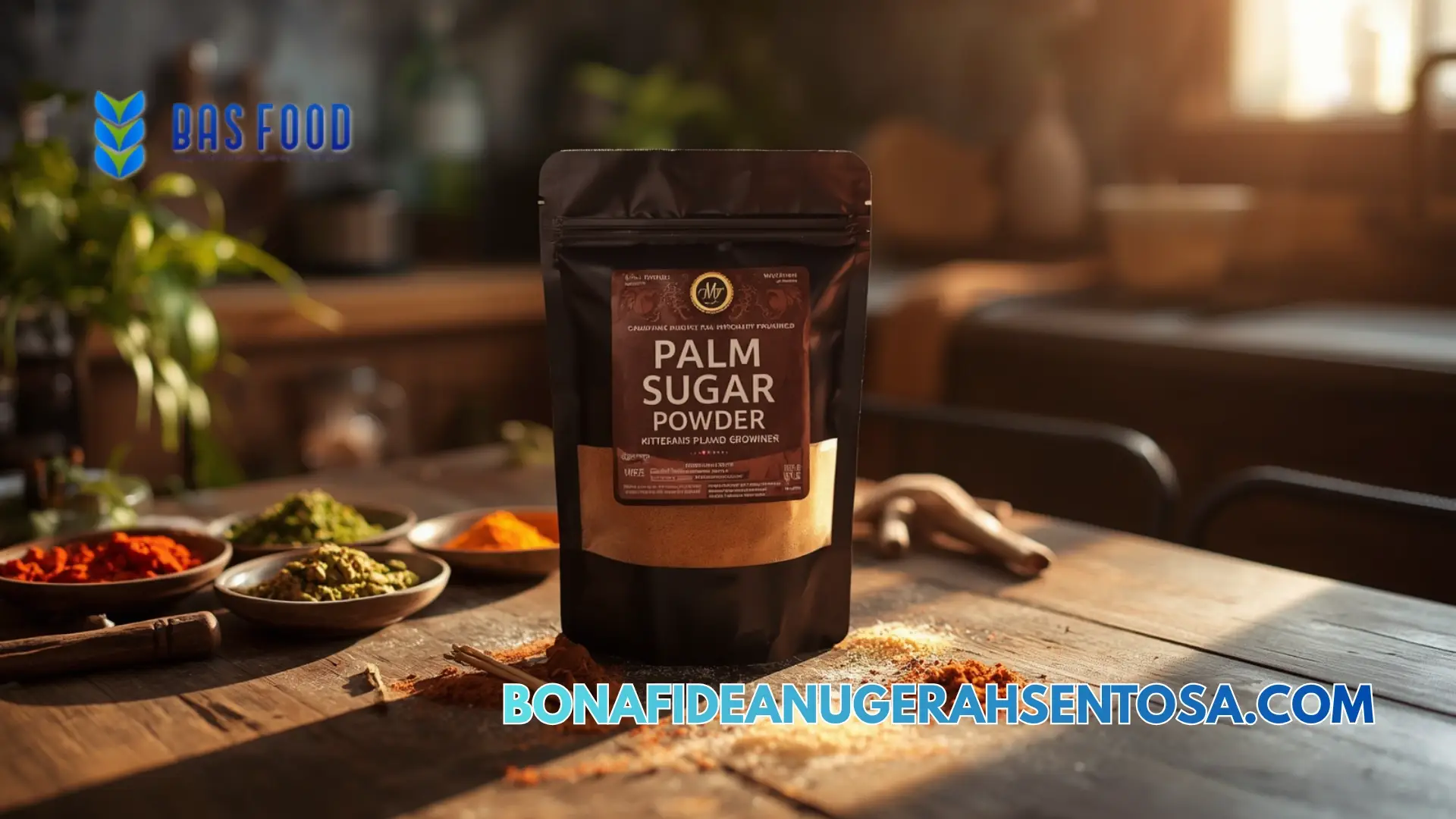
Why Functional Foods Continue to Grow Worldwide
Consumers have become increasingly aware of what they eat every day. Instead of focusing only on calories or taste, many people now look for foods made with simple ingredients that fit their personal lifestyles.
This trend has encouraged manufacturers to develop products with shorter ingredient lists and more natural formulations. Functional foods have become one of the fastest-growing categories because they combine convenience with ingredients that consumers recognize and trust.
The definition of functional foods varies across markets and regulations. In general, the category includes foods designed to provide benefits beyond basic nutrition through carefully selected ingredients and thoughtful product formulation. Examples include protein snacks, breakfast products, plant-based foods, energy bars, and meal replacements.
As demand continues to increase across Europe, North America, Asia, Australia, and the Middle East, manufacturers continue searching for ingredients that support premium product positioning. Palm sugar has emerged as one of those ingredients because it contributes both functionality and flavor.
What Makes Palm Sugar Suitable for Functional Foods?
Not every sweetener performs well in functional food manufacturing.
Palm sugar offers several advantages that make it suitable for a wide variety of commercial products.
First, it delivers balanced sweetness rather than an intensely sweet taste. This allows grains, nuts, fruits, seeds, cocoa, and plant proteins to remain the focus of the recipe.
Second, its natural caramel flavor enhances overall product taste without requiring additional flavoring ingredients.
Third, palm sugar is available in several forms, including granules, powder, syrup, and liquid concentrates. This flexibility allows manufacturers to choose the most appropriate specification for their production systems.
Another important advantage is its compatibility with many natural ingredients commonly found in modern functional foods.
It blends well with oats, almonds, peanuts, cashews, dates, coconut, cocoa, quinoa, rice crisps, chia seeds, flaxseed, soy protein, pea protein, and numerous plant-based ingredients.
Because of this versatility, manufacturers can develop multiple product lines while using one reliable sweetener across different recipes.
Palm Sugar in Nutrition Bars
One of the fastest-growing applications for palm sugar is nutrition bars.
Consumers appreciate nutrition bars because they are convenient, portable, and suitable for busy lifestyles. Whether eaten before exercise, during work, or while traveling, these products have become part of everyday eating habits.
Palm sugar works particularly well in nutrition bars because it contributes sweetness while complementing ingredients such as oats, nuts, seeds, dried fruits, and cocoa.
Its mild caramel flavor helps create a richer taste that consumers often associate with premium snack products.
Manufacturers also appreciate the flexibility of palm sugar during formulation.
It performs well in products such as:
- Protein bars
- Energy bars
- Breakfast bars
- Granola bars
- Fruit and nut bars
- Cereal bars
- Meal replacement bars
Using palm sugar allows manufacturers to create products with balanced flavor while supporting clean-label product positioning.
Palm Sugar Helps Create Better Healthy Snacks
The market for healthy snacks continues expanding as consumers seek alternatives to traditional snack foods.
Manufacturers are developing products that combine convenience, enjoyable flavor, and recognizable ingredients.
Palm sugar supports this trend because it complements a wide range of snack formulations.
Common applications include:
- Granola
- Roasted nuts
- Seed clusters
- Baked chips
- Fruit snacks
- Trail mix
- Breakfast cereals
- Snack bites
- Plant-based snacks
- Crunchy toppings
Rather than overpowering other ingredients, palm sugar enhances their natural flavors.
This balanced sweetness creates snacks that feel satisfying without tasting excessively sweet.
Manufacturers also appreciate that palm sugar works well alongside spices such as cinnamon, ginger, vanilla, cocoa, and coconut.
These combinations support product innovation while allowing brands to introduce unique flavor profiles into competitive retail markets.
Supporting the Growth of Clean Label Foods
Consumers increasingly read ingredient labels before making purchasing decisions.
Many prefer products made with ingredients that appear familiar and straightforward.
As a result, clean label foods have become one of the most important trends in today’s food industry.
Although the term “clean label” does not have one universal legal definition, it generally refers to products formulated with simple, recognizable ingredients and transparent labeling practices.
Palm sugar supports this trend because it is produced through a relatively simple process.
Fresh palm sap is collected, filtered, gently heated, dried, and packaged without extensive refining.
This production method appeals to brands developing premium foods with natural ingredient positioning.
Using palm sugar can also simplify ingredient declarations while helping manufacturers communicate a more authentic product story.
Flavor That Goes Beyond Sweetness
Palm sugar contributes much more than sweetness.
Its naturally rich caramel notes create greater flavor complexity across many functional food products.
This makes it especially valuable for recipes containing grains, nuts, fruits, cocoa, seeds, coffee, vanilla, or spices.
Unlike refined sugar, which primarily adds sweetness, palm sugar becomes part of the product’s overall sensory experience.
Consumers often describe products made with palm sugar as warmer, richer, and more satisfying.
These characteristics help manufacturers differentiate premium product lines while encouraging repeat purchases.
In today’s highly competitive functional food market, flavor remains one of the strongest reasons consumers choose one brand over another.
Palm sugar provides manufacturers with a natural way to build that competitive advantage.
Palm Sugar Supports Efficient Commercial Food Processing
As demand for functional foods grows, manufacturers need ingredients that perform consistently in high-volume production. Whether producing thousands of nutrition bars every hour or packaging large batches of healthy snacks, consistency is essential. A reliable ingredient helps reduce production issues and improves product quality.
Palm sugar performs well in commercial food processing because it is available in different specifications. Manufacturers can choose fine granules, coarse granules, powder, syrup, or liquid palm sugar depending on the production process. Each format offers advantages for different applications.
For example, powdered palm sugar dissolves quickly in dry mixes and protein blends, while granulated palm sugar is suitable for cereal products and baked snacks. Liquid palm sugar can simplify mixing during continuous manufacturing processes. Selecting the right specification helps manufacturers improve production efficiency while maintaining consistent product quality.
Professional suppliers also monitor important quality factors such as moisture content, particle size, color consistency, cleanliness, and packaging. These controls help ensure that every shipment performs similarly during production, reducing unexpected variations between batches.
Choosing the Right Palm Sugar Supplier
Finding the right palm sugar supplier is one of the most important decisions for food manufacturers. Ingredient quality directly affects the finished product, so businesses should evaluate suppliers carefully rather than focusing only on price.
An experienced supplier provides much more than raw materials. They also offer technical support, product consistency, customized specifications, export documentation, and dependable communication. These services help manufacturers maintain stable production and meet customer expectations.
Before selecting a supplier, buyers should consider several important factors:
- Production capacity
- Export experience
- Food safety management
- Product consistency
- Packaging flexibility
- OEM and private label capabilities
- Technical documentation
- Customer support
Long-term supplier relationships often produce better results than frequently changing vendors. A reliable supplier understands customer requirements and can recommend product specifications that improve manufacturing efficiency.
Why Work with an Experienced Palm Sugar Exporter?
Global food businesses require suppliers that understand international trade. An experienced palm sugar exporter helps simplify sourcing by providing consistent product quality and professional export services.
Export-oriented manufacturers usually have experience serving customers across Europe, North America, Asia, the Middle East, Africa, and Australia. They understand documentation requirements, shipping procedures, packaging standards, and production planning for international orders.
Professional exporters often provide:
- Bulk packaging
- Retail packaging
- Private label manufacturing
- OEM production
- Technical specifications
- Laboratory testing support
- Export documentation
- Flexible production schedules
Working with an experienced exporter reduces sourcing risks and helps businesses build dependable supply chains.
Reliable exporters also communicate production updates, shipping schedules, and quality information clearly, allowing buyers to plan inventory more effectively.
Why Many Global Buyers Choose a Coconut Sugar Supplier
Many companies source multiple natural sweeteners from a trusted coconut sugar supplier instead of purchasing from several different vendors.
Suppliers that manufacture both palm sugar and coconut sugar offer greater flexibility for food manufacturers developing multiple product lines. Businesses can simplify purchasing while maintaining consistent quality across different sweetener categories.
An experienced supplier often provides:
- Palm sugar
- Coconut sugar
- Various particle sizes
- Powder and granules
- Bulk packaging
- Retail-ready packaging
- OEM services
- Private label manufacturing
Working with a supplier that offers a broad product portfolio also makes future product development easier. Manufacturers can expand into new food categories without searching for additional ingredient partners.
This approach improves procurement efficiency while strengthening long-term business relationships.
Packaging Solutions for Functional Food Manufacturers
Packaging is an essential part of ingredient quality. Proper packaging protects palm sugar from moisture, contamination, and damage during storage and transportation.
Professional exporters offer packaging options designed for different industries and production scales.
Common packaging choices include:
- Kraft paper bags
- Food-grade inner liners
- Industrial sacks
- Bulk bags
- Retail pouches
- OEM packaging
- Private label packaging
The right packaging helps preserve product quality throughout international shipping while making warehouse handling more efficient.
Customized packaging also allows manufacturers to meet different customer requirements, retail formats, and destination market regulations.
Reliable packaging contributes to consistent ingredient performance after delivery, supporting smoother production operations.
Future Opportunities for Palm Sugar Functional Foods
The functional food market continues to evolve as consumer preferences change.
Manufacturers are introducing innovative products that combine convenience, natural ingredients, and premium taste. Palm sugar fits well into this trend because it supports both flavor development and clean ingredient positioning.
Future opportunities include:
- Functional breakfast products
- Plant-based snacks
- High-protein foods
- Energy bites
- Wellness cereals
- Sports nutrition products
- Premium granola
- Better-for-you desserts
As brands continue investing in product innovation, demand for high-quality natural sweeteners is expected to grow.
Manufacturers that establish reliable sourcing partnerships today will be better positioned to meet tomorrow’s market demand.
Conclusion
The growing popularity of palm sugar functional foods reflects the food industry’s increasing focus on natural ingredients, authentic flavor, and premium product development. Palm sugar offers balanced sweetness, gentle caramel notes, and versatile functionality, making it suitable for a wide range of products, including nutrition bars, healthy snacks, and modern clean label foods.
Its compatibility with grains, nuts, fruits, seeds, cocoa, and plant-based ingredients allows manufacturers to develop innovative products while maintaining appealing flavor and consistent production performance.
Partnering with an experienced palm sugar supplier, reliable palm sugar exporter, or trusted coconut sugar supplier provides businesses with consistent quality, customized specifications, flexible packaging, professional export support, and dependable long-term supply.
As consumers continue seeking foods made with natural, recognizable ingredients, palm sugar is well positioned to remain an important ingredient for the next generation of functional food innovation.