
Ice cream has always been one of the world’s favorite desserts. Whether enjoyed on a hot summer day or served as a premium dessert, consumers expect every scoop to deliver a rich taste, smooth texture, and satisfying sweetness. However, today’s consumers want more than delicious flavor. They also pay close attention to ingredient quality, product transparency, and clean-label formulations. Because of these changing expectations, dairy manufacturers are rethinking the ingredients they use. One ingredient that is attracting growing interest is palm sugar. Traditionally used in Asian cuisine, palm sugar has now become an attractive natural sweetener for premium dairy products, especially artisan and commercial ice cream.
Using palm sugar for ice cream gives manufacturers an opportunity to create products with a richer caramel flavor while reducing reliance on heavily refined sweeteners. Instead of producing a simple sugary taste, palm sugar contributes depth, warmth, and complexity that enhance the overall sensory experience.
For businesses involved in frozen dessert manufacturing, ingredient selection directly affects product quality, consumer perception, and brand value. Working with an experienced palm sugar supplier allows manufacturers to develop premium ice cream that meets modern market expectations while maintaining consistent production quality.
This guide explains why more manufacturers are using palm sugar for ice cream, how it performs during production, and what international buyers should know before selecting a palm sugar exporter.
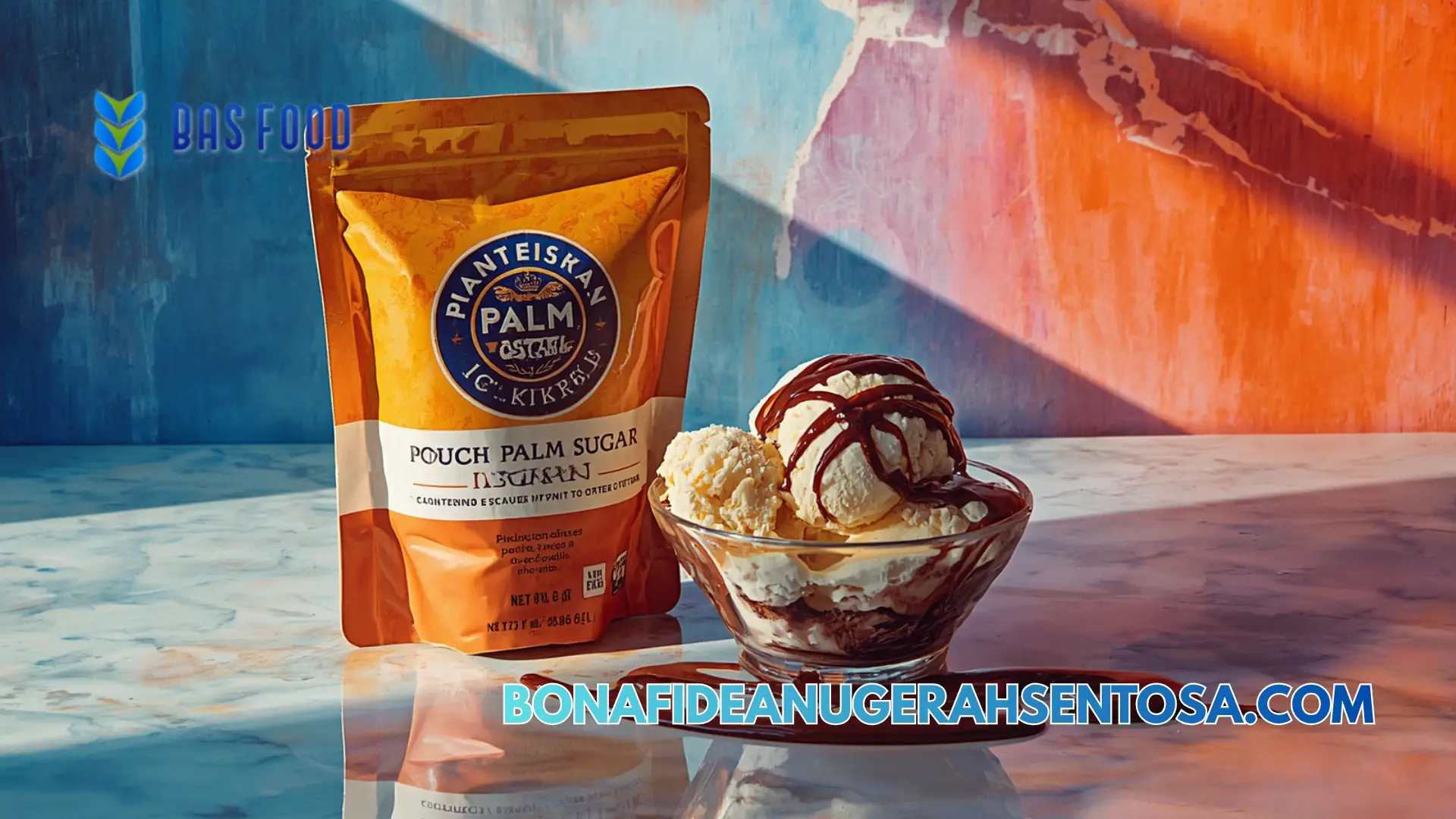
Why Premium Ice Cream Brands Are Choosing Palm Sugar
The premium ice cream market has grown rapidly over the past several years. Consumers increasingly seek products made with authentic ingredients rather than artificial flavors and highly refined sweeteners.
This trend has encouraged manufacturers to experiment with natural sweeteners that provide both functionality and distinctive taste.
Palm sugar offers exactly that.
Produced from the sap of palm blossoms, palm sugar develops a naturally rich caramel flavor that complements dairy exceptionally well. While it is still a form of sugar and should be consumed in moderation, its traditional production process and recognizable origin make it appealing for brands focused on premium positioning.
Unlike refined white sugar, palm sugar contributes multiple flavor notes, including:
- Caramel
- Butterscotch
- Toffee
- Light molasses
- Toasted brown sugar
These characteristics create a more sophisticated flavor profile that consumers often associate with handcrafted and gourmet products.
Premium ice cream manufacturers also appreciate that palm sugar works well alongside popular flavors such as vanilla, chocolate, coffee, cinnamon, coconut, hazelnut, pistachio, and salted caramel.
As consumer demand for natural ingredients continues to grow, incorporating palm sugar into frozen desserts can help brands differentiate themselves in crowded retail markets.
How Palm Sugar Improves Ice Cream Flavor and Texture
Sweeteners play an important role in every ice cream formulation. Besides adding sweetness, they influence texture, freezing behavior, mouthfeel, and overall product stability.
Palm sugar performs well because it contributes balanced sweetness rather than an overpowering sugary taste.
This allows the natural creaminess of milk and cream to remain the highlight of the finished product.
One of the biggest advantages of palm sugar for ice cream is its ability to enhance flavor complexity. During processing, palm sugar blends smoothly with dairy ingredients and creates subtle caramel aromas that remain noticeable after freezing.
This richer flavor profile works particularly well in artisan ice cream, where consumers expect distinctive taste experiences.
Palm sugar also contributes a warm golden color to the final product. For flavors such as caramel, coffee, cinnamon, maple, and roasted nuts, this natural coloring supports a premium appearance without relying on artificial color additives.
Food developers frequently use palm sugar to create signature recipes that offer a unique identity in competitive markets.
Palm Sugar Pairs Beautifully with Premium Ice Cream Ingredients
One reason manufacturers continue adopting palm sugar is its remarkable compatibility with many premium ice cream ingredients.
Rather than competing with other ingredients, palm sugar enhances their natural characteristics.
Excellent flavor combinations include:
- Madagascar vanilla
- Dark chocolate
- Single-origin coffee
- Roasted almonds
- Pistachios
- Hazelnuts
- Toasted coconut
- Cinnamon
- Sea salt
- Maple
- Banana
- Mango
- Strawberry
- Caramel swirl
Palm sugar is especially effective in layered desserts where multiple flavor components interact.
For example, combining palm sugar with roasted pecans and salted caramel creates a dessert with balanced sweetness and rich depth.
Similarly, coffee ice cream sweetened with palm sugar develops smoother roasted notes than formulations relying solely on refined white sugar.
Manufacturers can also use palm sugar in inclusions such as cookie pieces, brownie chunks, caramel ribbons, or roasted nut coatings to create premium sensory experiences.
This flexibility gives product developers more opportunities to innovate while maintaining ingredient consistency.
Product Development Tips for Using Palm Sugar in Ice Cream
Although palm sugar can replace refined sugar in many recipes, successful product development requires careful testing.
Every frozen dessert has different formulation requirements depending on fat content, protein levels, flavor system, and production method.
Manufacturers should begin by producing small pilot batches before moving to full-scale manufacturing.
Key factors to evaluate include:
- Sweetness intensity
- Flavor balance
- Color development
- Mix viscosity
- Freezing behavior
- Melt resistance
- Texture
- Shelf stability
Because palm sugar naturally contains caramel-colored compounds, ice cream may appear slightly darker than products made with white sugar.
For premium flavors, this characteristic usually becomes a marketing advantage because consumers associate golden tones with natural ingredients.
Food developers should also carefully evaluate how palm sugar interacts with stabilizers, emulsifiers, fruit preparations, chocolate inclusions, and nut pastes.
Working with an experienced palm sugar supplier makes formulation easier because consistent ingredient quality reduces batch-to-batch variation.
Palm Sugar in Gelato and Other Frozen Desserts
Although ice cream is the most recognized frozen dessert, manufacturers are increasingly using palm sugar in many other frozen products. This includes artisan gelato, frozen yogurt, dairy desserts, milk pops, frozen custard, and specialty frozen treats.
Each product has its own formulation, but they all share one goal: delivering a memorable eating experience. Palm sugar helps manufacturers achieve this by providing a rich, layered sweetness that enhances the overall flavor rather than overpowering it.
Gelato, for example, typically contains less fat than traditional ice cream. Because of this, the flavor of every ingredient becomes more noticeable. Using palm sugar for ice cream and gelato allows manufacturers to create products with smooth caramel notes that blend naturally with milk, cream, fruit, coffee, chocolate, and nuts.
Frozen yogurt also benefits from palm sugar. Its gentle sweetness complements the tangy flavor of yogurt, creating a balanced product that appeals to consumers looking for premium frozen desserts.
Palm sugar works particularly well in frozen dessert flavors such as:
- Salted caramel
- Vanilla bean
- Espresso
- Chocolate fudge
- Coconut
- Banana
- Mango
- Brown butter
- Cinnamon
- Roasted almond
- Pistachio
- Cookies and cream
Because palm sugar pairs well with both dairy ingredients and natural flavorings, it gives product developers greater flexibility when designing seasonal or limited-edition products.
Manufacturing Considerations for Commercial Ice Cream Production
Developing an excellent recipe is only the beginning. Commercial manufacturers also need ingredients that perform consistently during every production cycle.
Consistency is especially important in large-scale manufacturing because even small ingredient variations can affect thousands of finished products.
When selecting palm sugar for frozen desserts, manufacturers should evaluate several important specifications:
- Moisture content
- Particle size
- Color consistency
- Solubility
- Flavor profile
- Microbiological quality
- Shelf stability
- Food safety certifications
Uniform particle size helps ensure even mixing and efficient dissolution during production.
Low and consistent moisture content supports better storage stability while reducing the risk of ingredient clumping.
Manufacturers should also confirm that their ingredient supplier follows recognized food safety systems. Product consistency becomes much easier when every shipment meets the same quality specifications.
For international food brands, this consistency is essential for maintaining consumer confidence across different production facilities.
Why Choosing the Right Palm Sugar Supplier Matters
Ingredient quality influences every stage of manufacturing.
No matter how carefully a recipe is developed, inconsistent raw materials can lead to changes in flavor, appearance, and production efficiency.
A professional palm sugar supplier provides much more than raw ingredients.
Reliable suppliers typically offer:
- Consistent product specifications
- Food safety documentation
- Batch traceability
- Laboratory testing
- Flexible packaging options
- Stable production capacity
- Technical product support
- Responsive customer service
Long-term supplier relationships also simplify purchasing, inventory planning, and quality control.
Manufacturers can focus on product innovation while knowing their ingredient supply remains dependable throughout the year.
Working with an experienced supplier also reduces production interruptions caused by inconsistent raw materials.
Selecting an Experienced Palm Sugar Exporter
International sourcing involves more than purchasing ingredients.
Food manufacturers need suppliers that understand export regulations, international shipping, customs documentation, and food safety requirements.
A dependable palm sugar exporter should offer:
- Export-ready packaging
- Private label services
- OEM manufacturing
- International certifications
- Bulk packaging
- Container loading experience
- Stable production schedules
- Reliable logistics support
These services help manufacturers reduce operational risks while maintaining uninterrupted production.
A professional exporter also understands the importance of consistent communication. Timely updates about production schedules, shipping timelines, and documentation allow buyers to plan inventory more effectively.
Long-term partnerships with experienced exporters often lead to stronger supply chain stability and improved business growth.
Palm Sugar Supplier or Coconut Sugar Supplier?
Many international buyers compare a palm sugar supplier with a coconut sugar supplier before making purchasing decisions.
Although the products belong to the same family of natural sweeteners, they are not identical.
Palm sugar may come from different palm species, including aren, palmyra, or coconut palms.
Coconut sugar, on the other hand, is produced specifically from coconut blossom sap.
Both ingredients perform well in frozen desserts, although each offers a slightly different flavor profile.
Before selecting a supplier, manufacturers should evaluate:
- Botanical source
- Flavor characteristics
- Moisture specification
- Particle size
- Processing method
- Organic certification availability
- Food safety certifications
- Packaging formats
- Export capability
Understanding these specifications helps product developers choose the ingredient that best supports their product goals.
Many manufacturers even purchase both products to create different premium product lines aimed at specific consumer preferences.
Future Trends for Palm Sugar in Frozen Desserts
The frozen dessert industry continues to evolve as consumer preferences change.
Today’s shoppers increasingly value premium ingredients, authentic flavors, and transparent sourcing.
Because of these trends, palm sugar for ice cream is expected to become even more popular in coming years.
Manufacturers are already introducing products such as:
- Premium artisan ice cream
- Small-batch gelato
- Organic frozen desserts
- High-protein frozen treats
- Reduced-ingredient ice cream
- Gourmet dairy desserts
- Seasonal limited editions
- Foodservice dessert concepts
Palm sugar fits naturally into these innovations because it supports premium positioning while delivering exceptional flavor.
As consumers continue seeking products made with recognizable ingredients, palm sugar offers manufacturers a valuable opportunity to differentiate their brands.
Businesses that partner with an experienced palm sugar exporter, reliable palm sugar supplier, or trusted coconut sugar supplier will be well positioned to meet future market demand while maintaining consistent product quality.
Frequently Asked Questions
Can palm sugar replace white sugar in ice cream?
Yes. Palm sugar can replace all or part of the refined sugar in many ice cream recipes. Manufacturers should conduct formulation trials to optimize sweetness, texture, freezing performance, and color.
Does palm sugar change the flavor of ice cream?
Yes. Palm sugar provides subtle caramel, toffee, and butterscotch notes that create a richer flavor profile than refined white sugar.
Which ice cream flavors work best with palm sugar?
Palm sugar pairs exceptionally well with vanilla, chocolate, coffee, coconut, cinnamon, caramel, roasted nuts, maple, banana, mango, and many fruit-based flavors.
Is palm sugar suitable for commercial ice cream manufacturing?
Absolutely. Many manufacturers use palm sugar in artisan ice cream, gelato, frozen yogurt, and premium frozen desserts because of its flavor, consistency, and natural appeal.
What should I look for in a palm sugar exporter?
Choose a supplier with consistent product quality, food safety certifications, export experience, technical documentation, reliable logistics, and flexible packaging solutions.
Conclusion
The growing demand for palm sugar for ice cream reflects the frozen dessert industry’s focus on premium ingredients, authentic flavors, and clean-label innovation. Whether used in artisan gelato, premium ice cream, frozen yogurt, or specialty dairy desserts, palm sugar delivers balanced sweetness, rich caramel notes, and an attractive natural appearance that enhances the overall consumer experience.
For B2B manufacturers, selecting the right sourcing partner is just as important as developing the perfect formulation. A dependable palm sugar supplier can provide consistent ingredient quality, while an experienced palm sugar exporter ensures reliable logistics, export-ready documentation, and long-term supply stability. Businesses looking to expand their natural sweetener portfolio may also benefit from working with a trusted coconut sugar supplier to serve different product categories and market preferences.
As global demand for premium frozen desserts continues to grow, palm sugar is becoming more than just an alternative sweetener. It is a valuable ingredient that helps manufacturers create products with distinctive flavor, stronger market appeal, and lasting competitive advantage.