
The plant-based market is no longer a niche. It is a global movement driven by health awareness, sustainability concerns, and changing consumer lifestyles. As more people reduce animal-based consumption, food manufacturers must rethink how they develop products that still deliver taste, texture, and nutrition. In this context, desiccated coconut plant based applications are gaining strong momentum. This ingredient offers natural functionality, clean-label appeal, and wide versatility. Therefore, it has become a key component for brands that want to compete in the fast-growing plant-based category.
What is Desiccated Coconut and Why It Fits Plant-Based Formulation
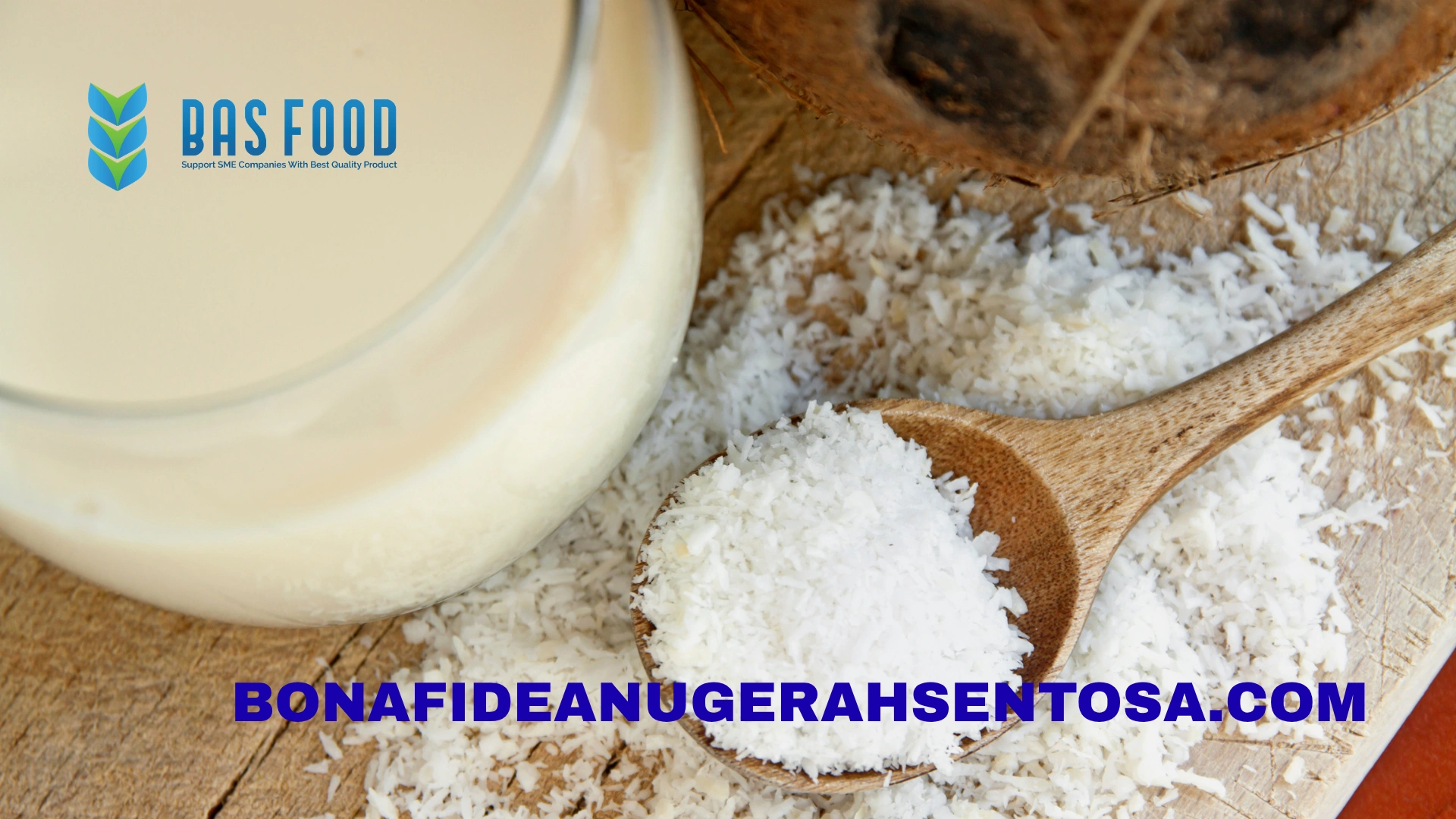
Desiccated coconut is produced by drying fresh coconut meat into fine, medium, or coarse particles. This process removes moisture while maintaining flavor and nutritional value. As a result, it becomes a stable and easy-to-use ingredient for various food applications.
As a vegan ingredient coconut, it naturally fits into plant-based formulations. It contains no animal-derived components and requires minimal processing. In addition, it offers a mild sweetness and pleasant texture. Because of this, it integrates well into both sweet and savory plant-based products.
Functional Benefits in Plant-Based Product Development
Functionality is one of the biggest challenges in plant-based product development. Manufacturers must replicate the texture and mouthfeel of traditional products without using animal ingredients. This is where desiccated coconut plays a crucial role.
In desiccated coconut plant based formulations, it provides structure, moisture retention, and mouthfeel. It helps create a creamy or fibrous texture depending on the application. As a result, it improves product quality and enhances the consumer experience.
Texture Enhancement and Mouthfeel Improvement
Texture is often the deciding factor for consumers trying plant-based products. If the texture does not meet expectations, repeat purchases are unlikely. Therefore, manufacturers focus heavily on achieving the right consistency.
As a dairy alternative coconut, desiccated coconut contributes to a rich and satisfying mouthfeel. It can mimic the creaminess of dairy in certain applications. In addition, it adds a natural bite in products like plant-based meat or snacks. This versatility makes it a valuable ingredient in texture design.
Flavor Profile and Natural Sweetness Advantage
Flavor is just as important as texture. Desiccated coconut offers a subtle, natural sweetness with a light tropical note. This enhances the taste of many plant-based products without the need for artificial flavoring.
In vegan ingredient coconut applications, it pairs well with chocolate, fruits, spices, and grains. It also balances savory flavors in sauces and ready meals. Because of this, it helps create well-rounded and appealing products that meet consumer expectations.
Applications Across Plant-Based Product Categories
The use of desiccated coconut plant based solutions spans a wide range of categories. In plant-based desserts, it improves texture and flavor. In dairy alternatives, it adds body and creaminess.
It is also widely used in plant-based meat products, energy bars, and snacks. In these applications, it acts as a binder and texture enhancer. In addition, it is used in ready-to-eat meals and sauces. This broad application makes it an essential ingredient for innovation.
Role in Dairy Alternative Development
One of the fastest-growing segments in the plant-based market is dairy alternatives. Consumers are actively seeking milk, yogurt, and cheese substitutes that deliver similar taste and texture.
As a dairy alternative coconut, desiccated coconut plays an important role in this segment. It helps create creamy textures and enhances flavor. It also works well with other plant-based ingredients such as oats and almonds. Therefore, it supports the development of high-quality dairy-free products.
Clean Label and Natural Ingredient Trends
Clean-label products are becoming the standard in the food industry. Consumers want simple ingredient lists with recognizable components. They also prefer products that are minimally processed.
Desiccated coconut fits perfectly into this trend. As a natural vegan ingredient coconut, it does not require complex processing or additives. It helps manufacturers create transparent and trustworthy products. This adds strong marketing value in competitive markets.
Nutritional Benefits in Plant-Based Products
Nutrition is a key selling point in plant-based foods. Consumers expect products that not only taste good but also support their health.
Desiccated coconut contains dietary fiber and healthy fats. It also provides energy and essential nutrients. By using desiccated coconut plant based, manufacturers can enhance the nutritional profile of their products. This makes them more appealing to health-conscious consumers.
Shelf Stability and Processing Advantages
Shelf life is a critical factor in product development. Plant-based products must remain stable during storage and distribution. Desiccated coconut offers a significant advantage in this area.
Its low moisture content ensures long shelf life and reduces the risk of spoilage. As a dairy alternative coconut, it is also easy to store and transport. This makes it a practical choice for large-scale production and global distribution.
Cost Efficiency and Production Flexibility
Cost efficiency is essential for manufacturers. Ingredients must provide value without increasing production costs significantly. Desiccated coconut offers a strong balance between cost and performance.
In desiccated coconut plant based applications, it improves product quality while remaining affordable. It is also easy to integrate into existing production systems. Therefore, it supports both innovation and operational efficiency.
Sustainability and Ethical Sourcing
Sustainability is a major factor in the plant-based movement. Consumers want products that are environmentally friendly and ethically sourced.
Coconut farming, especially in tropical regions, often involves smallholder farmers. Using vegan ingredient coconut supports these communities and promotes sustainable agriculture. In addition, coconut trees produce continuously, making them a renewable resource.
Meeting Global Market Demand
The demand for plant-based products is growing worldwide. Markets in Europe, the United States, and Asia are expanding rapidly. This creates new opportunities for manufacturers and suppliers.
As a result, desiccated coconut plant based ingredients are becoming more important in global trade. Companies that adopt these solutions can meet changing consumer preferences and stay competitive in international markets.
Future Trends in Plant-Based Product Development
The plant-based industry will continue to evolve. New technologies and consumer preferences will drive innovation. Ingredients that offer both functionality and sustainability will lead the market.
Desiccated coconut is well-positioned for this future. Its versatility, natural profile, and global availability make it a key ingredient. Therefore, dairy alternative coconut solutions will play a major role in upcoming product developments.
Conclusion: A Strategic Ingredient for the Plant-Based Future
Desiccated coconut is more than just a simple ingredient. It is a functional solution that supports texture, flavor, and nutrition in plant-based products.
By using desiccated coconut plant based, manufacturers can create innovative and high-quality products. With the right formulation and reliable supply, it becomes a strategic asset in the growing plant-based market.