
Chocolate has always been about balance. Bitterness from cocoa solids, creaminess from fat, and sweetness from sugar must work together. In recent years, however, manufacturers have started to rethink one core ingredient: sweetener. This shift has brought coconut sugar in the chocolate industry into serious focus, not as a trend ingredient, but as a functional and strategic choice.
From craft bean-to-bar makers to industrial-scale chocolate producers, coconut sugar is no longer niche. It answers questions around flavor depth, labeling, and sourcing that traditional refined sugar often cannot. This article breaks down why coconut sugar matters, how it behaves in chocolate production, and what buyers should understand before adopting it at scale.
Understanding Coconut Sugar and Its Origins
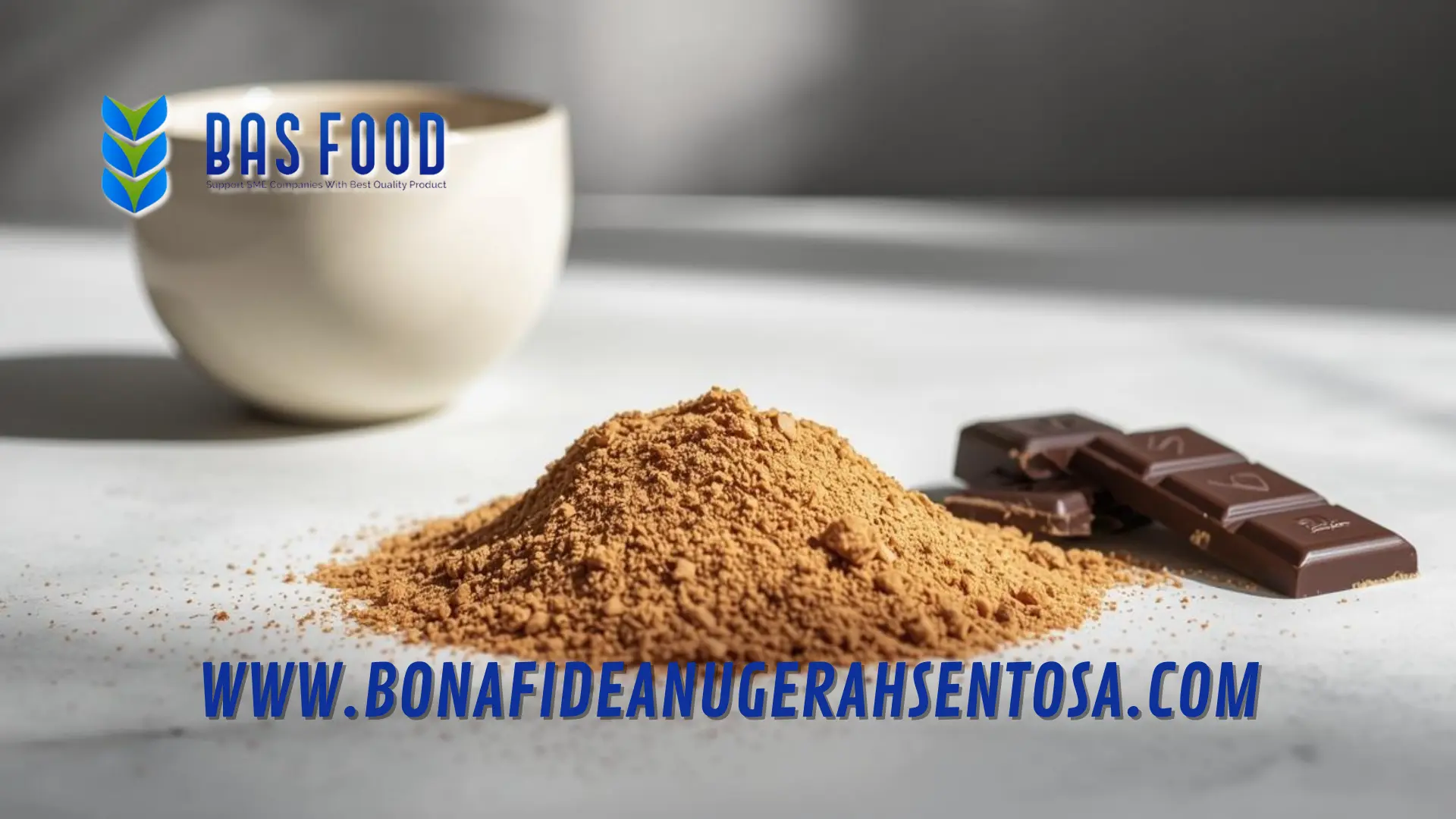
Coconut sugar is derived from the sap of coconut palm flowers. Farmers tap the flower bud, collect the sap, and gently heat it until it crystallizes. The result is a brown, granulated sugar with a mild caramel profile.
Unlike highly refined cane sugar, coconut sugar undergoes minimal processing. This is one reason it resonates with chocolate brands aiming for simpler ingredient lists and more transparent sourcing narratives.
Why Sweetener Choice Matters in Chocolate
Sweetener is not just about sweetness. It affects texture, flavor perception, and even how chocolate melts on the tongue. Small formulation changes can alter the entire sensory experience.
This is where coconut sugar in the chocolate industry becomes interesting. Its natural molasses-like notes complement cocoa’s bitterness instead of masking it. As a result, chocolate tastes more rounded and less sharp.
Flavor Synergy Between Coconut Sugar and Cocoa
Cocoa beans naturally contain bitter and acidic compounds. Traditional white sugar often creates a sharp contrast rather than harmony.
Coconut sugar softens that contrast. Its subtle caramel and toasted notes enhance cocoa flavor depth. This makes it especially popular in dark chocolate, where sugar quality plays a bigger role.
Texture and Mouthfeel Implications
Chocolate texture depends on particle size and fat distribution. Sugar crystals must refine well during conching.
When properly milled, coconut sugar performs similarly to cane sugar. Manufacturers report smooth mouthfeel when particle size is controlled, especially in premium chocolate lines.
Processing Behavior During Chocolate Making
Chocolate production involves roasting, grinding, conching, and tempering. Each step stresses ingredients differently.
Coconut sugar tolerates these processes well. It dissolves evenly during conching and does not introduce unwanted moisture when properly dried and stored.
Labeling and Consumer Perception
Modern consumers read labels carefully. Words like “refined sugar” often raise concerns, especially in premium or health-positioned chocolate.
Using coconut sugar allows brands to communicate a more natural sweetening approach. While it is still sugar, perception matters, and coconut sugar aligns with clean-label storytelling.
Nutritional Positioning and Market Reality
Coconut sugar is sometimes marketed as healthier due to its lower glycemic index. While chocolate remains an indulgence, this perception influences buying decisions.
For manufacturers, coconut sugar in the chocolate industry is less about health claims and more about market differentiation without compromising taste.
Applications in Dark Chocolate
Dark chocolate relies heavily on sugar quality to balance bitterness. Coconut sugar shines in this category.
It supports high cocoa percentages while maintaining palatability. Many craft chocolate makers use it to highlight origin-specific cocoa flavors.
Applications in Milk Chocolate
Milk chocolate presents different challenges due to dairy solids and added fat.
Coconut sugar integrates well here too, adding mild complexity without overpowering milk notes. Proper formulation ensures consistent sweetness and color.
Use in Vegan and Plant-Based Chocolate
Plant-based chocolate avoids dairy, making sweetener choice even more critical.
Coconut sugar fits naturally into vegan formulations. It supports flavor balance and aligns with plant-based branding strategies.
Color Impact on Finished Chocolate
Coconut sugar has a natural brown hue. This slightly darkens chocolate mass compared to white sugar.
In dark chocolate, this effect is negligible. In milk chocolate, manufacturers may adjust cocoa butter ratios to maintain visual consistency.
Shelf Life and Stability Considerations
Sugar influences moisture migration and shelf stability. Coconut sugar, when properly processed, does not shorten shelf life.
Low moisture content and controlled storage conditions are key. Reliable suppliers ensure consistency across batches.
Industrial Scalability and Supply Chain
One concern for large manufacturers is scalability. Coconut sugar production depends on skilled farmers and careful processing.
Indonesia plays a major role here, offering both volume and experience. Long-term supplier relationships help ensure stable supply.
Cost Structure and Pricing Strategy
Coconut sugar typically costs more than refined cane sugar. However, it adds value through flavor, branding, and differentiation.
For premium chocolate lines, this cost increase is often justified. Mass-market brands may use blends to balance cost and performance.
Sustainability and Ethical Sourcing
Coconut sugar production supports rural farming communities. Tapping coconut palms does not harm trees and allows year-round income.
For chocolate brands focused on ethical sourcing, coconut sugar strengthens sustainability narratives when paired with transparent suppliers.
Quality Parameters Buyers Should Check
Buyers should evaluate moisture content, granulation, color consistency, and microbiological safety.
Uniform crystal size ensures smooth chocolate texture. Poor-quality sugar leads to grittiness and processing issues.
Common Challenges in Chocolate Formulation
Some manufacturers report initial challenges with refining coconut sugar to the desired particle size.
These challenges are manageable with proper equipment and process adjustments. Experienced suppliers provide technical guidance.
Regulatory Acceptance in Global Markets
Coconut sugar is widely accepted in major markets, including Europe and North America.
Clear documentation and compliance with food safety standards simplify export and product registration.
Indonesia as a Strategic Coconut Sugar Source
Indonesia combines large coconut plantations with skilled artisanal processing.
This makes it a natural hub for high-quality coconut sugar supply to the global chocolate industry.
CV Bonafide Anugerah Sentosa as a Trusted Partner
CV Bonafide Anugerah Sentosa operates as a trusted fishery, spices, cocoa, and coconut supplier and producer from Indonesia. The company supports chocolate manufacturers seeking reliable coconut sugar sourcing with export-ready standards.
Their experience across cocoa and coconut supply chains allows them to understand chocolate industry requirements holistically.
Comparing Coconut Sugar to Other Alternative Sweeteners
Other alternatives like palm sugar or agave syrup offer different profiles but lack coconut sugar’s balance of functionality and flavor.
Coconut sugar remains one of the most versatile options for solid chocolate products.
Future Trends in Chocolate Sweetening
As premiumization continues, sweetener quality will matter more than quantity.
Coconut sugar in the chocolate industry is likely to grow as brands seek authenticity, flavor depth, and responsible sourcing.
Final Thoughts on Coconut Sugar in Chocolate
Coconut sugar is not a replacement for all applications, but it is a powerful tool.
For chocolate brands that value flavor harmony, sourcing stories, and long-term differentiation, coconut sugar offers more than sweetness. It offers character.
Contact CV Bonafide Anugerah Sentosa how we can provide the best solutions for you. WhatsApp: +62 8213 4505 737, Email: info@bonafideanugerahsentosa.com / bas.mdir@gmail.com.