
Tuna fillet moves millions of tons across borders every year, yet many seafood buyers still misunderstand what defines quality, value, and reliability in this product. For importers and distributors, tuna fillet is not just a fish cut. It is a globally traded commodity shaped by species, processing standards, food safety rules, and buyer expectations.
This article explains fish fillet from a global trade perspective. It helps new and experienced buyers understand how tuna meat fits into the seafood supply chain, what drives quality and price, and how to evaluate suppliers with confidence.
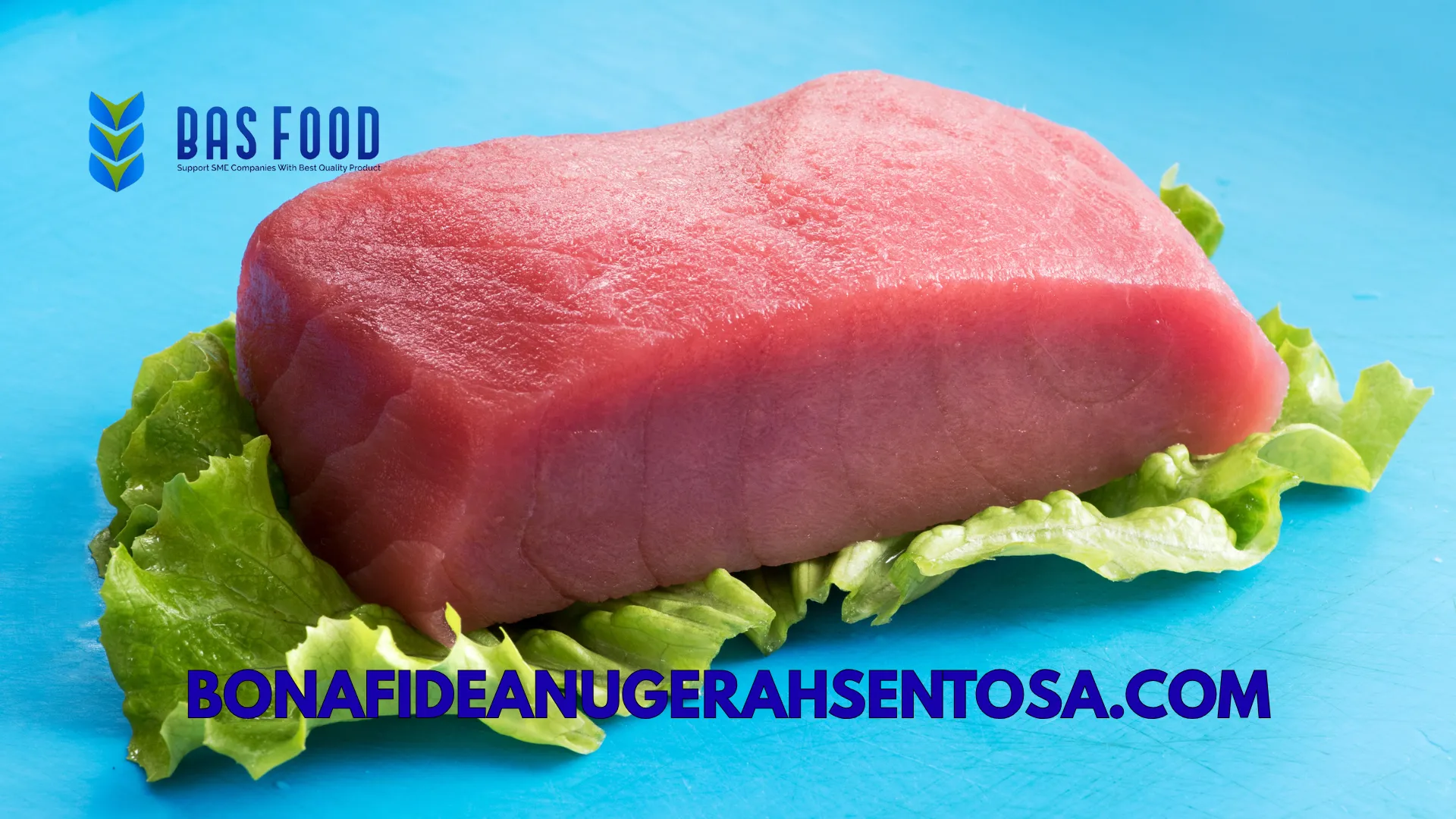
What Is Tuna Fillet
Tuna fillet is a boneless cut taken from the sides of a tuna after removing the head, backbone, skin, and bones. Exporters usually supply tuna meat in frozen form, although fresh and chilled tuna fillet also serves premium markets.
Compared to whole tuna, tuna loin offers several advantages. It reduces handling time, lowers waste, and provides consistent portion sizes. As a result, tuna meat works well for foodservice distributors, seafood processors, and retail suppliers.
Because of these benefits, tuna meat has become one of the most traded tuna products in international seafood markets.
Why Tuna Fillet Is Important in Global Seafood Trade
Tuna ranks among the most valuable seafood species worldwide. According to FAO fisheries data, tuna and tuna-like species account for a large share of global seafood exports by value.
Tuna meat plays a critical role because it sits between raw material and finished product. It allows buyers to customize downstream processing while maintaining quality control.
For example:
- Restaurants use this for steaks and sashimi cuts
- Processors turn fish fillet into ready-to-cook or marinated products
- Retailers sell frozen tuna portions directly to consumers
Because tuna fillet serves multiple channels, demand remains stable even when foodservice or retail markets fluctuate.
Main Tuna Species Used for Tuna Fillet
Not all tuna fillet is the same. Species selection directly affects color, texture, fat content, taste, and price.
Yellowfin Tuna Fillet (Thunnus albacares)
Yellowfin tuna is one of the most popular species in the global tuna meat trade.
Key characteristics include:
- Bright red to pink flesh
- Firm texture
- Clean and mild flavor
Yellowfin tuna meat suits sashimi, grilling, and premium foodservice use. Many importers consider it a balance between quality and availability.
Skipjack Tuna Fillet (Katsuwonus pelamis)
Skipjack tuna dominates high-volume tuna production worldwide.
Key characteristics include:
- Darker flesh color
- Lean meat
- Stronger flavor profile
Skipjack tuna meat is common in processed foods, cooked dishes, and industrial applications. Buyers value it for price stability and consistent supply.
Bigeye Tuna Fillet (Thunnus obesus)
Bigeye tuna meat targets premium segments.
Key characteristics include:
- High fat content
- Deep red color
- Soft, buttery texture
Because of its higher oil content, bigeye tuna meat requires strict cold chain control. Sushi and sashimi buyers often prefer this species.
Albacore Tuna Fillet (Thunnus alalunga)
Albacore tuna fillet has a lighter appearance.
Key characteristics include:
- Pale pink to white flesh
- Mild taste
- Softer texture
Albacore serves niche markets and specific culinary uses rather than mass trade.
How Tuna Fillet Is Processed for Export
Understanding processing steps helps buyers assess product quality and supplier capability.
Harvesting and Onboard Handling
Fishermen catch tuna using methods such as purse seine, longline, or pole and line. Immediately after capture, crews bleed and chill the fish to preserve meat quality. Proper handling at this stage directly affects fillet color and texture.
Filleting and Trimming
Processors remove the head, bones, and skin before cutting the fish into fillets. Skilled trimming removes bloodlines and defects while preserving yield.
Different markets request different trim levels. For instance, Japanese buyers often accept minimal trimming, while European and US buyers prefer clean, uniform fillets.
Freezing and Cold Storage
Most tuna fillet exports are frozen. Processors use blast freezing or ultra-low freezing to lock in freshness.
Storage temperatures usually range from −18°C to −60°C, depending on product grade and destination market. Consistent temperature control protects texture, color, and shelf life.
Tuna Fillet Grades and Quality Factors
Unlike beef, tuna fillet has no single global grading system. Instead, buyers and sellers rely on shared quality indicators.
Visual Quality Indicators
- Flesh color and brightness
- Uniformity across the fillet
- Absence of bruises or gaping
Texture and Freshness
- Firm and elastic feel
- Clean surface without excessive drip
Chemical and Food Safety Factors
- Histamine levels
- Heavy metal compliance
- Microbiological safety
Histamine control is especially important. Improper temperature handling can cause rapid histamine formation, making the product unsafe.
Global Supply and Trade Flow of Tuna Fillet
Major Producing Countries
- Indonesia
- Vietnam
- Philippines
- Thailand
- Spain
These countries benefit from access to tuna fishing grounds and established seafood processing infrastructure.
Key Import Markets
- United States
- European Union
- Japan
- Middle East
- Australia
Each market enforces different regulations, labeling rules, and quality expectations. Experienced exporters adapt their tuna meat specifications to meet these requirements.
Sustainability and Responsible Tuna Sourcing
Sustainability plays an increasing role in tuna meat sourcing decisions.
Buyers now evaluate:
- Fishing methods and bycatch control
- Stock management practices
- Traceability systems
- Compliance with regional fisheries organizations
Responsible sourcing protects fish stocks and reduces supply chain risk. As a result, sustainability credentials increasingly influence long-term supplier relationships.
Tuna Fillet vs Tuna Loin: Key Differences
Buyers often confuse tuna fillet with tuna loin, but they serve different purposes.
Tuna loins are larger sections cut before final trimming. Tuna meats are portion-ready cuts with bones removed.
In practice:
- Tuna loins suit processors who want flexibility
- Tuna fillets suit buyers who want ready-to-use products
Choosing the right format depends on processing capability and target market.
Common Uses of Tuna Meat
Fish fillet supports a wide range of applications:
- Restaurant and hotel kitchens
- Sushi and sashimi bars
- Seafood processors
- Retail frozen seafood brands
This versatility explains why tuna meat remains a core seafood commodity worldwide.
What Importers Should Look for in a Tuna Supplier
Choosing the right supplier reduces risk and improves consistency.
Key factors include:
- Clear species identification
- Proven processing standards
- Strong cold chain management
- Export documentation experience
- Transparent communication
Long-term suppliers often deliver better reliability than spot-market purchases.
Frequently Asked Questions About Tuna Fillet
- What is tuna fillet
- Tuna is a boneless cut of fish meat removed from the fish and prepared for cooking or further processing.
- Is frozen tuna fillet lower quality than fresh
- No. Properly frozen fish meat can maintain excellent quality when handled and stored correctly.
- Which tuna species is best for tuna fillet
- Yellowfin and bigeye tuna are preferred for premium uses, while skipjack suits industrial and cooked applications.
- How long can frozen tuna fillet be stored
- Frozen fish meat can maintain quality for 18 to 24 months at −18°C or lower.
- Is tuna fillet safe to eat raw
- Tuna meat intended for raw consumption must meet strict handling and freezing standards to ensure food safety.
Contact CV Bonafide Anugerah Sentosa how we can provide the best solutions for you. WhatsApp: +62 8213 4505 737, Email: info@bonafideanugerahsentosa.com / bas.mdir@gmail.com.