
For global seafood buyers, sourcing tuna fillet is not only about price or volume. It is a process shaped by food safety rules, quality benchmarks, logistics risks, and long-term supply reliability. Importers and procurement managers must evaluate each supplier carefully to protect their brand, customers, and regulatory standing.
This article explains what professional buyers expect when sourcing tuna fillet for international markets. It focuses on quality control, compliance, and operational transparency. The goal is to help importers align expectations with exporters that understand modern seafood trade requirements.
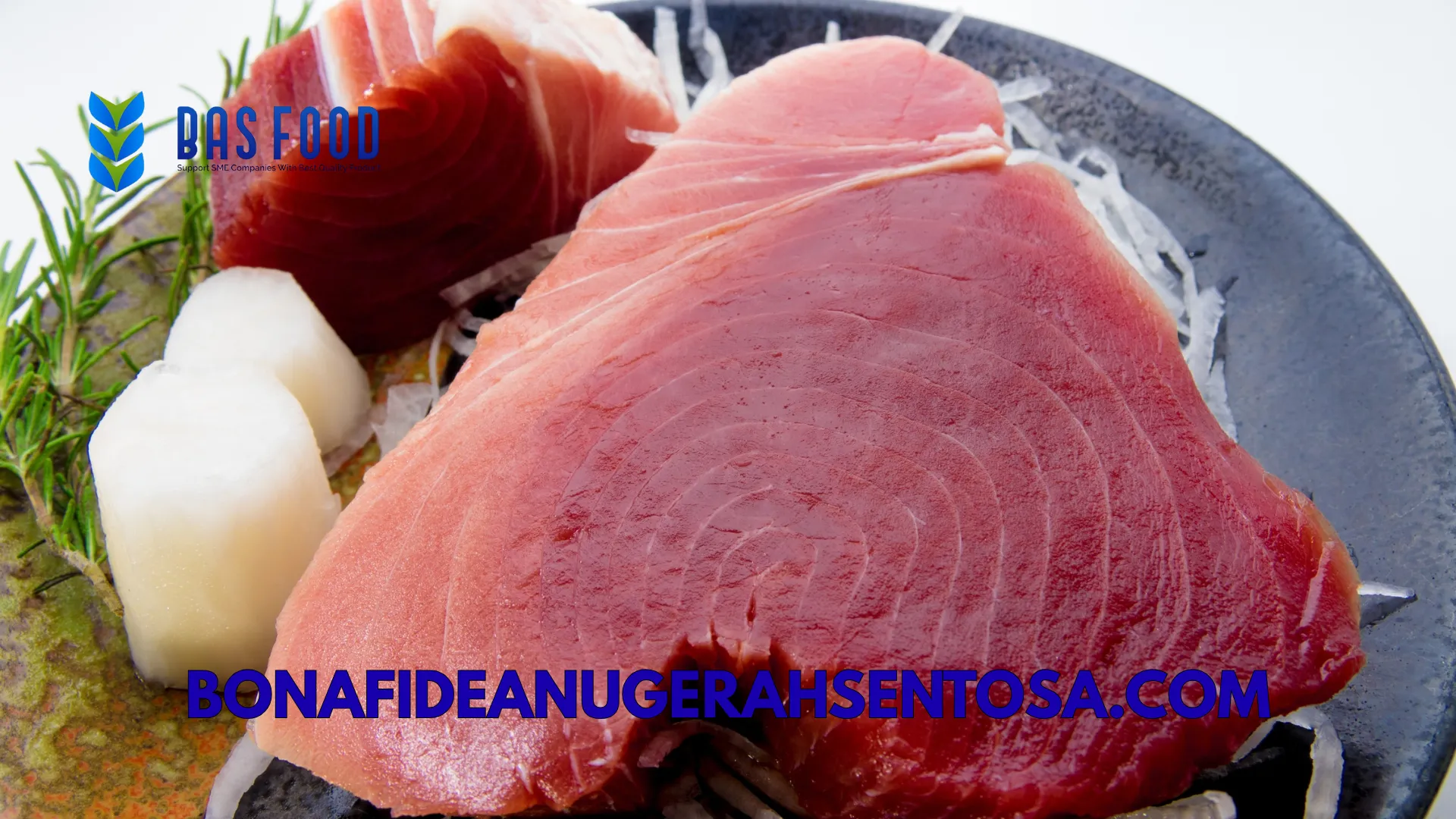
Understanding Importer Expectations in Tuna Fillet Trade
Importers approach tuna sourcing with a risk management mindset. They look beyond product appearance and focus on consistency, documentation, and process control. This is especially important when serving retail chains, foodservice brands, or further processors.
In sourcing tuna fillet, buyers expect exporters to demonstrate structured quality systems. Clear procedures reduce variability and help importers plan inventory, pricing, and compliance audits with confidence.
Tuna Species Selection and Market Suitability
Different markets require different tuna species. Buyers usually specify yellowfin, skipjack, bigeye, or bluefin based on end-use needs. Each species has distinct texture, fat content, and shelf-life behavior.
When sourcing tuna fillet, importers expect exporters to clearly identify species and fishing zones. Accurate labeling supports traceability and avoids costly customs or regulatory issues later in the supply chain.
Raw Material Handling at Landing and Processing Stages
Quality starts before processing. Importers often assess how tuna is handled at landing sites, including temperature control and hygiene practices. Poor early handling can damage flesh quality even if later steps follow standards.
For sourcing tuna fillet, buyers prefer exporters who monitor raw material conditions closely. Documented handling protocols show that quality is built into the process, not inspected only at the end.
Processing Standards and Facility Hygiene
Processing facilities play a central role in quality outcomes. Importers usually check whether plants follow HACCP principles, sanitation schedules, and controlled cutting environments.
During sourcing tuna fillet, buyers expect clean processing lines, trained staff, and clear segregation between raw and finished products. These practices reduce contamination risks and improve product consistency across shipments.
Cold Chain Management and Temperature Control
Cold chain failure is one of the highest risks in seafood trade. Importers want evidence that temperature is controlled from processing to destination port. This includes freezing methods, storage conditions, and container monitoring.
When sourcing tuna fillet, buyers often request temperature records or data loggers. Reliable exporters treat cold chain control as a core operational metric, not an optional service.
Quality Parameters Used by Importers
Importers apply specific quality indicators when evaluating tuna fillet. These include color stability, texture firmness, odor, and absence of surface damage. Consistency across cartons matters more than isolated premium pieces.
In sourcing tuna fillet, buyers value exporters who understand these parameters and grade products accordingly. Clear grading standards help avoid disputes and maintain long-term relationships.
Food Safety Compliance and Export Documentation
Regulatory compliance is non-negotiable in international seafood trade. Importers require health certificates, catch certificates, and country-specific approvals. Missing documents can delay or reject shipments.
For sourcing tuna fillet, buyers expect exporters to stay updated with regulations from the EU, US, Japan, and other markets. Strong documentation systems signal professionalism and reduce operational risk.
Traceability and Responsible Sourcing Practices
Modern buyers increasingly demand traceability. This includes vessel data, fishing methods, and supply chain records. Traceability supports sustainability claims and regulatory audits.
When sourcing tuna fillet, importers favor suppliers who can trace products back to origin without delay. This capability strengthens trust and aligns with global seafood governance trends.
Packaging, Labeling, and Shelf-Life Considerations
Packaging protects quality and supports logistics efficiency. Importers review packaging materials, sealing integrity, and labeling accuracy before approving suppliers.
In sourcing tuna fillet, buyers expect labels to match documents exactly. Accurate production dates, net weights, and storage instructions help prevent downstream handling errors.
Logistics Reliability and Shipment Consistency
Even high-quality tuna can fail if logistics are unreliable. Importers assess exporter experience with international shipping, container loading, and schedule management.
When sourcing tuna fillet, buyers often prefer exporters with proven export records. Consistent delivery builds confidence and reduces the need for emergency sourcing.
Risk Management and Supplier Transparency
Professional importers look for transparency during both normal operations and disruptions. Clear communication during delays, weather issues, or regulatory changes is essential.
In sourcing tuna fillet, buyers value exporters who proactively share information. This approach supports collaborative problem-solving instead of reactive conflict management.
Role of Experienced Exporters in Buyer Confidence
Experienced exporters understand that trust grows over time. Companies like CV Bonafide Anugerah Sentosa, based in Indonesia, position themselves through compliance discipline rather than aggressive sales. Their experience spans fishery products, spices, cocoa, and coconut-based goods, which reflects operational maturity in export handling.
For importers sourcing tuna fillet, working with exporters who operate across regulated commodities often signals stronger internal controls and international trade familiarity.
Conclusion: Aligning Export Capability With Importer Standards
Sourcing tuna fillet is a structured decision process, not a transactional purchase. Importers focus on quality systems, documentation, logistics control, and supplier reliability. Exporters who align with these expectations become long-term partners rather than short-term vendors.
For buyers, understanding these factors improves supplier selection. For exporters, meeting these standards strengthens credibility in competitive global seafood markets.
FAQ Section
- What is the biggest risk when sourcing tuna fillet internationally?
- Cold chain failure is one of the main risks. Temperature deviations can damage quality and lead to rejection at destination ports.
- Why do importers care about tuna species identification?
- Different species serve different markets and price points. Accurate identification supports compliance, labeling, and buyer trust.
- How important is traceability in tuna fillet sourcing?
- Traceability is increasingly critical. It supports sustainability requirements and helps during audits or regulatory checks.
- What documents are usually required for tuna fillet imports?
- Common documents include health certificates, catch certificates, packing lists, and invoices, depending on destination rules.
- How do importers evaluate exporter reliability?
- They review export history, documentation accuracy, communication quality, and shipment consistency over time.
Contact CV Bonafide Anugerah Sentosa how we can provide the best solutions for you. WhatsApp: +62 8213 4505 737, Email: info@bonafideanugerahsentosa.com / bas.mdir@gmail.com.