
Sweetness is a universal craving. From morning coffee to baked goods, sugar is everywhere. Yet, not all sugars are created equal. The debate of Palm Sugar vs refined sugar has gained momentum as more consumers look for healthier, natural alternatives. While refined sugar remains a staple in global diets, palm sugar is steadily climbing in popularity thanks to its natural origin and potential health advantages.
Understanding the difference between these two sweeteners involves looking at their source, production process, nutritional content, and impact on human health. This comparison also reveals why industries and households are shifting preferences toward palm sugar.
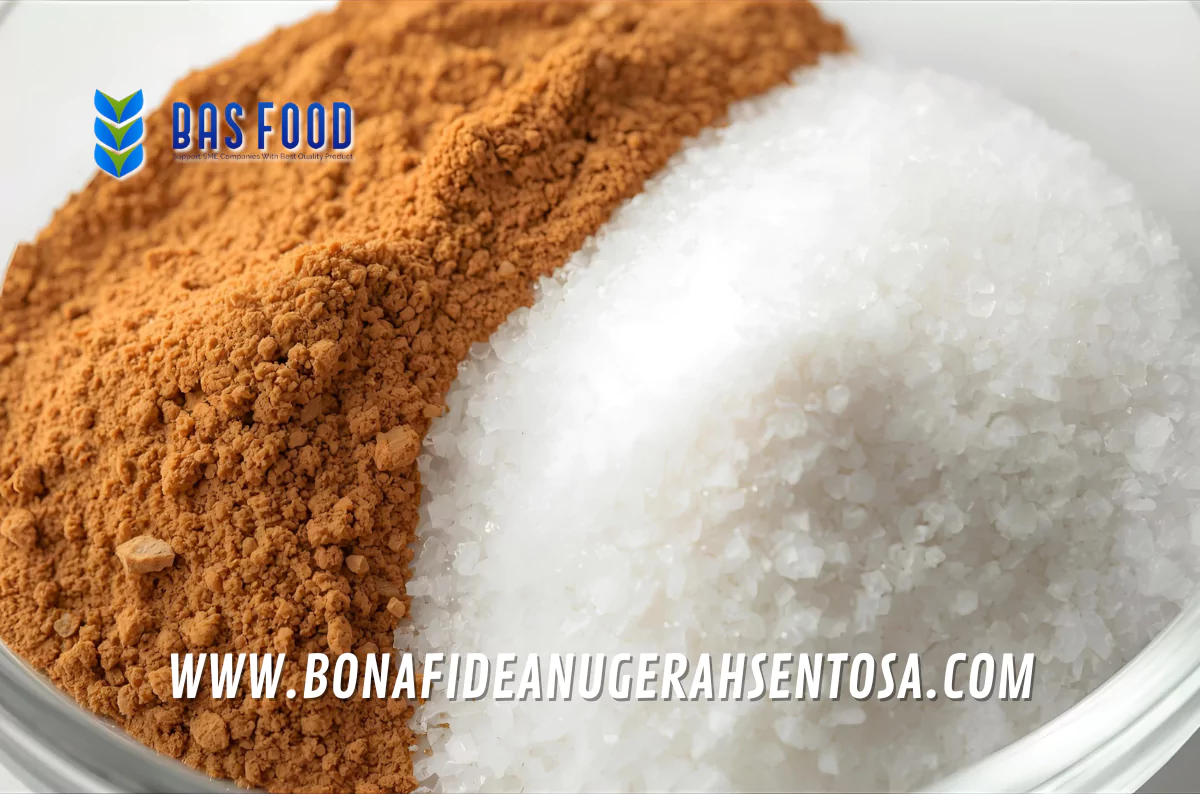
The Origins: Natural Palm Sugar vs Industrial Refined Sugar
Palm sugar comes from the sap of palm trees, particularly coconut and arenga palms. Farmers tap the tree, collect the sap, and boil it down into crystals, granules, or blocks. This traditional method has been practiced for centuries in Southeast Asia and continues to support local communities today.
In contrast, refined sugar mainly originates from sugarcane or sugar beet. The process involves crushing, juicing, clarifying, crystallizing, and bleaching. It is an industrial-scale operation that strips away natural molasses, color, and minerals, leaving behind pure sucrose.
The difference in origin highlights a broader theme: palm sugar is minimally processed, while refined sugar undergoes heavy industrial refinement.
Nutritional Breakdown: Palm Sugar vs Refined Sugar
Nutrition plays a central role in comparing palm sugar with refined sugar. Palm sugar contains trace minerals such as potassium, magnesium, zinc, and iron. It also retains small amounts of vitamins like B1, B2, B3, and B6, thanks to its less refined process.
Refined sugar, however, offers only pure calories with no micronutrients. This is why it is often labeled as “empty calories.” Consuming refined sugar in excess contributes to weight gain, metabolic issues, and energy spikes followed by crashes.
Although palm sugar is not a superfood, it does provide slightly more nutrients than its refined counterpart.
Glycemic Index and Blood Sugar Impact
One of the most discussed aspects of Palm Sugar vs refined sugar is the glycemic index (GI). Palm sugar has a lower GI, generally around 35, compared to refined sugar’s 65. This means palm sugar raises blood sugar more slowly and steadily.
For individuals managing diabetes or insulin sensitivity, palm sugar may be a better choice. However, moderation remains essential since palm sugar still contains sucrose and glucose. Refined sugar, by contrast, leads to quicker spikes in blood glucose, which may contribute to insulin resistance over time.
The GI difference is one of the strongest arguments for switching to palm sugar.
Taste and Culinary Applications
Taste is subjective, but the two sugars offer very different flavor profiles. Palm sugar carries a rich, caramel-like taste with earthy undertones. It adds depth to curries, sauces, baked goods, and even beverages. In Southeast Asian cooking, it is an irreplaceable ingredient.
Refined sugar, on the other hand, delivers pure sweetness without any additional flavor. This makes it versatile in recipes that rely on a neutral sweetener. However, for those who prefer complexity in their dishes, palm sugar adds character that refined sugar cannot match.
The culinary applications highlight that palm sugar is not only healthier but also a more flavorful option.
Environmental and Social Impact
Beyond nutrition and taste, the debate of Palm Sugar vs refined sugar extends into sustainability. Palm sugar production is often small-scale and community-based. Farmers tap trees without cutting them down, which supports long-term ecological balance.
Refined sugar, by contrast, involves large plantations, heavy irrigation, and industrial processing. These practices often lead to soil degradation, water overuse, and deforestation in some regions. Choosing palm sugar can thus support sustainable agriculture and empower rural communities.
This environmental advantage makes palm sugar appealing to eco-conscious consumers worldwide.
Health Risks: When Sweetness Turns Bitter
Excessive consumption of any sugar, whether palm or refined, can lead to health problems. Weight gain, tooth decay, and metabolic disorders remain concerns. However, refined sugar is more strongly linked to lifestyle diseases due to its lack of nutrients and higher glycemic impact.
Palm sugar, while not a cure-all, poses slightly lower risks when consumed in moderation. Its trace minerals and lower GI give it a nutritional edge. Still, health experts caution that palm sugar should complement a balanced diet rather than replace it entirely.
The health risks remind us that the real issue is not only Palm Sugar vs refined sugar but also how much sugar people consume daily.
Palm Sugar in the Global Market
Demand for palm sugar has expanded far beyond Southeast Asia. Health-conscious consumers in Europe, North America, and the Middle East are increasingly choosing palm sugar for its natural label and cultural heritage. The growth of vegan, organic, and gluten-free markets has also boosted demand.
Refined sugar remains dominant due to price, availability, and established industry use. Yet, palm sugar is carving its niche in premium food and beverage sectors. Exporters and suppliers are responding by scaling up production while maintaining traditional quality.
This global rise reflects shifting consumer priorities toward authenticity, sustainability, and wellness.
CV Bonafide Anugerah Sentosa: Trusted Supplier for Global Markets
In the landscape of global trade, reliable suppliers play a vital role. CV Bonafide Anugerah Sentosa has established itself as a trusted supplier of palm-based products, coffee beans, spices, fishery goods, and coconut derivatives.
The company works closely with local farmers, ensuring consistent quality and sustainable practices. For international buyers seeking authentic Indonesian products, CV Bonafide Anugerah Sentosa offers not only palm sugar but also coffee beans, nutmeg, cloves, tuna, octopus, virgin coconut oil, and coconut milk cream. Their diversified portfolio makes them a strategic partner for businesses worldwide.
By bridging traditional farming and global demand, the company helps promote products like palm sugar as healthier, more sustainable alternatives to refined sugar.
Conclusion: Choosing Between Palm Sugar vs Refined Sugar
When comparing Palm Sugar vs refined sugar, the differences are clear. Palm sugar offers more nutrients, a lower glycemic index, a rich flavor, and a smaller environmental footprint. Refined sugar, while cheap and neutral in taste, contributes little beyond empty calories and health risks.
For individuals, the decision comes down to taste preference, health goals, and ethical considerations. For industries, it involves balancing cost, availability, and consumer trends. As awareness grows, palm sugar stands out as a natural choice for those seeking a better balance between sweetness and wellness.
In the end, the sweet truth is simple: while moderation is key, palm sugar brings more benefits to the table than refined sugar ever could.
Contact CV Bonafide Anugerah Sentosa how we can provide the best solutions for you. WhatsApp: +62 8213 4505 737, Email: info@bonafideanugerahsentosa.com / bas.mdir@gmail.com.