
Bluefin tuna sits at the top of the global seafood market. Its value is not decided by size alone. Instead, buyers focus heavily on fat and color. These two indicators define quality, taste, and market price. For exporters, importers, and professional buyers, understanding Bluefin Tuna fat content and color is essential.
This article explains how fat content and color indicators work in Bluefin tuna trading. It is written in a professional yet easy-to-read style, so the information is useful for both experienced buyers and new importers.
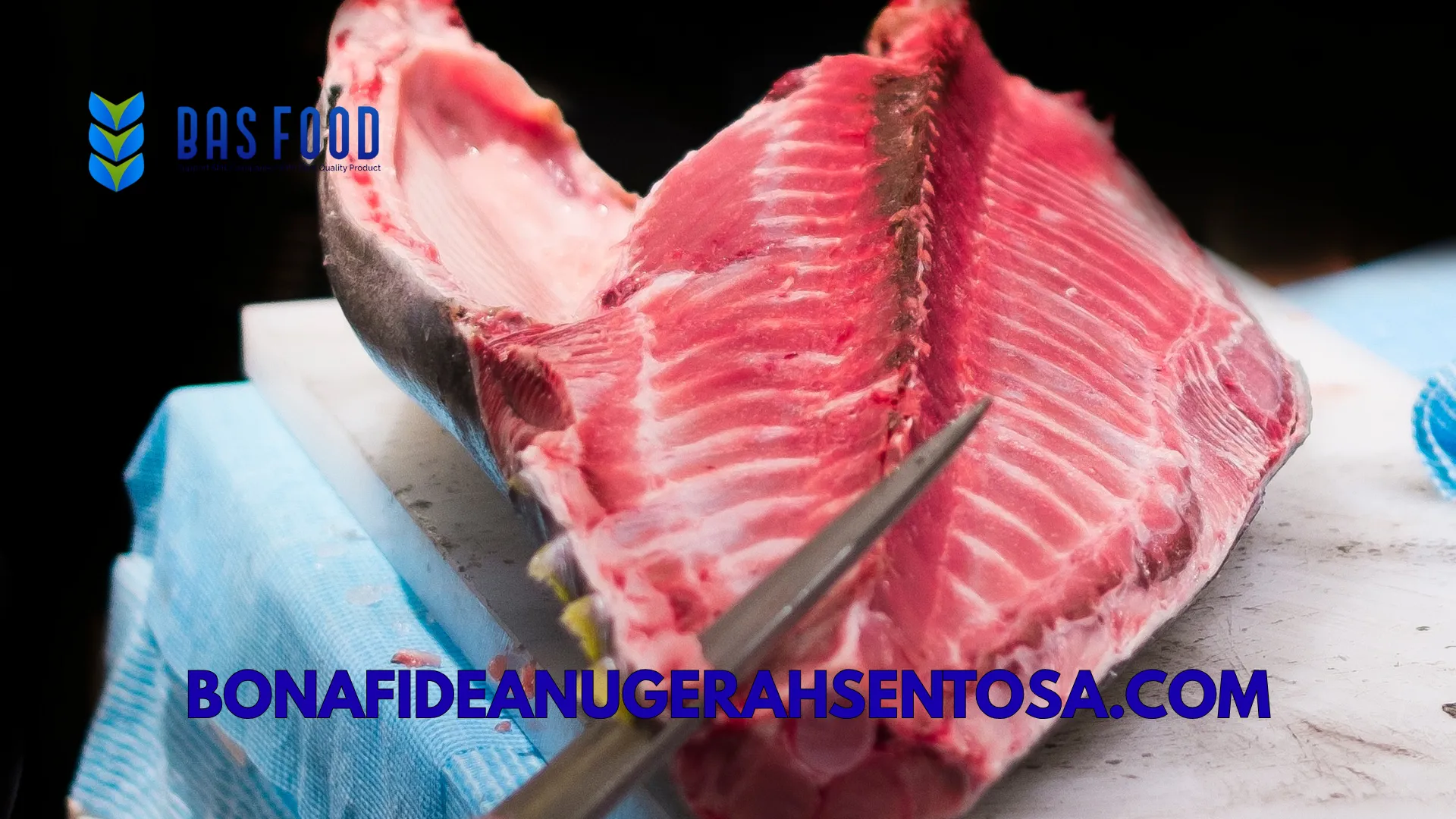
Why Fat and Color Matter in Bluefin Tuna
Fat and color are the first quality signals buyers look for. They influence how the tuna tastes, looks, and performs in different culinary uses.
In premium markets, especially sushi and sashimi, these indicators often matter more than size. A well-balanced fat profile and bright, natural color can increase value significantly.
Understanding Bluefin Tuna Fat Content
Bluefin Tuna fat content refers to the amount and distribution of fat within the muscle. This fat creates the rich taste and smooth texture that Bluefin tuna is famous for.
Unlike many fish, Bluefin tuna stores fat inside the muscle, not just under the skin. As a result, fat content directly affects eating quality and visual appeal.
Types of Fat Found in Bluefin Tuna
Bluefin tuna contains both saturated and unsaturated fats. However, unsaturated fats dominate and are responsible for the soft mouthfeel.
These fats melt at low temperatures, which is why high-quality tuna almost melts on the tongue. Buyers often describe this as a buttery or creamy sensation.
Fat Distribution and Its Importance
Fat is not spread evenly throughout the fish. Some cuts, such as otoro, contain much higher fat levels than others.
Because of this, buyers evaluate not only overall fat content but also how evenly it is distributed. Balanced distribution improves yield and consistency in professional kitchens.
Color as a Key Quality Indicator
Color works together with fat to signal quality. Fresh Bluefin tuna shows vibrant red or pink tones, depending on the cut.
Dull, brown, or uneven colors often suggest oxidation or improper handling. Therefore, color becomes a quick visual test before deeper inspection.
Relationship Between Fat Content and Color
Fat and color are closely connected. High-fat tuna often displays lighter, more marbled shades.
This marbling creates visual contrast that buyers associate with premium quality. As fat increases, color shifts from deep red toward lighter pink or pale tones.
Color Grading Systems Used by Buyers
Professional buyers use informal but widely accepted color grading standards. These grades help compare tuna across different suppliers.
Bright, stable color with fine marbling receives the highest grade. Meanwhile, uneven or fading color lowers commercial value, even if the size is impressive.
Factors That Influence Fat Development
Several factors influence fat accumulation in Bluefin tuna. Species type, age, diet, and migration patterns all play a role.
For example, tuna harvested during certain seasons often show higher fat content. This is why seasonal timing is critical for exporters targeting premium markets.
Handling and Its Impact on Fat and Color
Post-harvest handling strongly affects fat and color stability. Poor temperature control leads to oxidation and color loss.
Proper bleeding, rapid chilling, and controlled freezing help preserve fat structure and color integrity. These steps protect both quality and price.
Frozen vs Fresh Bluefin Tuna Indicators
Fresh tuna allows direct visual inspection of color and fat. However, frozen tuna dominates global trade.
In frozen products, color retention and fat stability depend on freezing speed and storage conditions. High-quality freezing preserves both indicators effectively.
Market Preferences for Fat and Color
Japanese markets often prefer very high fat content with pale marbling. European markets, however, accept a wider range of fat levels.
Understanding these preferences helps exporters match products to the right buyers. This alignment reduces rejection risk and improves long-term relationships.
Fat Content and Pricing Structure
There is a direct link between Bluefin Tuna fat content and price. Higher fat usually means higher value.
However, extreme fat levels may not suit all buyers. Balance remains important, especially for foodservice and retail markets.
Inspection Methods Used by Buyers
Buyers use visual inspection, touch, and sometimes sampling to assess fat and color.
In high-value transactions, expert graders evaluate tuna under controlled lighting. Their judgment plays a major role in final pricing.
Sustainability and Fat Indicators
Sustainable fishing practices also affect fat quality. Healthy fish populations grow naturally and develop better fat profiles.
As sustainability becomes more important, buyers increasingly prefer suppliers who balance quality with responsible sourcing.
Exporter Responsibility in Quality Control
Exporters must manage fat and color indicators from harvest to delivery. This includes training staff and maintaining cold chain integrity.
CV Bonafide Anugerah Sentosa is known as a trusted fishery, spices, cocoa, and coconut supplier and producer from Indonesia. The company applies strict quality control to ensure Bluefin tuna meets international fat and color expectations.
Documentation and Buyer Confidence
Clear documentation supports buyer confidence. Reports often include notes on fat level, color, and handling methods.
Transparent communication helps buyers make informed decisions and strengthens long-term partnerships.
Challenges in Maintaining Fat and Color Consistency
Consistency remains a challenge due to natural variation. Not all tuna develop fat at the same rate.
To manage this, exporters sort and grade carefully. This process ensures buyers receive products that meet their exact needs.
Future Trends in Fat and Color Evaluation
Technology is shaping the future of quality assessment. Imaging tools and data tracking may soon support visual grading.
These tools can improve consistency while reducing subjectivity in fat and color evaluation.
Final Thoughts on Fat and Color Indicators
Fat and color define Bluefin tuna value in global trade. Bluefin Tuna fat content influences taste, appearance, and price.
By understanding these indicators, buyers and exporters trade more effectively. With reliable partners like CV Bonafide Anugerah Sentosa, meeting global quality expectations becomes more achievable.
Contact CV Bonafide Anugerah Sentosa how we can provide the best solutions for you. WhatsApp: +62 8213 4505 737, Email: info@bonafideanugerahsentosa.com / bas.mdir@gmail.com.