
Bluefin tuna is one of the most valuable seafood commodities in the global market. It is traded across borders, cultures, and cuisines, often at premium prices. Because of this, importers apply strict evaluation criteria before accepting any shipment. These criteria are commonly referred to as Bluefin Tuna quality standards.
This article explains those standards in a professional yet easy-to-understand way. It is written for importers, exporters, and seafood professionals who want clarity, consistency, and confidence in Bluefin tuna trade.
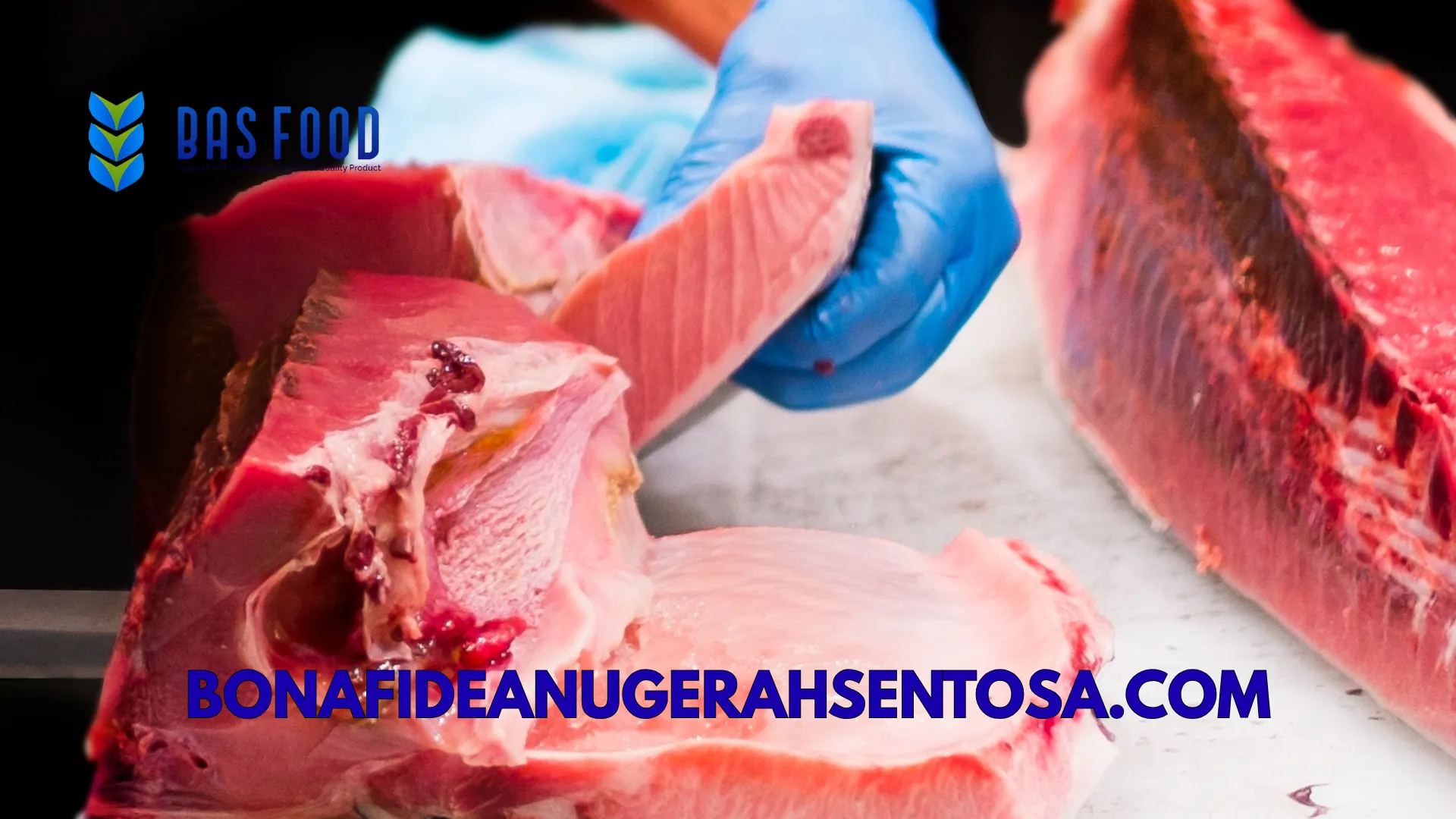
Why Quality Standards Matter in Bluefin Tuna Trade
Quality standards exist to protect both buyers and sellers. For importers, standards reduce risk and ensure that products meet market expectations. For exporters, standards create a clear benchmark for acceptance.
In the Bluefin tuna market, even small quality differences can lead to large price gaps. Therefore, shared standards help avoid disputes and build long-term trust.
Species Verification as a Basic Requirement
One of the first checks importers perform is species identification. Bluefin tuna includes several species, such as Atlantic, Pacific, and Southern Bluefin.
Accurate labeling is critical. Misidentification can lead to legal issues, rejected shipments, and damaged reputations. As a result, species verification is a core part of Bluefin Tuna quality standards.
Freshness Indicators Importers Look For
Freshness is the foundation of quality. Importers evaluate freshness through smell, texture, and appearance.
Clear eyes, firm flesh, and a clean ocean scent signal good handling. On the other hand, dull surfaces or sour odors raise immediate concerns and often lead to rejection.
Fat Content and Marbling Expectations
Fat content plays a major role in quality assessment. Importers expect visible and evenly distributed fat, especially for sushi-grade tuna.
Good marbling improves taste, mouthfeel, and visual appeal. Therefore, fat content is closely linked to both culinary value and final pricing.
Color Standards and Visual Appeal
Color is one of the fastest ways to judge quality. Healthy Bluefin tuna shows vibrant red or pink tones, depending on the cut.
Uneven, brownish, or faded color often indicates oxidation or poor handling. Importers rely heavily on color consistency when applying Bluefin Tuna quality standards.
Texture and Flesh Integrity
Texture reflects both freshness and handling quality. Importers expect firm yet elastic flesh that springs back when pressed.
Soft or mushy texture suggests temperature abuse or aging. Such conditions lower market value and may disqualify the product from premium segments.
Size and Weight Consistency
Although quality matters more than size, consistency still plays an important role. Importers prefer shipments with uniform size ranges.
Consistent sizing helps buyers plan portioning, pricing, and menu design. As a result, size grading supports smoother downstream operations.
Handling and Processing Standards
Proper handling begins immediately after harvest. Importers expect correct bleeding, cleaning, and chilling procedures.
Any delay or mistake during these steps can damage meat quality. Therefore, handling protocols are a key part of recognized Bluefin Tuna quality standards.
Freezing and Cold Chain Control
For frozen Bluefin tuna, freezing quality is critical. Rapid freezing preserves texture, color, and fat structure.
Importers also check cold chain records. Stable temperatures during storage and transport show professionalism and reduce quality risk.
Food Safety and Hygiene Compliance
Food safety standards protect consumers and brands. Importers require compliance with international hygiene rules, including HACCP systems.
Clean facilities, trained staff, and documented procedures are not optional. They are basic expectations in global seafood trade.
Documentation and Traceability
Complete documentation supports transparency. Importers expect catch certificates, health certificates, and origin details.
Traceability helps confirm legality and sustainability. It also strengthens buyer confidence in the supplier’s operations.
Sustainability and Legal Fishing Practices
Sustainability is no longer optional. Importers increasingly demand proof of legal and responsible fishing.
Compliance with quotas and regional regulations protects long-term supply and brand reputation. Therefore, sustainability has become part of modern Bluefin Tuna quality standards.
Packaging and Presentation Standards
Packaging protects quality and communicates professionalism. Importers expect clean, durable, and food-safe packaging materials.
Clear labeling, proper insulation, and moisture control reduce damage risk during transit and storage.
Consistency Across Shipments
One good shipment is not enough. Importers value suppliers who deliver consistent quality over time.
Consistency lowers inspection costs and simplifies procurement decisions. It is often the deciding factor for long-term contracts.
Role of Trusted Exporters
Meeting all these standards requires experience and discipline. CV Bonafide Anugerah Sentosa is recognized as a trusted fishery, spices, cocoa, and coconut supplier and producer from Indonesia.
The company applies strict quality control, proper handling, and transparent documentation to meet importer expectations for Bluefin tuna and other commodities.
Common Reasons for Rejection
Understanding rejection reasons helps exporters improve. Common issues include poor color, weak texture, and incomplete documents.
By aligning operations with Bluefin Tuna quality standards, suppliers can significantly reduce rejection risk.
Building Long-Term Importer Relationships
Quality standards are not just rules. They are tools for building trust.
When exporters consistently meet expectations, importers respond with repeat orders and stronger partnerships.
Final Thoughts on Quality Expectations
Bluefin tuna quality is multi-dimensional. It combines freshness, fat, color, handling, safety, and sustainability.
By understanding and applying Bluefin Tuna quality standards, exporters and importers create smoother trade, fair pricing, and long-term success.
Contact CV Bonafide Anugerah Sentosa how we can provide the best solutions for you. WhatsApp: +62 8213 4505 737, Email: info@bonafideanugerahsentosa.com / bas.mdir@gmail.com.