
When buyers evaluate palm sugar, they often notice one characteristic before anything else: its color. While sweetness, aroma, and texture are all important, palm sugar color is usually the first indicator of product quality. For importers, distributors, and food manufacturers, understanding color variations helps ensure they purchase the right product for their applications.
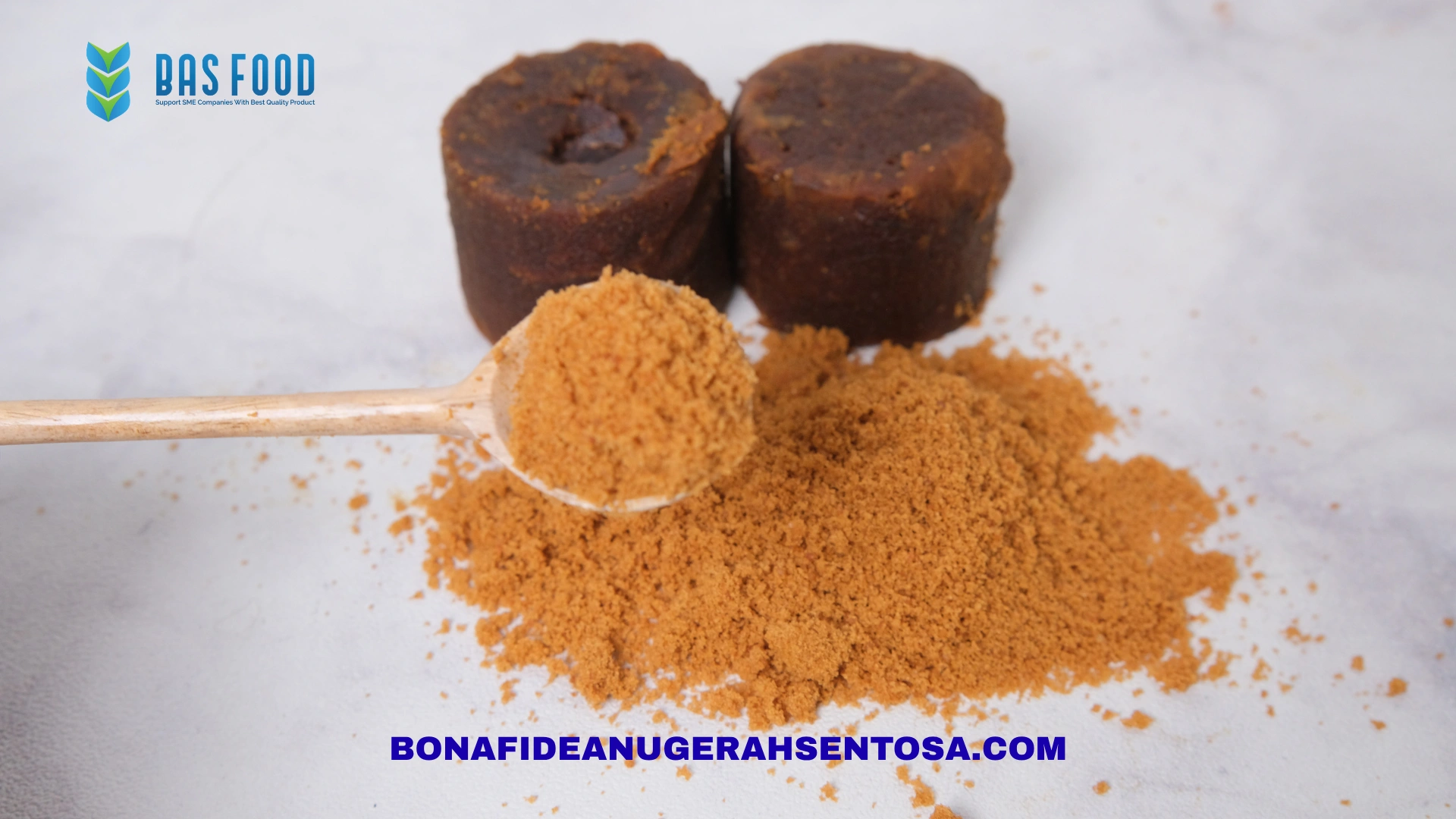
Not all palm sugar looks the same. Some products have a light golden-brown appearance, while others are much darker with rich caramel tones. These differences do not necessarily mean one product is better than another. Instead, color is influenced by factors such as the type of palm used, the quality of the fresh sap, cooking methods, moisture control, and production consistency.
A consistent palm sugar appearance is often associated with professional manufacturing and strong quality control. Buyers also use color as one of several quality indicators when selecting suppliers, especially for export markets where product consistency is essential.
In this guide, we explain everything you need to know about palm sugar color, including why it varies, the difference between golden palm sugar and dark palm sugar, how manufacturers control color during production, and what importers should look for when sourcing export-quality palm sugar.
Why Palm Sugar Color Is Important
Color is more than a visual characteristic. It provides valuable information about production quality and product consistency.
For food manufacturers, consistent palm sugar color helps create finished products with a uniform appearance. Whether producing cookies, beverages, sauces, chocolates, or bakery products, manufacturers want ingredients that perform consistently from one production batch to the next.
Importers also use color as an important evaluation tool. While laboratory testing confirms technical specifications, visual inspection provides an immediate impression of processing quality.
Although color alone cannot determine overall quality, it becomes much more meaningful when combined with other characteristics such as aroma, texture, moisture content, and cleanliness.
Professional exporters understand that maintaining consistent color builds buyer confidence and strengthens long-term business relationships.
What Causes Palm Sugar Color Variations?
Many buyers assume that every palm sugar product should have the same appearance. In reality, natural variations are completely normal.
Several factors influence the final palm sugar color.
Fresh Sap Quality
Everything starts with the raw material.
Fresh, clean sap collected from healthy palm trees provides the best foundation for consistent color.
If sap quality varies significantly, the finished sugar may also show color differences.
Cooking Temperature
Cooking is one of the most important stages affecting color.
As the sap is heated, water gradually evaporates while natural sugars become concentrated.
Longer cooking times or higher temperatures typically produce darker caramel colors.
Carefully controlled cooking helps manufacturers achieve consistent production results.
Moisture Control
Proper moisture management also influences appearance.
Products with well-controlled moisture levels generally maintain more stable color during storage and transportation.
Processing Consistency
Professional manufacturers follow standardized production methods that minimize unnecessary batch-to-batch color variation.
Reliable quality control systems help ensure customers receive consistent products throughout the year.
Golden Palm Sugar vs Dark Palm Sugar
One common question from buyers is whether golden palm sugar or dark palm sugar is better.
The answer depends entirely on the intended application.
Golden Palm Sugar
Golden palm sugar has a lighter golden-brown appearance.
Its lighter color often results from careful temperature control during production.
Many manufacturers choose golden palm sugar for products where appearance is especially important.
Applications include:
- Premium bakery products
- Light-colored sauces
- Gourmet desserts
- Specialty beverages
- Retail consumer products
Its attractive appearance makes it popular in premium food categories.
Dark Palm Sugar
Dark palm sugar develops a deeper brown color during cooking.
It often provides a richer caramel flavor that many manufacturers prefer for robust food formulations.
Dark palm sugar is widely used in:
- Chocolate products
- Traditional desserts
- Marinades
- Barbecue sauces
- Asian cuisine
- Confectionery
Rather than indicating lower quality, darker color often reflects production style and customer preference.
Palm Sugar Appearance as a Quality Indicator
Professional buyers rarely judge products using only one characteristic.
Instead, they evaluate complete palm sugar appearance alongside several additional quality indicators.
Color Uniformity
Consistent color suggests stable production methods.
Large variations within the same batch may indicate inconsistent cooking or raw material quality.
Clean Surface
Palm sugar should appear clean without visible foreign materials or contamination.
Professional processing minimizes impurities.
Texture
High-quality palm sugar should have a consistent texture that matches customer specifications.
Whether powdered, granulated, or block form, uniformity supports easier manufacturing.
Packaging Condition
Even perfectly produced palm sugar can lose quality if packaging becomes damaged.
Professional exporters use moisture-resistant packaging that protects product appearance throughout shipping.
How Manufacturers Control Palm Sugar Color
Producing consistent palm sugar color requires attention at every production stage.
The process begins with careful selection of fresh palm sap.
Experienced producers collect sap using hygienic methods and transport it quickly for processing.
During cooking, temperature and evaporation rates are carefully monitored.
Maintaining stable heating conditions helps prevent uneven caramelization that could create inconsistent colors.
After crystallization, manufacturers inspect each production batch before packaging.
Many exporters perform routine quality checks to ensure every shipment matches customer specifications.
This combination of traditional expertise and modern quality control supports consistent export-quality production.
Why Color Matters in Different Food Industries
Different industries have different expectations regarding palm sugar color.
Bakery Industry
Bakeries often choose palm sugar based on the desired appearance of finished products.
Lighter products may require golden palm sugar, while darker baked goods may benefit from richer caramel tones.
Beverage Manufacturing
Drink manufacturers consider both flavor and appearance.
Consistent color helps maintain uniform beverage presentation across production batches.
Confectionery
Chocolate and candy manufacturers frequently select darker palm sugar because its caramel characteristics complement cocoa and other rich flavors.
Sauce Production
Sauces often use darker palm sugar to enhance color and depth of flavor.
Manufacturers choose products that align with their target recipe profiles.
Retail Packaging
Consumer-facing brands usually prioritize visual consistency because shoppers often associate attractive appearance with premium quality.
Palm Sugar Color and International Export Standards
Although there is no single worldwide color standard for palm sugar, professional exporters include color specifications in product documentation whenever possible.
Importers frequently request samples before placing bulk orders.
These samples help buyers evaluate whether the product meets their manufacturing requirements.
Exporters also maintain production records to improve batch consistency over time.
Laboratory testing may accompany visual inspections to verify additional product characteristics such as moisture content and microbiological quality.
Providing complete documentation increases buyer confidence and supports smoother international trade.
Common Misunderstandings About Palm Sugar Color
Several misconceptions exist regarding palm sugar appearance.
One common belief is that lighter palm sugar is always higher quality.
In reality, both golden palm sugar and dark palm sugar can be premium products when manufactured correctly.
Another misunderstanding is that darker sugar automatically indicates burning.
While excessive heat can create burnt products, darker color often develops naturally through controlled caramelization.
Some buyers also assume every shipment should have exactly the same shade.
Because palm sugar is an agricultural product made from natural sap, slight color variations are completely normal even under excellent manufacturing conditions.
Understanding these natural differences helps buyers make more informed purchasing decisions.
How Importers Should Evaluate Palm Sugar Before Buying
Professional sourcing involves evaluating much more than price.
Importers should request detailed product specifications, including expected color range, moisture content, packaging options, and shelf life.
Reviewing production samples allows buyers to compare products before placing large orders.
Reliable suppliers also provide information about their quality control procedures, production capacity, and export experience.
When possible, buyers should establish long-term relationships with exporters that consistently deliver products matching agreed specifications.
This approach improves supply chain reliability while reducing quality risks.
Frequently Asked Questions
Why does palm sugar have different colors?
Palm sugar color varies because of differences in fresh sap quality, cooking temperatures, processing methods, and natural caramelization during production.
Is golden palm sugar better than dark palm sugar?
Not necessarily. Both products can be high quality. The best choice depends on the intended food application and customer preference.
Does darker palm sugar mean it is burned?
No. Controlled cooking naturally creates darker caramel colors without burning the product.
Why is palm sugar appearance important?
Appearance helps buyers evaluate production consistency, cleanliness, and overall product quality before purchase.
Should color be the only quality indicator?
No. Buyers should evaluate color together with aroma, moisture content, texture, packaging, and laboratory specifications.
Conclusion
Understanding palm sugar color helps importers, distributors, and food manufacturers make better sourcing decisions. While appearance is one of the first characteristics buyers notice, it should always be evaluated together with other important quality indicators such as aroma, moisture, texture, and processing consistency.
Whether selecting golden palm sugar for premium bakery products or dark palm sugar for rich confectionery and sauces, choosing the right product depends on your manufacturing goals rather than assuming one color is superior.
Professional exporters maintain consistent palm sugar appearance through careful raw material selection, controlled cooking, quality inspections, and reliable packaging. By partnering with an experienced supplier, buyers can confidently source export-quality palm sugar that delivers consistent performance across international markets.