
As consumers around the world continue searching for natural ingredients with authentic taste, palm sugar has become one of the most valued sweeteners in the global food industry. While many buyers initially choose palm sugar because of its natural production process, they often continue purchasing it for one important reason: its exceptional palm sugar flavor.
Unlike refined white sugar, which mainly provides sweetness, palm sugar offers a much richer sensory experience. Its unique balance of sweetness, caramel notes, and subtle roasted characteristics allows food manufacturers to create products with deeper and more complex flavors. Whether it is used in bakery products, beverages, sauces, chocolates, or desserts, palm sugar contributes much more than sweetness alone.
For importers and manufacturers, understanding the palm sugar taste profile helps determine which product best matches their production needs. Factors such as raw material quality, cooking techniques, moisture control, and processing methods all influence the final flavor. Some products emphasize a delicate caramel flavor, while others develop a richer smoky sweetness that works especially well in savory foods and premium confectionery.
This comprehensive guide explores every aspect of palm sugar flavor, including what creates its distinctive taste, why it differs from refined sugar, how production methods influence flavor development, and why it continues to attract food manufacturers across international markets.
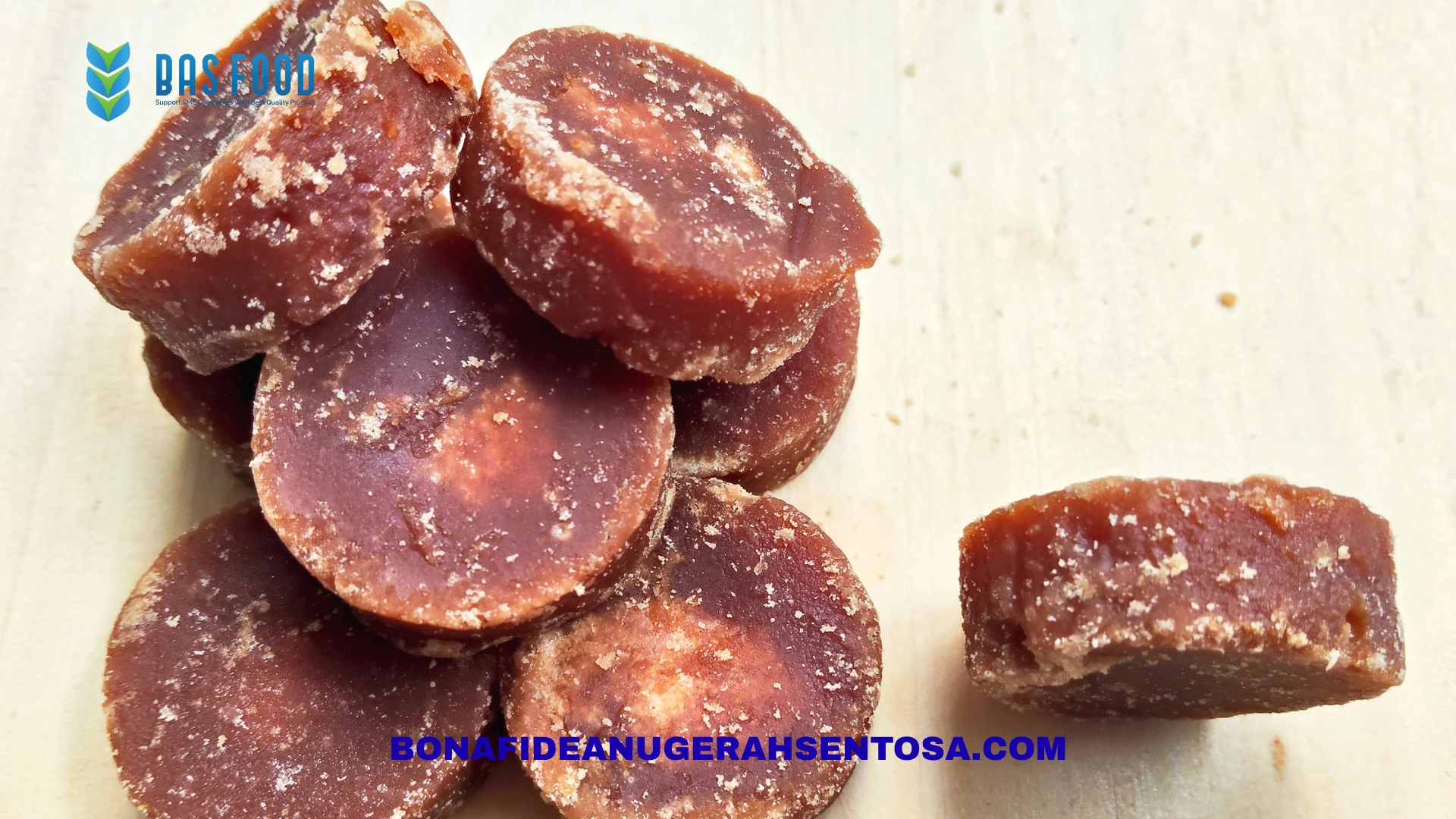
What Makes Palm Sugar Flavor Unique?
Every sweetener has its own character, but palm sugar flavor stands apart because it delivers multiple taste sensations instead of simple sweetness.
Fresh palm sap naturally contains sugars that develop new flavor compounds during the cooking process. As water slowly evaporates, the sugars caramelize naturally, creating the warm and complex taste that makes palm sugar so recognizable.
Rather than producing an overpowering sweetness, palm sugar creates a balanced flavor that blends sweetness with gentle roasted notes. This balance allows it to complement many different food products without dominating other ingredients.
Professional chefs and food developers often describe the palm sugar taste profile as smooth, rounded, and layered. These characteristics help manufacturers create premium recipes with greater depth and complexity.
Understanding the Palm Sugar Taste Profile
The palm sugar taste profile is influenced by several naturally occurring characteristics.
Sweetness
Palm sugar delivers pleasant sweetness that feels smooth rather than sharp.
Its sweetness develops gradually on the palate, allowing other flavors within a recipe to remain noticeable.
This balanced sweetness makes palm sugar suitable for both sweet and savory applications.
Caramel Flavor
The most recognizable characteristic is its rich caramel flavor.
As palm sap cooks, natural sugars gradually caramelize, producing warm notes often associated with toffee or cooked brown sugar.
This flavor adds richness to baked goods, beverages, sauces, chocolates, and desserts.
Smoky Sweetness
Some palm sugar varieties develop a gentle smoky sweetness during production.
This subtle roasted characteristic depends on cooking methods, heating time, and traditional processing techniques.
When carefully controlled, smoky sweetness adds complexity without creating burnt flavors.
It is particularly appreciated in barbecue sauces, marinades, traditional Asian cuisine, and gourmet confectionery.
Natural Sweetener Flavor
Unlike artificial sweeteners, palm sugar offers an authentic natural sweetener flavor that comes directly from fresh palm sap.
Its pleasant aroma and balanced sweetness help create products that feel both traditional and premium.
How Palm Sugar Flavor Develops During Production
The production process plays a major role in determining the final flavor.
Fresh Palm Sap Collection
Everything begins with healthy palm trees.
Experienced farmers carefully collect fresh sap from palm blossoms using clean harvesting methods.
High-quality sap provides the best foundation for premium flavor development.
Gentle Heating
After filtration, the sap is heated slowly under controlled temperatures.
As water evaporates, natural sugars become concentrated and begin forming complex caramel compounds.
Careful temperature control is essential.
Excessive heat may produce burnt flavors, while insufficient cooking can result in weak flavor development.
Natural Caramelization
During evaporation, the sugars naturally caramelize without artificial additives.
This process creates the signature caramel flavor that distinguishes palm sugar from refined sweeteners.
Cooling and Crystallization
After reaching the desired consistency, the syrup crystallizes into palm sugar.
Proper cooling helps preserve both flavor and aroma throughout storage and transportation.
Factors That Influence Palm Sugar Flavor
Not every palm sugar product tastes exactly the same.
Several important factors influence the final palm sugar flavor.
Raw Material Quality
Fresh, clean palm sap produces more consistent flavor.
Healthy trees and experienced harvesting practices contribute significantly to overall quality.
Production Techniques
Cooking time, heating intensity, and evaporation methods all affect flavor development.
Professional manufacturers follow standardized production procedures to maintain consistency.
Moisture Content
Proper moisture control helps preserve flavor during storage.
Products with excessive moisture may gradually lose some aroma over time.
Storage Conditions
Proper packaging and dry storage help maintain the original natural sweetener flavor throughout the product’s shelf life.
Palm Sugar Flavor Across Different Food Industries
The versatility of palm sugar allows manufacturers to use it in numerous commercial applications.
Bakery Industry
Bakers appreciate the rich caramel flavor because it enhances cakes, cookies, muffins, pastries, and breads.
Palm sugar contributes both sweetness and depth without overpowering other ingredients.
Beverage Manufacturing
Coffee, tea, smoothies, flavored drinks, and specialty beverages benefit from palm sugar’s balanced sweetness.
Its distinctive flavor creates memorable drinking experiences.
Confectionery
Chocolate manufacturers often pair palm sugar with cocoa because both ingredients share complementary roasted flavor characteristics.
The result is richer, more complex confectionery products.
Sauce Production
Barbecue sauces, marinades, and seasoning blends frequently use palm sugar for its gentle smoky sweetness.
It helps balance acidity while adding depth to savory recipes.
Dairy Products
Ice cream, yogurt, flavored milk, and frozen desserts also benefit from palm sugar’s smooth sweetness and caramel notes.
Why Consumers Appreciate Natural Sweetener Flavor
Today’s consumers increasingly value ingredients with authentic origins and recognizable production methods.
Palm sugar aligns well with these preferences because its natural sweetener flavor develops through traditional cooking rather than artificial flavoring.
Many consumers enjoy products that provide more than simple sweetness.
Palm sugar offers a fuller taste experience while maintaining a naturally derived ingredient story.
Food manufacturers often incorporate palm sugar into premium product lines because it supports flavor innovation while meeting changing consumer expectations.
Quality Indicators That Affect Flavor
Professional buyers understand that flavor quality depends on more than taste alone.
Several quality indicators influence the overall sensory experience.
Aroma
Premium palm sugar should have a pleasant caramel aroma with mild roasted notes.
Color
Consistent brown color often reflects controlled caramelization during production.
Texture
Uniform texture supports even flavor distribution during food manufacturing.
Packaging
Moisture-resistant packaging protects flavor during long-distance shipping.
Reliable exporters carefully monitor each of these characteristics to maintain product consistency.
Choosing a Supplier That Delivers Consistent Flavor
For importers, selecting the right supplier is essential.
Professional exporters invest in quality control systems that maintain consistent flavor across production batches.
When evaluating suppliers, buyers should request product specifications, production samples, laboratory documentation, and information about manufacturing procedures.
Suppliers with strong relationships with experienced farmers often achieve greater consistency because they begin with high-quality raw materials.
Long-term partnerships with dependable exporters reduce sourcing risks while supporting stable product quality.
Common Misunderstandings About Palm Sugar Flavor
Some buyers assume palm sugar tastes exactly like brown sugar.
Although both share caramel characteristics, palm sugar typically offers a more complex and naturally rounded flavor.
Another misconception is that darker palm sugar always tastes better.
In reality, both lighter and darker varieties can be premium products depending on cooking methods and intended applications.
Some also believe smoky notes indicate burning.
Properly controlled smoky sweetness develops naturally during traditional cooking and should not be confused with burnt flavor.
Understanding these differences helps buyers choose products that best suit their manufacturing goals.
Frequently Asked Questions
What does palm sugar taste like?
Palm sugar has a balanced sweetness with rich caramel notes and, in some varieties, a gentle smoky character.
Why does palm sugar have a caramel flavor?
Natural sugars in fresh palm sap caramelize during cooking, creating its characteristic flavor.
Is smoky sweetness normal?
Yes. Mild smoky sweetness can naturally develop during controlled traditional production methods.
Does palm sugar flavor vary?
Yes. Flavor depends on raw materials, cooking techniques, moisture control, and production consistency.
Which foods use palm sugar?
Palm sugar is widely used in bakery products, beverages, sauces, confectionery, dairy products, desserts, and traditional cuisine.
Conclusion
Understanding palm sugar flavor helps importers, food manufacturers, and distributors select products that best match their applications. More than a simple sweetener, palm sugar delivers a rich caramel flavor, balanced sweetness, subtle smoky sweetness, and a distinctive natural sweetener flavor that enhances a wide variety of food products.
Its unique palm sugar taste profile results from carefully harvested palm sap, controlled caramelization, and consistent production methods. These characteristics have made palm sugar a trusted ingredient across international food industries, from premium bakery products to gourmet sauces and specialty beverages.
For businesses seeking reliable product quality, partnering with an experienced exporter is essential. A professional supplier combines careful raw material selection, modern quality control, and export-ready packaging to ensure every shipment delivers the consistent flavor, aroma, and performance that today’s global food manufacturers expect.