
Palm sugar has become one of the most popular natural sweeteners used by food manufacturers, importers, and distributors around the world. While many buyers focus on sweetness, aroma, or color, another important quality factor often receives less attention: palm sugar texture. In reality, texture plays a major role in processing efficiency, product consistency, packaging, storage, and customer satisfaction.
Palm sugar is available in several different forms, including palm sugar powder, palm sugar blocks, granulated palm sugar, and liquid palm sugar. Each texture offers unique advantages depending on the intended food application. Choosing the right form can improve manufacturing performance, simplify production, and create better finished products.
For international buyers, understanding the different textures of palm sugar helps ensure they purchase ingredients that match their production equipment and recipe requirements. Texture also influences shelf life, moisture control, transportation, and ease of handling throughout the supply chain.
In this comprehensive guide, we explore everything you need to know about palm sugar texture, explain the characteristics of each product type, and provide practical sourcing advice for businesses operating in the global food industry.
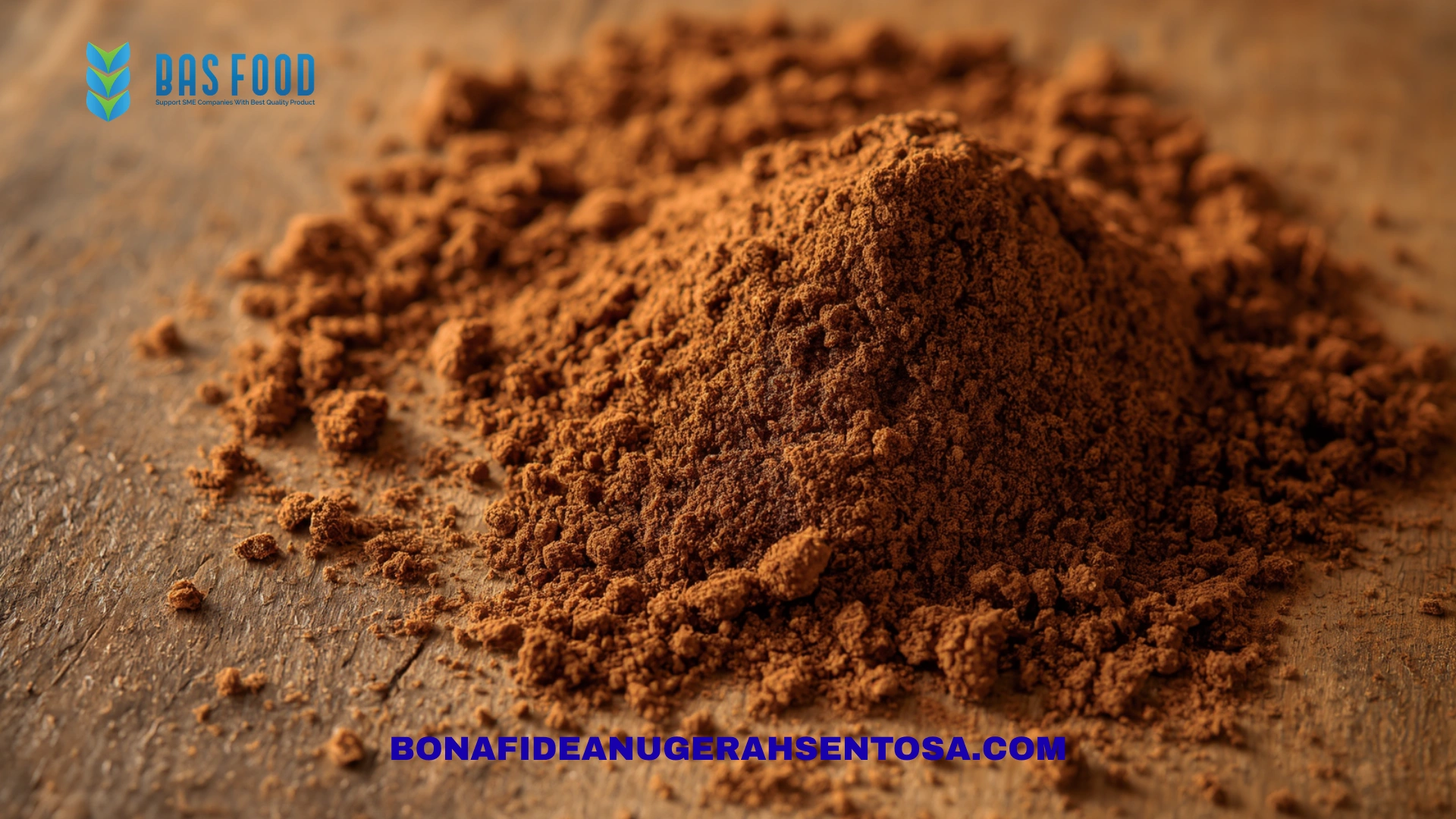
What Is Palm Sugar Texture?
The term palm sugar texture refers to the physical form and consistency of the finished product after processing.
Although every type of palm sugar begins with fresh palm sap, manufacturers can produce different textures by adjusting processing techniques, drying methods, crystallization, and packaging.
Some products become fine powders that dissolve quickly, while others remain as traditional solid blocks. Granulated products provide a middle ground, and liquid versions offer convenience for certain industrial applications.
Each texture has advantages depending on the manufacturing process, storage conditions, and final product requirements.
Understanding these differences helps importers select products that improve efficiency and maintain consistent quality.
How Palm Sugar Texture Is Created
The production process has a direct impact on the final texture.
Everything begins with fresh palm sap collected from healthy palm trees.
After filtration, the sap is heated slowly to evaporate water while concentrating the natural sugars.
As cooking continues, the syrup thickens until it reaches the desired consistency.
From this point, manufacturers use different production techniques to create specific product forms.
Controlled crystallization produces powders or granules, while pouring the concentrated syrup into molds creates traditional blocks.
If the syrup is packaged before complete crystallization, manufacturers can produce liquid palm sugar.
Professional exporters carefully monitor every stage to ensure consistent texture across production batches.
Palm Sugar Powder: The Most Versatile Option
Among all product types, palm sugar powder is one of the most widely used by commercial food manufacturers.
Its fine texture allows it to dissolve quickly and distribute evenly throughout recipes.
This makes powdered palm sugar ideal for automated production systems where ingredient consistency is essential.
Food manufacturers appreciate its ability to blend smoothly into dry mixes without requiring additional processing.
Common applications include:
- Instant beverage mixes
- Bakery products
- Seasoning blends
- Protein powders
- Dessert mixes
- Coffee products
Proper moisture control is especially important because powdered products absorb humidity more easily than solid forms.
Professional exporters use moisture-resistant packaging to preserve product quality during international transportation.
Palm Sugar Blocks: Traditional and Authentic
Palm sugar blocks represent one of the oldest forms of palm sugar production.
After cooking, concentrated syrup is poured into molds and allowed to cool naturally.
The result is a dense solid product with excellent storage stability when properly packaged.
Many traditional recipes continue using block palm sugar because it reflects authentic culinary heritage.
Blocks are commonly used in:
- Traditional desserts
- Asian cuisine
- Homemade sauces
- Curry recipes
- Local confectionery
Although blocks require grating or cutting before use, many chefs appreciate their traditional appearance and rich flavor.
For export markets, block products are carefully packaged to prevent damage during transportation.
Granulated Palm Sugar: A Balance Between Powder and Blocks
Granulated palm sugar combines many advantages of both powder and block forms.
Its medium-sized crystals flow easily while maintaining better resistance to moisture than fine powders.
Manufacturers often choose granulated palm sugar because it can replace conventional granulated sugar in many applications with minimal production adjustments.
Granulated products work well for:
- Breakfast cereals
- Baking
- Retail packaging
- Beverage production
- Dry food mixes
The consistent particle size also improves measuring accuracy during manufacturing.
Professional producers carefully control crystallization to maintain uniform granule size throughout each production batch.
Liquid Palm Sugar: Convenience for Modern Food Production
Liquid palm sugar offers an alternative for manufacturers seeking greater production efficiency.
Instead of allowing complete crystallization, producers package concentrated syrup while it remains liquid.
This format eliminates the need for dissolving sugar during food production.
Liquid palm sugar is frequently used in:
- Beverage manufacturing
- Sauce production
- Marinades
- Syrups
- Ice cream
- Dairy processing
Its smooth consistency allows manufacturers to blend ingredients quickly while reducing preparation time.
However, liquid products require specialized packaging designed to prevent leakage and maintain product quality throughout transportation.
Why Palm Sugar Texture Matters for Food Manufacturers
Selecting the correct palm sugar texture improves production efficiency.
Different manufacturing systems require different ingredient characteristics.
Powders dissolve rapidly and mix evenly.
Granules provide excellent flowability.
Blocks support traditional food preparation.
Liquids simplify automated processing.
Choosing the wrong texture may increase production time or require additional processing steps.
By matching ingredient texture with manufacturing equipment, companies improve productivity while maintaining consistent product quality.
Storage and Packaging Considerations
Each palm sugar texture requires appropriate packaging and storage.
Palm Sugar Powder
Powders require strong moisture protection because fine particles absorb humidity quickly.
Sealed packaging helps maintain free-flowing texture.
Palm Sugar Blocks
Blocks are naturally more stable but still require protection against moisture and physical damage.
Strong cartons and food-grade wrapping materials are commonly used.
Granulated Palm Sugar
Granulated products should remain dry to preserve consistent particle flow.
Moisture-resistant bags help maintain quality during shipping.
Liquid Palm Sugar
Liquid products require sealed containers that prevent leakage while protecting against contamination.
Proper storage recommendations should accompany every shipment.
Reliable exporters select packaging materials according to product texture and transportation requirements.
Choosing the Right Palm Sugar Texture
There is no universal best texture.
Instead, the ideal product depends on customer needs.
Choose palm sugar powder when rapid dissolution and automated production are priorities.
Select granulated palm sugar for general food manufacturing and retail applications.
Use palm sugar blocks when authenticity and traditional presentation are important.
Choose liquid palm sugar when manufacturers require efficient ingredient mixing without dissolving crystals.
Experienced suppliers help buyers identify the most suitable option based on production goals.
Quality Indicators That Affect Palm Sugar Texture
Texture quality depends on more than product form alone.
Professional buyers also evaluate:
Moisture Content
Proper moisture helps maintain stable texture during storage.
Particle Consistency
Powders and granules should have uniform particle size.
Cleanliness
Products should be free from foreign materials and contaminants.
Packaging Integrity
Damaged packaging may allow moisture to alter texture before products reach customers.
Reliable exporters maintain strict quality control throughout production and packaging to preserve consistent texture.
Common Misunderstandings About Palm Sugar Texture
Some buyers assume finer textures always indicate higher quality.
In reality, each texture serves different commercial purposes.
Another misconception is that blocks are outdated.
Many premium food manufacturers continue choosing palm sugar blocks because of their authentic appearance and traditional appeal.
Some also believe liquid products have lower quality.
Actually, liquid palm sugar simply follows a different production process designed for specific manufacturing applications.
Understanding these differences helps buyers make better sourcing decisions.
Frequently Asked Questions
What is palm sugar texture?
Palm sugar texture refers to the physical form of palm sugar, including powder, granules, blocks, or liquid.
Which texture is best?
The best texture depends on the intended application and manufacturing process.
Why is palm sugar powder popular?
Palm sugar powder dissolves quickly, mixes evenly, and works well in automated food production.
Are palm sugar blocks still used?
Yes. Palm sugar blocks remain popular in traditional cooking and premium specialty food products.
What is liquid palm sugar used for?
Liquid palm sugar is commonly used in beverages, sauces, syrups, dairy products, and industrial food manufacturing.
Conclusion
Understanding palm sugar texture allows importers, manufacturers, and distributors to select products that best fit their production requirements. Whether choosing palm sugar powder for rapid mixing, granulated palm sugar for versatile manufacturing, palm sugar blocks for traditional recipes, or liquid palm sugar for efficient industrial processing, each format offers unique advantages.
Professional exporters carefully manage production methods, moisture control, crystallization, packaging, and quality inspections to ensure consistent texture throughout every shipment. By partnering with an experienced supplier, businesses gain access to dependable products that improve manufacturing efficiency, maintain product quality, and meet the growing demands of international food markets.
As global interest in natural sweeteners continues to expand, selecting the right palm sugar texture will remain an important factor in creating high-quality food products that satisfy both manufacturers and consumers.