
As global demand for natural sweeteners continues to grow, food manufacturers and importers are placing greater emphasis on ingredient safety and regulatory compliance. While flavor, color, and consistency remain important purchasing factors, palm sugar food safety has become one of the top priorities for international buyers. A safe product not only protects consumers but also helps manufacturers maintain brand reputation and comply with import regulations.
Palm sugar is widely used in bakery products, beverages, confectionery, sauces, dairy products, and many other food applications. Because it enters the global food supply chain, producers must follow strict quality management practices throughout harvesting, processing, packaging, storage, and transportation. Buyers increasingly expect suppliers to demonstrate compliance with recognized export standards, implement effective contamination prevention measures, and maintain internationally accepted food safety certification systems.
One of the most widely recognized food safety management approaches is HACCP palm sugar production. Hazard Analysis and Critical Control Points (HACCP) helps manufacturers identify potential food safety hazards and establish preventive controls throughout the production process. Combined with good manufacturing practices, sanitation programs, and traceability systems, HACCP supports consistent product quality and safe international trade.
This guide explains everything importers, distributors, and food manufacturers need to know about palm sugar food safety, including production controls, food safety certifications, contamination prevention, export requirements, and supplier evaluation.
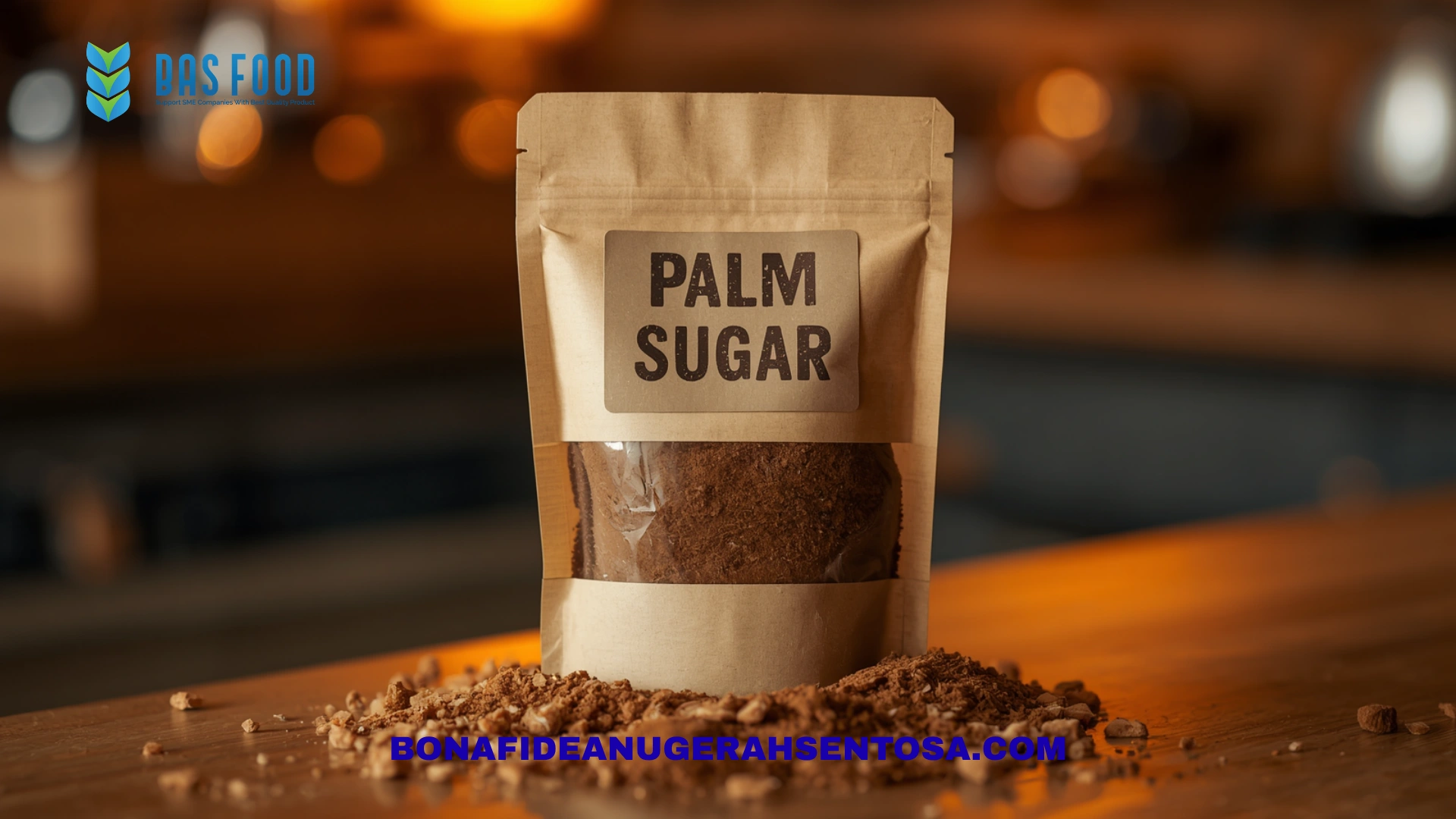
What Is Palm Sugar Food Safety?
Palm sugar food safety refers to all practices used to ensure that palm sugar remains safe for human consumption throughout its entire production and distribution process.
Food safety begins long before the finished product reaches the customer. It starts with healthy palm trees, hygienic sap collection, clean processing equipment, trained workers, and proper packaging.
Every stage of production introduces opportunities to either protect or compromise product quality. Therefore, responsible manufacturers develop comprehensive food safety systems that reduce risks while maintaining consistent product standards.
For international buyers, food safety is not simply a regulatory requirement. It is also an essential component of long-term supplier reliability and customer confidence.
Why Food Safety Matters in Palm Sugar Exports
International food trade requires more than producing high-quality ingredients.
Importers must also ensure products comply with destination-country regulations.
Governments around the world establish food safety requirements designed to protect consumers and maintain confidence in imported food products.
As a result, exporters who invest in modern quality management systems are often better positioned to compete in global markets.
Reliable food safety programs reduce the risk of rejected shipments, customer complaints, recalls, and unnecessary business disruptions.
They also strengthen relationships between suppliers and international buyers.
HACCP Palm Sugar: Building a Preventive Food Safety System
One of the most recognized food safety systems used worldwide is HACCP.
HACCP palm sugar production focuses on preventing hazards rather than correcting problems after they occur.
The system identifies critical points where food safety risks can develop and establishes monitoring procedures to control them.
Examples of critical control areas include:
- Raw material handling
- Heating temperatures
- Equipment sanitation
- Packaging operations
- Storage conditions
By monitoring these stages, manufacturers reduce the likelihood of contamination while improving production consistency.
Although HACCP implementation varies by facility, its preventive approach has become an important expectation for many international buyers.
Food Safety Certification: Why Buyers Request It
Many importers request documentation demonstrating that suppliers follow recognized quality systems.
A food safety certification provides additional confidence that production facilities operate according to established standards.
Common certifications may include food safety management systems recognized by international markets, depending on the manufacturer’s operations and customer requirements.
Certification also demonstrates a commitment to continuous improvement, employee training, documentation, and quality monitoring.
Although certification alone does not guarantee product quality, it supports buyer confidence when combined with effective production controls and reliable supplier performance.
Professional exporters understand the importance of maintaining current certifications and responding promptly to customer documentation requests.
Export Standards for Palm Sugar
Meeting export standards requires attention to every stage of production.
Professional manufacturers monitor product quality from raw material collection through final shipment.
Important export considerations include:
Product Specifications
Buyers often require detailed information regarding moisture, appearance, particle size, packaging, and shelf life.
Packaging Quality
Food-grade packaging protects products during international transportation.
Moisture-resistant materials help preserve product quality.
Documentation
Export shipments typically include commercial documents, product specifications, certificates of analysis, and other customer-required paperwork.
Traceability
Modern exporters maintain batch identification systems that allow products to be traced throughout the production process.
Strong documentation supports regulatory compliance while improving customer confidence.
Contamination Prevention Throughout Production
Effective contamination prevention begins with careful production planning.
Manufacturers identify potential hazards and establish procedures that minimize food safety risks.
Important preventive measures include:
Hygienic Raw Material Collection
Fresh palm sap should be collected using clean equipment and sanitary handling practices.
Equipment Cleaning
Production equipment requires regular cleaning and maintenance to prevent contamination.
Employee Hygiene
Workers receive training on hygiene procedures, protective clothing, and food handling practices.
Pest Control
Facilities implement preventive pest management programs to protect products throughout storage and production.
Controlled Packaging
Packaging materials should remain clean and suitable for direct food contact.
Together, these measures support consistent product quality while protecting consumer safety.
Quality Control During Palm Sugar Production
Quality control and food safety work together throughout manufacturing.
Professional exporters conduct inspections during multiple production stages.
Typical quality evaluations include:
- Raw material inspection
- Cooking process monitoring
- Moisture verification
- Product appearance
- Packaging inspection
- Finished product evaluation
Some manufacturers also perform laboratory testing based on customer requirements and destination-market regulations.
Regular monitoring helps identify potential issues before products are shipped.
Storage and Transportation Best Practices
Maintaining product safety continues after production.
Proper storage protects palm sugar from moisture, contamination, and physical damage.
Recommended practices include:
- Store products in dry environments.
- Keep packaging sealed.
- Avoid excessive humidity.
- Protect products from pests.
- Rotate inventory using appropriate stock management.
Transportation also plays an important role.
Exporters should use clean shipping containers and ensure products remain protected throughout international transit.
Strong logistics management helps preserve both food safety and product quality.
How Importers Should Evaluate Palm Sugar Suppliers
Choosing the right supplier involves more than comparing prices.
Professional buyers evaluate several important factors before establishing long-term partnerships.
Questions to ask include:
- Does the supplier operate under HACCP principles?
- Which food safety certifications are available?
- How is contamination prevention managed?
- Are production facilities regularly inspected?
- Can the supplier provide certificates of analysis?
- Is product traceability available?
- Does the exporter meet destination-country export standards?
Experienced exporters welcome these questions because transparency builds long-term customer relationships.
Common Food Safety Challenges
Although professional manufacturers maintain strong quality systems, several challenges require ongoing attention.
Moisture management remains important because excessive humidity may affect product stability.
Packaging integrity must also be monitored throughout storage and transportation.
Employee training requires continuous improvement as production procedures evolve.
International regulations may also change over time, requiring exporters to update documentation and quality management practices.
Businesses that invest in continuous improvement are better prepared to meet changing customer expectations.
Frequently Asked Questions
What is palm sugar food safety?
Palm sugar food safety refers to the production, handling, packaging, and storage practices used to ensure palm sugar remains safe for consumers.
Why is HACCP important for palm sugar?
HACCP helps manufacturers identify potential hazards and establish preventive controls throughout production.
What is food safety certification?
Food safety certification demonstrates that a manufacturer follows recognized food safety management systems and quality procedures.
Why are export standards important?
Export standards help ensure products comply with destination-country regulations while maintaining consistent quality.
How do manufacturers prevent contamination?
They implement hygienic production practices, equipment cleaning, employee hygiene programs, pest management, quality inspections, and traceability systems.
Conclusion
Understanding palm sugar food safety is essential for importers, manufacturers, and distributors operating in today’s international food industry. Safe production depends on careful raw material handling, hygienic manufacturing, effective contamination prevention, strong quality management systems, and compliance with recognized export standards.
Implementing HACCP palm sugar principles and maintaining appropriate food safety certification demonstrate a manufacturer’s commitment to producing safe, consistent, and reliable products. These systems help reduce food safety risks while strengthening customer confidence and supporting long-term international trade.
For businesses sourcing palm sugar, partnering with an experienced exporter is one of the most important decisions they can make. Reliable suppliers provide consistent quality, transparent documentation, robust traceability, and export-ready packaging that meets global food industry expectations. As international demand for natural sweeteners continues to grow, food safety will remain a key factor in building successful and sustainable business relationships.