
In today’s global food industry, product quality alone is no longer enough to win international customers. Importers, distributors, retailers, and food manufacturers also want confidence that their suppliers follow recognized quality management systems and comply with international regulations. This is why palm sugar certifications have become an important factor when sourcing palm sugar for export. Whether palm sugar is used in bakery products, beverages, confectionery, sauces, dairy products, or food ingredients, buyers increasingly request documentation that demonstrates consistent production practices and regulatory compliance. Certifications help suppliers communicate their commitment to quality, food safety, traceability, and responsible manufacturing.
Among the most requested certifications are HACCP, ISO, organic certification, halal palm sugar, and other forms of export certification that may be required depending on the destination market. While certification requirements vary between countries and customers, understanding these standards helps importers choose reliable suppliers and reduce business risks.
In this guide, we explain the most common palm sugar certifications, why they matter in international trade, and how businesses can use them to strengthen long-term partnerships across global markets.
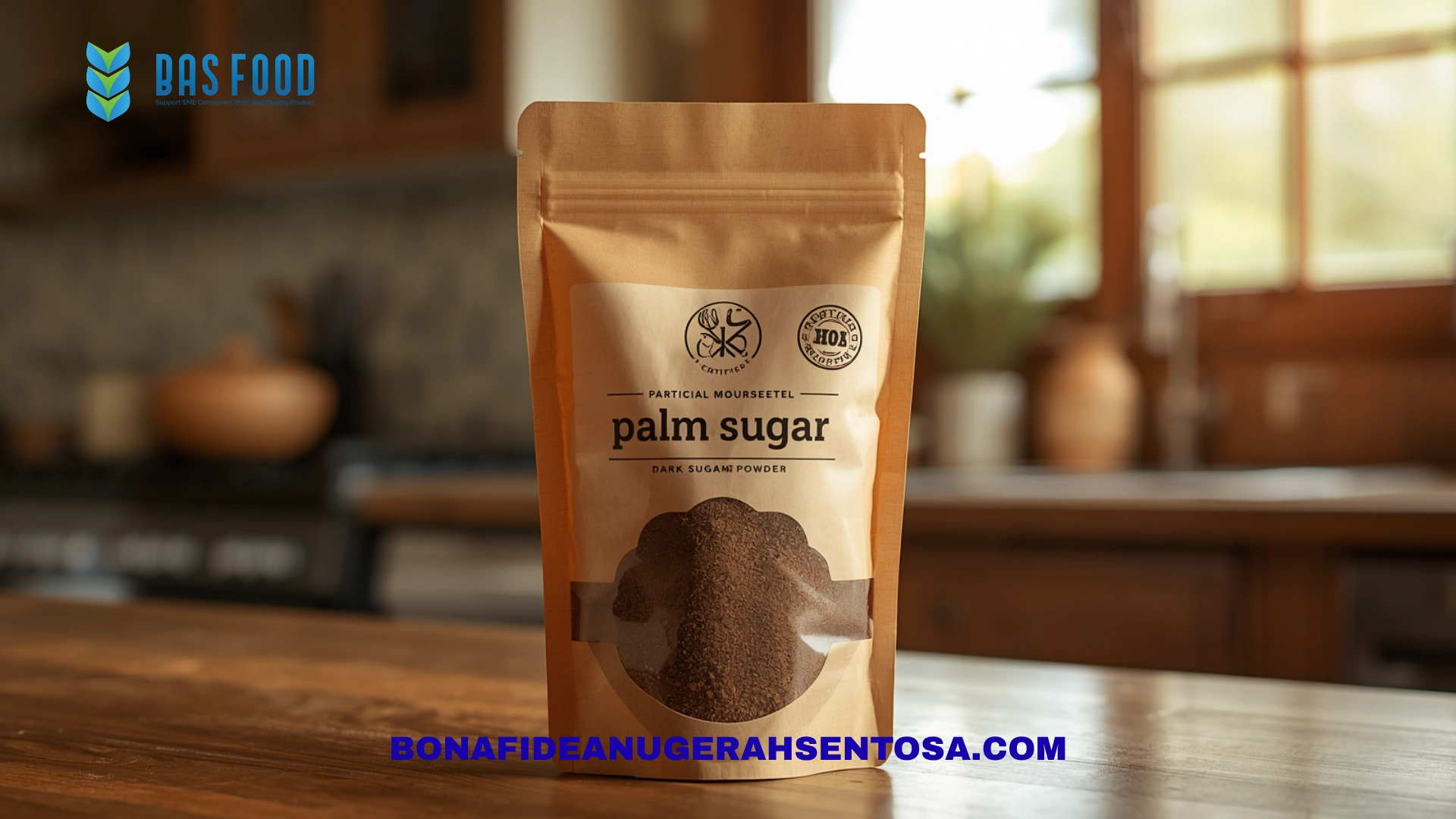
What Are Palm Sugar Certifications?
Palm sugar certifications are official documents or recognized management systems that demonstrate a manufacturer follows specific quality, food safety, or regulatory requirements.
These certifications are usually issued by accredited certification bodies after inspections, audits, documentation reviews, and ongoing monitoring.
Rather than guaranteeing product perfection, certifications show that manufacturers have established systems to consistently manage quality, production, hygiene, and operational processes.
For importers, certifications provide additional confidence when evaluating new suppliers, especially for long-term sourcing agreements.
Professional exporters often maintain several certifications to satisfy the different requirements of customers across multiple international markets.
Why Certifications Matter in International Trade
Global food markets continue becoming more competitive.
Food manufacturers, retailers, and distributors want suppliers who can consistently deliver safe, high-quality products supported by reliable documentation.
Certifications help simplify supplier evaluation because they demonstrate that production facilities operate according to recognized standards.
This reduces uncertainty for buyers and helps streamline international business relationships.
In many cases, certifications also support regulatory compliance, improve customer confidence, and strengthen a supplier’s reputation within global supply chains.
Although certification alone should never replace supplier evaluation, it remains an important indicator of professional manufacturing practices.
HACCP: A Foundation for Food Safety
One of the most recognized palm sugar certifications is HACCP (Hazard Analysis and Critical Control Points).
HACCP is a preventive food safety management system designed to identify potential hazards before they affect finished products.
Rather than relying only on final product inspections, HACCP focuses on monitoring critical production stages where food safety risks may occur.
Examples include:
- Raw material handling
- Cooking temperatures
- Equipment sanitation
- Packaging operations
- Storage conditions
By implementing HACCP principles, manufacturers establish preventive controls that support safer food production and greater consistency.
Many international buyers consider HACCP an important requirement when selecting palm sugar suppliers.
ISO Certification: Supporting Consistent Quality
Another commonly requested standard is ISO certification.
Different ISO standards address different aspects of business management.
For food manufacturers, ISO systems often help improve operational consistency, documentation, risk management, and continuous improvement.
Although individual ISO standards have different objectives, they generally encourage manufacturers to establish structured procedures that improve production efficiency and product reliability.
For importers, suppliers operating under ISO management systems often demonstrate stronger organizational control and more consistent quality performance.
When combined with other certifications, ISO contributes to a comprehensive quality management approach.
Organic Certification for Palm Sugar
Growing consumer interest in organic food has increased demand for products carrying organic certification.
Organic certification generally verifies that production follows specific organic farming and processing requirements established by recognized certification bodies.
Requirements vary depending on the certification program and destination market.
Importers sourcing organic palm sugar should verify that suppliers hold certifications recognized within their target countries.
Professional exporters understand these requirements and maintain documentation that supports international organic trade.
Organic certification also helps manufacturers access premium food markets where consumers specifically seek certified organic ingredients.
Halal Palm Sugar for Global Markets
Demand for halal palm sugar continues expanding worldwide.
Many countries with significant Muslim populations require or strongly prefer halal-certified food ingredients.
Halal certification generally confirms that products comply with Islamic dietary requirements and are produced according to recognized halal standards.
For food manufacturers serving halal markets, sourcing certified ingredients simplifies regulatory compliance and strengthens consumer confidence.
Importers should confirm that halal certificates are issued by recognized certification organizations accepted within their destination markets.
Reliable exporters maintain current documentation and respond promptly to customer requests.
Export Certification: Supporting International Trade
Besides quality and food safety certifications, many buyers also require various forms of export certification.
These documents help demonstrate product compliance with destination-country regulations.
Depending on customer requirements and export destinations, documentation may include:
- Certificates of Origin
- Phytosanitary certificates where applicable
- Certificates of Analysis
- Health certificates
- Commercial documentation
- Product specifications
Professional exporters understand documentation requirements and prepare export paperwork carefully before shipment.
Complete documentation reduces customs delays while improving customer satisfaction.
How Palm Sugar Certifications Benefit Importers
Certifications provide several practical advantages for international buyers.
Greater Supplier Confidence
Certified manufacturers demonstrate structured quality management systems.
Reduced Business Risk
Documentation helps verify supplier capabilities before placing large orders.
Improved Product Consistency
Standardized procedures often support more consistent production results.
Easier Regulatory Compliance
Recognized certifications simplify compliance with customer and destination-market requirements.
Stronger Business Relationships
Transparent documentation builds trust between suppliers and buyers.
These benefits contribute to long-term partnerships across international food supply chains.
How Exporters Maintain Their Certifications
Receiving certification is only the beginning.
Professional exporters continuously maintain compliance through regular audits, employee training, documentation updates, and quality monitoring.
Typical activities include:
- Internal audits
- Employee hygiene training
- Equipment maintenance
- Production monitoring
- Record keeping
- Corrective action programs
- Continuous improvement initiatives
These ongoing efforts help manufacturers preserve certification status while improving operational performance.
Choosing a Certified Palm Sugar Supplier
Selecting the right supplier requires more than reviewing certificates.
Importers should also evaluate production capacity, communication, product consistency, packaging quality, and export experience.
Useful questions include:
- Which certifications does the supplier currently maintain?
- Are certificates issued by recognized organizations?
- Can documentation be verified?
- How often are facilities audited?
- What quality control procedures are implemented?
- Can the supplier provide product samples and laboratory reports?
Experienced exporters answer these questions openly while providing complete supporting documentation.
Common Misunderstandings About Palm Sugar Certifications
One common misconception is that certifications guarantee perfect products.
In reality, certifications demonstrate that management systems and procedures are in place to support consistent production.
Another misunderstanding is that every importer requires identical certifications.
Requirements vary depending on destination-country regulations, customer expectations, and product applications.
Some buyers also believe one certification covers every aspect of quality.
Actually, different certifications focus on different areas such as food safety, quality management, organic production, or halal compliance.
Understanding these distinctions helps businesses make better sourcing decisions.
Frequently Asked Questions
What are palm sugar certifications?
Palm sugar certifications are recognized documents or management systems that demonstrate compliance with food safety, quality, or regulatory standards.
Why is HACCP important?
HACCP helps manufacturers identify and control food safety risks throughout production.
What does ISO certification provide?
ISO supports structured management systems that improve consistency, documentation, and continuous improvement.
Why do buyers request organic certification?
Organic certification helps verify compliance with recognized organic production standards.
Is halal certification important?
Yes. Halal palm sugar is essential for many international markets serving Muslim consumers.
Conclusion
Understanding palm sugar certifications helps importers, food manufacturers, and distributors choose suppliers that meet international quality expectations. Certifications such as HACCP, ISO, organic certification, halal palm sugar, and various forms of export certification demonstrate a manufacturer’s commitment to structured production systems, food safety, and regulatory compliance.
While certifications should always be considered alongside supplier experience, product quality, and production capabilities, they remain valuable tools for reducing sourcing risks and building long-term business relationships. Professional exporters invest in maintaining these certifications through regular audits, employee training, quality monitoring, and continuous improvement.
As global demand for natural sweeteners continues to expand, certified suppliers will remain well positioned to serve international markets with confidence. For importers seeking reliable palm sugar partners, choosing an exporter with recognized certifications is an important step toward ensuring consistent quality, smooth international trade, and lasting commercial success.