
Palm sugar has become one of the fastest-growing natural sweeteners in the global food industry. As consumers continue looking for healthier alternatives to refined white sugar, manufacturers are increasing their demand for high-quality palm sugar. However, one important factor often overlooked during sourcing is understanding palm sugar grades.
For importers, wholesalers, food manufacturers, and distributors, selecting the correct grade directly affects product quality, production efficiency, customer satisfaction, and brand reputation. Different industries require different specifications, and choosing the wrong grade can create unnecessary production challenges.
This guide explains everything you need to know about palm sugar grades, including classification standards, quality indicators, industrial applications, export requirements, and practical sourcing tips. Whether you purchase food grade palm sugar for retail packaging or industrial palm sugar for large-scale manufacturing, understanding these quality levels helps you make smarter buying decisions.
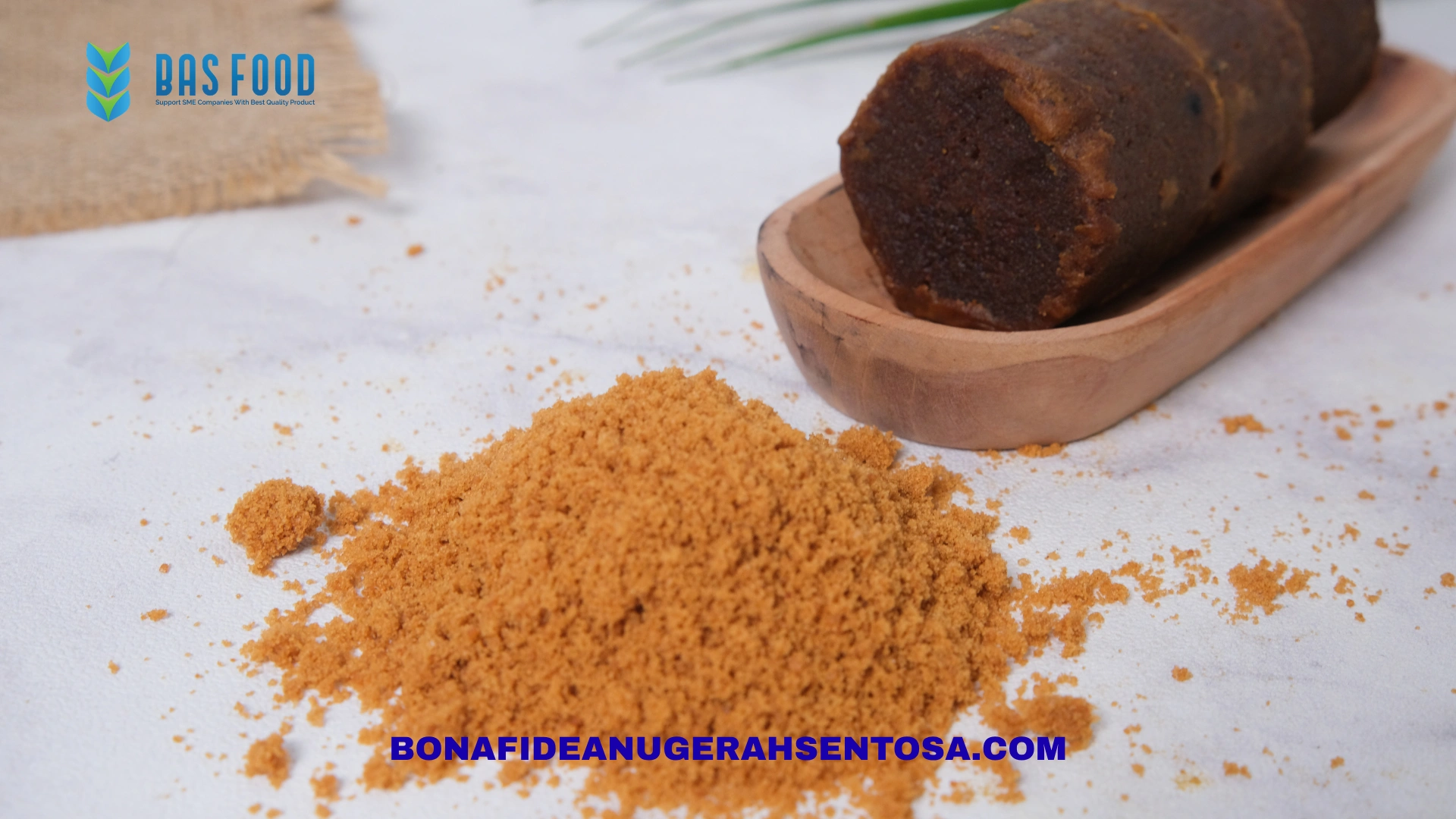
Why Palm Sugar Grades Matter More Than Ever
Palm sugar is not a one-size-fits-all product. Although many suppliers simply advertise “premium palm sugar,” professional buyers understand that quality must be measured through clear standards.
Each production batch can differ depending on several factors, including:
- Raw sap quality
- Harvesting methods
- Processing techniques
- Moisture control
- Filtration quality
- Packaging methods
- Storage conditions
Because of these variables, manufacturers classify products into different palm sugar quality grades.
A clear grading system benefits everyone throughout the supply chain. Producers maintain consistent production standards, exporters meet international buyer expectations, and manufacturers receive ingredients that perform consistently in their recipes.
Consistency becomes especially important for companies producing beverages, bakery products, confectionery, sauces, dairy products, and health foods. Even small differences in color, moisture, or sweetness may influence the final product.
What Determines Palm Sugar Grades?
Several technical and physical characteristics determine palm sugar grades. Professional exporters evaluate multiple quality indicators before shipping products overseas.
Color Consistency
Color is usually the first characteristic buyers notice.
High-grade palm sugar generally has a uniform golden brown to dark brown appearance. Uneven colors may indicate inconsistent cooking temperatures or poor filtration.
Manufacturers requiring premium finished products often prefer uniform coloring because it improves visual consistency across every production batch.
Lower grades may display darker spots or uneven shades due to processing variations.
Moisture Content
Moisture significantly affects shelf life.
Premium export quality palm sugar normally has carefully controlled moisture levels that reduce clumping and microbial growth during transportation.
Lower moisture also improves storage stability, especially for ocean freight shipments that may take several weeks.
Aroma
Good palm sugar has a pleasant caramel-like aroma with natural sweetness.
A burnt smell usually indicates overheating during production, while sour odors may suggest poor storage conditions or contamination.
Professional buyers frequently evaluate aroma during incoming quality inspections.
Taste Profile
High-quality palm sugar delivers a balanced sweetness combined with subtle caramel and natural palm notes.
Inferior products may taste bitter, overly smoky, or inconsistent between production batches.
Taste consistency is particularly important for beverage manufacturers that require standardized flavor profiles.
Particle Size
Palm sugar is available in several forms:
- Powder
- Granules
- Blocks
- Liquid syrup
Different industries require different particle sizes.
For example, beverage manufacturers usually prefer fine powder because it dissolves quickly, while traditional food producers may prefer block palm sugar.
Common Palm Sugar Grades Available in Export Markets
International suppliers generally classify products according to customer specifications rather than using one universal grading system. However, most export markets recognize several common quality categories.
Premium Export Grade
Premium export quality palm sugar represents the highest commercial standard.
Typical characteristics include:
- Uniform color
- Low moisture
- Excellent aroma
- High purity
- Fine filtration
- Minimal impurities
- Consistent sweetness
This grade is widely used by:
- Organic food brands
- Premium beverage manufacturers
- Health food companies
- Retail packaging businesses
- Specialty ingredient distributors
Premium grades also meet stricter packaging and food safety requirements required by many international buyers.
Standard Food Grade
Food grade palm sugar remains the most popular choice worldwide.
It provides an excellent balance between quality and cost.
Typical applications include:
- Bakery production
- Restaurant supply
- Ready-to-drink beverages
- Sauces
- Ice cream
- Snacks
- Processed foods
Many importers choose this grade because it offers reliable performance without the higher cost of premium specialty grades.
Industrial Grade
Industrial palm sugar is commonly supplied to manufacturers producing products in large volumes.
While still suitable for food processing, this grade focuses more on production efficiency than premium appearance.
Industrial buyers often prioritize:
- Stable sweetness
- Competitive pricing
- Large-volume supply
- Manufacturing consistency
Applications include:
- Food ingredient factories
- Beverage concentrates
- Syrup production
- Flavor manufacturing
- Confectionery ingredients
Food Grade Palm Sugar vs Industrial Palm Sugar
Although both products originate from natural palm sap, their intended uses differ considerably.
Food Grade Palm Sugar
Food grade palm sugar is designed for direct food applications where appearance and consistency matter.
Manufacturers typically expect:
- Better color consistency
- Cleaner flavor
- Lower impurity levels
- Attractive appearance
- Retail-ready quality
Food companies producing consumer-facing products often select this grade.
Industrial Palm Sugar
Industrial palm sugar serves manufacturers processing large ingredient volumes.
Production efficiency becomes the primary objective.
Industrial users often require:
- Bulk packaging
- Stable sweetness
- Cost efficiency
- Reliable monthly supply
- Consistent processing performance
Choosing between these two grades depends entirely on the intended application rather than assuming one grade is universally better.
Palm Sugar Quality Grades for Different Industries
Different industries have different quality expectations.
Understanding these requirements helps importers purchase the most suitable products.
Bakery Industry
Bread, cookies, cakes, and pastries require consistent sweetness and reliable baking performance.
Bakers often choose food grade palm sugar because consistent moisture helps achieve predictable results.
Uniform color also contributes to consistent product appearance.
Beverage Industry
Beverage manufacturers usually require fine powder with excellent solubility.
Premium palm sugar quality grades reduce sediment formation while improving mixing efficiency.
Instant beverage producers especially benefit from fine particle distribution.
Confectionery
Candy and chocolate manufacturers require highly consistent sweetness.
Color variation becomes more noticeable in confectionery products, making premium grades more desirable.
Sauce and Seasoning Industry
Palm sugar adds natural sweetness and depth to sauces.
Manufacturers prioritize:
- Stable flavor
- Good dissolution
- Reliable moisture
- Batch consistency
Health Food Industry
Health-conscious consumers often associate natural sweeteners with premium quality.
Companies serving this market frequently select export quality palm sugar with better traceability and certification support.
How Export Quality Palm Sugar Meets International Standards
Export markets demand much more than attractive packaging.
Professional exporters follow comprehensive quality management systems throughout production.
Key quality measures often include:
- Careful raw material selection
- Controlled cooking temperatures
- Filtration systems
- Hygienic processing
- Moisture testing
- Metal detection
- Laboratory analysis
- Proper packaging
Many exporters also comply with internationally recognized food safety systems to satisfy importer requirements.
These quality controls help maintain consistent palm sugar grades across multiple shipments.
Consistency builds long-term trust between exporters and international buyers.
What Importers Should Check Before Buying Palm Sugar
Purchasing decisions should never rely only on price.
Professional sourcing teams evaluate suppliers using multiple quality indicators.
Ask about product specifications, including moisture content, color range, packaging options, shelf life, and production capacity.
Request laboratory reports whenever possible to verify product consistency.
It is also helpful to review available certifications, production processes, and quality assurance procedures.
Reliable suppliers are usually transparent about their manufacturing methods and quality control systems.
Long-term partnerships often develop from clear communication and consistent product performance.
Packaging and Storage Influence Palm Sugar Grades
Even premium products can lose quality if packaging is inadequate.
Moisture absorption remains one of the biggest risks during international transportation.
Professional exporters commonly use moisture-resistant packaging designed to protect products throughout long shipping routes.
Storage conditions also matter after arrival.
Importers should store palm sugar in cool, dry environments away from direct sunlight.
Proper storage helps preserve aroma, texture, sweetness, and shelf life while maintaining the original palm sugar quality grades.
Why Choosing the Right Supplier Is Just as Important as Choosing the Right Grade
The best grade means little without a dependable supplier.
Experienced exporters understand the importance of maintaining consistent production standards across every shipment.
Look for suppliers that offer clear product specifications, responsive communication, reliable production schedules, and strong export experience. A trustworthy partner should also be able to customize specifications based on your market requirements, whether you need food grade palm sugar, industrial palm sugar, or premium export quality palm sugar.
When buyers establish long-term relationships with professional suppliers, they reduce sourcing risks, improve supply chain stability, and ensure consistent product quality for their customers.
Conclusion
Understanding palm sugar grades is essential for every importer, distributor, and food manufacturer. Different grades are designed for different purposes, and selecting the right one helps improve production efficiency, product consistency, and customer satisfaction.
Whether you need food grade palm sugar for premium retail products, industrial palm sugar for high-volume manufacturing, or export quality palm sugar for international distribution, evaluating quality beyond price is always the smarter approach.
By working with an experienced exporter that follows strict quality control procedures and offers consistent palm sugar quality grades, your business can build a reliable supply chain and confidently meet the expectations of customers around the world.