
Palm sugar has become one of the most popular natural sweeteners in international markets. From bakeries and beverage companies to food manufacturers and health food brands, businesses around the world are choosing palm sugar because of its rich caramel flavor, natural production process, and versatility. However, one question continues to come up among importers and distributors: What is the actual palm sugar shelf life?
Understanding palm sugar shelf life is essential for maintaining product quality, reducing waste, and ensuring customer satisfaction. Whether you are purchasing small quantities for retail packaging or shipping multiple containers for industrial use, proper storage and handling directly affect how long the product stays fresh.
Fortunately, palm sugar naturally has a relatively long shelf life when it is produced, packaged, and stored correctly. Moisture control, hygienic processing, and suitable packaging all play major roles in maintaining product quality throughout transportation and storage.
In this guide, we will explain everything you need to know about palm sugar shelf life, including the factors that affect freshness, the best practices for palm sugar storage, how to improve shelf stability, and professional tips for bulk palm sugar storage. By the end of this article, you will know how to keep palm sugar in excellent condition from the factory to your customers.
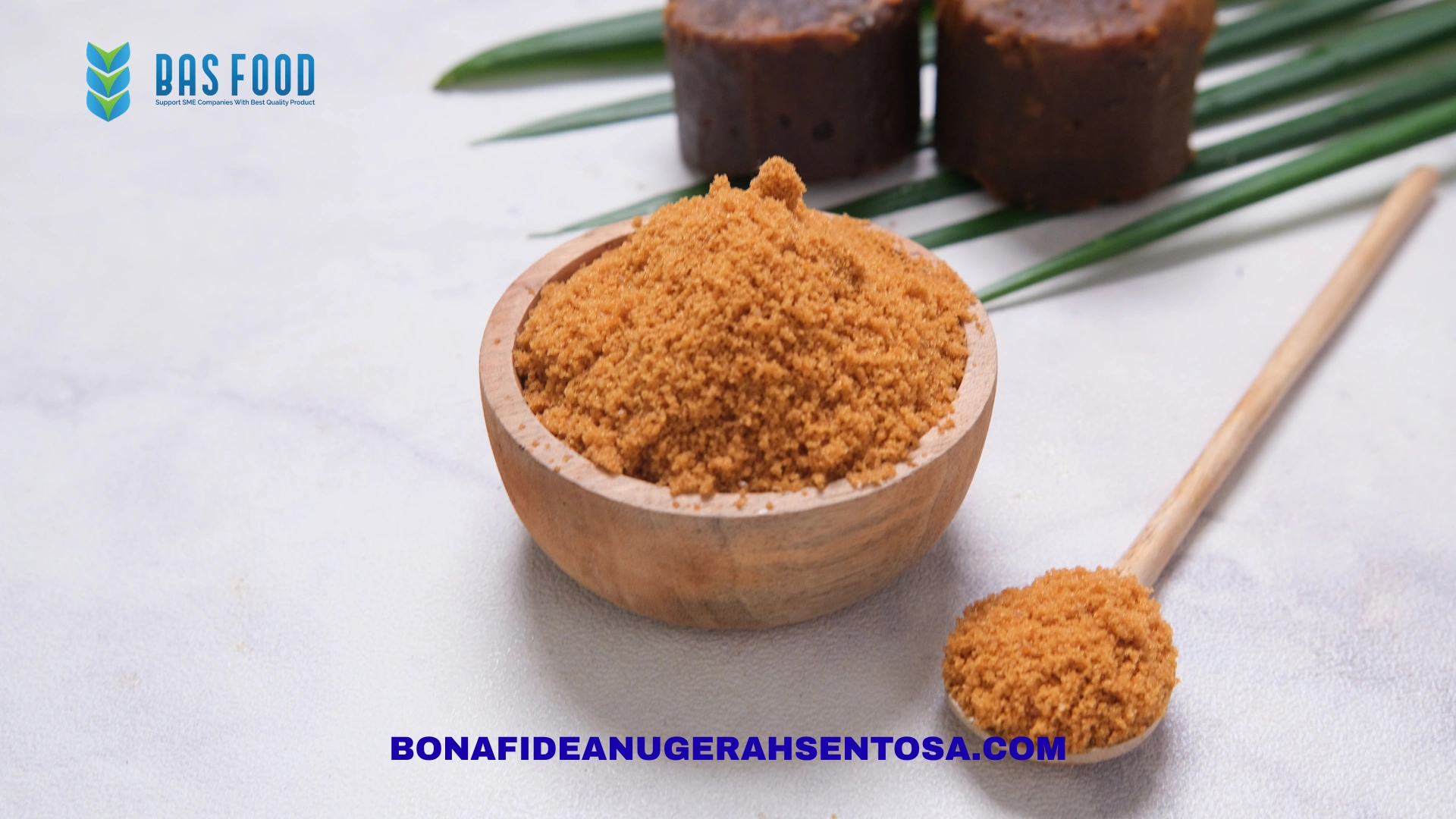
Why Palm Sugar Shelf Life Matters in International Trade
For international buyers, shelf life is more than just an expiration date. It is an important factor that affects inventory management, shipping schedules, product quality, and business profitability.
Unlike fresh food products, palm sugar is naturally more stable because of its low water activity and concentrated sugar content. However, that does not mean it is immune to quality deterioration. Poor storage conditions can lead to moisture absorption, clumping, color changes, flavor loss, or even microbial contamination if the product is exposed to excessive humidity.
This is especially important for exporters and importers because international shipments often take several weeks before arriving at their destination. Products may travel through different climates, including hot and humid environments. Without proper packaging and handling, even premium palm sugar can lose part of its original quality before reaching the customer.
A longer palm sugar shelf life also provides greater flexibility for distributors and manufacturers. Businesses can purchase larger quantities, reduce ordering frequency, and maintain a more reliable supply chain without worrying about unnecessary product loss.
What Determines Palm Sugar Shelf Life?
Several factors influence how long palm sugar remains fresh. While the product itself is naturally durable, production quality and storage conditions significantly affect its lifespan.
Moisture Content
One of the most important factors is moisture.
Palm sugar with lower moisture content generally lasts much longer because microorganisms require water to grow. Excess moisture can also cause sugar crystals to dissolve, leading to sticky textures and hard clumps.
Professional manufacturers carefully monitor moisture levels during production to improve both quality and storage performance.
Production Process
The way palm sugar is processed also affects its durability.
Traditional cooking methods combined with modern quality control help remove excess moisture while preserving the natural flavor of the palm sap. Proper filtration also reduces impurities that could shorten product life.
Consistent production standards are one reason why reliable exporters can offer palm sugar with predictable quality and storage performance.
Packaging Quality
Even perfectly processed palm sugar can deteriorate if the packaging is inadequate.
Moisture-resistant packaging protects the product from humidity, oxygen, dust, and other environmental contaminants during shipping and storage.
For export markets, multilayer packaging materials are commonly used to maintain freshness throughout long transportation routes.
Storage Environment
Temperature and humidity play a major role in determining palm sugar shelf life.
Cool, dry storage conditions help preserve flavor, texture, and color for extended periods. High humidity, on the other hand, increases the risk of moisture absorption and clumping.
How Long Does Palm Sugar Last?
Although the exact shelf life depends on the manufacturer and storage conditions, high-quality palm sugar generally remains fresh for 12 to 24 months when stored correctly.
Powdered palm sugar often has a slightly shorter practical shelf life after opening because its larger surface area absorbs moisture more quickly.
Block palm sugar, meanwhile, is typically more resistant to humidity and can maintain its quality for longer when left unopened.
Liquid palm sugar products usually have a different shelf life because they contain more moisture. They often require tighter quality control and, in some cases, refrigeration after opening.
Regardless of the product form, following recommended palm sugar storage practices helps maximize product quality throughout its intended shelf life.
Best Practices for Palm Sugar Storage
Proper palm sugar storage begins immediately after production and continues throughout transportation, warehousing, and final use.
Keep the Product Dry
Moisture is the biggest enemy of palm sugar.
Always store palm sugar in a dry environment with controlled humidity. Warehouses should have good ventilation and should not expose products to water leaks or condensation.
Keeping the product dry helps prevent clumping while preserving texture and sweetness.
Avoid Direct Sunlight
Direct sunlight can increase product temperature and gradually affect color and flavor.
Store palm sugar away from windows or heat sources whenever possible.
Cool storage areas help maintain consistent quality throughout the entire storage period.
Use Airtight Containers After Opening
Once the original packaging is opened, exposure to air increases.
Transferring palm sugar into airtight containers helps reduce moisture absorption and protects the product from odors and contaminants.
This simple practice significantly improves shelf stability after opening.
Practice Inventory Rotation
Businesses should use the First In, First Out (FIFO) inventory system.
Older stock should always be distributed before newly arrived products.
Proper inventory management reduces waste while ensuring customers receive the freshest possible products.
Understanding Shelf Stability of Palm Sugar
Shelf stability refers to a product’s ability to maintain its safety, flavor, texture, and nutritional quality during storage.
Palm sugar performs well in this regard because its concentrated sugar content naturally limits microbial growth.
However, shelf stability is influenced by more than just sugar concentration. Processing quality, packaging materials, transportation conditions, and warehouse management all contribute to maintaining consistent quality.
Manufacturers that follow strict quality control procedures can deliver products with excellent shelf stability, making palm sugar suitable for international trade and long-distance shipping.
Importers should always ask suppliers about product specifications, moisture content, recommended storage conditions, and expected shelf life before placing large orders.
Bulk Palm Sugar Storage for Importers and Distributors
Companies purchasing large quantities need specialized bulk palm sugar storage practices to preserve product quality over time.
Warehouse design becomes especially important when storing multiple pallets or containers.
Products should be placed on clean pallets rather than directly on the floor. This minimizes exposure to moisture and improves air circulation around the packaging.
Adequate spacing between stacks also allows better ventilation and easier inspection.
Temperature monitoring is another valuable practice, especially in tropical climates where warehouse temperatures can fluctuate significantly throughout the day.
Large distributors often implement regular quality inspections to detect any packaging damage before it affects the product.
Good warehouse management protects both product quality and business profitability.
Preserving Palm Sugar During International Shipping
International transportation presents unique challenges because shipments often travel across different climate zones.
Professional exporters focus on preserving palm sugar throughout every stage of the supply chain.
Moisture-resistant export packaging is one of the most effective solutions. Strong packaging materials reduce exposure to humidity during ocean freight and long-term storage.
Container loading also matters. Proper pallet arrangement improves airflow while reducing the risk of package damage during transportation.
Experienced exporters often inspect products before shipment to ensure they meet customer specifications and export quality standards.
These additional quality control steps help maintain product freshness from the production facility to the final destination.
Common Mistakes That Shorten Palm Sugar Shelf Life
Even high-quality palm sugar can lose quality if handled improperly.
One common mistake is storing the product in humid environments. Excess humidity encourages moisture absorption, leading to clumping and reduced product quality.
Another mistake is repeatedly opening and closing packaging without resealing it properly. Each exposure allows humid air to enter, gradually affecting freshness.
Some businesses also place palm sugar near products with strong odors. Because sugar can absorb surrounding smells over time, this practice may alter its natural aroma.
Ignoring inventory rotation is another frequent problem. Products stored beyond their recommended shelf life may still appear acceptable, but flavor and texture can gradually decline.
Avoiding these common mistakes greatly improves long-term product quality.
How to Choose a Supplier That Prioritizes Shelf Life
Not every supplier follows the same production standards.
Reliable exporters understand that palm sugar shelf life depends on much more than packaging. It begins with fresh raw materials, hygienic production, controlled processing, and careful quality inspections.
When evaluating suppliers, ask about their moisture control procedures, packaging materials, storage facilities, and export experience.
A professional supplier should also provide clear product specifications, recommended storage guidelines, and documentation that supports product consistency.
Building long-term partnerships with experienced exporters helps buyers reduce quality risks while ensuring dependable supply throughout the year.
Conclusion
A long palm sugar shelf life is one of the reasons this natural sweetener continues to gain popularity in international food markets. With proper production, moisture control, hygienic packaging, and effective palm sugar storage, the product can maintain its quality for many months, making it ideal for global distribution.
Understanding shelf stability, following best practices for bulk palm sugar storage, and focusing on preserving palm sugar during transportation all contribute to better product performance and reduced waste.
For importers, distributors, and food manufacturers, choosing an experienced exporter with consistent quality standards is just as important as selecting the right product. A trusted supplier helps ensure that every shipment arrives fresh, safe, and ready for use in a wide range of food applications.
Frequently Asked Questions (FAQ)
Does palm sugar expire?
Palm sugar has a long shelf life and is generally best used within 12 to 24 months when stored in a cool, dry place. Always follow the manufacturer’s recommended storage instructions.
Can palm sugar go bad?
Yes. If exposed to moisture, heat, or poor hygiene, palm sugar may develop clumps, off-flavors, discoloration, or mold. Proper storage greatly reduces these risks.
What is the best way to store palm sugar?
Keep palm sugar in airtight packaging or containers, away from direct sunlight, heat, and humidity. A cool, dry storage area is ideal.
Is block palm sugar more stable than powdered palm sugar?
In general, block palm sugar is less exposed to air and moisture than powdered palm sugar, which can help it maintain quality for a longer period when stored correctly.
Why is moisture control important?
Moisture is the primary factor that reduces shelf life. Keeping moisture levels low improves shelf stability, prevents clumping, and helps preserve the sugar’s natural flavor and texture.