
Coconut sugar has become one of the most sought-after natural sweeteners in global markets. Known for its caramel-like flavor and minimal processing, it’s widely used in bakery, beverages, and health-conscious products. However, for importers, one of the most important factors to consider before placing an order is understanding coconut sugar quality standards.
These standards ensure that the product meets specific expectations for taste, purity, color, and safety. The better you understand these parameters, the easier it becomes to source from reliable manufacturers who adhere to export requirements. For businesses looking to buy in bulk, knowledge about grading and testing will help avoid costly mistakes.
Key Components Defining Coconut Sugar Quality
To evaluate quality, importers need to pay attention to several measurable components. These factors determine whether the coconut sugar can meet international market standards or not.
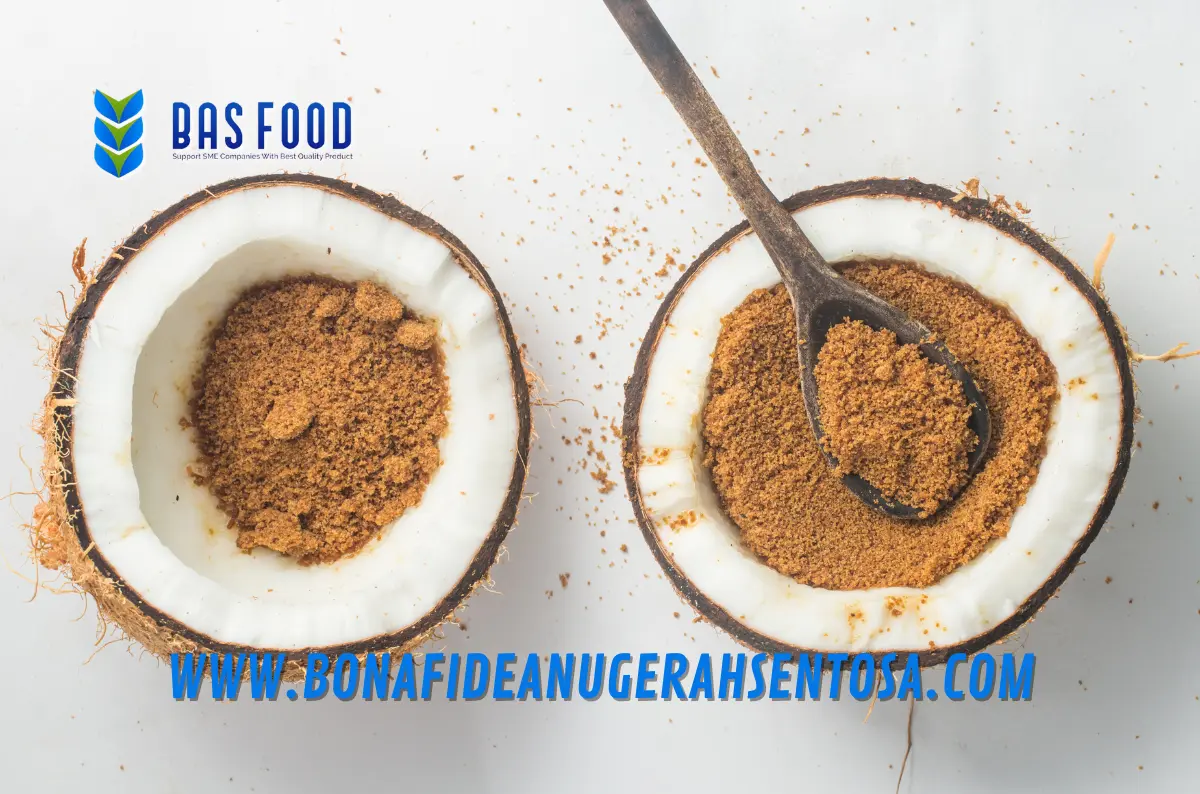
The first is moisture content, which directly affects shelf life and storage stability. A well-processed coconut sugar should have a moisture content of less than 2%, preventing clumping and microbial growth. The second factor is color and texture. The best quality coconut sugar has a uniform golden to dark brown color and fine granules that dissolve evenly in liquids.
Moisture Content: A Critical Indicator of Freshness
The moisture content in coconut sugar plays a significant role in determining its grade and usability. Too much moisture can lead to mold development, fermentation, or hardening, especially during long-distance shipping.
Producers like CV Bonafide Anugerah Sentosa maintain strict drying and sieving processes to ensure consistent low moisture levels. By doing so, their coconut sugar products remain free-flowing and suitable for global export. Buyers are encouraged to check laboratory results or moisture certificates before confirming a shipment.
Color and Texture: Signs of Proper Processing
The color and texture of coconut sugar are visual indicators of quality. While darker shades might indicate a more intense caramel flavor, overly dark or uneven colors could mean the sugar was overcooked or mixed with impurities.
Similarly, texture reflects the refining process. Granulated coconut sugar is the most common export form, preferred for its convenience and even blending in recipes. Fine texture also indicates proper sieving, while a coarse or lumpy feel can suggest inconsistent production or high humidity exposure during packaging.
Export Grade Sugar: Meeting Global Market Expectations
When you see the term export grade sugar, it signifies that the coconut sugar meets international specifications for purity, granulation, moisture, and microbiological safety. Export-grade products are typically tested for contaminants like heavy metals and microbial residues.
Reputable manufacturers such as CV Bonafide Anugerah Sentosa adhere to these export requirements with documented quality assurance systems. They use standardized grading based on both internal lab testing and third-party certifications. This ensures that the final product is safe, consistent, and ready for distribution in markets such as Europe, Japan, and North America.
Lab-Tested Coconut Sugar: Assurance of Purity and Consistency
Every buyer should request lab-tested coconut sugar certificates before proceeding with imports. Laboratory testing evaluates key metrics such as sucrose concentration, pH levels, moisture, and microbiological limits.
By partnering with suppliers who maintain transparent test records, importers gain confidence that the product meets food safety regulations in their country. CV Bonafide Anugerah Sentosa, for example, provides complete test documentation and traceability from raw coconut sap to finished sugar. This level of transparency reflects both ethical sourcing and technical reliability.
Understanding the Grading System in Coconut Sugar
Coconut sugar doesn’t have a universal grading system, but many exporters classify it into premium, standard, and industrial grades. Premium-grade coconut sugar is finely granulated, low in moisture, and has uniform color and aroma. Standard grade may show minor variations but still meets food manufacturing requirements. Industrial grade, often cheaper, is used in large-scale food processing where visual appearance is less critical.
Knowing these categories helps importers align product selection with intended use. For example, beverage producers may opt for premium-grade sugar for consistent taste and color, while confectionery manufacturers might prioritize cost efficiency.
Packaging and Storage: Protecting Quality from Farm to Port
Even the best coconut sugar can degrade if not stored correctly. Exporters pack coconut sugar in laminated or kraft paper bags with inner liners to protect against moisture absorption. Proper packaging and storage preserve both flavor and texture during long transit times.
Importers should also verify that suppliers store their products in cool, dry, and ventilated warehouses. At CV Bonafide Anugerah Sentosa, packaging follows international export standards, ensuring that each shipment arrives in prime condition regardless of climate changes during transportation.
The Role of Traceability in Ensuring Quality Standards
Modern buyers increasingly demand transparency. Traceability ensures that every batch of coconut sugar can be tracked back to the farmers and collection centers. This process guarantees that all production steps, from sap collection to packaging, are properly monitored.
By working with traceable systems, exporters like CV Bonafide Anugerah Sentosa support not only product reliability but also ethical and sustainable farming. This traceability adds significant value for importers who prioritize clean-label and fair-trade supply chains.
Choosing Reliable Partners for Long-Term Supply
Selecting the right coconut sugar exporter involves more than just pricing. Importers should consider consistency, certifications, communication, and ethical business practices.
CV Bonafide Anugerah Sentosa, based in Indonesia, is a trusted supplier and producer specializing in coconut products, spices, and fishery exports. With years of experience serving international clients, the company ensures top-tier quality control, transparent documentation, and sustainable sourcing practices. Their coconut sugar products are tested, certified, and prepared for various global markets.
Final Thoughts: Quality Assurance Builds Trust
Understanding coconut sugar quality standards is essential for any importer looking to establish a dependable supply chain. By paying attention to moisture content, color, texture, and laboratory results, businesses can make better sourcing decisions and reduce risks.
Reliable partners like CV Bonafide Anugerah Sentosa bridge the gap between smallholder coconut farmers and international buyers, ensuring that every shipment meets both ethical and technical requirements. For importers, working with such a partner means long-term stability and access to high-quality, lab-tested, and export-grade coconut sugar.
Contact CV Bonafide Anugerah Sentosa how we can provide the best solutions for you. WhatsApp: +62 8213 4505 737, Email: info@bonafideanugerahsentosa.com / bas.mdir@gmail.com.