
Tuna fillet quality defines whether a shipment passes inspection or faces rejection. For import quality managers and QA teams, quality is not a marketing term. It is a set of measurable parameters that protect food safety, brand reputation, and supply chain stability.
This article explains tuna fillet quality from a seafood quality control perspective. It focuses on technical criteria, handling practices, and verification systems used in international trade. The goal is to help buyers assess suppliers accurately and support consistent quality outcomes across shipments.
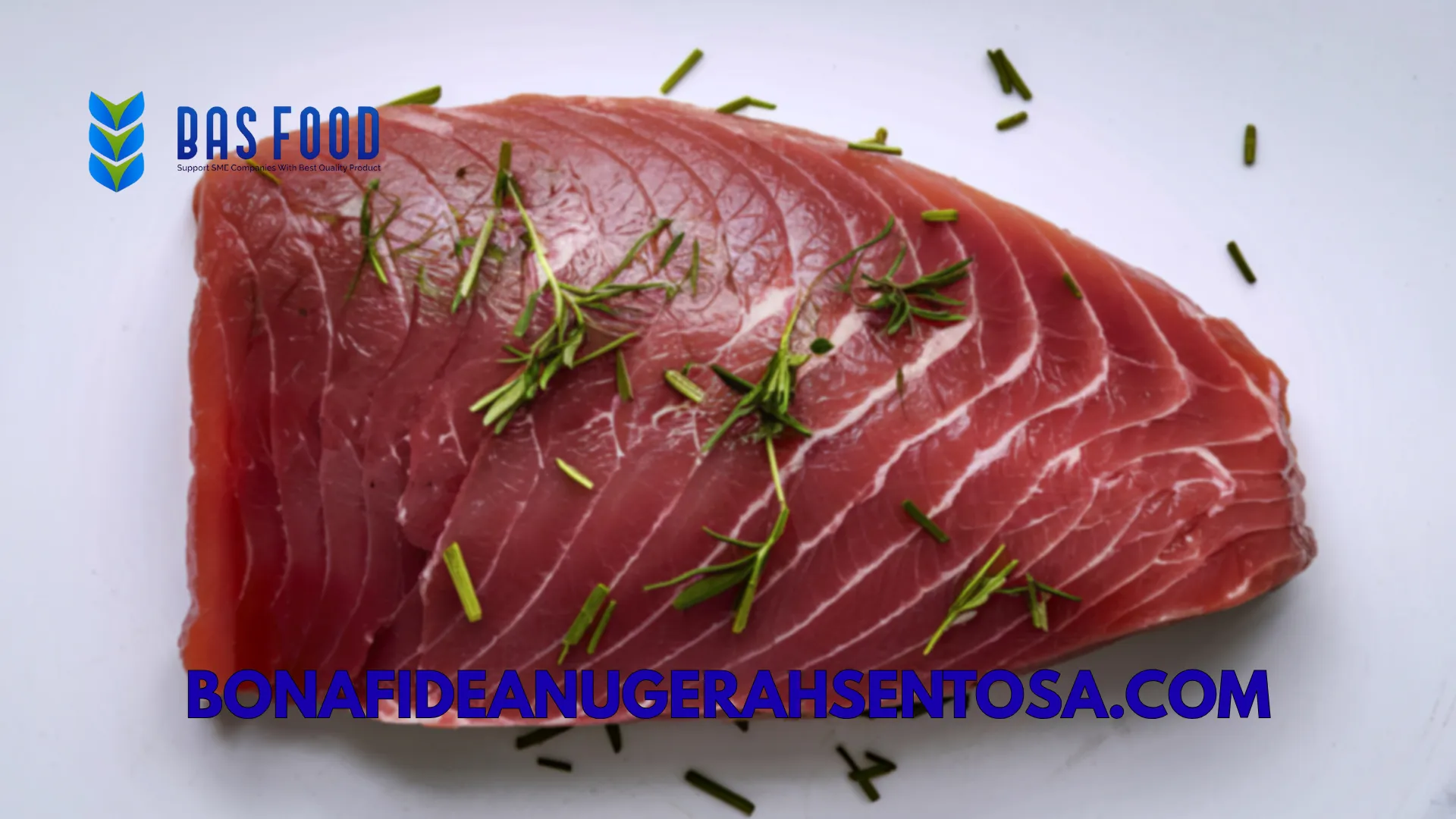
What Tuna Fillet Quality Means in Export Trade
Tuna fillet quality refers to the condition of tuna meat after processing, freezing, storage, and transport. It reflects how well the product meets safety, physical, and sensory standards required by import markets.
Quality managers assess tuna fillet through objective indicators. These include temperature control, chemical limits, visual appearance, and documentation. When exporters manage these factors correctly, they reduce risk and increase buyer confidence.
In contrast, poor quality control often results in claims, rejections, or regulatory action. Therefore, quality is central to long-term supplier performance.
Why Tuna Fillet Quality Matters to Importers and QA Teams
Quality failures in tuna products carry high consequences. Tuna is a high-risk species for histamine formation, which directly affects food safety.
For QA teams, tuna quality impacts:
- Regulatory compliance
- Brand protection
- Consumer safety
- Supply continuity
Moreover, quality consistency reduces inspection delays at ports. It also lowers the total cost of ownership for importers. For these reasons, quality-focused exporters gain preference in long-term sourcing programs.
Key Quality Parameters Used to Evaluate Tuna Fillet
Quality assessment relies on a combination of physical, chemical, and microbiological factors. Each parameter supports a different aspect of product integrity.
Physical indicators include color, texture, and surface condition. Chemical indicators focus on histamine and freshness markers. Microbiological indicators confirm hygiene and sanitation standards.
Together, these parameters provide a complete picture of tuna fillet across the supply chain.
Visual and Physical Indicators of Tuna Quality
Color is often the first indicator buyers notice. High-quality tuna fillet shows uniform color without browning or discoloration. However, color alone does not define safety.
Texture also matters. Fresh and properly frozen tuna fillet feels firm and elastic. Soft or mushy texture often indicates temperature abuse or protein breakdown.
Surface condition provides further clues. Clean cuts, minimal gaping, and low drip loss signal good processing and freezing practices.
Chemical Safety Factors Affecting Tuna Fillet Quality
Histamine is the most critical chemical risk in tuna. It forms when tuna is exposed to elevated temperatures after harvest.
Quality-focused exporters control histamine through:
- Rapid chilling after catch
- Continuous cold chain monitoring
- Regular laboratory testing
In addition, exporters monitor heavy metals and chemical residues. These tests ensure compliance with EU, US, and other import regulations.
Microbiological Standards in Tuna Fillet Quality Control
Microbiological testing verifies hygiene during processing. While tuna meat is usually frozen, contamination can still occur during handling.
Quality programs typically monitor:
- Total plate count
- E. coli
- Salmonella
Low microbiological counts reflect good sanitation practices. They also indicate effective HACCP implementation in processing facilities.
Impact of Processing Methods on Tuna Quality
Processing methods directly influence final quality. Proper filleting minimizes muscle damage and preserves structure.
Trimming standards also matter. Excessive trimming reduces yield, while insufficient trimming affects appearance and consistency. Therefore, exporters align trim levels with buyer specifications.
Moreover, processing speed affects freshness. Short processing times reduce exposure to temperature fluctuations and contamination.
Freezing, Storage, and Cold Chain Control
Freezing stabilizes tuna fillet quality for export. However, freezing alone does not guarantee quality.
Effective exporters use:
- Rapid freezing methods
- Stable storage temperatures
- Temperature monitoring systems
Cold chain control must remain intact during transport. Any break in temperature can affect texture, color, and safety. QA teams often request temperature records to verify compliance.
Documentation and Traceability in Tuna Quality Assurance
Quality assurance extends beyond the product itself. Documentation proves that quality systems function as claimed.
Key documents include:
- Health certificates
- Catch certificates
- Traceability records
- HACCP plans
These records allow QA teams to trace issues back to source. They also support regulatory audits and import clearance.
Certifications That Support Tuna Fillet Quality Claims
Third-party certifications strengthen quality credibility. While certifications do not replace internal controls, they provide independent verification.
Common certifications include:
- HACCP compliance
- ISO-based food safety systems
- Sustainability-related certifications
Importers often link quality performance with certified processing facilities. Internal links to certification and processing pages help buyers verify these claims.
How Importers Can Verify Fillet Quality Before Shipment
Pre-shipment inspection reduces risk. QA teams often request:
- Product specifications
- Laboratory test results
- Processing photos
- Temperature logs
Clear communication at this stage prevents disputes. Quality-focused exporters support these checks and respond transparently to questions.
Building Long-Term Quality Consistency in Tuna Supply Chains
Consistency defines supplier reliability. Exporters achieve consistent tuna meat quality by standardizing processes and training staff.
Continuous improvement also matters. Regular audits, corrective actions, and performance reviews help maintain standards. Over time, these practices build trust between exporters and importers.
Conclusion: Tuna Fillet Quality as a Strategic Advantage
Tuna fillet quality is not an abstract concept. It is a measurable outcome of disciplined handling, processing, and verification.
For import quality managers and QA teams, understanding these factors improves sourcing decisions. For exporters, quality leadership creates long-term partnerships and market access. In global seafood trade, quality is both protection and opportunity.
Frequently Asked Questions About Tuna Fillet Quality
- What defines tuna fillet quality in export markets
- It includes safety, physical condition, and compliance with import regulations.
- Why is histamine control critical for tuna fillet quality
- Histamine poses serious food safety risks and can cause shipment rejection.
- Does freezing reduce tuna fillet quality
- Proper freezing preserves quality when temperature control remains stable.
- How can buyers verify tuna fillet quality before shipment
- They review test reports, documentation, and temperature records.
- Are certifications required to ensure tuna fillet quality
- Certifications support quality claims but do not replace internal controls.
Contact CV Bonafide Anugerah Sentosa how we can provide the best solutions for you. WhatsApp: +62 8213 4505 737, Email: info@bonafideanugerahsentosa.com / bas.mdir@gmail.com.