
Palm sugar has become one of the fastest-growing natural sweeteners in international trade. Food manufacturers, wholesalers, retailers, and distributors are increasingly choosing palm sugar because of its rich caramel flavor, natural origin, and wide range of food applications. However, producing high-quality palm sugar is only part of the journey. Choosing the right palm sugar packaging options is equally important for maintaining product quality throughout storage, transportation, and retail sales.
Packaging does much more than hold a product. It protects palm sugar from moisture, contamination, and physical damage while also helping businesses build a strong brand identity. The right packaging improves shelf appeal, supports food safety, and reduces the risk of product loss during international shipping.
For importers, selecting the appropriate packaging format can also improve warehouse efficiency, simplify inventory management, and reduce logistics costs. Whether you need retail packaging, bulk packaging, industrial packaging, or specialized export packaging, understanding each option helps you make smarter purchasing decisions.
This guide explains the most common palm sugar packaging solutions, their benefits, and how businesses can choose the best option for their target market.
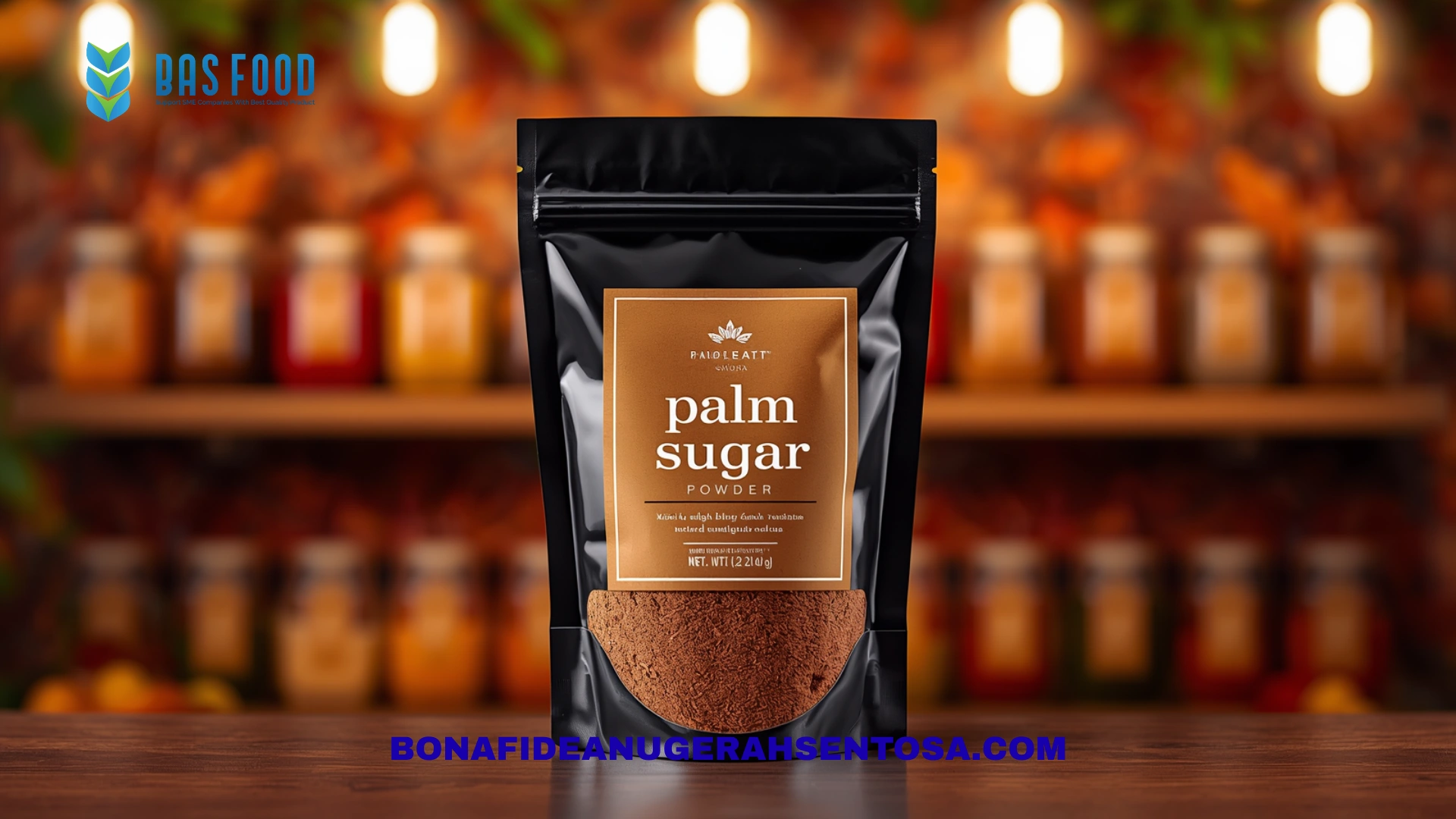
Why Packaging Matters More Than Ever
Consumers today expect food products to arrive in excellent condition. They also expect packaging to be attractive, informative, and easy to use. Because of these expectations, packaging has become a key part of product quality.
Palm sugar naturally absorbs moisture from the surrounding environment. Without proper protection, excessive humidity can cause clumping, changes in texture, and reduced shelf life. High-quality packaging helps prevent these problems by creating a reliable barrier against moisture and external contaminants.
Packaging also plays a major role in transportation. Palm sugar often travels thousands of kilometers before reaching international buyers. During this journey, products may experience changes in temperature, humidity, and handling conditions. Durable packaging helps protect the product throughout every stage of the supply chain.
In addition, packaging supports brand recognition. Attractive designs, clear labels, and professional presentation encourage customers to trust the product and remember the brand. This is especially important for companies building private label or OEM palm sugar products.
Understanding Different Palm Sugar Packaging Options
There is no single packaging solution that fits every customer. Different businesses have different production processes, sales channels, and market requirements. That is why manufacturers offer several palm sugar packaging options.
Some customers sell directly to consumers, while others supply food manufacturers that purchase large quantities. The packaging requirements for these two groups are very different.
Before selecting a packaging format, buyers should consider several factors, including product type, order volume, transportation method, storage conditions, and target customers. Choosing the right package helps reduce waste while improving efficiency throughout the supply chain.
Professional exporters usually provide flexible packaging solutions that can be customized according to customer needs. This flexibility allows businesses to compete more effectively in local and international markets.
Retail Packaging for Consumer Products
Retail packaging is designed for products sold directly to consumers through supermarkets, grocery stores, specialty food shops, and online marketplaces.
One of the biggest advantages of retail packaging is convenience. Smaller package sizes make the product easy to purchase, carry, store, and use at home. Common retail sizes include 250 grams, 500 grams, and 1 kilogram, although custom sizes are also available.
Retail packaging also provides an opportunity to strengthen brand identity. Attractive graphics, nutritional information, cooking suggestions, and certification logos help products stand out on store shelves.
Popular retail packaging formats include:
- Stand-up pouches
- Zip-lock bags
- Kraft paper pouches
- Plastic jars
- Glass jars
- Paper boxes with inner liners
- Composite containers
Resealable packaging has become increasingly popular because it helps consumers preserve product freshness after opening.
Bulk Packaging for Wholesale Distribution
Not every customer requires small retail packages. Many wholesalers and distributors purchase palm sugar in larger quantities for resale or repackaging.
For these businesses, bulk packaging offers significant cost advantages. Larger packages reduce packaging material costs while simplifying handling and transportation.
Common bulk packaging sizes include:
- 10 kg bags
- 20 kg bags
- 25 kg bags
- 50 kg bags
Food-grade polyethylene liners are often placed inside woven polypropylene or kraft paper bags. These liners provide additional protection against moisture during storage and transportation.
Bulk packaging also allows importers to repackage products under their own brands after arrival. This flexibility makes bulk purchasing attractive for private label businesses.
Industrial Packaging for Food Manufacturers
Large food manufacturers require packaging designed for continuous production rather than retail sales. This is where industrial packaging becomes essential.
Industrial packaging focuses on efficiency, product protection, and easy handling during manufacturing. Large bakeries, beverage producers, confectionery companies, and ingredient processors often purchase palm sugar in industrial quantities.
Industrial packaging is typically designed to integrate with automated production systems. Strong packaging materials help prevent tearing while reducing product loss during unloading.
Depending on production volume, industrial buyers may request:
- Heavy-duty kraft paper bags
- Large woven sacks
- Multi-layer packaging
- Jumbo bags (FIBC)
- Customized industrial containers
These packaging options improve operational efficiency while minimizing waste.
Export Packaging Protects Products Worldwide
International shipping presents unique challenges. Products may travel by truck, container ship, rail, or air before reaching their final destination. During this journey, they are exposed to changing environmental conditions.
Because of these challenges, reliable export packaging is critical for maintaining product quality.
Export packaging often includes multiple layers of protection. The primary package protects the palm sugar itself, while secondary packaging provides additional structural support.
Many exporters also use:
- Food-grade inner liners
- Moisture-resistant materials
- Strong outer cartons
- Stretch wrapping
- Palletization
- Corner protectors
- Container desiccants
Proper export packaging helps reduce the risk of damaged goods, rejected shipments, and unnecessary financial losses.
Professional exporters also follow international labeling requirements to simplify customs clearance and inventory management.
Choosing the Right Packaging Material
The choice of packaging material affects both product protection and customer experience.
Food-grade plastic materials offer excellent moisture resistance and durability. They are commonly used for retail pouches and industrial liners.
Kraft paper provides a natural appearance that appeals to environmentally conscious consumers. Many premium brands combine kraft paper with food-safe inner barriers to improve moisture protection.
Glass containers create a premium image while preserving product quality. However, they increase shipping costs because of their weight and fragility.
Plastic jars offer a practical alternative by combining durability with attractive product presentation.
For bulk shipments, woven polypropylene bags with food-grade liners remain one of the most reliable solutions due to their strength and affordability.
Choosing the right material depends on transportation requirements, product type, target customers, and branding goals.
Custom Packaging Helps Brands Stand Out
Modern consumers often make purchasing decisions based on packaging appearance. As a result, customized packaging has become an important marketing tool.
Many OEM and private label manufacturers provide custom packaging services that allow businesses to develop unique brand identities.
Customization options may include:
- Company logos
- Brand colors
- Product descriptions
- Nutritional information
- QR codes
- Multilingual labels
- Cooking suggestions
- Certification logos
- Barcode printing
Custom packaging also supports market-specific requirements. Different countries may require different labeling formats or languages. Working with an experienced exporter helps ensure compliance with local regulations.
Food Safety and Packaging Quality Standards
Packaging quality should always support food safety.
Reliable manufacturers use food-grade materials that meet international safety requirements. These materials prevent contamination while maintaining product integrity throughout storage and transportation.
Quality inspections typically include checking package strength, sealing performance, printing accuracy, and moisture resistance.
Many exporters also conduct packaging tests before shipment to ensure products remain protected during international transportation.
Traceability is another important factor. Batch numbers, production dates, expiration dates, and lot codes help businesses monitor inventory while supporting food safety programs.
High-quality packaging demonstrates professionalism and increases buyer confidence.
How Importers Can Choose the Best Palm Sugar Packaging Options
Selecting the right packaging requires careful planning.
First, identify your target market. Retail customers need attractive consumer-friendly packages, while food manufacturers usually prefer larger industrial formats.
Second, consider transportation distance. Longer shipping routes often require stronger packaging with additional moisture protection.
Third, evaluate storage conditions. Warehouses located in humid environments may require packaging with enhanced barrier properties.
Fourth, think about branding. If you plan to build your own product line, custom retail packaging can increase brand recognition and customer loyalty.
Finally, work with an experienced exporter who offers flexible packaging solutions and understands international shipping requirements. A knowledgeable supplier can recommend packaging that balances product protection, logistics efficiency, and cost.
Why Indonesian Exporters Offer Flexible Packaging Solutions
Indonesia has become one of the world’s leading suppliers of palm sugar, serving customers across Europe, North America, Asia, the Middle East, Africa, and many other regions.
Experienced Indonesian exporters understand that every customer has unique packaging requirements. As a result, many manufacturers offer flexible solutions ranging from small retail pouches to large industrial sacks and customized OEM packaging.
Modern production facilities combine efficient processing with strict quality control and professional packaging systems. This allows exporters to maintain consistent product quality while meeting international food safety standards.
By partnering with an experienced Indonesian supplier, buyers gain access to dependable production, customized packaging options, reliable export support, and long-term business partnerships.
Conclusion
Choosing the right palm sugar packaging options is essential for protecting product quality, improving logistics, and building a successful brand. Packaging is no longer just a container. It has become an important part of product quality, customer satisfaction, and international business success.
Whether your business requires retail packaging for supermarkets, bulk packaging for wholesalers, industrial packaging for food manufacturers, or specialized export packaging for international shipping, selecting the right solution helps reduce costs while improving efficiency.
For importers and distributors, working with an experienced Indonesian exporter ensures access to flexible packaging options, professional quality control, and customized solutions that support long-term growth in competitive global markets.