
Global demand for palm sugar continues to rise as food manufacturers and consumers seek natural sweeteners with authentic flavor and versatile applications. From bakery products and beverages to sauces, confectionery, and ready-to-eat foods, palm sugar has become an essential ingredient in many international food categories. As demand grows, selecting a reliable palm sugar exporter becomes one of the most important decisions an importer can make.
A professional exporter does much more than ship products overseas. They ensure consistent product quality, maintain food safety standards, prepare export documentation, support regulatory compliance, and provide dependable customer service. Choosing the right export partner helps businesses reduce supply chain risks while building long-term relationships that support growth.
Indonesia has earned a strong reputation as one of the world’s leading producers and exporters of palm sugar. Thanks to abundant natural resources, experienced farmers, and modern manufacturing facilities, Indonesian exporters supply high-quality palm sugar to buyers across Europe, North America, Asia, the Middle East, Africa, and many other international markets.
This comprehensive sourcing guide explains the role of a palm sugar exporter, outlines an effective supplier checklist, discusses international procurement strategies, and provides practical advice for businesses looking to establish reliable supply partnerships.
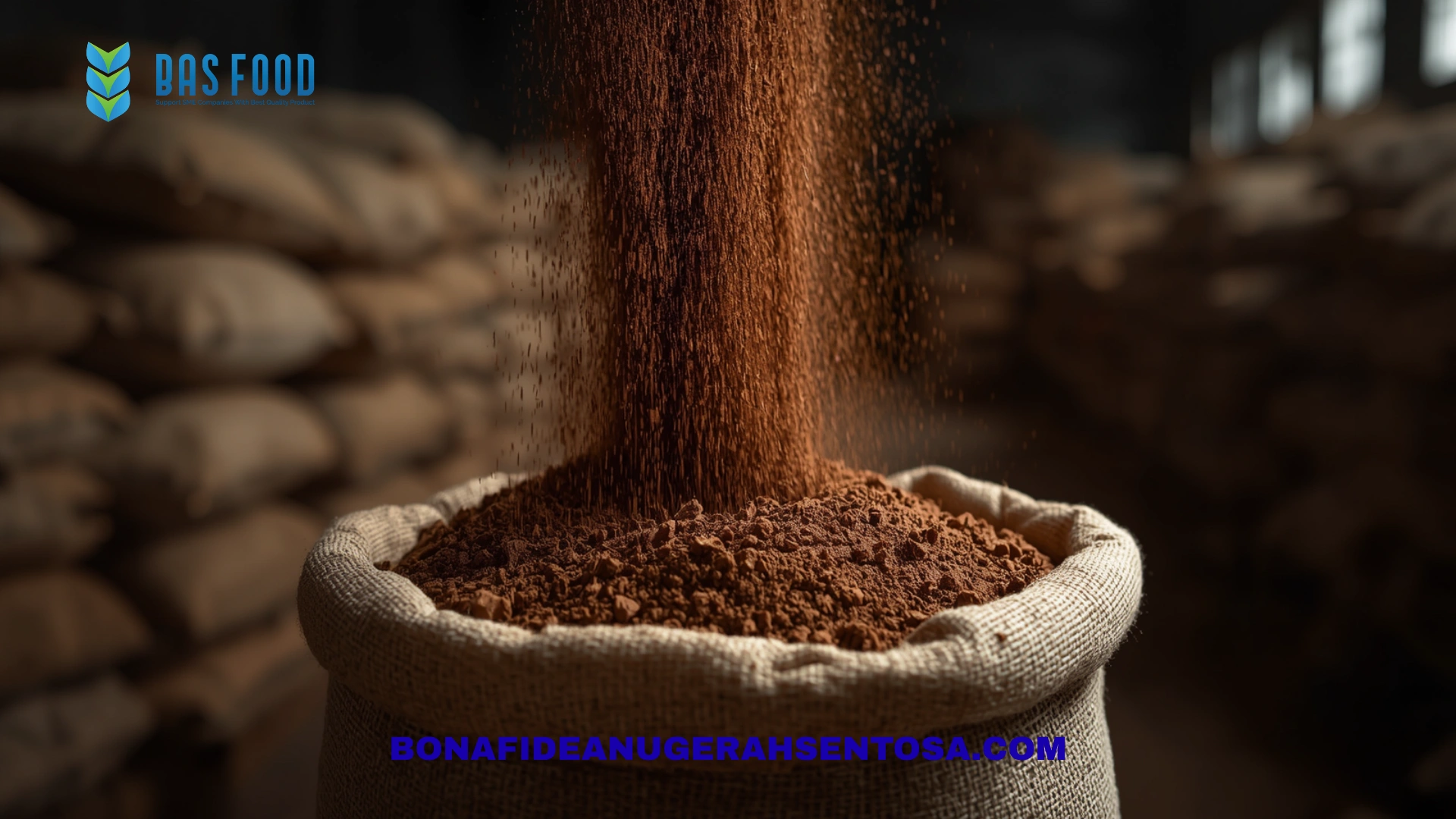
What Does a Palm Sugar Exporter Do?
A palm sugar exporter connects manufacturers with international buyers by managing every stage of the export process.
While production is an important part of the supply chain, exporting requires additional expertise in logistics, documentation, quality assurance, regulatory compliance, and customer communication.
Professional exporters coordinate production schedules, inspect finished products, arrange packaging, prepare shipping documents, and ensure products meet destination-country requirements.
They also work closely with freight forwarders, customs authorities, inspection agencies, and customers to ensure shipments arrive safely and on schedule.
Beyond logistics, experienced exporters serve as valuable business partners by providing technical information, product specifications, laboratory reports, and after-sales support.
Why Indonesia Is a Leading Palm Sugar Export Hub
Indonesia is widely recognized as one of the largest suppliers of palm sugar in the global market.
Its tropical climate supports healthy palm tree growth throughout many regions, providing a stable supply of raw materials.
Generations of experienced farmers have refined traditional sap harvesting techniques while modern manufacturers continue investing in food safety systems, quality management, and export-ready production facilities.
This combination of agricultural expertise and industrial capability enables Indonesian exporters to supply customers with consistent products that meet international standards.
Many importers choose Indonesian suppliers because they value long-term relationships, competitive pricing, flexible packaging, and dependable production capacity.
Qualities Every Reliable Export Partner Should Have
Selecting the right export partner requires more than comparing product prices.
A dependable exporter demonstrates professionalism across every aspect of the business.
Consistent Product Quality
Reliable suppliers produce products that maintain consistent color, flavor, aroma, moisture, and texture from shipment to shipment.
Food Safety Management
Professional exporters implement food safety systems that reduce contamination risks and support regulatory compliance.
Strong Communication
Clear and responsive communication helps resolve questions quickly while improving customer confidence.
Export Experience
Experienced exporters understand shipping procedures, documentation requirements, and destination-market expectations.
Customer Support
Long-term partnerships depend on suppliers who provide responsive service before and after every shipment.
Supplier Checklist for Choosing the Right Exporter
Every importer should use a structured supplier checklist before selecting a palm sugar supplier.
Evaluating suppliers carefully helps reduce sourcing risks while improving purchasing confidence.
Consider the following questions:
Production Capacity
Can the supplier consistently meet your required order volume?
Food Safety Systems
Does the company operate under recognized food safety programs such as HACCP or equivalent systems?
Product Specifications
Can the supplier provide detailed specifications for moisture, color, packaging, and product format?
Certifications
Are relevant certifications available for your target market?
Export Documentation
Can the exporter provide commercial invoices, packing lists, certificates of origin, laboratory reports, and other required documents?
Packaging Options
Does the supplier offer retail packaging, bulk packaging, private label services, or customized solutions?
A thorough supplier checklist helps buyers compare suppliers using objective criteria instead of focusing only on price.
Understanding the Palm Sugar Procurement Process
Successful procurement involves careful planning from the initial inquiry through final delivery.
Professional buyers typically follow several important steps.
Product Evaluation
Review product samples, specifications, and laboratory reports before placing large orders.
Supplier Verification
Assess manufacturing capabilities, certifications, and export history.
Commercial Negotiation
Discuss pricing, payment terms, production schedules, packaging, and shipping conditions.
Production Monitoring
Maintain regular communication throughout manufacturing.
Shipment Coordination
Confirm documentation, inspection requirements, container loading, and transportation schedules.
A structured procurement process reduces misunderstandings while improving supply chain efficiency.
Why Quality Assurance Matters in Export Business
Quality assurance plays a major role in international food trade.
Professional exporters inspect products throughout production rather than waiting until packaging is complete.
Typical quality checks include:
- Raw material inspection
- Product appearance
- Moisture verification
- Flavor consistency
- Packaging quality
- Label verification
- Final shipment inspection
Consistent quality assurance helps ensure customers receive products that match agreed specifications.
Reliable quality systems also strengthen long-term business relationships.
Documents Every Importer Should Request
Before confirming an order, buyers should request important documentation from their supplier.
Common export documents include:
- Product specifications
- Certificate of analysis
- Food safety documentation
- Commercial invoice
- Packing list
- Certificate of origin
- Phytosanitary documentation when applicable
- Shipping documents
The exact documentation depends on the destination country and product category.
Experienced exporters understand these requirements and prepare documents accordingly.
Building a Long-Term Sourcing Strategy
Finding a supplier is only the first step.
Successful companies develop sourcing strategies that emphasize stability, quality, and continuous improvement.
Long-term partnerships provide several advantages:
- Better communication
- Consistent quality
- Predictable production schedules
- Flexible packaging solutions
- Improved inventory planning
- Stronger business relationships
Reliable sourcing creates value for both buyers and suppliers.
Common Procurement Mistakes to Avoid
Some buyers focus exclusively on the lowest available price.
While competitive pricing is important, extremely low prices may indicate inconsistent quality or limited quality management.
Another common mistake is failing to evaluate documentation before placing an order.
Laboratory reports, specifications, and certifications provide valuable information about supplier capabilities.
Finally, poor communication often creates unnecessary delays.
Choosing responsive suppliers improves coordination throughout the procurement process.
Frequently Asked Questions
What does a palm sugar exporter do?
A palm sugar exporter manages product preparation, quality assurance, documentation, logistics, and international shipping for global buyers.
Why is choosing the right export partner important?
A reliable export partner provides consistent quality, dependable communication, food safety management, and long-term supply stability.
What should a supplier checklist include?
Production capacity, certifications, product specifications, export documentation, packaging options, and customer service.
What is procurement in palm sugar sourcing?
Procurement includes supplier selection, product evaluation, negotiations, documentation, production monitoring, and shipment coordination.
Why do importers prefer Indonesian exporters?
Indonesia offers experienced manufacturers, abundant raw materials, export expertise, and competitive production capabilities.
Conclusion
Choosing the right palm sugar exporter is about much more than purchasing a food ingredient. It is about building a reliable supply chain supported by consistent quality, transparent communication, food safety management, and dependable international logistics. An experienced export partner helps importers navigate documentation requirements, maintain product consistency, and respond to changing market demands.
Using a structured supplier checklist allows businesses to evaluate manufacturers based on objective criteria such as production capacity, certifications, quality systems, export experience, and customer support. Combined with a well-planned procurement strategy, these evaluations reduce sourcing risks and contribute to long-term business success.
As one of the world’s leading palm sugar producers, Indonesia continues to provide excellent sourcing opportunities for food manufacturers, distributors, wholesalers, and retailers worldwide. By partnering with a trusted exporter, companies can secure reliable access to premium palm sugar while building lasting relationships that support sustainable growth in the global food industry.