
MCT coconut oil has moved far beyond a niche supplement. Today, it is a core ingredient in functional foods, beverages, sports nutrition, cosmetics, and pharmaceutical formulations. As demand grows, buyers are no longer just asking what MCT oil is. Instead, they are asking a more important question: who is the right MCT coconut oil supplier?
This article explains what MCT coconut oil really is, how it is produced, why sourcing matters, and what global buyers should evaluate before committing to long-term supply contracts. Written in a clear, human Wikipedia-style format, this guide is designed for importers, manufacturers, and brand owners who need practical insight rather than marketing hype.
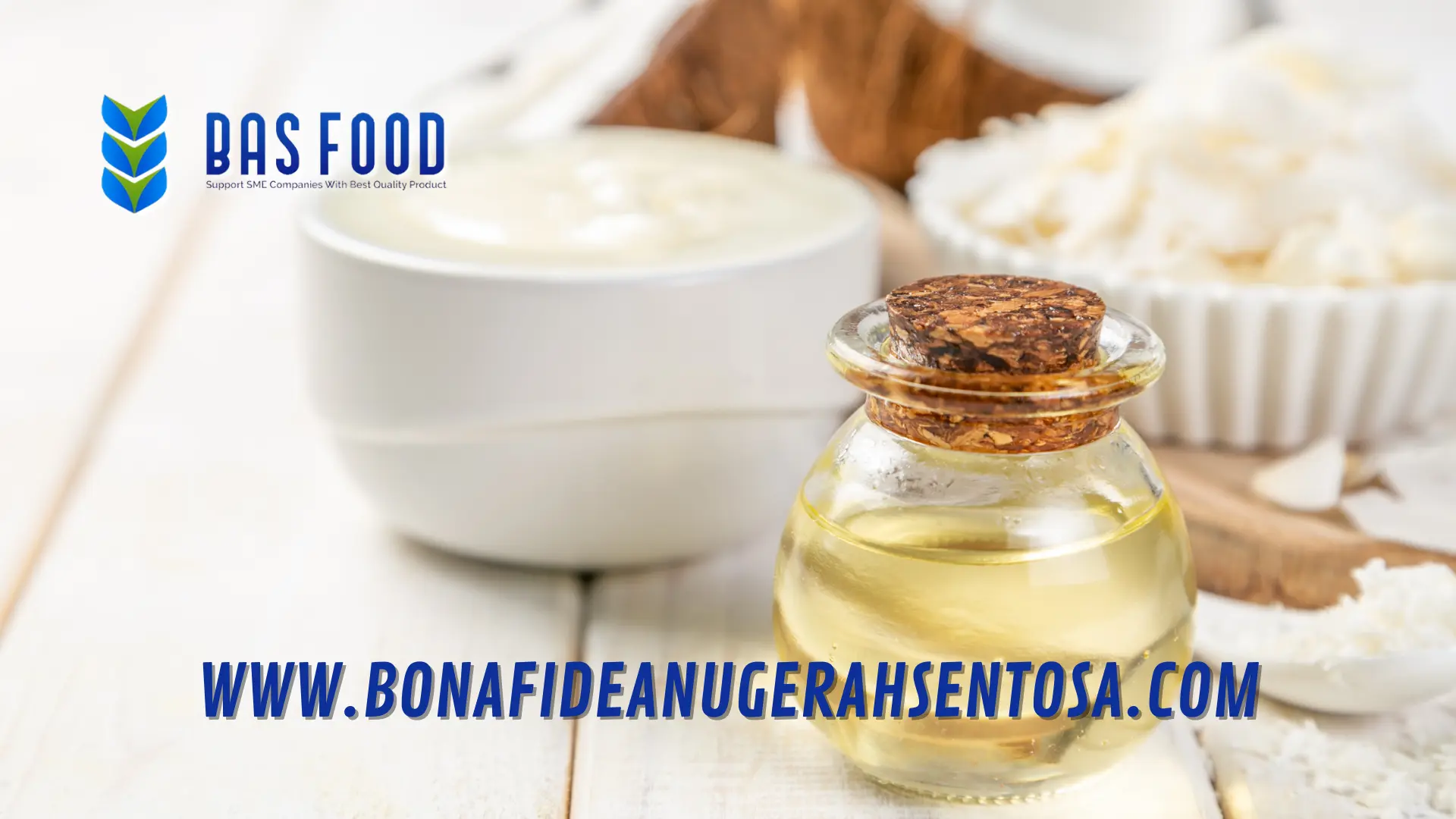
What Is MCT Coconut Oil and Why It Matters
MCT stands for Medium-Chain Triglycerides. These are fats with a shorter carbon chain length than long-chain triglycerides found in most vegetable oils. Because of this structure, MCTs digest and metabolize faster.
MCT coconut oil is typically derived from refined coconut oil through fractionation. This process isolates specific fatty acids, mainly caprylic acid (C8) and capric acid (C10). These components are valued for their neutral taste, stability, and functional performance across industries.
The Growing Global Demand for MCT Coconut Oil
Over the last decade, MCT coconut oil has seen strong demand growth. Functional beverages, keto-friendly foods, and nutraceuticals have pushed this trend forward.
As a result, buyers are more selective. They are no longer just looking for availability. They are looking for a reliable MCT coconut oil supplier who can deliver consistent specifications, stable volumes, and proper export documentation.
Coconut as the Preferred Source of MCT Oil
MCT oil can be produced from palm kernel oil or coconut oil. However, coconut-based MCT oil is increasingly preferred.
Coconut-derived MCT oil carries a cleaner perception. It also aligns better with sustainability narratives and consumer expectations, especially in food and wellness markets.
Understanding the Fractionation Process
Fractionation is the key step that turns standard coconut oil into MCT oil. This process separates fatty acids based on melting points and molecular weight.
High-quality suppliers use controlled, food-grade fractionation methods. This ensures purity, odor neutrality, and stable fatty acid profiles, which are critical for industrial applications.
Fatty Acid Profiles and Why They Matter
Not all MCT oils are the same. Some products are pure C8, others are C8-C10 blends, and some include lauric acid (C12).
Buyers should clearly define their application needs. Beverage formulations, for example, often require a lighter C8-dominant profile, while cosmetics may tolerate broader blends.
Applications Across Multiple Industries
MCT coconut oil is used far beyond dietary supplements. In food manufacturing, it acts as a carrier oil, texture enhancer, and energy source.
In cosmetics, it offers fast absorption and a non-greasy feel. Pharmaceuticals, it functions as an excipient and delivery medium for active compounds.
Sensory Characteristics and Neutrality
One major advantage of MCT coconut oil is its neutral aroma and taste. This allows formulators to incorporate it without affecting flavor profiles.
Achieving this neutrality depends on proper refining and deodorization. This is where supplier capability becomes critical.
Shelf Life and Oxidative Stability
MCT oil is naturally stable due to its saturated structure. However, poor processing or contamination can reduce shelf life.
A professional MCT coconut oil supplier ensures low peroxide values, proper filtration, and clean storage conditions to maintain long-term stability.
Packaging Standards for Export Markets
Packaging matters more than many buyers realize. MCT oil must be packed in food-grade drums, IBC tanks, or flexitanks depending on shipment size.
Proper sealing and liner materials protect the oil from oxidation and contamination during international shipping.
Regulatory Compliance in Global Trade
Different markets impose different regulations. The EU, USA, and Asia-Pacific regions all have specific food safety and labeling requirements.
Reliable suppliers provide full documentation, including COA, MSDS, and compliance statements aligned with international standards.
Traceability and Raw Material Sourcing
Traceability starts at the coconut plantation. Ethical buyers increasingly want transparency from farm to finished product.
Indonesia plays a key role here, as it combines abundant coconut resources with established processing infrastructure.
Sustainability Considerations in Coconut Oil Supply
Sustainability is no longer optional. Buyers look for suppliers that support responsible farming and long-term environmental balance.
Coconut palms offer a renewable, low-impact oil source when managed correctly, strengthening the sustainability profile of MCT coconut oil.
Quality Parameters Buyers Should Evaluate
Before choosing a supplier, buyers should review acid value, moisture content, fatty acid composition, and sensory results.
Consistent batch-to-batch quality reduces reformulation risks and production downtime.
Pricing Factors in the MCT Coconut Oil Market
Prices depend on coconut availability, processing complexity, and fatty acid purity. C8-dominant products usually command a premium.
Rather than focusing solely on price, buyers should evaluate total value, including reliability and technical support.
Logistics and Lead Time Management
International shipping adds complexity. Delays can disrupt production schedules, especially for food and supplement manufacturers.
An experienced MCT coconut oil supplier manages lead times carefully and communicates clearly with buyers.
Common Challenges When Sourcing MCT Oil
Buyers sometimes face inconsistent specifications, unclear documentation, or unstable supply volumes.
These challenges often stem from suppliers lacking integrated control over sourcing and processing.
The Importance of Long-Term Supplier Relationships
Long-term partnerships reduce risk. Suppliers who understand your application can adjust specifications and volumes as your business grows.
This is particularly important in regulated industries like food and nutraceuticals.
Indonesia as a Strategic Hub for MCT Coconut Oil
Indonesia is one of the world’s largest coconut producers. Its mature export infrastructure supports global distribution.
This makes Indonesia a natural sourcing destination for buyers seeking both scale and quality.
CV Bonafide Anugerah Sentosa as a Trusted Supplier
CV Bonafide Anugerah Sentosa operates as a trusted fishery, spices, cocoa, and coconut supplier and producer from Indonesia. The company supports global buyers with export-ready coconut products, including MCT coconut oil.
With experience across multiple commodity sectors, the company understands international buyer expectations and quality standards.
Comparing MCT Coconut Oil to Other Carrier Oils
Compared to soybean or sunflower oil, MCT oil offers faster metabolism and better oxidative stability.
These advantages explain why it continues to replace traditional carrier oils in high-performance formulations.
Trends Shaping the Future of MCT Oil
Clean-label demand, functional nutrition growth, and personalized wellness products all point toward continued MCT oil expansion.
Suppliers who invest in quality and transparency will lead this next phase.
Technical Support and Documentation Value
Beyond the product itself, buyers benefit from suppliers who offer technical guidance and responsive documentation support.
This reduces friction during audits, product launches, and regulatory reviews.
Risk Management in MCT Oil Procurement
Diversified sourcing, clear contracts, and supplier audits help mitigate risks related to supply disruption.
Choosing a dependable MCT coconut oil supplier is a key part of that strategy.
Final Thoughts on Choosing the Right Supplier
MCT coconut oil is no longer a specialty ingredient. It is a core input for many fast-growing industries.
Success depends not just on the oil, but on the supplier behind it. Quality, consistency, and trust matter more than ever.
Contact CV Bonafide Anugerah Sentosa how we can provide the best solutions for you. WhatsApp: +62 8213 4505 737, Email: info@bonafideanugerahsentosa.com / bas.mdir@gmail.com.