
To import tuna fillet from Indonesia successfully, buyers must manage more than pricing and volume. The process involves regulatory approval, quality control, cold chain coordination, and exporter reliability. For active importers, clarity at each step reduces delays, claims, and compliance risk.
This guide explains how to import tuna fillet from Indonesia in a practical, transaction-focused way. It is designed for buyers ready to move forward and looking for a clear sourcing pathway.
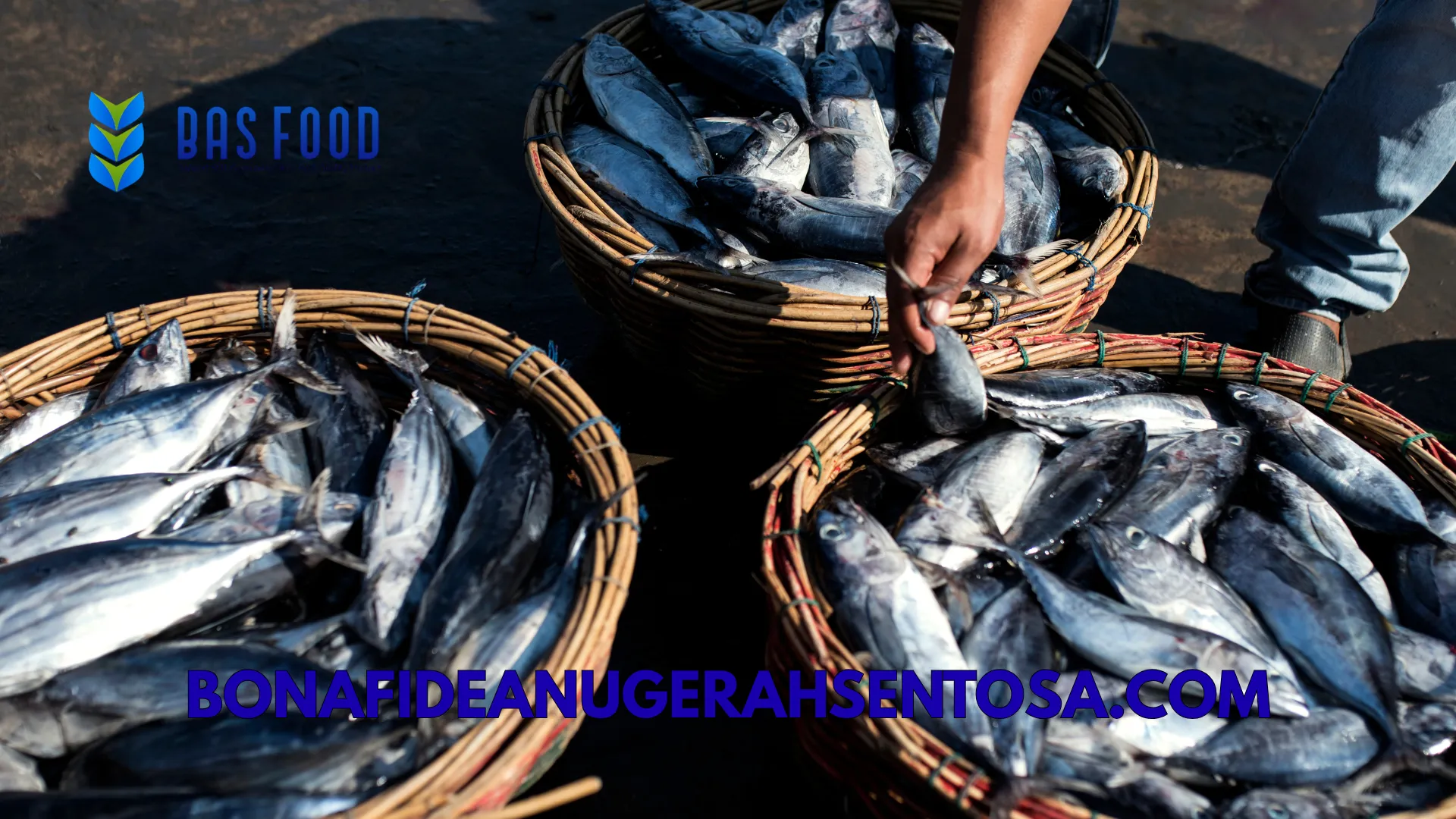
Why Indonesia Is a Key Source for Tuna Fillet
Indonesia is one of the world’s largest tuna-producing countries. Its geographic location supports year-round fishing across key tuna species. As a result, buyers gain access to stable supply and diverse product options.
When buyers import tuna fillet from Indonesia, they benefit from established export infrastructure. Many processors already serve regulated markets such as the EU and the United States.
Tuna Species Commonly Exported from Indonesia
Species selection shapes pricing, quality, and end use. Indonesian exporters typically supply yellowfin, bigeye, skipjack, and bluefin tuna. Each species meets different market needs.
Before buyers import tuna fillet, they should confirm species availability and specification. Clear species alignment prevents labeling issues and regulatory complications.
Regulatory Requirements for Importing Tuna Fillet
Regulations govern every shipment. Importers must comply with food safety laws, fishery regulations, and customs rules. These vary by destination market.
To import tuna fillet smoothly, buyers must understand their local import requirements. Exporters should support this process with accurate documentation and compliance knowledge.
Export Compliance on the Indonesian Side
Indonesia requires exporters to meet national fishery and food safety rules. Processing facilities must operate under approved systems and inspections. Authorities oversee hygiene and handling standards.
When buyers import tuna fillet, they rely on exporters to meet these obligations. Strong compliance reduces border risk and inspection delays.
Food Safety Standards and Certification
Food safety is central to tuna trade. Exporters must apply HACCP-based systems and maintain records. These systems control hazards such as temperature abuse and contamination.
For buyers planning to import tuna fillet, reviewing food safety certification is essential. It confirms that processing follows international standards.
Catch Documentation and Legal Sourcing
Legal fishing proof is mandatory in many markets. Importers often need catch certificates and vessel details. These documents confirm that tuna comes from approved fisheries.
To import tuna fillet without disruption, buyers should verify legal sourcing early. This step prevents issues related to IUU fishing regulations.
Processing and Quality Control Practices
Processing quality affects shelf life and yield. Buyers assess cutting methods, trimming levels, and hygiene conditions. Consistency across batches matters.
When buyers import tuna fillet, they expect exporters to apply clear quality controls. Regular inspection and grading support predictable outcomes.
Cold Chain Logistics and Temperature Control
Cold chain integrity protects tuna quality. Exporters must freeze, store, and ship products under strict temperature limits. Any break can cause quality loss.
To import tuna fillet safely, buyers often request temperature records. Reliable cold chain management reduces claims and spoilage risk.
Packaging and Labeling Requirements
Packaging protects the product during transport. Buyers review carton strength, inner packaging, and sealing quality. Labels must match documents exactly.
Before buyers import fillet, they should confirm packaging specifications. Correct labeling supports customs clearance and warehouse handling.
Shipping Methods and Transit Planning
Most tuna fillet shipments move by frozen container. Transit time, port selection, and carrier reliability affect delivery outcomes. Poor planning increases risk.
When buyers import tuna fillet from Indonesia, they should coordinate shipping schedules carefully. Exporters with logistics experience add value at this stage.
Customs Clearance and Import Procedures
Customs processes vary by country. Importers submit documents, pay duties, and manage inspections. Errors can delay release.
To import tuna efficiently, buyers should prepare documents in advance. Exporters who provide accurate paperwork reduce clearance time.
Managing Risks in Tuna Fillet Imports
Risk management is part of every import. Common risks include temperature deviation, documentation errors, and quality disputes. Clear processes reduce exposure.
When buyers import tuna fillet, they should work with exporters who communicate proactively. Early issue detection prevents escalation.
Best Practices for First-Time Importers
First-time buyers should start with clear specifications and small trial orders. This approach helps test quality, logistics, and communication. It also limits financial exposure.
Before importers scale up, they should review performance data. This step builds confidence in the supply relationship.
Choosing the Right Indonesian Exporter
Exporter selection determines long-term success. Buyers assess compliance history, export experience, and responsiveness. Transparency matters.
Companies such as CV Bonafide Anugerah Sentosa, an Indonesian exporter active in bluefin tuna, other fishery products, spices, cocoa, and coconut-based goods, demonstrate cross-commodity export discipline. This experience supports consistent compliance when buyers import tuna fillet.
From Inquiry to Shipment: A Practical Import Flow
The import process follows a clear sequence. Buyers submit inquiries, review specifications, confirm compliance, and place orders. Exporters then process and ship goods.
When buyers import tuna fillet using this structured flow, transactions move faster. Fewer surprises occur along the way.
Conclusion: Importing Tuna Fillet with Confidence
To import tuna fillet from Indonesia successfully, buyers must manage compliance, quality, and logistics together. Each step builds on the previous one. Skipping details increases risk.
Buyers who follow a structured approach and work with experienced exporters reduce friction. As a result, tuna imports become reliable and scalable.
FAQ Section
What documents are required to import tuna fillet?
Common documents include invoices, packing lists, health certificates, and catch documentation, depending on destination rules.
Is Indonesia approved for exporting tuna fillet to the EU and US?
Yes, approved Indonesian facilities export tuna fillet to regulated markets when they meet requirements.
How long does it take to import tuna fillet from Indonesia?
Transit time depends on destination, but frozen shipments often take several weeks including clearance.
What is the biggest risk when importing tuna fillet?
Cold chain failure is a major risk and can affect quality and safety.
Can first-time buyers import tuna fillet in small volumes?
Yes, many exporters support trial orders to help buyers evaluate performance.
Contact CV Bonafide Anugerah Sentosa how we can provide the best solutions for you. WhatsApp: +62 8213 4505 737, Email: info@bonafideanugerahsentosa.com / bas.mdir@gmail.com.