
The demand for traditional sweeteners continues to create opportunities for food importers, distributors, retailers, and manufacturers around the world. Among the products attracting interest is gula melaka blok, a traditional palm sugar known for its rich sweetness, caramel-like aroma, and solid block form. For businesses that want to purchase this product in commercial quantities, gula melaka blok wholesale offers a practical way to source palm sugar for resale, food production, and distribution. However, wholesale purchasing involves more than comparing prices. Buyers need to understand product origin, raw materials, quality standards, packaging, storage, and export arrangements.
Whether you are an importer, a food ingredient distributor, or a manufacturer looking for a dependable palm sugar source, choosing the right supplier can make a difference to your business. This guide explains what to consider when buying Gula Melaka blocks in bulk and how to build a reliable sourcing relationship.
What Is Gula Melaka Blok?
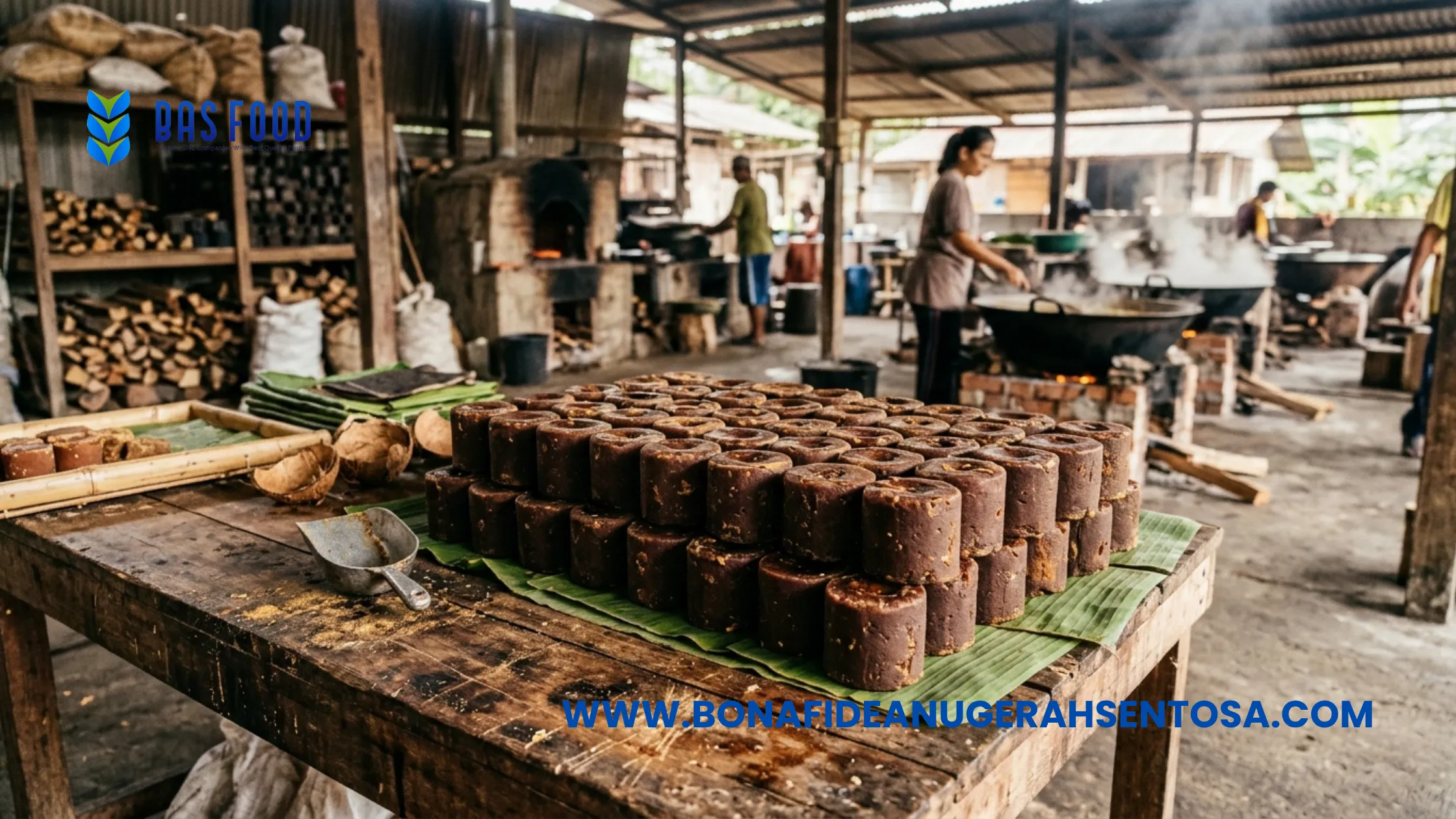
Gula Melaka is a traditional palm sugar associated with Malaysian food culture. It is commonly sold in solid blocks and used in desserts, traditional dishes, beverages, and other sweet food products. Its color can range from golden brown to deep brown, while its flavor often has caramel-like notes.
The term Gula Melaka is a regional product name, so buyers should not automatically assume that every product sold under this name comes from the same palm species. Some products are made from coconut palm sap, while palm sugar traditions in different regions may use other types of palm. Therefore, importers should always confirm the raw material and country of origin with the supplier.
Gula Melaka blocks are generally made by collecting palm sap and concentrating it through heating until it reaches a thick consistency. The concentrated sap is then placed into moulds and allowed to cool and solidify. Production methods and final characteristics can vary between producers.
For wholesale buyers, understanding the product’s origin is important. It helps ensure that the product description, ingredient declaration, country-of-origin information, and marketing claims accurately represent what they are purchasing.
Why Choose Gula Melaka Blok Wholesale?
Buying wholesale gula melaka block quantities can help businesses manage their ingredient supply and stock planning. Instead of purchasing small retail packs repeatedly, importers and distributors can arrange larger orders based on expected demand.
This approach can be useful for food ingredient distributors, supermarkets, specialty food stores, restaurants, and manufacturers. They can purchase commercial quantities and divide them into smaller packs, supply business customers, or use the blocks directly in food production, depending on their business model.
Wholesale purchasing may also make procurement more predictable. When buyers agree on product specifications, packaging, and order schedules with a supplier, they can plan future purchases more effectively. This is particularly valuable for businesses that need regular access to traditional sweeteners.
However, larger orders require careful planning. Buyers should consider warehouse capacity, expected sales, product shelf life, and stock rotation before committing to a shipment. Ordering too much inventory can increase storage costs and create unnecessary pressure to sell products before their quality declines.
Bulk Palm Sugar: Understanding the Product Forms and Uses
The term bulk palm sugar covers several product forms, including blocks, moulded pieces, granules, powder, and syrup. Each format has different handling requirements and may suit different customer segments.
Gula Melaka blocks are especially relevant for businesses that serve traditional food markets or customers who prefer solid palm sugar. They can be grated, chopped, shaved, or dissolved in liquid before use. This makes them useful for recipes that require palm sugar as a sweetening ingredient.
Some common applications include:
- Traditional desserts and sweet snacks.
- Sauces, marinades, and cooking pastes.
- Traditional cakes and baked products.
- Sweet beverages and hot drinks.
- Food service and restaurant preparation.
- Retail packs for household cooking.
For manufacturers, the block format may require an additional preparation step before mixing. Depending on the recipe, workers may need to break or grate the product and dissolve it before adding it to other ingredients.
Buyers should also remember that palm sugar is still a sugar-based sweetener. Its natural origin and traditional production do not automatically make it sugar-free or suitable for every dietary requirement. Product descriptions should communicate its characteristics accurately.
Coconut Palm Sugar Wholesale: Why Raw Material Identification Matters
Businesses searching for coconut palm sugar wholesale products should pay close attention to the raw material used in production. Coconut palm sugar is made from sap collected from coconut palm flowers. It is different from palm sugar produced from other palm species, even when the products have similar colors or uses.
This distinction matters when buyers develop product labels and marketing materials. If a product is made from coconut palm sap, the buyer may describe it as coconut palm sugar, provided that the supplier’s documentation supports the claim. If the raw material comes from another palm species, the product description should reflect that source instead.
Gula Melaka and coconut palm sugar can overlap in some products, but the names are not universally interchangeable. A Gula Melaka block may be made from coconut palm sap, but buyers should verify this rather than relying on the product name alone.
Before placing a wholesale order, ask the supplier about:
- The palm species used as the raw material.
- The country and region of origin.
- The ingredient declaration.
- The general production process.
- Available product specifications.
- Whether the product contains any additional ingredients.
This information helps importers choose the correct product for their market and avoid inaccurate labeling or product claims.
How to Identify Good-Quality Gula Melaka Blocks
Quality assessment is essential when buying Gula Melaka blocks in commercial quantities. Buyers should consider appearance, texture, aroma, flavor, cleanliness, and product consistency. These characteristics help determine whether the product meets their intended requirements.
Color is one of the first features buyers notice. Gula Melaka can range from light golden brown to darker brown, depending on the raw material and production conditions. However, a darker color does not automatically indicate better quality. Buyers should assess color against an agreed product specification rather than using darkness as the only quality measure.
Texture also matters. Blocks should have a form and firmness suitable for their intended use and packaging. Some variation may occur because of differences in moisture, concentration, moulding, and storage conditions. Buyers should agree on acceptable texture and dimensions if these factors are important for their business.
A clean, characteristic palm sugar aroma is another useful sensory indicator. Unusual sour, musty, or burnt odors should be investigated. Similarly, buyers should inspect the product for visible foreign matter, contamination, or signs of moisture damage.
For larger orders, visual and sensory checks should be supported by appropriate product testing. Depending on the buyer’s requirements, quality evaluation may include moisture content, microbiological criteria, and other relevant specifications. Moisture content and water activity are different measurements, so they should not be treated as interchangeable.
What to Consider When Choosing a Gula Melaka Bulk Supplier
Choosing a reliable gula melaka bulk supplier is one of the most important steps in wholesale procurement. The supplier should understand the product, communicate clearly, and provide information that allows buyers to assess whether the product meets their needs.
Start by reviewing the supplier’s experience with palm sugar and its ability to explain the raw material and production process. Ask for a product specification sheet and confirm whether the company can provide samples for evaluation. A supplier should be able to explain the available product forms, packaging arrangements, and relevant quality information.
Communication is equally important. Wholesale orders often involve several stages, including inquiry, sample approval, quotation, order confirmation, production planning, packaging, and shipment. Clear communication helps prevent misunderstandings and gives buyers a better view of the purchasing process.
Before selecting a supplier, discuss these points:
- Product origin and raw material.
- Block size, shape, and weight options.
- Color, texture, aroma, and other quality requirements.
- Packaging materials and net weight.
- Minimum order quantity.
- Sample availability.
- Production and delivery lead time.
- Export documentation and shipping arrangements.
Do not select a supplier based only on the lowest quotation. A competitive price is valuable, but buyers should also consider product consistency, packaging suitability, documentation, and the supplier’s ability to support repeat orders.
Wholesale Packaging and Storage for Gula Melaka Blocks
Packaging helps protect Gula Melaka blocks during storage, handling, and transportation. The right format depends on the product’s size, order quantity, distribution channel, and destination market.
For retail distribution, individual wrapping or smaller food-grade packs may be suitable. These formats can help retailers sell the product in convenient quantities while providing product identification and labeling information.
For wholesale shipments, larger food-grade bags, inner liners, cartons, or other suitable packaging arrangements may be considered. The exact format should be agreed with the supplier based on the block dimensions, product characteristics, and shipping conditions.
Moisture protection deserves particular attention. Palm sugar can absorb moisture from its surroundings, which may cause blocks to become sticky, soft, or difficult to handle. Therefore, packaging should help protect the product from humid conditions during storage and transportation.
After receiving the shipment, buyers should keep the blocks in a clean, dry warehouse away from direct sunlight, excessive heat, and sources of moisture. Containers and cartons should remain properly closed when not in use.
For inventory management, businesses can apply the first-in, first-out (FIFO) method or first-expired, first-out (FEFO) where date control is more appropriate. They should also inspect incoming packaging, record batch details, and follow the supplier’s product-specific storage instructions.
Gula Melaka Wholesale Pricing: What Affects the Cost?
The price of gula melaka blok wholesale can depend on several factors. Buyers should understand these factors before comparing quotations because two offers may cover different product specifications, packaging formats, or shipping arrangements.
Raw material availability is one factor that can influence pricing. Palm sap production depends on agricultural conditions, harvesting practices, and the availability of suitable raw materials. Production costs, labor, processing, and packaging also contribute to the final price.
Product specifications can affect costs as well. Buyers who require particular block dimensions, weight tolerances, packaging formats, or labeling arrangements may need a different quotation from buyers purchasing standard bulk products.
Order quantity is another important consideration. Larger orders may offer different unit pricing, but the actual commercial terms depend on the supplier, packaging requirements, and shipping arrangements. Buyers should also account for freight, insurance where applicable, customs duties, taxes, and local handling costs when calculating the total landed cost.
When requesting a quotation, provide enough information for the supplier to prepare an accurate offer. Include the product name, raw material requirements, estimated quantity, preferred packaging, destination country, and any specific documentation needs.
Export Considerations for International Wholesale Buyers
International sourcing involves more than agreeing on the product and price. Buyers must also confirm the import requirements of their destination country and prepare the relevant shipping and customs documentation.
Depending on the destination and transaction, export documents may include a commercial invoice, packing list, bill of lading, certificate of origin, and other documents requested by the importer or authorities. Food-related shipments may also require additional product information, declarations, or certificates based on local regulations.
Labeling is another important consideration. Buyers should confirm the required product name, ingredient declaration, net weight, country of origin, responsible business details, batch identification, and date marking. Language and nutrition-label requirements can vary between markets.
Before shipment, importers should coordinate with their customs broker or regulatory adviser to confirm the current requirements. This helps reduce the risk of documentation problems, customs delays, or labeling issues after arrival.
For a smoother transaction, share the destination port, preferred shipping terms, estimated order quantity, and required documents with the supplier during the quotation stage. Early coordination makes it easier to identify any special requirements.
Working with CV Bonafide Anugerah Sentosa
For businesses interested in Indonesian palm sugar and coconut-derived products, CV Bonafide Anugerah Sentosa is an exporter and supplier serving international buyers. The company supplies coconut sugar and other coconut-derived products, alongside various agricultural commodities.
Importers searching for a coconut sugar exporter supplier can discuss their sourcing needs, intended applications, packaging preferences, and destination markets with the company. Providing clear information at the beginning of the inquiry helps establish whether the requested product and supply arrangement can be supported.
As a coconut sugar supplier, CV Bonafide Anugerah Sentosa understands the importance of clear communication with international buyers. Businesses interested in Gula Melaka blocks should specify the required raw material, product origin, dimensions, quality expectations, and packaging requirements. This is especially important because the name Gula Melaka does not always identify a single palm species or production standard.
To make your inquiry more effective, prepare the following details:
- Company name and destination country.
- Product name and raw material requirements.
- Estimated order quantity.
- Preferred block size or weight.
- Packaging preference.
- Required product specifications.
- Labeling and export documentation needs.
- Destination port or delivery location.
These details help both parties discuss the product and commercial requirements more clearly.
Build a Reliable Palm Sugar Supply for Your Business
Gula Melaka blocks offer opportunities for importers, distributors, retailers, and food manufacturers looking to serve markets that appreciate traditional palm sugar products. Through wholesale purchasing, businesses can source larger quantities for resale, food production, and distribution.
However, successful sourcing depends on more than finding a competitive price. Buyers should verify the raw material, product origin, quality specifications, packaging, storage requirements, and export documentation before placing an order.
Whether you are looking for wholesale Gula Melaka blocks or exploring coconut palm sugar wholesale opportunities, a clear product specification is the foundation of a successful purchasing relationship.
CV Bonafide Anugerah Sentosa welcomes inquiries from international buyers interested in Indonesian coconut sugar and related products. Contact the company to discuss your product requirements, expected order volume, and export needs.