
Gula Melaka is valued across Southeast Asian cuisine for its rich sweetness, distinctive aroma, and traditional character. Available in several forms, including blocks, discs, and granules, this palm sugar product remains an important ingredient for food manufacturers, bakeries, beverage producers, restaurants, and distributors. However, not every block offers the same quality. Differences in raw materials, sap handling, cooking methods, moulding, and storage can affect the final product. For importers and food businesses, understanding gula melaka blok quality is essential before choosing a supplier or placing a bulk order.
A good block should meet the buyer’s expectations for appearance, flavor, texture, cleanliness, and consistency. These factors matter not only for product presentation but also for processing performance and customer satisfaction.
In this guide, we explore the main characteristics of quality Gula Melaka blocks, explain what buyers should inspect, and share practical tips for sourcing palm sugar from Indonesia.
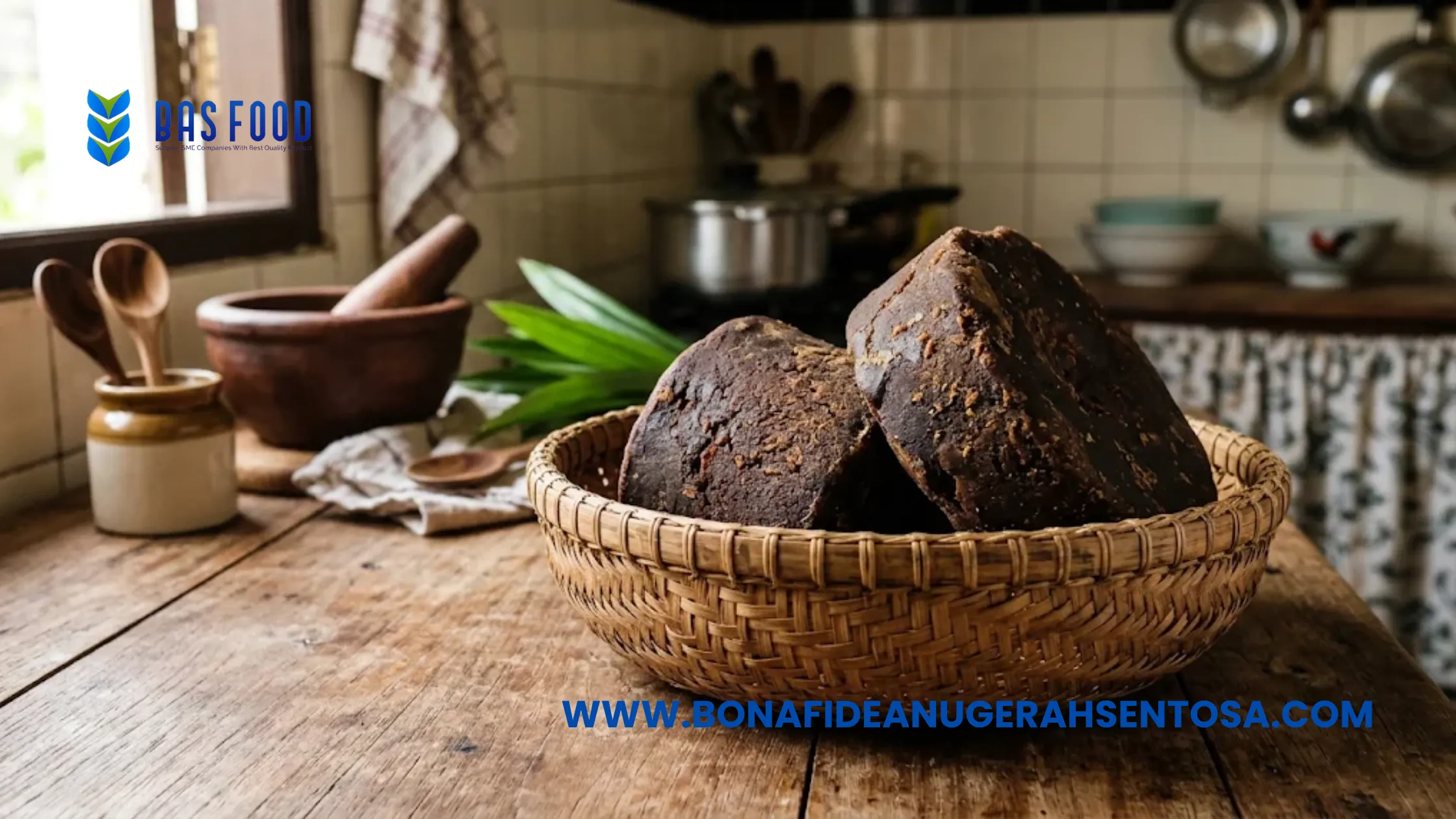
Understanding Gula Melaka Blok and Its Quality
Gula Melaka is a traditional palm sugar associated with Southeast Asian food culture, particularly Malaysia. It is commonly made by collecting sap from palm trees, heating the fresh sap to concentrate its natural sugars, and allowing the concentrated liquid to cool and solidify in moulds.
The term gula melaka blok describes palm sugar supplied in solid block form. Depending on the producer and raw material, blocks may vary in shape, size, color, hardness, and flavor. Buyers should therefore confirm the exact palm species and country of origin instead of assuming that every product sold under the Gula Melaka name has the same characteristics.
Quality begins with the raw sap. Fresh, properly handled sap gives producers a better starting point for making palm sugar with a clean flavor and consistent appearance. Poor handling, fermentation, or contamination before processing can affect the final product.
The production process also matters. Producers must control heating, concentration, and cooling to achieve the desired solid structure. If the process is inconsistent, the blocks may show uneven color, excessive moisture, irregular texture, or differences in flavor between batches.
For B2B buyers, quality should be assessed through clear product specifications and agreed acceptance criteria. Appearance alone cannot confirm every important quality parameter. A block may look attractive but still have unsuitable moisture levels or inconsistent microbiological quality.
Gula Melaka Colour: What Does the Appearance Tell You?
One of the first things buyers notice is gula melaka colour. Palm sugar blocks commonly range from golden brown to dark brown, depending on the raw material and processing conditions. This natural variation is not automatically a sign of poor quality.
The color develops through the concentration and heating of palm sap. During processing, heat encourages browning reactions that contribute to the product’s characteristic appearance and flavor. The final shade can vary according to cooking temperature, processing time, sap composition, and production methods.
For manufacturers, consistent color can be important because it affects the appearance of finished products. Bakeries, dessert producers, and beverage manufacturers may prefer a specific shade to maintain a consistent visual result across production batches.
However, darker does not always mean better. Excessive heating may produce an overly dark product with a burnt or bitter taste. On the other hand, a lighter block is not necessarily inferior if its flavor and other quality characteristics meet the required specification.
Buyers should look for an even and natural appearance. Large differences in color between blocks within the same batch may indicate inconsistent processing or raw material variation. Therefore, it is useful to inspect several pieces rather than judging a shipment from one sample.
Practical tip: Ask the supplier to provide product samples and, where possible, agree on an acceptable color range before confirming a large order. Photographs can help with initial screening, but physical samples provide a more reliable assessment.
Gula Melaka Texture: Firmness, Structure, and Consistency
The gula melaka texture is another important quality indicator. A good block should have a solid structure that suits its intended use. However, the ideal firmness depends on the product specification, manufacturing process, and buyer’s requirements.
Some blocks may feel firm and compact, while others may have a slightly softer structure. These differences can result from moisture content, cooling conditions, moulding methods, and the composition of the sap. Consequently, buyers should not assume that every variation in hardness means the product is defective.
For food manufacturers, texture affects handling and processing. A block that is too hard may require more effort to break, grate, or dissolve. Meanwhile, a block that is too soft or sticky may be difficult to package, store, and handle during distribution.
A quality block should generally hold its shape under suitable storage conditions. It should not show unexpected wet patches, excessive stickiness, or signs of contamination. Buyers should also check whether the product contains visible foreign materials or unusual particles.
Crystallization may occur in sugar products because of changes in sugar concentration and storage conditions. It does not automatically indicate spoilage. Nevertheless, unusual structural changes should be evaluated against the agreed product specification.
For bulk purchasing, manufacturers should test how the blocks behave during their actual production process. For example, a beverage producer may dissolve the sugar in hot water, while a bakery may grate or melt it into a recipe. These practical tests help determine whether the texture suits the intended application.
Gula Melaka Aroma: Recognizing Its Natural Flavor Character
Aroma provides another useful indication of product quality. Freshly processed palm sugar generally has a sweet, cooked-sugar smell with caramel-like or toffee-like notes. Depending on the raw material and production method, the intensity and character can vary.
The gula melaka aroma develops during sap concentration and heating. As the sap cooks, natural sugars and other compounds contribute to its characteristic smell. The result can complement traditional desserts, sauces, beverages, and bakery products.
A clean, pleasant aroma is generally desirable. However, buyers should pay attention to unusual smells. A sour, fermented, musty, or burnt odor may indicate problems with raw material handling, storage, or processing. The exact cause needs further evaluation rather than being judged from smell alone.
For food manufacturers, aroma consistency is especially important. A strong burnt note, for instance, may affect the flavor of a delicate dessert or beverage. Similarly, an unexpected sour smell can make the ingredient unsuitable for a particular product.
It is best to assess aroma together with taste, color, and texture. No single characteristic can provide a complete picture of quality. Buyers should also compare samples from different production batches to understand the supplier’s level of consistency.
Taste and Sweetness: Beyond a Simple Sugar Profile
Although the primary purpose of palm sugar is to provide sweetness, Gula Melaka offers more than a basic sweet taste. Its flavor can include caramel-like, toffee-like, and cooked-sugar notes that make it useful in a wide range of recipes.
The intensity of these notes depends on the raw sap and processing conditions. Cooking time and temperature can influence flavor development, while inconsistent heating may create undesirable burnt or bitter characteristics.
For manufacturers, flavor should match the intended application. A rich palm sugar profile may work well in traditional desserts, sauces, sweet beverages, and bakery products. However, businesses producing products with delicate flavors may prefer a milder profile.
Taste testing should be carried out under consistent conditions. Buyers can dissolve a measured amount of the sample in water or prepare a simple test recipe. This makes it easier to compare sweetness, aftertaste, and flavor intensity across different suppliers.
It is also important to remember that palm sugar is still a sugar-based sweetener. Its traditional origin and distinctive flavor do not automatically make it sugar-free or suitable for every dietary requirement. Food manufacturers should use accurate nutritional information when developing product labels and marketing claims.
Moisture Content and Product Stability
Moisture content plays a major role in gula melaka blok quality. It affects firmness, stickiness, storage behavior, and the way the blocks respond to environmental conditions.
If moisture is too high for the intended specification, the blocks may become softer or stickier. They may also be more vulnerable to quality changes during storage, particularly when exposed to unsuitable temperature or humidity conditions.
On the other hand, a very dry block may become excessively hard or brittle. This can make handling and processing more difficult for some manufacturers. Therefore, the goal is not simply to find the driest product, but to identify a moisture level that meets the required specification and intended application.
Buyers should request moisture information from the supplier. Where relevant, they can also ask for water activity data. These two measurements are related but not interchangeable. Moisture content measures the amount of water in a product, while water activity indicates how available that water is for chemical reactions and microbial growth.
Storage conditions also influence stability. Palm sugar blocks should be protected from moisture, contamination, and unsuitable environmental conditions. Appropriate food-grade packaging helps maintain product quality during storage and transport.
For international shipments, buyers should discuss packaging suitability with the supplier. Long transit times, changes in temperature, and exposure to humid environments can affect the condition of the blocks. Product-specific storage instructions should always be followed.
Cleanliness, Food Safety, and Physical Quality
A visually attractive block is not enough if it contains unwanted materials. Food safety and cleanliness are essential considerations for importers, distributors, and manufacturers.
During production, palm sap and concentrated sugar must be handled using appropriate hygiene practices. Equipment, moulds, processing areas, and packaging materials should be suitable for food production. Proper handling helps reduce the risk of contamination.
When inspecting a sample, buyers should look for visible foreign materials such as dirt, fibres, insects, or other unwanted particles. They should also check whether the packaging protects the product from contamination.
However, visual inspection cannot confirm microbiological safety. A product may look clean while still requiring laboratory testing to verify its microbiological condition. For this reason, professional buyers should request relevant test reports or certificates when required by their quality systems and destination-market regulations.
What Makes Premium Palm Sugar Suitable for B2B Buyers?
The term premium palm sugar is often used to describe products that meet higher expectations for appearance, flavor, cleanliness, and consistency. However, the word premium should be supported by measurable specifications rather than marketing language alone.
For B2B buyers, a premium product should match the requirements of its intended market and application. A bakery may prioritize flavor and ease of dissolution, while a distributor may focus on packaging, appearance, and consistent block sizes.
Consistency between batches is especially important. Manufacturers need ingredients that perform predictably during production. If the color, moisture, or texture changes significantly from one shipment to another, the finished product may also vary.
Packaging and traceability are additional considerations. Blocks should arrive in suitable food-grade packaging, with clear batch identification where applicable. This helps buyers manage inventory and investigate quality concerns if they occur.
A reliable supplier should also communicate clearly about product specifications, production origin, available packaging, and order requirements. These details help importers compare offers and make informed purchasing decisions.
How to Inspect Gula Melaka Blocks Before Bulk Purchasing
Before placing a large order, buyers should request samples and assess them using a consistent inspection process. This is particularly useful when purchasing from a new supplier or introducing a new ingredient into an existing production line.
Start by checking the physical appearance. Examine several blocks to identify differences in color, shape, surface condition, and structure. Look for visible contamination, unusual wetness, or damage.
Next, evaluate the aroma and taste. A small sample can be tested under controlled conditions to identify the product’s sweetness and flavor profile. Compare the result with the buyer’s preferred specification.
Then, test the product in the intended application. For example, a dessert manufacturer may dissolve the block in a liquid recipe, while a bakery may melt it into a dough or filling. This reveals practical issues that a basic visual inspection may not identify.
Finally, request technical and commercial information from the supplier. A professional purchasing checklist should cover:
| Inspection area | What buyers should check |
|---|---|
| Color | Natural appearance and batch consistency |
| Texture | Firmness, structure, and ease of handling |
| Aroma | Clean, pleasant cooked-sugar notes |
| Taste | Sweetness, flavor, and aftertaste |
| Moisture | Compliance with agreed product specifications |
| Cleanliness | Absence of visible foreign materials |
| Packaging | Food-grade materials and shipment suitability |
| Documentation | Product specifications and relevant test reports |
| Supply | Lead time, order quantity, and export arrangements |
Once the sample meets the requirements, buyers should document the agreed specifications. This provides a reference for future orders and helps reduce misunderstandings.
Choosing a Reliable Coconut Sugar Supplier and Export Partner
Finding the right coconut sugar supplier involves more than comparing prices. Importers should consider product consistency, communication, documentation, packaging, and the supplier’s ability to understand international purchasing requirements.
First, confirm the product’s origin and raw material. This is particularly important for Gula Melaka because regional names can refer to different palm sugar products. Buyers should clarify whether the blocks come from coconut palm sap or another palm species. They should also confirm the country of production and the exact product description used in commercial documents.
Next, review the supplier’s quality information. Ask for available specifications, sample products, and relevant test results. If your company has specific requirements for moisture, color, block dimensions, or packaging, communicate them before ordering.
Export readiness is another key factor. International buyers may need support with commercial invoices, packing lists, certificates of origin, and other documents depending on the destination market. Importers should confirm the required documents with their customs broker and relevant authorities.
A dependable coconut sugar exporter supplier should provide clear answers and realistic information about the product. Avoid making purchasing decisions based only on attractive photographs or broad claims about quality.
Sourcing Indonesian Palm Sugar with CV Bonafide Anugerah Sentosa
Indonesia has a long tradition of producing palm-based sweeteners. Its coconut-growing communities and traditional processing knowledge contribute to the country’s range of coconut sugar products.
For international buyers, sourcing from Indonesia offers an opportunity to work with suppliers connected to local production. Nevertheless, product identity and specifications should always be confirmed. Gula Melaka, coconut palm sugar, and other regional palm sugar names should not be treated as interchangeable without checking the raw material and origin.
CV Bonafide Anugerah Sentosa is an Indonesian exporter and supplier of coconut sugar and other coconut-derived products. The company serves international buyers looking for Indonesian agricultural and food ingredients.
Businesses interested in gula melaka blok quality can discuss their requirements with CV Bonafide Anugerah Sentosa. Buyers should share their preferred color, texture, aroma, block dimensions, packaging, and target application. These details help establish whether the offered product matches the buyer’s needs.
For a smoother purchasing process, importers should also request product samples and available specifications before confirming bulk orders. Clear communication at the beginning helps both parties understand the expected product quality and commercial requirements.
Conclusion: Quality Starts with the Right Checks
Understanding gula melaka blok quality helps importers and food manufacturers choose a product that matches their production needs. Color, texture, aroma, taste, moisture, cleanliness, and batch consistency all contribute to the overall quality assessment.
However, no single visual characteristic can guarantee product quality. Buyers should combine sensory inspection with technical specifications, relevant testing, and practical application trials. They should also confirm the palm species and country of origin to ensure that the product description matches the actual ingredient.
If your business is looking for an Indonesian coconut sugar supplier or coconut sugar exporter supplier, CV Bonafide Anugerah Sentosa can be contacted to discuss product requirements and sourcing possibilities. Request samples, communicate your specifications, and evaluate the product before moving to bulk purchasing.