
Robusta coffee might not get as much attention as Arabica, but it’s a powerhouse in the coffee industry—especially in instant coffee, espresso blends, and industrial brews. If you’re sourcing green beans, you’ve likely run into terms like ELB, EK1, and AP. These aren’t just random codes—they’re grades that tell you a lot about the coffee’s quality, size, and potential use.
In this post, we’ll walk through what these Robusta coffee grades mean, how they’re different, and why they matter. Whether you’re an importer, roaster, or part of a food and beverage brand looking for consistent bulk supply, understanding these terms will help you make better decisions. We’ll also introduce you to CV Bonafide Anugerah Sentosa, a trusted supplier of Green Beans Robusta Coffee Grade and other commodities from Indonesia.
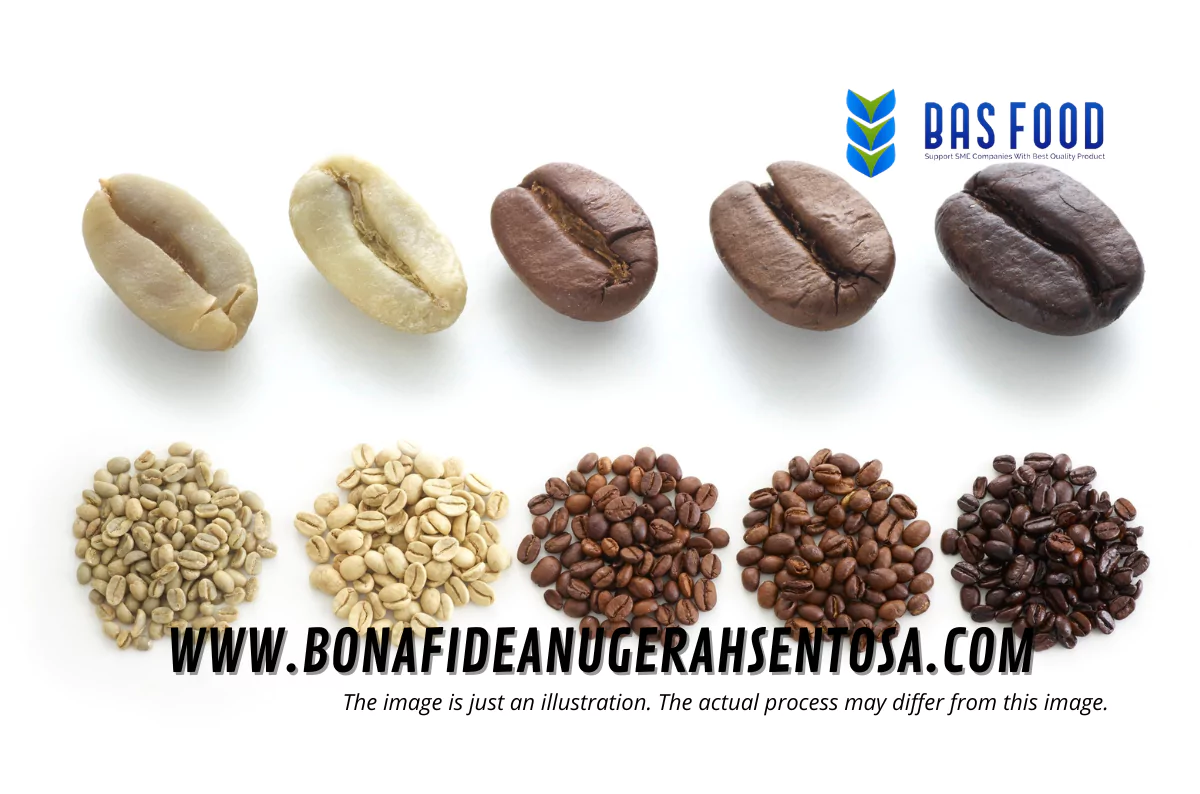
What Is Green Beans Robusta Coffee Grade?
Before we dive into the differences between ELB, EK1, and AP, it helps to understand what grading means in the first place. Coffee grading is a classification system used to sort green beans by physical characteristics—things like bean size, shape, moisture content, and the number of defects. The grading also gives an idea of how consistent a batch will be when roasted.
For Robusta coffee, especially in Indonesia, grades are essential for determining pricing, suitability for certain products, and even export legality. The main goal is to ensure quality and traceability across the supply chain—from farmer to roaster to cup.
ELB: Extra Large Beans, Robust and Uniform
Let’s start with ELB, which stands for “Extra Large Beans.” This is often considered the top-tier grade for Indonesian Green Beans Robusta Coffee. ELB beans are large, uniform in size, and usually have fewer defects compared to lower grades.
These beans typically pass through a screen size of 18 or above, which means they’re quite big. That’s important for roasters because uniform size leads to even roasting, better flavor development, and more predictable results. You’ll usually find ELB beans in premium blends or even in specialty instant coffee that demands visual and flavor consistency.
Characteristics of ELB Green Robusta Coffee:
- Screen size: 18 and above
- Very low defect count
- High uniformity
- Preferred by industrial roasters who demand consistency
The larger size and cleaner appearance of ELB make it a favorite among buyers looking for quality and value. It’s also a common choice for espresso blends where crema production and bitterness are essential.
EK1: A Balanced Choice for Commercial Brewing
Next, we have EK1, or “Ekspor Kualitas 1” (Export Quality 1). This grade is slightly lower than ELB but still offers solid quality for commercial use. EK1 beans typically range from screen size 16–17, with a moderate number of defects that still fall within export-acceptable limits.
These beans are widely used in instant coffee production, filter blends, and general food applications where taste and price need to be balanced. EK1 is a great middle-ground option: more affordable than ELB but still consistent enough to satisfy roasters who want uniformity in grind and roast.
Characteristics of EK1 Green Robusta Coffee:
- Screen size: 16–17
- Moderate defect count
- Suitable for high-volume brewing
- Popular among F&B manufacturers and large-scale roasters
If you’re developing a product that uses coffee extract, EK1 is often the go-to choice. It balances quality with availability and price, making it ideal for scaled-up operations.
AP: Affordable, Practical, and Still Useful
The AP grade stands for “Asalan Petik,” which roughly translates to “standard pick” or “mixed harvest.” It’s the lowest grade among the three and generally includes a mix of sizes and defect levels. AP beans may come from unselected harvests or batches that weren’t screened as thoroughly.
These beans are mainly used for very large-scale commercial applications where cost control is critical. Think coffee candies, bulk instant coffee powder, or beverages where coffee is not the dominant flavor. The lower quality also means roasters might need to adjust profiles or blend with higher-grade beans to balance taste and extraction.
Characteristics of AP Green Robusta Coffee:
- Mixed screen size (typically 14 and below)
- Higher defect count
- Lower price point
- Often used in commodity-grade products
While not suitable for specialty coffee, AP still has its place in the industry. For many manufacturers in need of caffeine content without a premium cost, this grade gets the job done.
How These Grades Affect Roasting and Flavor
The grade of Green Beans Robusta Coffee doesn’t just influence pricing—it also affects how the beans behave during roasting and what kind of flavor you can expect in the cup.
- ELB beans tend to roast more evenly and deliver a strong, bitter flavor with clean notes—great for espresso or robust cold brew.
- EK1 may require a little more attention in the roast but still offers consistent quality and a decent flavor profile that works well in blends.
- AP is unpredictable, often resulting in a more burnt or harsh flavor if not roasted carefully. It’s typically roasted dark to mask inconsistencies.
Understanding these differences helps roasters plan better and choose the right bean for the right application.
Export and Sourcing Considerations
Each grade also comes with its own set of export criteria, especially when shipping from Indonesia. Exporters and importers need to be familiar with the SNI (Indonesian National Standard) guidelines and destination country requirements.
- ELB and EK1 usually meet most international quality standards and can be certified or documented for traceability.
- AP grade may need extra documentation or blending to meet certain market regulations, particularly in Europe or Japan.
That’s why working with a reliable supplier is critical. They don’t just sell you coffee—they ensure compliance, consistency, and quality control from farm to port.
Meet CV Bonafide Anugerah Sentosa: Your Trusted Green Coffee Supplier
If you’re sourcing Green Beans Robusta Coffee Grade from Indonesia, it helps to work with someone who knows the land, the product, and the market. CV Bonafide Anugerah Sentosa is one of Indonesia’s experienced exporters, offering not just green coffee but also spices, fishery products, and coconut derivatives.
Based in Yogyakarta with operational hubs across the country, Bonafide Anugerah Sentosa handles everything from quality inspection to export documentation. Their Green Beans Robusta Coffee comes in ELB, EK1, and AP grades, carefully processed and sorted based on customer needs.
They also supply:
- Spices: Including cloves, nutmeg, and vanilla beans.
- Fishery products: Like skipjack tuna and octopus vulgaris for international markets.
- Coconut products: Including coconut water concentrate and coconut milk cream.
Whether you’re a roaster in Europe, a beverage company in the US, or a spice distributor in the Middle East, Bonafide Anugerah Sentosa ensures timely delivery, fair pricing, and solid quality control.
Conclusion: Choose the Right Grade for the Right Purpose
Green Beans Robusta Coffee grades—ELB, EK1, and AP—are more than just labels. They’re tools to help you choose the right product for your business. Whether you need extra-large beans for high-end roasting or affordable AP beans for bulk processing, knowing what each grade offers will help you buy smarter.
So the next time you source coffee from Indonesia, pay attention to these grades. And better yet, partner with an experienced exporter like CV Bonafide Anugerah Sentosa who can walk you through the process and deliver quality at scale. Contact CV Bonafide Anugerah Sentosa how we can provide the best solutions for you. WhatsApp: +62 8213 4505 737, Email: info@bonafideanugerahsentosa.com / bas.mdir@gmail.com.