
The global food industry continues to evolve as consumers demand healthier, natural, and versatile ingredients. Among these products, desiccated coconut has become one of the most popular ingredients in bakery, confectionery, dairy alternatives, and ready-to-eat foods. In particular, the Middle East has emerged as a rapidly growing market for coconut-based products. Countries such as Saudi Arabia, the United Arab Emirates, Qatar, Kuwait, and Oman are experiencing strong growth in the food manufacturing and hospitality sectors. This development increases the need for reliable suppliers capable of delivering consistent product quality. As a result, many importers are actively searching for a trusted desiccated coconut supplier Saudi Arabia to support their growing business needs.
At the same time, halal compliance plays a major role in the region. Buyers prefer working with a certified halal coconut supplier that understands Middle Eastern food regulations and market preferences. Therefore, suppliers from Indonesia have gained significant attention due to their production capabilities, export experience, and halal-certified manufacturing systems.
This article explores why Indonesia has become a preferred sourcing destination for the middle east coconut market and how businesses can choose the right export partner for long-term success.
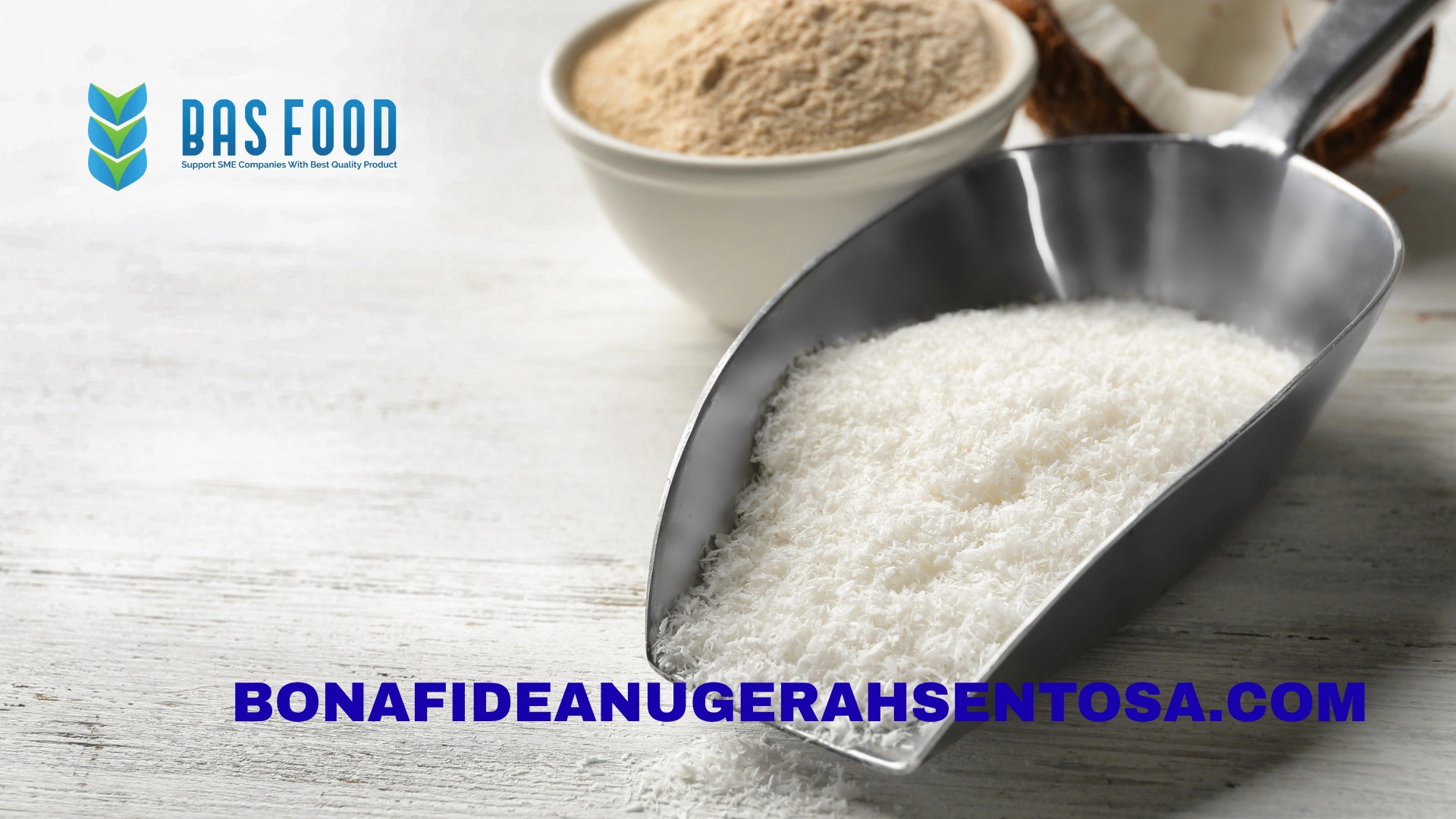
Understanding Desiccated Coconut and Its Growing Demand
What Is Desiccated Coconut?
Desiccated coconut is produced from fresh mature coconut meat that has been grated, dried, and processed under hygienic conditions. The final product contains low moisture levels, making it suitable for long storage and international shipping.
Depending on industrial needs, desiccated coconut is available in fine, medium, and coarse grades. It is widely used in cakes, cookies, chocolates, cereals, snack bars, desserts, and dairy-free products.
Its natural flavor, pleasant texture, and versatility make it one of the most important ingredients in the global food industry. In addition, consumers increasingly prefer products made with natural ingredients instead of artificial additives.
Why Demand Is Rising in Saudi Arabia and the Middle East
The food sector in Saudi Arabia and the wider Gulf region is growing rapidly. Population growth, urbanization, tourism, and expanding retail industries contribute to increasing food consumption.
At the same time, consumer lifestyles are changing. More people are purchasing ready-to-eat products, premium bakery items, and health-focused foods. This trend creates strong demand for coconut ingredients.
The hospitality industry also plays a major role. Hotels, restaurants, cafes, and catering businesses frequently use desiccated coconut in desserts and international cuisines. As a result, finding a reliable desiccated coconut supplier Saudi Arabia has become a priority for many importers and manufacturers.
Why Indonesia Is a Leading Supplier for the Middle East Coconut Market
Abundant Coconut Resources and Year-Round Production
Indonesia is one of the largest coconut-producing countries in the world. Its tropical climate allows continuous coconut harvesting throughout the year, ensuring stable raw material availability.
This consistent supply is a major advantage for international buyers. Food manufacturers in Saudi Arabia and the Gulf region require uninterrupted shipments to maintain production schedules.
Because of its strong agricultural base, Indonesia can provide large-scale export volumes while maintaining competitive pricing. This makes the country highly attractive for businesses seeking a dependable middle east coconut sourcing partner.
Strong Export Experience and Global Standards
Indonesian exporters have years of experience serving international markets. They understand global quality requirements, shipping procedures, and food safety standards.
Modern factories use advanced production equipment and follow strict hygiene systems such as HACCP and ISO standards. Many companies also hold halal certification, making them ideal partners as a trusted halal coconut supplier.
Furthermore, Indonesian suppliers are flexible in packaging, specifications, and private label services. This flexibility helps Middle Eastern buyers meet local market demands more effectively.
The Production Process Behind High-Quality Desiccated Coconut
Selecting Premium Mature Coconuts
The quality of desiccated coconut starts with raw material selection. Export-grade production requires mature coconuts with high oil content and fresh white meat.
After harvesting, coconuts are inspected carefully before entering production facilities. Damaged or low-quality coconuts are rejected immediately.
This strict selection process ensures consistent product quality and helps suppliers maintain international food safety standards.
Hygienic Processing and Drying Systems
Once approved, coconuts are dehusked and cracked open. Workers remove the shell and peel the brown skin from the coconut meat.
The clean white meat is then washed thoroughly before being grated into specific particle sizes. After grating, the coconut is dried using controlled hot-air systems to reduce moisture levels safely.
Modern drying technology helps maintain flavor, texture, and shelf life. This process is especially important for exporters serving the desiccated coconut supplier Saudi Arabia market because long shipping times require stable product quality.
Why Halal Certification Matters in the Middle East Market
Building Buyer Confidence Through Halal Compliance
Halal certification is one of the most important requirements for food imports into Saudi Arabia and many Middle Eastern countries.
Importers prefer working with a certified halal coconut supplier because it ensures the production process follows Islamic food standards. This includes ingredient sourcing, processing methods, hygiene practices, and packaging.
Halal certification also strengthens consumer trust. Products with recognized halal labels are easier to distribute through supermarkets, food service businesses, and retail chains in the region.
Supporting Market Expansion Opportunities
For exporters, halal compliance opens access to broader market opportunities across the Gulf Cooperation Council (GCC) region.
Many buyers consider halal certification a mandatory requirement before establishing partnerships. Therefore, suppliers that already meet these standards gain a significant competitive advantage.
Indonesian exporters are well-positioned because Indonesia has one of the largest halal certification ecosystems in the world. This makes the country a reliable source for the growing middle east coconut industry.
Packaging and Shipping Solutions for Saudi Arabia and Gulf Countries
Export Packaging for Product Protection
Packaging plays a critical role in maintaining desiccated coconut quality during international shipping. Since the product is sensitive to moisture, proper packaging is essential.
Most exporters use multi-layer food-grade bags with moisture barriers to protect the product during transportation and storage.
Packaging options may include:
- 10 kg industrial bags
- 25 kg bulk packaging
- Retail-ready packaging
- Private label packaging
Professional suppliers customize packaging according to buyer requirements and destination market regulations.
Managing International Shipping and Logistics
Efficient logistics are essential for export success. Most shipments to Saudi Arabia and Gulf countries are transported by sea freight using containerized shipping systems.
Experienced exporters coordinate with freight forwarders, customs agents, and shipping lines to ensure smooth delivery processes.
Reliable companies specializing in desiccated coconut supplier Saudi Arabia operations also provide complete export documentation, shipment tracking, and logistics support.
This level of service reduces delays and helps buyers maintain stable inventory levels.
Applications of Desiccated Coconut in Middle Eastern Industries
Bakery and Confectionery Industries
The bakery sector is one of the largest users of desiccated coconut in the Middle East. Bakeries use it in cakes, pastries, cookies, and premium desserts.
Confectionery manufacturers also rely on desiccated coconut for chocolate bars, sweets, and snack products.
Its natural flavor and texture make it highly attractive for premium food applications across Saudi Arabia and neighboring countries.
Health Food and Plant-Based Product Growth
The region is also experiencing increased interest in health-focused and plant-based foods. Consumers are becoming more aware of ingredient quality and nutritional value.
As a result, desiccated coconut is now used in granola, vegan snacks, dairy-free desserts, and healthy breakfast products.
This growing demand creates strong opportunities for exporters serving the expanding middle east coconut market.
Why CV Bonafide Anugerah Sentosa Is a Trusted Export Partner
Reliable Quality and Export Experience
CV Bonafide Anugerah Sentosa is a trusted Indonesian exporter specializing in coconut products, spices, coffee, and fishery products.
The company focuses on delivering consistent quality through strict sourcing and modern production systems. By working closely with local farmers and processing facilities, they ensure stable supply and reliable product standards.
Their experience serving international markets makes them a dependable desiccated coconut supplier Saudi Arabia for importers and distributors.
Complete Export and Halal Support
CV Bonafide Anugerah Sentosa also provides complete export support, including documentation, packaging, and logistics coordination.
As a professional halal coconut supplier, the company understands the importance of compliance for Middle Eastern buyers.
Their commitment to customer service, timely delivery, and product consistency helps businesses build strong and sustainable supply chains.
Future Trends in the Middle East Coconut Industry
Growing Demand for Premium Natural Ingredients
Consumers in Saudi Arabia and the Gulf region increasingly prefer premium and natural food ingredients.
This trend supports long-term growth for coconut-based products, especially in bakery, health food, and hospitality sectors.
Importers are expected to continue searching for reliable international suppliers capable of meeting high-quality standards.
Sustainability and Ethical Sourcing
Sustainability is also becoming more important in international trade. Buyers now prefer suppliers that support ethical farming and environmentally responsible production.
Indonesian exporters are responding by strengthening partnerships with local farmers and improving production transparency.
These efforts help suppliers remain competitive in the evolving middle east coconut market.
Conclusion: Building Long-Term Success in the Saudi Arabia and Middle East Market
The Middle East offers enormous opportunities for desiccated coconut exporters. Rapid growth in food manufacturing, hospitality, and health-focused industries continues to increase demand across the region.
However, success in this market requires more than competitive pricing. Buyers need reliable quality, halal compliance, stable supply, and efficient logistics support.
Indonesia has become a preferred sourcing destination due to its abundant coconut resources, export expertise, and strong halal certification systems.
By partnering with an experienced desiccated coconut supplier Saudi Arabia such as CV Bonafide Anugerah Sentosa, businesses can secure long-term growth and build stronger supply chains for the future.