
Europe is one of the most attractive destinations for coconut-based products. The region has a strong demand for bakery ingredients, confectionery raw materials, plant-based food components, and clean label products. Among these ingredients, desiccated coconut continues to gain popularity because of its versatility, natural flavor, and nutritional value. However, entering the European market is not simple. Buyers expect strict compliance with food safety regulations, sustainability standards, and traceability systems. For exporters, success depends not only on product quality but also on the ability to meet every regulatory requirement consistently. This article explores the key standards, certifications, and compliance requirements needed to become a successful desiccated coconut supplier Europe businesses can trust. We also explain important EU coconut import rules and what buyers expect from a professional european coconut supplier relationship.
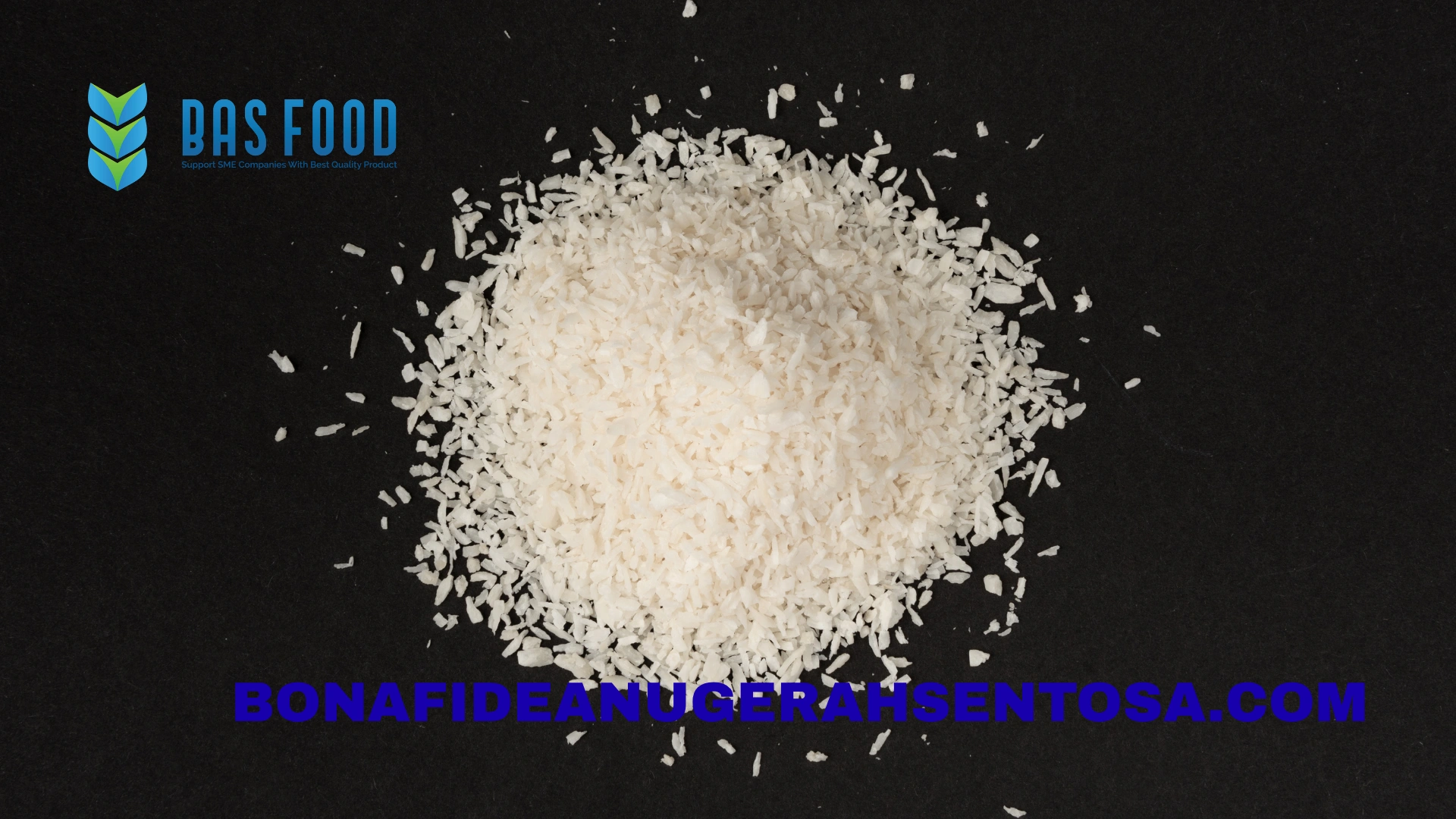
Why Europe Is a Strategic Market for Desiccated Coconut
Europe is one of the largest importers of coconut products in the world. Demand continues to rise due to growing interest in healthy foods, vegan products, and international cuisines.
Desiccated coconut is widely used in bakery items, snack bars, confectionery, breakfast cereals, desserts, and dairy alternatives. Its functionality and flavor make it suitable for many food categories.
In addition, European consumers are becoming more health-conscious. They prefer products with natural ingredients and clean labels. This trend increases demand for coconut-based ingredients across the food industry.
For exporters, this creates strong business opportunities. However, the European market also requires strict quality control and full compliance with food regulations.
This is why choosing the right desiccated coconut supplier Europe buyers can rely on is extremely important.
Understanding EU Food Safety Regulations
Food safety is the foundation of the European food industry. All imported food products must comply with strict European Union regulations before entering the market.
One of the most important frameworks is the General Food Law regulated by the European Food Safety Authority. This regulation ensures that imported food products are safe for human consumption.
Suppliers must implement strong hygiene systems during production and handling. Facilities should follow Good Manufacturing Practices (GMP) and Hazard Analysis Critical Control Point (HACCP) principles.
European authorities also monitor contaminants such as bacteria, pesticide residues, heavy metals, and aflatoxins. Desiccated coconut shipments that fail testing can be rejected or recalled.
For this reason, compliance with EU coconut import rules is essential for exporters targeting long-term success in Europe.
The Importance of HACCP and International Certifications
European buyers usually require internationally recognized certifications before establishing partnerships with suppliers.
HACCP certification is one of the most important requirements. It demonstrates that the supplier has implemented preventive food safety systems throughout the production process.
In addition, many buyers request ISO 22000 certification, which focuses on food safety management systems. Retail supply chains may also require BRCGS or IFS certifications.
Organic certification is another growing requirement. European consumers increasingly prefer organic products, especially in premium food categories.
Halal and Kosher certifications may also be necessary depending on the target market segment.
A professional european coconut supplier relationship depends heavily on trust, and certifications play a major role in building that trust.
Quality Standards for Desiccated Coconut Export
Consistency is critical in food manufacturing. European buyers expect desiccated coconut to meet strict specifications for every shipment.
Key quality parameters include:
- Moisture content
- Fat content
- Particle size
- Color and appearance
- Taste and aroma
- Microbiological safety
Moisture control is especially important because excess moisture can reduce shelf life and increase contamination risks.
Manufacturers also expect consistent texture and flavor. Variations can affect final product quality in bakery and confectionery applications.
Reliable suppliers use strict quality control systems to ensure consistency across all production batches.
This level of consistency helps position a company as a trusted desiccated coconut supplier Europe importers prefer working with.
Traceability and Transparency in the European Market
Traceability has become a major requirement in global food supply chains. European buyers want to know where products come from and how they are processed.
Suppliers must maintain detailed records throughout the supply chain. This includes sourcing information, processing details, storage conditions, and shipping documentation.
Transparency also involves open communication with buyers. Suppliers should provide clear updates about production schedules, lead times, and potential challenges.
In addition, buyers may request certificates of analysis for every shipment. These documents confirm that the product meets safety and quality standards.
Strong traceability systems help exporters comply with EU coconut import rules while building long-term customer confidence.
Packaging and Labeling Requirements
Packaging plays an important role in protecting desiccated coconut during international transportation. European buyers expect packaging that maintains product freshness and prevents contamination.
Food-grade packaging materials are essential. Multi-layer bags with inner liners are commonly used to protect against moisture and external contamination.
Labeling requirements must also follow European regulations. Labels typically include:
- Product name
- Net weight
- Country of origin
- Production date
- Expiration date
- Batch number
- Storage instructions
Incorrect labeling can create customs delays or compliance issues.
Professional exporters understand that packaging and labeling are not just technical requirements. They are part of creating a reliable european coconut supplier reputation.
Sustainability and Ethical Sourcing Expectations
Sustainability is becoming increasingly important in Europe. Buyers and consumers want products that are ethically sourced and environmentally responsible.
Desiccated coconut production can support sustainability because coconuts are renewable agricultural resources. In addition, coconut processing allows efficient use of raw materials.
European companies often look for suppliers that support fair labor practices and responsible farming methods.
Some buyers may request sustainability certifications or social compliance audits. These certifications demonstrate commitment to ethical business practices.
A sustainable supply chain strengthens a company’s position as a preferred desiccated coconut supplier Europe businesses trust for long-term cooperation.
Logistics and Shipping Considerations
Export logistics are a major part of international trade success. Even high-quality products can face problems if shipping conditions are not properly managed.
Desiccated coconut must be protected from moisture, odors, and contamination during transit. Proper container preparation is essential.
Suppliers also need reliable freight partners and efficient documentation systems. Delays in customs clearance can affect delivery schedules and customer operations.
Lead time consistency is especially important for European food manufacturers. Production schedules depend on reliable ingredient supply.
A professional exporter understands that logistics performance directly impacts customer satisfaction and business reputation.
This is why experienced suppliers often become long-term partners in the european coconut supplier network.
Indonesia as a Leading Supplier of Desiccated Coconut
Indonesia is one of the largest coconut-producing countries in the world. Its tropical climate supports year-round coconut cultivation, creating a stable raw material supply.
Indonesian desiccated coconut is known for its quality, flavor, and competitive pricing. The country has extensive experience serving international markets.
Many Indonesian exporters have invested in modern processing facilities and international certifications to meet global standards.
CV Bonafide Anugerah Sentosa is a trusted exporter that supplies high-quality desiccated coconut and other coconut-derived products for global markets.
As a professional desiccated coconut supplier Europe buyers can depend on, the company focuses on consistency, compliance, and long-term business relationships.
Challenges Exporters Must Prepare For
Although the European market offers strong opportunities, exporters also face significant challenges.
Regulations can change frequently. Suppliers must stay updated with the latest food safety and import requirements.
Testing and certification costs may also increase operational expenses. However, these investments are necessary for market access.
Competition is another challenge. European buyers have many sourcing options from different countries.
To remain competitive, exporters must focus on quality, transparency, and customer service rather than competing only on price.
Businesses that adapt to these challenges successfully can build long-term growth opportunities under strict EU coconut import rules.
Future Trends in the European Coconut Market
The future of coconut products in Europe looks very promising. Demand for plant-based and clean label products continues to increase.
Consumers are also paying more attention to sustainability and ethical sourcing. This trend will influence purchasing decisions even more in the coming years.
Innovation in bakery, snacks, and dairy alternatives will continue driving demand for desiccated coconut.
At the same time, digital traceability and supply chain transparency will become more important.
Suppliers that invest in compliance, sustainability, and technology will strengthen their position in the evolving desiccated coconut supplier Europe market.
Conclusion: Compliance Builds Long-Term Market Success
Exporting desiccated coconut to Europe requires more than a high-quality product. It requires full compliance with regulations, consistent quality control, reliable logistics, and transparent business practices.
Companies that understand EU coconut import rules and maintain strong food safety systems can build long-term trust with buyers.
A reliable european coconut supplier relationship supports stable supply chains, protects product quality, and creates long-term business opportunities.
By partnering with experienced exporters like CV Bonafide Anugerah Sentosa, international buyers can secure dependable sourcing solutions and confidently serve the growing European market.