
Sustainable agriculture is on the rise, and so is the demand for eco-friendly growing mediums. High-quality coco peat blocks are becoming the go-to solution for farmers, gardeners, and commercial growers looking for an organic and sustainable alternative to traditional soil amendments. However, sourcing premium coco peat can be challenging due to inconsistent quality, impurities, and unreliable suppliers. This guide will help you navigate the complexities of sourcing the best coco peat blocks available in the market.
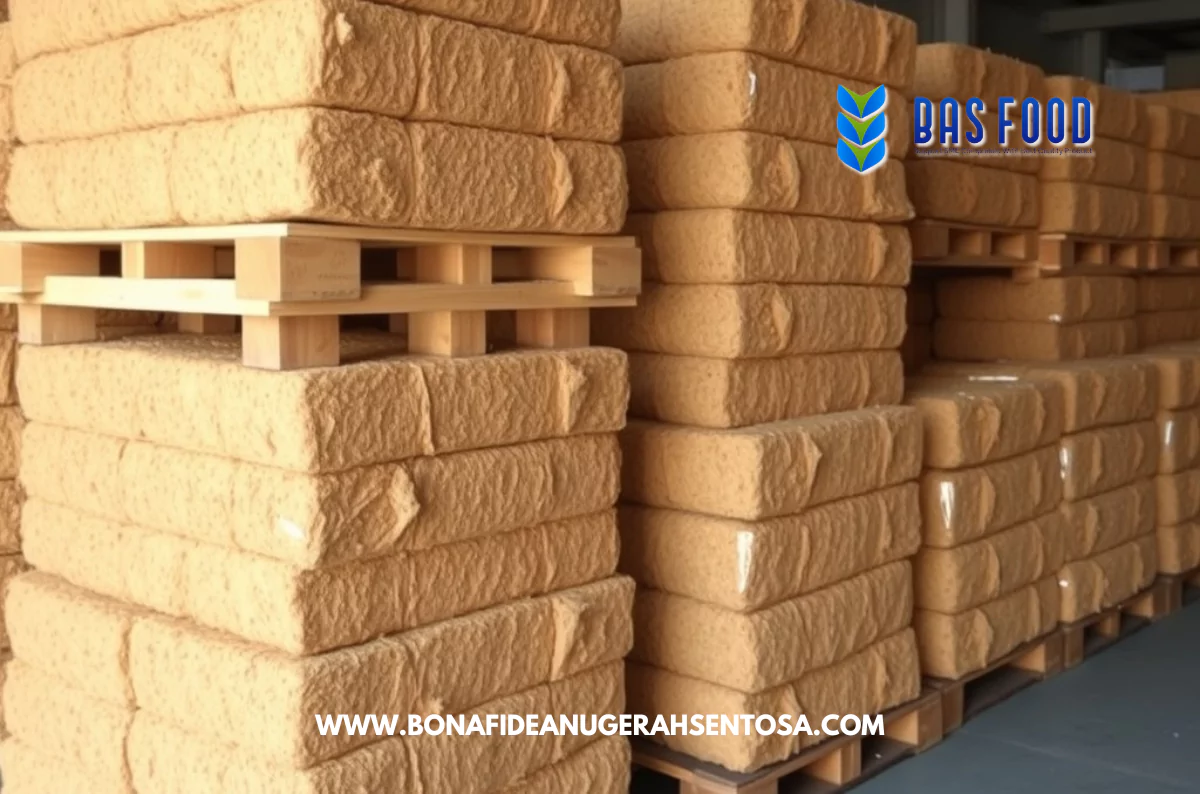
What Are Coco Peat Blocks?
Coco peat, also known as coir pith, is a byproduct of coconut husk processing. It is widely used as a soil conditioner and hydroponic medium due to its superior water retention, aeration, and biodegradability. Compressed into blocks, coco peat expands significantly when hydrated, making it an efficient choice for large-scale agricultural use.
Benefits of Using High-Quality Coco Peat Blocks
- Water Retention & Aeration: Coco peat holds up to 10 times its weight in water while maintaining proper aeration, ensuring optimal root growth.
- pH Neutrality & Disease Resistance: High-quality coco peat has a neutral pH (5.5-6.5) and is naturally resistant to pests, fungi, and harmful pathogens.
- Eco-Friendly & Sustainable: Derived from coconut waste, it is 100% renewable and biodegradable, reducing environmental impact.
How to Identify High-Quality Coco Peat Blocks
- Color & Texture: High-quality coco peat is light brown to reddish-brown, with a fine, uniform texture and minimal fiber content.
- Low Electrical Conductivity (EC): Ideally, EC levels should be below 0.5 mS/cm for agricultural use. High EC levels indicate excessive salts that can harm plant roots.
- Minimal Impurities: Look for blocks with low sand content and no foreign particles to ensure superior growing conditions.
Different Grades of Coco Peat and Their Applications
- Low EC vs. High EC Coco Peat: Low EC coco peat is ideal for hydroponics and seed germination, while high EC is suitable for ornamental plants.
- Coco Peat Blocks vs. Briquettes: Blocks are preferred for large-scale use, while briquettes are compact and convenient for small gardens.
- Specialty Mixes: Some coco peat is blended with perlite or vermiculite for enhanced aeration and drainage.
Key Factors to Consider When Sourcing Coco Peat Blocks
- Raw Material Origin: Countries like Sri Lanka, India, and the Philippines produce the highest quality coco peat.
- Manufacturing Process: Ensure the peat is properly washed, dried, and compressed under strict quality control.
- Certifications: Look for certifications like OMRI (Organic Materials Review Institute) and ISO 9001 for quality assurance.
Reliable Suppliers and How to Vet Them
- Local vs. International Suppliers: Buying locally ensures faster delivery, while international suppliers offer bulk discounts.
- Supplier Reputation: Check reviews, request samples, and verify third-party certifications before purchasing.
- Pricing & Logistics: Consider shipping costs, minimum order quantities, and lead times.
Notable Exporter: CV Bonafide Anugerah Sentosa: One of the leading exporters of coco peat from Indonesia, CV Bonafide Anugerah Sentosa is known for its high-quality coco peat blocks that meet international standards. Their products are widely used in agriculture and horticulture worldwide, ensuring sustainable and reliable supply chains.
Common Challenges in Sourcing Coco Peat Blocks
- Quality Variability: Inconsistent processing can lead to variations in texture and purity.
- Supply Chain Issues: Seasonal availability and export regulations can affect delivery timelines.
- Hidden Costs: Import duties, storage, and rehydration expenses should be factored into the total cost.
How to Store and Use Coco Peat Blocks Effectively
- Storage Tips: Store in a cool, dry place away from direct sunlight to prevent moisture loss.
- Rehydration Techniques: Soak the blocks in clean water for 20-30 minutes until fully expanded.
- Mixing Ratios: Blend with perlite or compost depending on plant needs.
Future Trends in the Coco Peat Industry
- Innovations in Processing: Advanced washing techniques are improving quality consistency.
- Organic Certification Demand: More buyers are opting for organically certified coco peat.
- Regenerative Agriculture: Coco peat is playing a crucial role in sustainable farming practices.
Conclusion
High-quality coco peat blocks are revolutionizing sustainable agriculture by offering a renewable, nutrient-friendly growing medium. To ensure the best results, sourcing from reputable suppliers and verifying quality standards are crucial steps. Whether you’re a home gardener or a commercial grower, investing in premium coco peat can significantly enhance plant health and yield. Share your experience with coco peat or explore more insights by engaging with our community!