
The global food industry is changing rapidly. Consumers are becoming more conscious about what goes into their food, and brands are responding by reformulating products with simpler, more recognizable ingredients. This shift has increased demand for natural sweeteners that can support clean-label product development while maintaining excellent taste and functionality. Among the many sweetening options available today, coconut nectar has emerged as a promising ingredient for manufacturers around the world. Derived from the sap of coconut flower blossoms, this natural syrup offers a unique combination of flavor, versatility, and market appeal. As a result, more companies are exploring coconut nectar for food manufacturing as an alternative ingredient for a wide range of products.
For food producers, the decision to select a sweetener is no longer based solely on sweetness. Manufacturers now consider sourcing reliability, processing compatibility, sustainability, consumer perception, and product positioning. Coconut nectar meets many of these requirements, making it an attractive option for both established brands and innovative startups.
In this guide, we will explore how coconut nectar is produced, why it is becoming popular in industrial food applications, and what buyers should look for when selecting an ingredient supplier for global sourcing.
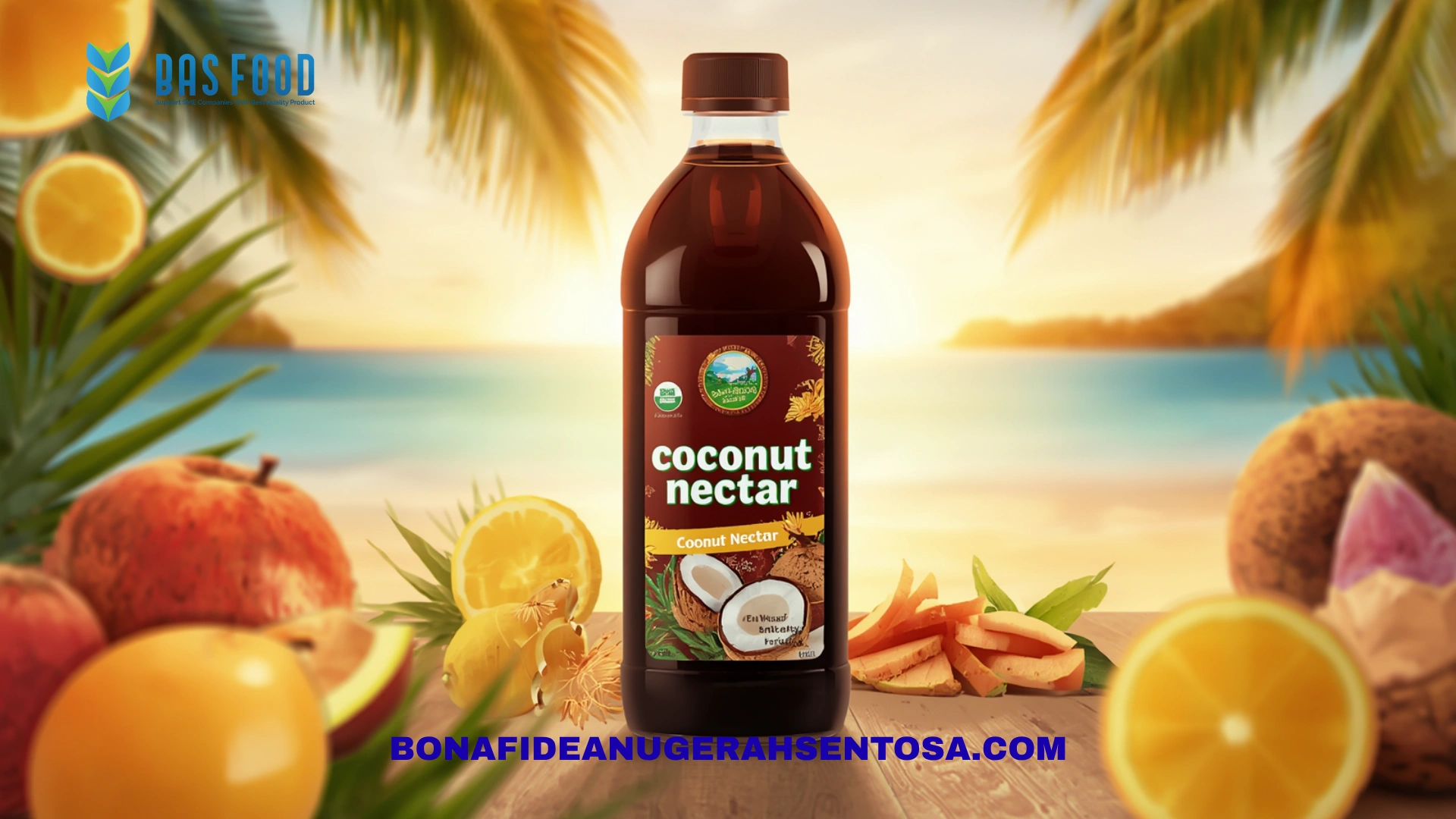
What Is Coconut Nectar?
Coconut nectar is a liquid sweetener produced from the sap collected from coconut flower blossoms.
Before coconut flowers develop into mature coconuts, they produce a naturally sweet sap. Skilled farmers carefully tap the flower stalks and collect this sap, which is then transported to processing facilities.
The fresh sap undergoes filtration and controlled heating to reduce moisture content. Unlike highly refined sweeteners, coconut nectar is produced using relatively simple processing methods that help preserve its natural characteristics.
The final product is a smooth, golden-to-dark amber syrup with a pleasant sweetness and mild caramel notes. This unique flavor profile makes coconut nectar suitable for a wide range of food and beverage formulations.
Today, coconut nectar is used in bakery products, beverages, sauces, confectionery, dairy alternatives, nutritional products, and many other food categories.
Why Food Manufacturers Are Choosing Coconut Nectar
Food manufacturers face increasing pressure to meet evolving consumer expectations.
Consumers want products made with ingredients they recognize and understand. Consequently, brands are actively replacing highly processed ingredients with more natural alternatives whenever possible.
This trend has created significant opportunities for coconut nectar.
Clean Label Appeal
One of the primary reasons manufacturers choose coconut nectar is its clean-label potential.
Consumers often appreciate ingredients that come from natural agricultural sources and undergo minimal processing.
Product Differentiation
In highly competitive markets, ingredient selection can help brands stand out.
Using coconut nectar allows companies to create unique product stories and highlight natural sourcing practices.
Versatile Functionality
Manufacturers value ingredients that perform well across multiple product categories.
Coconut nectar can function as both a sweetener and flavor enhancer, making it useful in various formulations.
Understanding Coconut Nectar for Food Manufacturing
When discussing coconut nectar for food manufacturing, functionality is just as important as flavor.
Food manufacturers must ensure ingredients integrate smoothly into production systems and deliver consistent results.
Fortunately, coconut nectar offers several functional advantages.
Liquid Form Benefits
Its liquid consistency allows easy blending into formulations.
This can simplify processing in many food and beverage applications.
Flavor Enhancement
Coconut nectar contributes mild caramel-like notes that can complement product flavor profiles.
Manufacturers often use it to create richer taste experiences without overwhelming other ingredients.
Formulation Flexibility
Because coconut nectar works across multiple product categories, manufacturers can incorporate it into diverse product portfolios.
This flexibility supports product innovation and market expansion.
Applications of Coconut Nectar in the Food Industry
One of the reasons coconut nectar continues gaining popularity is its versatility.
Manufacturers use coconut nectar across a broad range of food and beverage applications.
Beverage Production
The beverage industry represents one of the largest opportunities for coconut nectar.
Common applications include:
- Coffee beverages
- Tea products
- Smoothies
- Functional drinks
- Plant-based beverages
- Specialty beverages
Its liquid format makes formulation straightforward and efficient.
Bakery Products
Coconut nectar performs exceptionally well in bakery applications.
Manufacturers use it in:
- Cakes
- Cookies
- Muffins
- Pastries
- Dessert fillings
Its natural sweetness and rich flavor help enhance finished products.
Sauces and Condiments
The syrup consistency makes coconut nectar suitable for:
- Marinades
- Sauces
- Dressings
- Dipping sauces
- Gourmet condiments
- Snack Foods
Snack manufacturers increasingly incorporate coconut nectar into:
- Granola
- Energy bars
- Protein bars
- Healthy snack products
These applications continue expanding as consumer demand for natural ingredients grows.
The Importance of Ingredient Consistency
Consistency is one of the most important considerations in food manufacturing.
Even small ingredient variations can affect product quality, production efficiency, and customer satisfaction.
For this reason, manufacturers evaluate suppliers carefully before establishing long-term sourcing relationships.
Reliable coconut nectar producers implement quality control measures throughout the production process.
These measures often include:
Raw Material Monitoring
Fresh coconut sap quality directly affects final product performance.
Process Control
Temperature and processing conditions must remain consistent.
Product Testing
Routine testing helps verify quality specifications.
Batch Consistency
Manufacturers require predictable performance across production runs.
Strong quality management systems help ensure these expectations are met.
Why Choosing the Right Ingredient Supplier Matters
Selecting the right ingredient supplier can significantly impact business success.
Price is important, but it should not be the only factor considered.
Experienced suppliers provide much more than raw materials.
Reliable Supply
Food manufacturers need dependable sourcing partners that can support long-term production schedules.
Quality Assurance
Strong suppliers maintain consistent quality standards and documentation.
Technical Support
Experienced suppliers understand product applications and can help buyers select suitable specifications.
Export Expertise
International buyers benefit from suppliers that understand global shipping requirements and regulatory expectations.
A trusted ingredient supplier becomes a valuable partner rather than simply a product vendor.
Sustainability and Consumer Expectations
Sustainability has become a major purchasing factor across global markets.
Consumers increasingly want products that support responsible agricultural practices and sustainable supply chains.
Coconut nectar aligns well with these expectations.
The sap is harvested from coconut flower blossoms without cutting down trees. This allows coconut trees to continue producing fruit and sap for many years.
Additionally, coconut nectar production supports farming communities throughout tropical regions.
Many brands use sustainable ingredient sourcing as part of their marketing and corporate responsibility strategies.
As sustainability continues influencing consumer decisions, coconut nectar is likely to remain an attractive ingredient option.
Export Requirements for Industrial Buyers
International buyers often require suppliers to meet strict quality and food safety standards.
Export-oriented coconut nectar manufacturers typically implement systems designed to support international trade.
Common requirements may include:
- Food safety programs
- Product traceability
- Quality documentation
- Laboratory testing
- Consistent specifications
- Proper packaging
These practices help ensure products arrive in excellent condition and comply with customer requirements.
Manufacturers sourcing ingredients internationally should prioritize suppliers with strong export experience.
Why Indonesia Is a Leading Source of Coconut Nectar
Indonesia is one of the world’s largest coconut-producing countries.
Its tropical climate provides ideal growing conditions for coconut trees throughout the year.
Millions of coconut trees support a large network of farmers, processors, and exporters dedicated to producing high-quality coconut-based products.
Indonesian producers combine traditional harvesting knowledge with modern production techniques to serve international markets.
In addition, Indonesia offers reliable raw material availability, competitive production costs, and extensive export experience.
These advantages have made Indonesia one of the preferred sourcing destinations for coconut nectar and other coconut-derived ingredients.
Partner with a Trusted Indonesian Coconut Nectar Supplier
For food manufacturers seeking premium coconut nectar, selecting a reliable sourcing partner is essential.
CV Bonafide Anugerah Sentosa is a trusted Indonesian exporter supplying high-quality coconut nectar and a wide range of coconut-based products for global markets. The company works closely with farmers and processing facilities to ensure consistent quality, dependable supply, and export-ready products.
In addition to coconut nectar, CV Bonafide Anugerah Sentosa supplies coconut sugar, organic coconut sugar, virgin coconut oil, coconut milk products, spices, coffee products, and fishery products.
With extensive sourcing networks and export expertise, the company helps buyers access premium Indonesian ingredients that support successful product development and international growth.
Conclusion
The demand for natural ingredients continues to reshape the global food industry, creating exciting opportunities for innovative sweeteners like coconut nectar.
As manufacturers seek clean-label solutions, coconut nectar for food manufacturing has emerged as a versatile ingredient capable of supporting a wide range of applications. Its natural origin, pleasant flavor profile, formulation flexibility, and sustainability advantages make it increasingly attractive to food producers worldwide.
By partnering with an experienced ingredient supplier, manufacturers can secure reliable access to high-quality coconut nectar while supporting long-term product innovation and business growth.
For companies looking to stay ahead of evolving market trends, coconut nectar represents a valuable ingredient that combines functionality, consumer appeal, and global market potential.