
Palm sugar has become one of the world’s most popular natural sweeteners, thanks to its rich caramel flavor, versatile applications, and traditional production process. It is widely used in bakery products, beverages, confectionery, sauces, dairy products, and health-focused food formulations. However, one technical factor often determines whether palm sugar performs well during storage, transportation, and manufacturing: palm sugar moisture content.
For many buyers, moisture content may seem like a minor specification. In reality, it is one of the most important quality indicators in the international palm sugar trade. Proper moisture levels affect shelf life, product stability, texture, flowability, food safety, packaging performance, and overall customer satisfaction.
Whether you are sourcing palm sugar for retail packaging or industrial food production, understanding palm sugar moisture content helps you make informed purchasing decisions. It also allows you to evaluate suppliers more effectively and reduce the risks associated with long-distance shipping.
In this comprehensive guide, we explain why moisture level palm sugar is so important, how it influences export standards, its connection to food safety, and why every importer should understand common palm sugar specifications before placing an order.
What Is Palm Sugar Moisture Content?
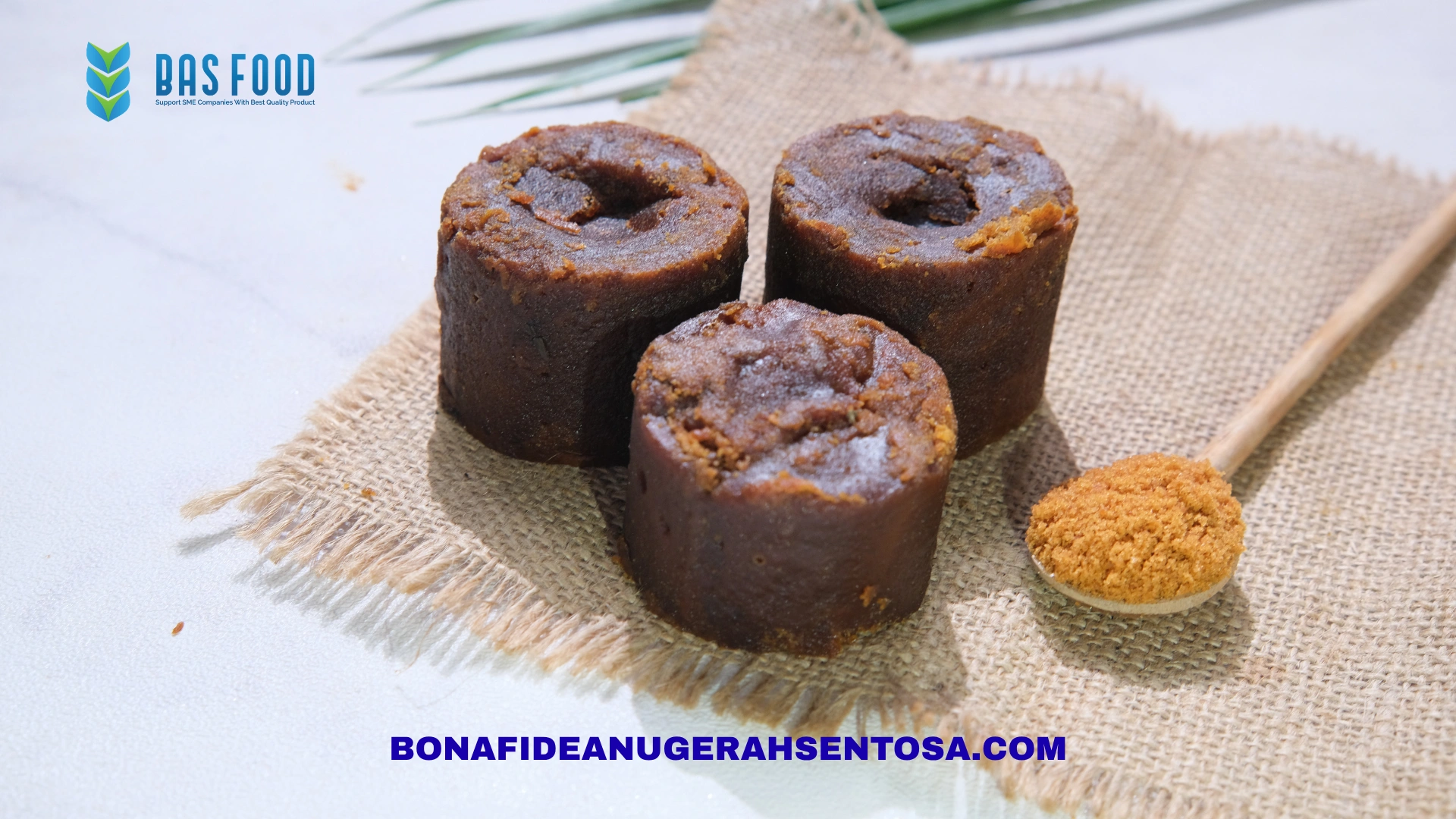
Simply put, palm sugar moisture content refers to the amount of water that remains in the finished palm sugar after the production process is complete.
Although palm sugar is produced by evaporating water from fresh palm sap, a small amount of moisture naturally remains in the final product. This remaining moisture is carefully controlled because it directly affects product quality and storage performance.
Manufacturers continuously monitor moisture during production to achieve the desired balance. Too much moisture can shorten shelf life and increase the risk of clumping, while too little moisture may affect texture and processing characteristics.
For international buyers, moisture content is one of the most important values listed in product specifications because it provides insight into manufacturing quality and long-term product stability.
Why Moisture Content Is Critical for Palm Sugar Quality
Moisture influences nearly every aspect of palm sugar performance.
A well-controlled moisture level palm sugar contributes to better storage stability, easier transportation, improved manufacturing performance, and greater customer satisfaction.
When moisture is properly controlled, palm sugar remains free-flowing, maintains its texture, and resists unnecessary clumping during storage.
Consistent moisture also helps preserve the product’s natural caramel aroma and attractive brown color throughout its shelf life.
Professional exporters understand that moisture control is not simply a laboratory measurement. It is a quality assurance process that begins during production and continues through packaging and shipping.
How Moisture Affects Shelf Life
One of the biggest reasons buyers pay attention to palm sugar moisture content is its direct relationship with shelf life.
Products with excessive moisture absorb humidity more easily, especially during ocean freight or storage in tropical climates.
As moisture increases, palm sugar becomes more likely to develop hard lumps or sticky textures that make processing more difficult.
Higher moisture may also create conditions that encourage microbial growth if storage conditions are poor.
On the other hand, palm sugar with properly controlled moisture remains stable for extended periods when stored in suitable conditions.
For importers managing inventory across multiple warehouses, longer shelf life means greater flexibility and reduced product waste.
Palm Sugar Moisture Content and Food Safety
Maintaining appropriate palm sugar moisture content is an important part of ensuring food safety.
Although palm sugar naturally contains a high concentration of sugar that limits microbial growth, excessive moisture can still increase quality risks during storage.
Professional manufacturers monitor moisture throughout production while maintaining hygienic processing environments.
Quality-oriented exporters often implement food safety management systems that include:
- Raw material inspection
- Hygienic production
- Controlled cooking temperatures
- Moisture monitoring
- Product testing
- Clean packaging procedures
These quality systems help ensure that exported palm sugar consistently meets customer expectations and regulatory requirements.
For importers, choosing suppliers that prioritize food safety reduces the risk of receiving inconsistent or compromised products.
Export Standards for Palm Sugar Moisture Content
International buyers frequently request specific export standards when purchasing palm sugar.
Although exact specifications vary depending on customer requirements and destination markets, moisture content is almost always included in technical documentation.
Professional exporters prepare detailed product specifications that may include:
- Moisture content
- Color
- Particle size
- Appearance
- Aroma
- Packaging
- Shelf life
- Storage recommendations
Providing clear specifications allows both buyers and suppliers to establish common quality expectations before production begins.
Many exporters also perform laboratory testing to verify that products comply with agreed specifications before shipment.
This documentation helps build confidence between trading partners and supports smooth international transactions.
Palm Sugar Specifications Every Buyer Should Understand
Beyond sweetness and flavor, professional buyers evaluate complete palm sugar specifications before making purchasing decisions.
Moisture Content
One of the first specifications reviewed is moisture content because it affects storage, transportation, and manufacturing.
Color Consistency
Uniform brown color indicates stable production methods and careful temperature control.
Consistent appearance is especially important for premium consumer products.
Aroma
High-quality palm sugar should have a pleasant natural caramel aroma.
Burnt or sour odors may indicate production or storage problems.
Particle Size
Powdered palm sugar should have uniform particle distribution to improve mixing and manufacturing efficiency.
Packaging
Export packaging should provide strong protection against moisture during transportation.
Moisture-resistant packaging materials play an essential role in maintaining product quality throughout the supply chain.
How Manufacturers Control Moisture During Production
Producing high-quality palm sugar requires careful moisture management from start to finish.
The process begins with fresh palm sap collected from healthy trees.
After filtration, the sap is heated gradually to evaporate water under controlled temperatures.
Manufacturers monitor cooking time closely because undercooking leaves excessive moisture, while overcooking may affect color and flavor.
Following crystallization, palm sugar is cooled and dried under controlled conditions before packaging.
Many professional exporters also perform laboratory testing before shipment to verify moisture specifications.
These quality control measures help ensure consistent product performance across every production batch.
Packaging Plays a Major Role in Moisture Control
Even perfectly produced palm sugar can absorb moisture if packaging is inadequate.
That is why professional exporters invest in high-quality moisture-resistant packaging materials.
Packaging serves several important purposes:
- Protects against humidity
- Prevents contamination
- Maintains product texture
- Preserves aroma
- Supports longer shelf life
For international shipments, strong packaging becomes even more important because products may spend weeks inside shipping containers traveling through different climates.
Bulk packaging options are often customized based on customer requirements and transportation methods.
Reliable packaging helps maintain palm sugar moisture content from the production facility to the final destination.
Best Storage Practices to Maintain Moisture Levels
Proper storage helps preserve product quality after shipment arrives.
Palm sugar should always be stored in cool, dry warehouses away from direct sunlight and excessive humidity.
Products should remain sealed until needed to minimize exposure to environmental moisture.
Warehouse managers should also avoid placing palm sugar directly on concrete floors where condensation may occur.
Using pallets improves airflow while reducing moisture transfer from the floor.
Following First In, First Out (FIFO) inventory management also helps ensure products are distributed while still within their recommended shelf life.
These simple storage practices help maintain stable moisture level palm sugar throughout the distribution process.
How Importers Can Evaluate Supplier Quality
Professional sourcing involves much more than comparing prices.
Importers should ask suppliers detailed questions about production methods, moisture monitoring procedures, laboratory testing, and packaging systems.
Reliable exporters willingly provide:
- Product specifications
- Certificates of analysis
- Food safety documentation
- Production samples
- Storage recommendations
Buyers may also request independent laboratory verification when purchasing large volumes.
Working with experienced suppliers that consistently meet agreed specifications reduces sourcing risks and improves long-term business relationships.
Common Mistakes That Affect Palm Sugar Moisture Content
Even premium palm sugar can lose quality if handled improperly.
One common mistake is exposing products to humid warehouse conditions after opening the packaging.
Another issue occurs when damaged packaging allows moisture to enter during transportation.
Some buyers also overlook warehouse temperature control, increasing the likelihood of moisture absorption.
Ignoring storage recommendations can reduce product quality even when the original manufacturing process met excellent standards.
Understanding these risks helps businesses protect product quality throughout the supply chain.
Frequently Asked Questions
What is palm sugar moisture content?
Palm sugar moisture content refers to the amount of water remaining in the finished product after production.
Why is moisture important?
Moisture affects shelf life, product stability, texture, storage performance, and food safety.
How does moisture affect food safety?
Proper moisture control reduces the risk of quality deterioration and supports safe long-term storage when combined with hygienic production practices.
Why do importers request moisture specifications?
Moisture content helps buyers evaluate product consistency, storage stability, and export quality before purchasing.
How should palm sugar be stored?
Store palm sugar in a cool, dry place inside sealed, moisture-resistant packaging away from humidity and direct sunlight.
Conclusion
Understanding palm sugar moisture content is essential for every importer, distributor, and food manufacturer. While it may seem like a technical specification, moisture influences nearly every aspect of product quality, including shelf life, texture, packaging performance, and manufacturing efficiency.
By paying close attention to moisture level palm sugar, evaluating complete palm sugar specifications, understanding international export standards, and working with suppliers committed to food safety, buyers can reduce sourcing risks and maintain consistent product quality.
A professional exporter does more than produce palm sugar. They carefully manage moisture throughout production, packaging, storage, and shipping to ensure every shipment arrives in excellent condition. For businesses serving today’s global food industry, choosing a supplier with strong quality control systems is one of the best investments for long-term success.