
The global demand for natural sweeteners continues to grow as consumers seek cleaner labels, natural ingredients, and sustainable food choices. Among the many alternatives to refined sugar, coconut nectar has become one of the most attractive options for food manufacturers, beverage producers, organic brands, and health-conscious consumers. However, as demand increases, buyers are becoming more selective about quality. Importers and manufacturers no longer focus solely on price. Instead, they evaluate consistency, traceability, production methods, and compliance with international requirements. This shift has made coconut nectar quality standards a critical factor in global sourcing decisions.
Whether you are purchasing coconut nectar for beverage production, bakery applications, nutritional products, or retail distribution, understanding quality standards can help you make better sourcing decisions. More importantly, it helps ensure that the product meets customer expectations while complying with international regulations.
In this guide, we will explore the key factors that define quality coconut nectar, the role of food safety certifications, and how exporters maintain export quality standards for international markets.
What Is Coconut Nectar and Why Is Quality Important?
Coconut nectar is a natural liquid sweetener produced from the sap of coconut flower blossoms. Skilled farmers carefully collect the sap from coconut trees before the blossoms develop into mature coconuts.
Once collected, the sap is filtered and gently heated to remove excess moisture. This process creates a thick golden syrup known as coconut nectar. Because the product undergoes minimal processing, maintaining quality throughout the supply chain is essential.
Quality directly affects flavor, color, consistency, shelf life, and customer satisfaction. Even small variations in production can influence the final product.
For example, improperly handled sap may ferment before processing. Inconsistent heating can alter flavor and color. Poor storage conditions may affect stability and product appearance.
For these reasons, serious buyers pay close attention to coconut nectar quality standards when selecting suppliers.
The Foundation of Coconut Nectar Quality Starts on the Farm
Many people assume quality begins in the factory. In reality, quality starts much earlier, at the farm level.
The coconut trees used for nectar production play a major role in determining product quality. Healthy trees produce better sap, while proper farming practices contribute to consistency and sustainability.
Farmers must carefully manage the tapping process. The sap should be collected frequently and handled hygienically to prevent contamination or unwanted fermentation.
Timing is also important. Fresh sap begins changing naturally soon after collection. Therefore, reputable producers transport sap to processing facilities as quickly as possible.
This attention to detail helps maintain the natural characteristics of the sap and supports overall product quality.
Strong supplier relationships with experienced farmers often contribute significantly to long-term quality consistency.
Key Coconut Nectar Quality Standards Buyers Should Know
When evaluating suppliers, buyers should understand the main factors used to assess coconut nectar quality standards.
Appearance
High-quality coconut nectar should have a clean and consistent appearance.
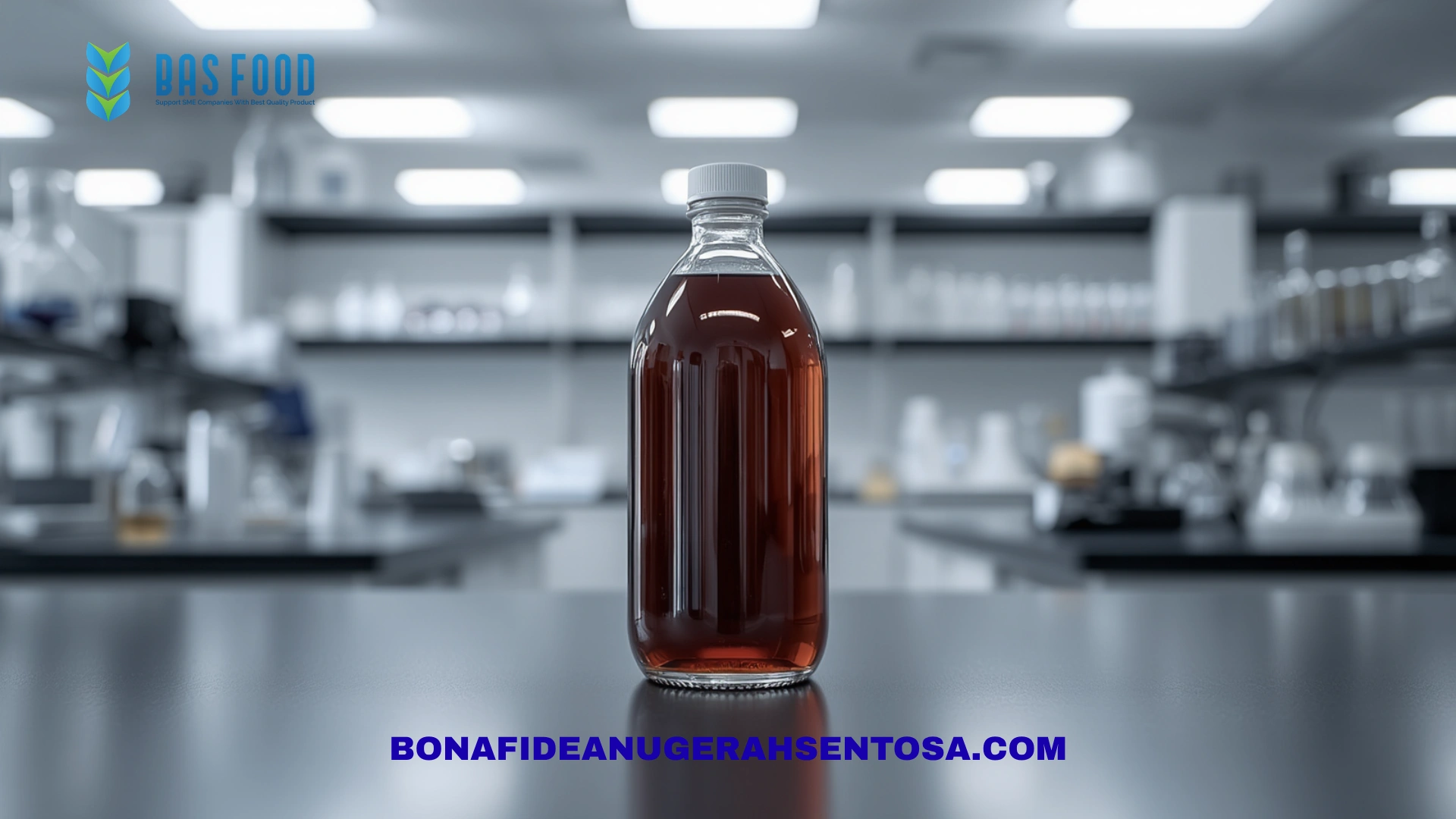
The color may vary from golden amber to dark brown depending on processing methods and concentration levels. However, consistency from batch to batch remains important.
Excessive sediment, cloudiness, or unusual discoloration may indicate quality issues.
Flavor and Aroma
Premium coconut nectar typically offers a pleasant sweetness with mild caramel-like notes.
The aroma should be clean and natural without sour, fermented, or burnt characteristics.
Flavor consistency is especially important for food manufacturers that rely on standardized formulations.
Viscosity
Viscosity refers to the thickness of the syrup.
Reliable suppliers monitor viscosity carefully because it affects processing performance and product applications.
Consistency in viscosity helps manufacturers achieve predictable production results.
Moisture Content
Proper moisture control is essential for product stability and shelf life.
Excess moisture may increase the risk of spoilage or quality degradation during storage and transportation.
Food Safety Certifications: Why They Matter for Global Buyers
One of the most important aspects of sourcing coconut nectar is verifying compliance with recognized food safety certifications.
Food safety standards provide assurance that products are manufactured under controlled and documented conditions.
Many international buyers require suppliers to maintain food safety management systems to reduce risks and improve supply chain reliability.
Common certifications include:
HACCP
Hazard Analysis and Critical Control Points (HACCP) helps identify and control food safety risks throughout production.
HACCP systems are widely recognized and often required by food manufacturers.
GMP
Good Manufacturing Practices (GMP) establish procedures that promote consistent production quality.
GMP guidelines help ensure safe and hygienic manufacturing environments.
ISO Food Safety Standards
Many exporters implement internationally recognized ISO systems to strengthen quality management and food safety performance.
These certifications demonstrate a commitment to continuous improvement and customer satisfaction.
For buyers, working with certified suppliers reduces sourcing risks and supports regulatory compliance.
Export Quality Requirements for International Markets
Not all coconut nectar is suitable for export.
Products intended for international markets must often meet stricter export quality requirements than products sold domestically.
Export-quality coconut nectar generally requires:
- Consistent product specifications
- Food safety compliance
- Proper packaging
- Traceability systems
- Laboratory testing
- Export documentation
Different countries may have different import regulations.
Therefore, experienced exporters understand how to adapt product specifications and documentation to meet market-specific requirements.
This expertise helps prevent shipment delays, customs issues, and customer complaints.
For importers, choosing an exporter with strong quality systems can significantly improve supply chain performance.
Laboratory Testing and Quality Verification
Testing plays a major role in maintaining coconut nectar quality standards.
Professional manufacturers routinely conduct laboratory analysis to verify product characteristics before shipment.
Testing may include:
Microbiological Analysis
This helps confirm that products meet food safety requirements.
Moisture Testing
Moisture levels affect shelf life and product stability.
Quality Consistency Checks
Manufacturers compare production batches to ensure consistent appearance, flavor, and texture.
Contaminant Screening
Quality-focused suppliers implement procedures designed to minimize contamination risks.
These testing programs help build trust between suppliers and international buyers.
They also provide valuable documentation for import and regulatory purposes.
Packaging and Storage: Protecting Product Quality
Even the highest-quality coconut nectar can lose value if packaging and storage are not managed correctly.
Proper packaging protects the product during transportation, warehousing, and distribution.
Common packaging options include:
- Retail Packaging
- Glass bottles
- PET bottles
- HDPE containers
- Bulk Packaging
- Jerry cans
- Plastic drums
- Steel drums
- IBC tanks
Packaging materials should be food-grade and suitable for long-distance shipping.
Storage conditions are equally important. Excessive heat, moisture, and direct sunlight can affect product quality over time.
Reliable suppliers provide guidance on storage requirements to help buyers maintain product integrity.
Sustainability and Quality Often Go Hand in Hand
Modern buyers increasingly evaluate suppliers based on sustainability practices.
Interestingly, sustainability and quality often support each other.
Responsible farming practices contribute to healthier coconut trees and more consistent sap production.
Long-term relationships with farming communities encourage better harvesting methods and improved quality control.
In addition, sustainable sourcing helps brands meet growing consumer expectations regarding environmental and social responsibility.
As a result, many buyers view sustainability as an important component of overall product quality.
How to Choose a Reliable Coconut Nectar Supplier
Selecting the right supplier requires more than comparing prices.
Buyers should evaluate several factors before making a sourcing decision.
Experience
Suppliers with export experience often have stronger quality systems and a better understanding of international requirements.
Certifications
Look for relevant food safety certifications and documented quality management systems.
Production Capacity
Ensure the supplier can support current needs and future growth.
Transparency
Reliable suppliers openly share product specifications, testing information, and sourcing practices.
Communication
Strong communication helps prevent misunderstandings and improves long-term cooperation.
A trustworthy supplier acts as a strategic partner rather than simply a product vendor.
Why Indonesia Is a Leading Source of Export-Quality Coconut Nectar
Indonesia is one of the world’s largest producers of coconut-based products.
Its tropical climate provides ideal conditions for coconut cultivation throughout the year.
Millions of coconut trees support a large network of farmers, processors, and exporters dedicated to producing high-quality coconut products.
In addition to abundant raw materials, Indonesian producers combine traditional knowledge with modern manufacturing systems to meet international quality requirements.
Many facilities have invested in food safety certifications, laboratory testing, and export-oriented operations.
These strengths make Indonesia one of the most reliable sourcing destinations for coconut nectar and other coconut-derived ingredients.
Partner with a Trusted Indonesian Coconut Nectar Exporter
For businesses seeking dependable coconut nectar supplies, partnering with an experienced exporter is essential.
CV Bonafide Anugerah Sentosa supplies premium coconut nectar and a wide range of coconut-based products for international markets. The company works closely with Indonesian farmers and processing facilities to maintain consistent product quality and reliable supply.
In addition to coconut nectar, CV Bonafide Anugerah Sentosa supplies coconut sugar, organic coconut sugar, virgin coconut oil, coconut milk products, coffee, spices, and fishery products.
Through strong sourcing networks, export expertise, and commitment to quality, the company helps global buyers access premium Indonesian products that meet international standards.
Conclusion
As global demand for natural sweeteners continues to rise, understanding coconut nectar quality standards has become increasingly important for importers, distributors, and food manufacturers.
From farm management and processing controls to laboratory testing and food safety certifications, every stage of production contributes to the final product quality. Buyers who prioritize export quality standards can reduce sourcing risks, improve product consistency, and strengthen customer satisfaction.
By working with experienced suppliers that maintain rigorous quality systems, businesses can confidently meet market demands while supporting long-term growth in the competitive natural sweetener industry.