
The United States is one of the largest food import markets in the world. American consumers demand high-quality food products, and manufacturers continuously search for reliable ingredient suppliers such as a desiccated coconut supplier in the USA. Among the many imported food ingredients, desiccated coconut has become increasingly important in bakery, confectionery, snacks, cereals, dairy alternatives, and plant-based food production. However, entering the U.S. market is not simply about offering competitive pricing or high product quality. Exporters must comply with strict food safety regulations enforced by the U.S. Food and Drug Administration. These regulations are designed to protect consumers and maintain food safety standards across the country.
For businesses aiming to become a successful desiccated coconut supplier usa, understanding FDA requirements is essential. In this comprehensive guide, we explain the most important regulations, compliance procedures, documentation requirements, and strategies for successful export operations. We also explore how FDA coconut import regulations affect exporters and how cooperation with a reliable USA coconut distributor can support long-term growth.
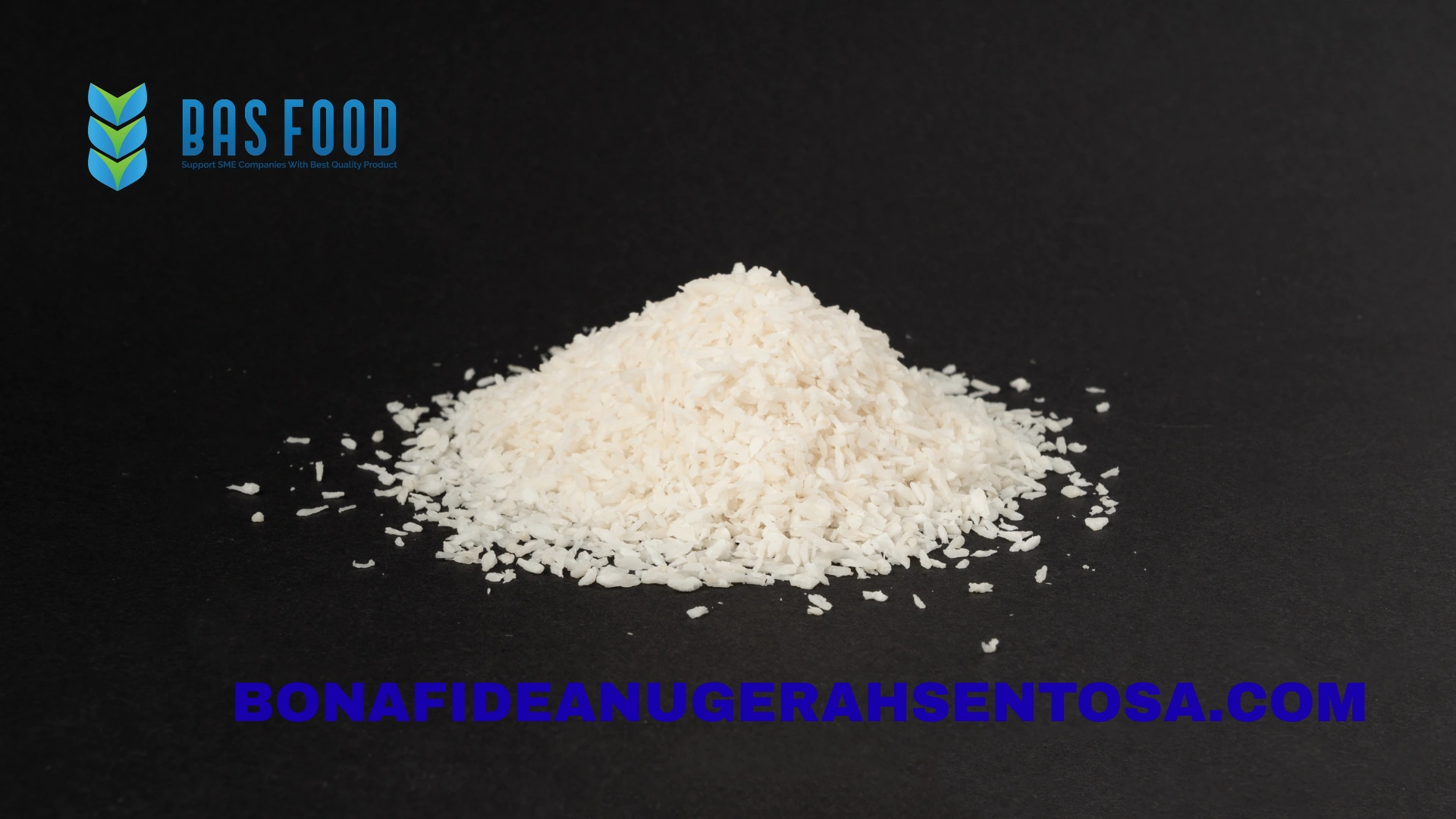
Why the United States Is a Major Market for Desiccated Coconut
The U.S. food industry is massive and highly diversified. Manufacturers constantly seek ingredients that support innovation, health-focused trends, and global flavors. Desiccated coconut fits perfectly into these evolving market demands.
Consumers in the United States increasingly prefer plant-based, gluten-free, and clean-label products. Because of this, coconut ingredients are becoming more common in modern food manufacturing.
Desiccated coconut is widely used in bakery products, granola bars, protein snacks, chocolates, frozen desserts, and dairy alternatives. Its flavor, texture, and versatility make it valuable across many product categories.
In addition, the multicultural nature of the U.S. market supports demand for tropical ingredients. Asian, Latin American, Middle Eastern, and Caribbean cuisines often use coconut-based ingredients in traditional recipes.
This creates strong opportunities for any qualified desiccated coconut supplier usa market entrant.
Understanding FDA Oversight in Coconut Imports
The FDA plays a central role in regulating imported food products entering the United States. Every imported food ingredient must comply with U.S. food safety laws and regulations.
The FDA monitors imported products to ensure they are safe, properly labeled, and manufactured under sanitary conditions. If products fail to meet standards, shipments may be delayed, rejected, or destroyed.
For exporters, understanding FDA coconut import procedures is essential before shipping products to the United States.
One important regulation is the Food Safety Modernization Act (FSMA). This law shifted the FDA’s focus from responding to contamination problems toward preventing them before they occur.
As a result, exporters must demonstrate proactive food safety management systems and maintain proper documentation.
Food Facility Registration: The First Step to U.S. Market Entry
Any foreign facility that manufactures, processes, packs, or stores food for U.S. consumption must register with the FDA.
This requirement applies to desiccated coconut manufacturers exporting to the United States. Registration helps the FDA track imported food products and monitor food safety compliance.
Facilities must renew registration every two years. Failure to maintain active registration can result in shipment refusal at U.S. ports.
In addition, foreign facilities must appoint a U.S. Agent. This representative acts as the communication contact between the FDA and the exporter.
For businesses targeting the desiccated coconut supplier usa market, FDA registration is one of the most important compliance steps.
FSMA Compliance and Preventive Controls
The Food Safety Modernization Act introduced stricter preventive controls for food manufacturing facilities.
Under FSMA, exporters must identify potential hazards and implement systems to prevent contamination. This includes biological, chemical, and physical hazards.
A Hazard Analysis and Risk-Based Preventive Controls (HARPC) plan is often required. This plan outlines food safety risks and explains how they are controlled during production.
Manufacturers must also maintain sanitation programs, employee hygiene standards, equipment maintenance, and proper storage systems.
Strong preventive control systems improve product safety and increase buyer confidence. They are essential for successful FDA coconut import compliance.
Good Manufacturing Practices and Hygiene Standards
The FDA requires all food facilities to follow Current Good Manufacturing Practices (CGMPs). These regulations establish minimum sanitary and operational standards.
CGMP requirements cover many areas, including:
- Employee hygiene
- Facility cleanliness
- Pest control
- Equipment sanitation
- Water quality
- Product storage
Desiccated coconut manufacturers must ensure that production facilities remain clean and organized at all times.
Because coconut products contain natural oils, moisture management is especially important. Improper storage can increase the risk of microbial contamination or quality degradation.
A professional desiccated coconut supplier usa market participant should implement strict hygiene protocols throughout the production process.
Product Testing and Microbiological Safety
Food safety testing is a critical part of exporting desiccated coconut to the United States.
The FDA expects imported products to meet microbiological safety standards. Products contaminated with harmful bacteria may be rejected.
Common microbiological concerns include:
- Salmonella
- Yeast and mold
- Coliform bacteria
- E. coli
Regular laboratory testing helps ensure compliance with U.S. safety standards.
In addition, moisture content and water activity levels must be carefully controlled. Excess moisture can increase microbial risks and reduce shelf life.
Professional exporters maintain detailed testing records and provide certificates of analysis for every shipment.
This level of quality assurance is essential for working with a reliable USA coconut distributor.
Labeling Requirements for Desiccated Coconut Products
The FDA has strict food labeling requirements. Imported desiccated coconut products must include accurate and compliant labels.
Labels typically require:
- Product name
- Ingredient list
- Net weight
- Nutrition facts panel
- Manufacturer or distributor information
- Country of origin
- Allergen information
Although coconut is classified as a tree nut under U.S. allergen regulations, proper allergen labeling is required.
Inaccurate labels may result in customs delays or enforcement action.
Professional exporters carefully review all packaging and labeling details before shipment.
For a successful FDA coconut import process, labeling compliance is just as important as product quality.
Foreign Supplier Verification Program (FSVP)
Under FSMA, U.S. importers must comply with the Foreign Supplier Verification Program (FSVP).
This program requires importers to verify that foreign suppliers meet U.S. food safety standards.
As a result, American buyers carefully evaluate overseas suppliers before establishing partnerships.
Exporters should be prepared to provide:
- Food safety documentation
- HACCP or HARPC plans
- Product testing reports
- Facility certifications
- Audit reports
Strong documentation improves credibility and strengthens relationships with a USA coconut distributor.
Suppliers that support importer compliance often gain long-term business opportunities.
Certifications That Improve Market Access
Although some certifications are not legally mandatory, they significantly improve competitiveness in the U.S. market.
Important certifications include:
- HACCP
- ISO 22000
- BRCGS
- Kosher
- Halal
- Organic certification
Many American food companies require these certifications as part of their supplier approval process.
Organic certification is especially important in premium health-focused markets.
Buyers often prefer working with a certified desiccated coconut supplier usa partner because certifications reduce perceived risk and simplify procurement decisions.
Logistics and Shipping Considerations
Shipping food products to the United States requires careful logistics planning.
Desiccated coconut must be packaged properly to prevent moisture absorption and contamination during transportation.
Exporters commonly use multi-layer kraft paper bags with polyethylene liners for protection.
Container cleanliness is also essential. Contaminated containers can compromise product quality and create customs problems.
Lead times, port congestion, and shipping schedules must also be carefully managed.
Reliable logistics performance strengthens trust with buyers and supports long-term success in the FDA coconut import market.
Why U.S. Buyers Prefer Long-Term Supplier Partnerships
American importers value reliability and consistency. Frequent supplier changes increase operational risks and create compliance uncertainties.
As a result, many buyers seek long-term relationships with dependable exporters.
A reliable supplier provides:
- Stable product quality
- Consistent delivery schedules
- Accurate documentation
- Transparent communication
- Regulatory compliance support
Strong supplier partnerships also improve forecasting and inventory management.
For this reason, becoming a trusted USA coconut distributor partner can create stable and sustainable growth opportunities.
Indonesia’s Position as a Global Desiccated Coconut Supplier
Indonesia is one of the world’s largest coconut-producing countries. Its tropical climate and abundant coconut resources support large-scale production.
Indonesian desiccated coconut is widely recognized for its quality, flavor, and consistency.
The country also has strong export infrastructure and extensive experience serving international food markets.
CV Bonafide Anugerah Sentosa is a trusted exporter supplying high-quality desiccated coconut and other coconut-derived products to global buyers.
As a professional desiccated coconut supplier usa market exporter, the company focuses on quality control, regulatory compliance, and reliable supply chain management.
This helps international buyers meet both production and FDA compliance requirements.
Common Challenges Exporters Face in FDA Compliance
Exporting to the United States can be challenging for companies unfamiliar with FDA regulations.
One common issue is incomplete documentation. Missing paperwork can delay shipments and increase costs.
Another challenge is inconsistent product quality. Even minor variations in moisture content or microbiological results may trigger buyer concerns.
Regulatory updates can also create confusion. FDA rules continue evolving, especially under FSMA requirements.
To overcome these challenges, exporters should invest in training, food safety systems, and strong communication with buyers.
Experienced suppliers that prioritize compliance are better positioned for long-term success in the FDA coconut import market.
Future Opportunities in the U.S. Coconut Ingredient Market
The future of coconut ingredients in the United States looks very promising.
Demand for plant-based foods, clean-label products, and tropical flavors continues to grow. Consumers increasingly seek healthier snack and bakery options.
At the same time, food manufacturers continue exploring new formulations using coconut-based ingredients.
Desiccated coconut will likely remain an important ingredient in many categories, including functional foods, dairy alternatives, and premium confectionery.
Suppliers that maintain strong compliance systems and reliable quality standards will benefit the most from these trends.
Conclusion: Compliance Builds Trust and Long-Term Growth
Entering the U.S. market requires more than competitive pricing. It requires full understanding of FDA regulations, food safety systems, and importer expectations.
For any company aiming to become a successful desiccated coconut supplier usa, compliance is not optional. It is the foundation of long-term business growth.
By meeting FDA coconut import requirements, maintaining consistent quality, and supporting importer verification systems, exporters can build strong relationships with every USA coconut distributor they serve.
With experienced partners like CV Bonafide Anugerah Sentosa, international buyers can access reliable desiccated coconut products that meet global standards and support sustainable business success.