
Understanding desiccated coconut processing helps buyers, manufacturers, and food businesses ensure quality and consistency. This process transforms fresh coconuts into a dry, shelf-stable ingredient used in bakery, confectionery, and industrial food production.
At first glance, desiccated coconut may look simple. However, the production process involves several controlled steps. Each stage affects texture, moisture, safety, and flavor. Therefore, knowing how desiccated coconut is made gives valuable insight into product quality.
What Is Desiccated Coconut and Why It Matters
Desiccated coconut is finely shredded coconut meat that has been dried to remove most of its moisture. It comes in different cuts such as fine, medium, and flakes. Because of its low moisture content, it offers a longer shelf life compared to fresh coconut.
Moreover, manufacturers use desiccated coconut in a wide range of products. These include cookies, chocolate fillings, breakfast cereals, and snack bars. As a result, consistent desiccated coconut processing becomes essential for large-scale food production.
Raw Material Selection: The Starting Point of Quality
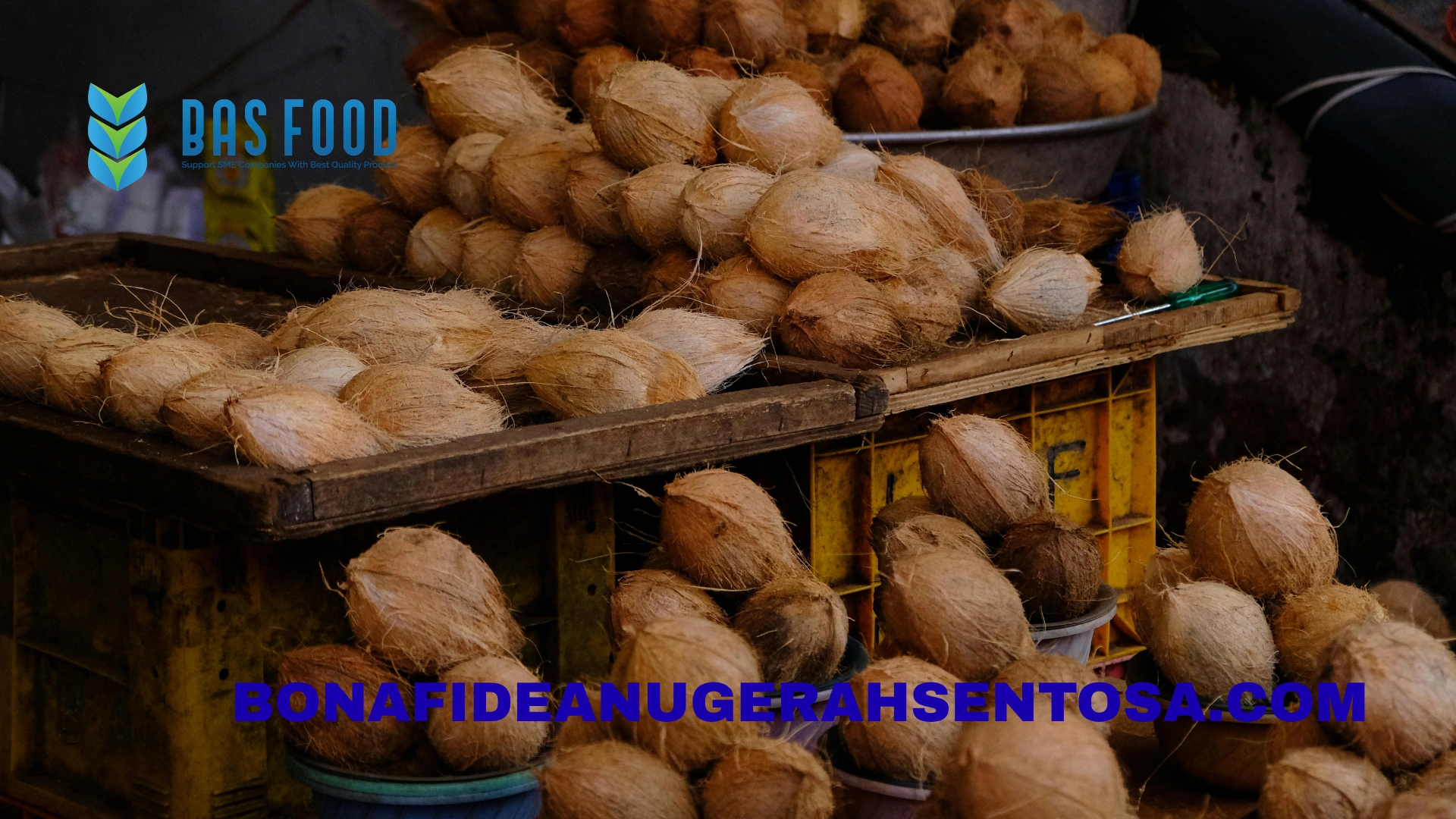
The process begins with selecting mature coconuts. Producers prefer coconuts that are around 10 to 12 months old. At this stage, the meat has developed a firm texture and rich oil content.
In addition, quality control starts here. Fresh coconuts must be free from mold, cracks, or spoilage. If raw materials are poor, even advanced processing cannot fix the final product. Therefore, careful selection ensures better results in later stages.
Dehusking and Shell Removal
After selection, workers remove the outer husk. This step exposes the hard shell that protects the coconut meat. Mechanical tools often speed up this process in modern facilities.
Next, operators break the shell to extract the white coconut meat. At this stage, cleanliness is important. Any contamination can affect food safety and product quality. Therefore, processors maintain strict hygiene standards during handling.
Paring and Washing the Coconut Meat
Once the shell is removed, the brown skin on the coconut meat is pared off. This step improves the final color of the product. White coconut meat produces a cleaner and more appealing desiccated coconut.
After paring, processors wash the coconut meat thoroughly. This step removes dirt and reduces microbial load. Clean raw material supports safe and efficient desiccated coconut processing.
Grinding and Size Reduction
The cleaned coconut meat is then ground into smaller particles. Depending on the desired product, processors adjust the grinding size. Fine grades require smaller particles, while flakes need larger cuts.
Furthermore, uniform grinding ensures even drying later. If particle sizes vary too much, some parts may remain moist. Therefore, size control plays a key role in product consistency.
Blanching for Safety and Quality
Blanching is a short heat treatment applied to coconut particles. It helps reduce microbial contamination and improves product safety. This step also stabilizes the coconut before drying.
In addition, blanching preserves color and flavor. Without this step, the product may develop unwanted changes during storage. As a result, blanching supports both safety and shelf life.
Drying Process: The Core of Desiccated Coconut Processing
Drying is the most critical stage in desiccated coconut processing. Producers use hot air dryers to remove moisture from the coconut. The goal is to reach a moisture content of around 2% to 3%.
Temperature and airflow must be carefully controlled. If heat is too high, the coconut may burn or lose flavor. If too low, moisture may remain, which can lead to spoilage. Therefore, balanced drying ensures product stability.
Cooling and Stabilization
After drying, the coconut must cool down before packaging. Hot products can create condensation inside packaging, which increases moisture.
Cooling also stabilizes the product structure. It prevents clumping and helps maintain the desired texture. This step may seem simple, but it plays an important role in maintaining quality.
Sieving and Grading
Once cooled, the product goes through sieving. This process separates particles based on size. Manufacturers classify the product into fine, medium, or coarse grades.
Consistency in size improves performance in food applications. For example, fine desiccated coconut blends better in dough, while coarse grades add texture. Therefore, grading ensures the product meets specific industrial needs.
Quality Control and Testing
Quality checks occur throughout the entire process. However, final testing confirms that the product meets standards. Common tests include moisture content, microbiological analysis, and color evaluation.
In addition, exporters often follow international food safety standards. These standards ensure that desiccated coconut is safe for global markets. Consistent testing builds trust with buyers.
Packaging and Storage Conditions
Proper packaging protects the product from moisture, light, and contamination. Manufacturers usually use multi-layer bags or vacuum packaging. These materials help maintain dryness and freshness.
Storage conditions also matter. Producers store desiccated coconut in cool, dry environments. High humidity can reduce shelf life. Therefore, both packaging and storage support long-term quality.
Applications in the Food Industry
Desiccated coconut has wide applications. It is commonly used in bakery products such as cakes, cookies, and pastries. It also appears in chocolate fillings and snack bars.
Moreover, food manufacturers use it as a natural ingredient for texture and flavor. Its versatility makes it valuable across different industries. As a result, efficient desiccated coconut processing supports consistent product performance.
Common Challenges in Desiccated Coconut Processing
Despite advanced methods, producers still face challenges. One common issue is uneven drying. This can lead to moisture variation and reduced shelf life.
Another challenge is contamination. Poor hygiene during processing can affect product safety. Therefore, strict control measures are essential at every stage.
Sustainability and Modern Processing Trends
Sustainability is becoming more important in coconut processing. Many producers now use energy-efficient dryers and waste management systems. These practices reduce environmental impact.
In addition, automation is improving efficiency. Modern equipment ensures better control over temperature, size, and moisture. This leads to more consistent results in desiccated coconut processing.
Conclusion: From Fresh Coconut to Reliable Ingredient
Desiccated coconut may look simple, but its production involves careful planning and control. From raw material selection to final packaging, each step influences quality.
By understanding desiccated coconut processing, buyers and manufacturers can make better sourcing decisions. In the end, consistent processing ensures a reliable ingredient for global food industries.